
Ayurveda for Menstrual Disorders: Irregular Periods, Pain and Natural Correction
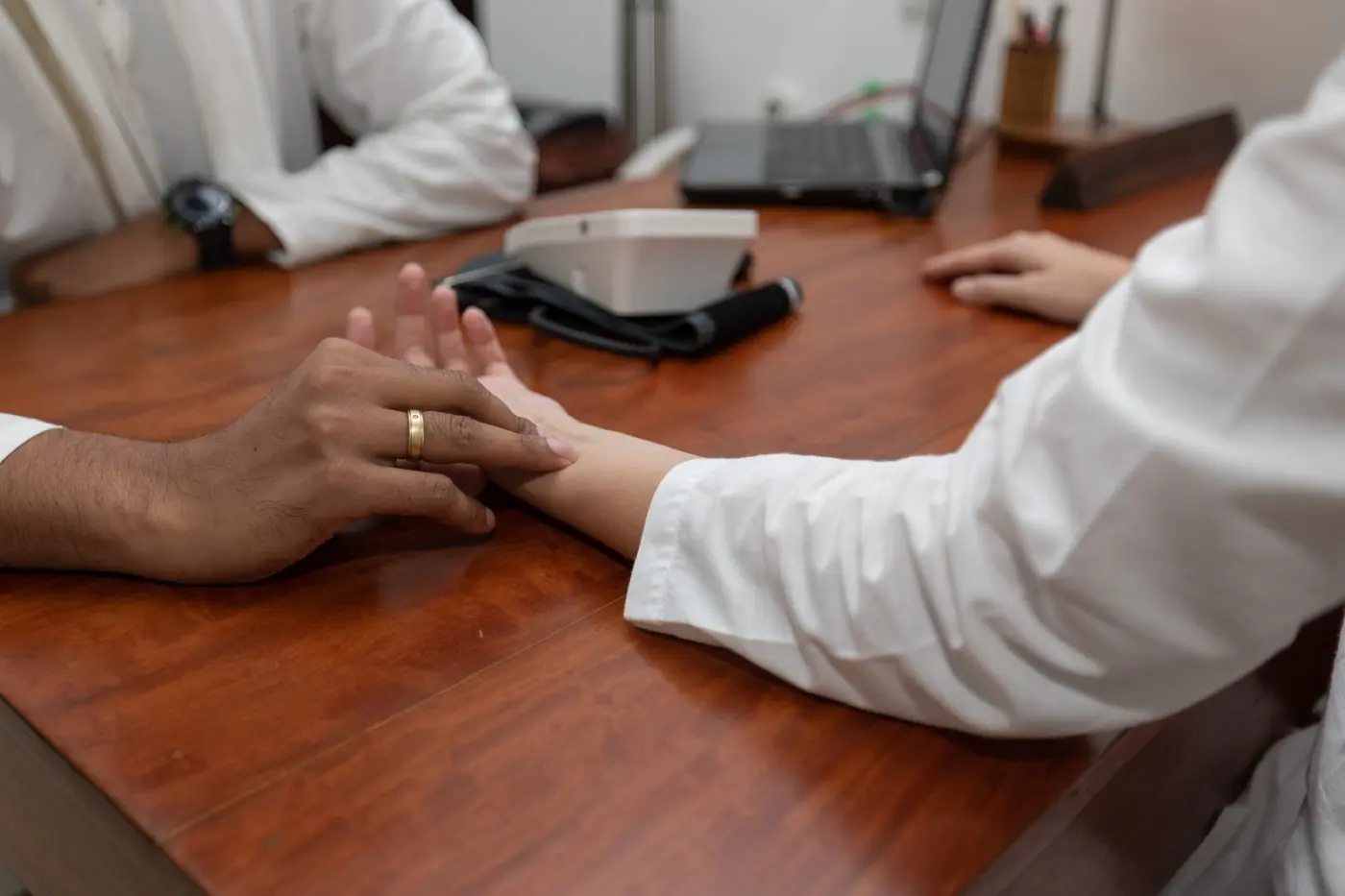
Ayurveda for Menstrual Disorders: Irregular Periods, Pain and Natural Correction
How Ayurveda understands irregular, painful or heavy periods through Apana Vata and Pitta, and the diet, herbs and therapies used to restore balance.
In Ayurveda, an irregular, painful or heavy period is not treated as a symptom to suppress. It is read as a sign of which dosha has moved out of balance, and treatment is built around correcting that pattern, with a gynaecologist's check first whenever something looks sudden or severe.
What Counts as a Menstrual Disorder
A healthy cycle is usually regular, comfortable and predictable. When periods arrive unpredictably, bring pain that disrupts daily life, flow unusually heavy or scanty, or stop for months, that is generally considered a menstrual disorder.
Cycle length varies from woman to woman, and an occasional late or early period is common, especially during stress, travel or illness. The pattern matters more than a single month. Cycles that keep shifting, pain that returns every month, or flow that changes noticeably deserve attention, and they are among the most common reasons women in Kerala and across India seek Ayurvedic care. Ayurveda does not look at these as isolated complaints. It looks at the whole person: digestion, sleep, stress, body constitution and daily routine.
The Ayurvedic View: Artava Dushti and the Doshas
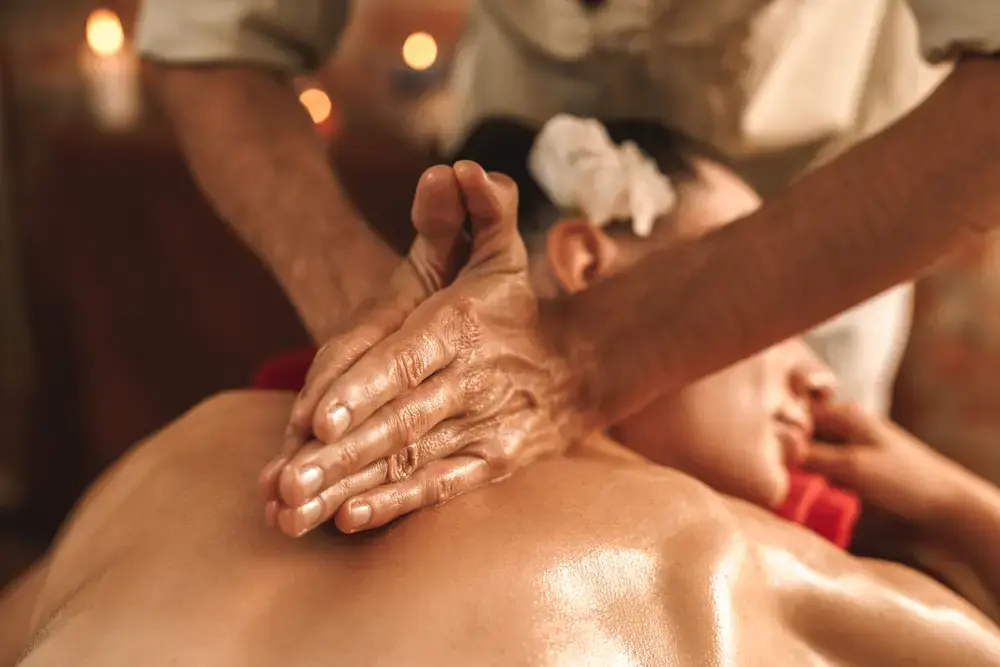
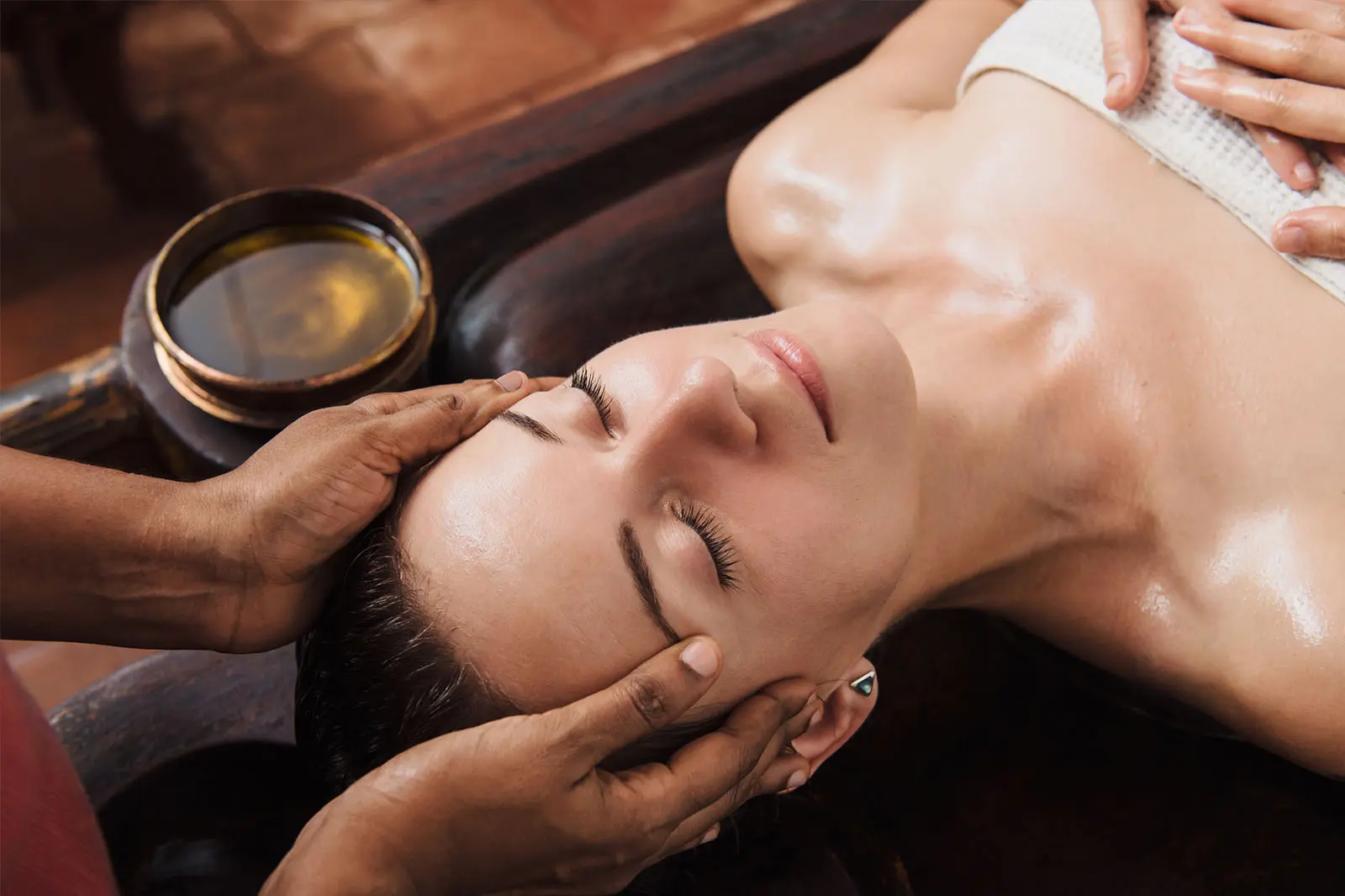
Classical Ayurveda describes disturbances of menstruation under the idea of Artava Dushti, a vitiation of Artava, the menstrual fluid and the reproductive tissue linked with it. Three doshas are involved to different degrees, and identifying which one leads is the first step of treatment.
Primary driver
Apana Vata
Apana Vata is the downward-moving subtype of Vata that governs menstruation, elimination and the timely release of the period. When it is aggravated by stress, irregular meals, poor sleep, over-exertion or excess cold and dry foods, cycles become erratic, delayed or scanty, and cramping pain is common.
Heat and flow
Pitta
Pitta is associated with heat and the blood tissue. When it is aggravated by spicy, sour or fried foods, anger, long hours in heat or skipped meals, periods tend to be heavy, early or prolonged, often with a burning sensation, irritability or loose stools.
Blockage and heaviness
Kapha
Kapha brings heaviness and obstruction. When it accumulates through sluggish digestion, little movement or heavy, sweet and oily diets, channels can become blocked, leading to delayed or missed periods, a sense of bloating and weight gain.
In practice, doshas rarely act alone. Many women show a combination, for example Vata with Pitta, and the physician's pulse, history and examination decide where the emphasis lies.
Common Types of Menstrual Disorders
The same Ayurvedic framework is applied to the four patterns women most often describe:
01
Irregular cycles
Cycles that vary widely in length or arrive unpredictably. Usually linked to aggravated Vata, often with disturbed sleep, irregular meals or high stress.
02
Dysmenorrhoea (painful periods)
Cramping in the lower abdomen or back before or during the period. Mainly a Vata pattern, sometimes with Pitta features such as burning or nausea.
03
Heavy flow
Excessive or prolonged bleeding. Commonly associated with aggravated Pitta, and needs medical evaluation to rule out underlying causes.
04
Missed periods
Periods that stop or are delayed for months. Often a Kapha or Vata blockage pattern, and where pregnancy is possible it must be ruled out first.
Irregular cycles with acne, weight gain or excess hair growth may point towards PCOS. See our page on PCOD/PCOS treatment in Kerala for how that pattern is approached.
Diet, Lifestyle and Gentle Yoga
Before any procedure is considered, Ayurveda starts with daily habits, because the doshas that disturb the cycle are usually fed by routine. The aim is steadiness. These are general principles and the physician tailors them to the individual.
Diet
Warm, freshly cooked, easily digestible meals at regular times. Cooling foods for Pitta patterns, lighter and warmer foods for Kapha, and nourishing, mildly oily foods for Vata. Cut back on processed, very spicy, deep-fried and ice-cold foods.
Routine
Consistent sleep and wake times, avoiding late nights, and managing stress. Rest on the first days of the period rather than heavy exercise, travel or strenuous work.
Gentle yoga
Light, calming practice such as Baddha Konasana, Supta Baddha Konasana, Balasana and slow breathing (pranayama), done comfortably. Avoid strong inversions and intense core work during bleeding.
Herbs
Ingredients such as Ashoka and Shatavari are traditionally used in women's formulations. They should be taken only as prescribed, since the right herb depends on the dosha pattern and on whether pregnancy is possible.
General guidance only. Self-medicating with herbal products is not advised, especially when taking hormonal medication or trying to conceive.

Ayurvedic Therapies Used
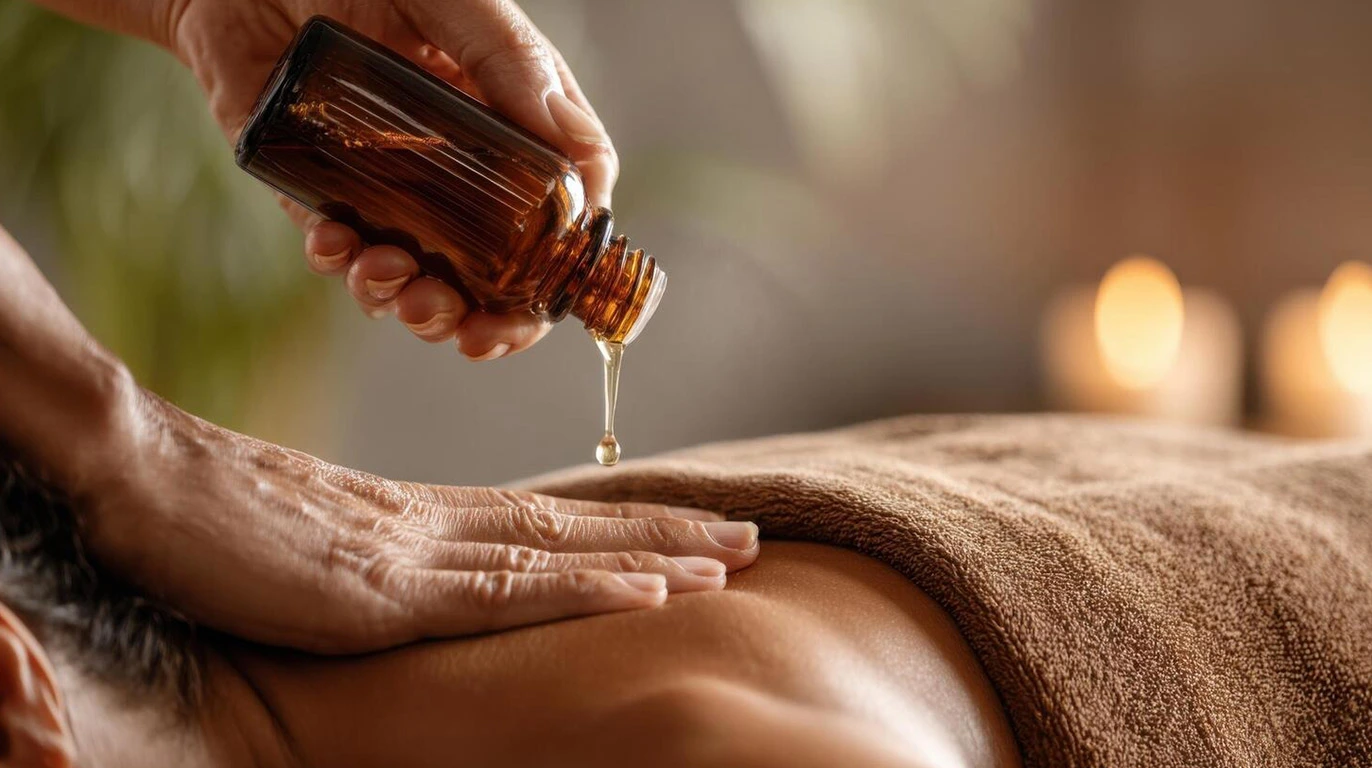
Where diet and routine alone are not enough, a physician may recommend therapies chosen to match the dosha involved. Not every woman needs all of them, and some are used only under strict supervision.
Warm medicated oil massage that calms Vata, eases abdominal and lower back tension and supports relaxation. Commonly used for irregular cycles and menstrual pain, outside the bleeding days.
A specialised procedure in which medicated oil or ghee is introduced through the vaginal route. Performed by a qualified physician only, in a clinical setting, and never as a home or self-directed treatment.
A controlled therapeutic purgation that removes excess Pitta. Used selectively, after proper Purvakarma preparation, and only when the physician's assessment shows it suits the individual.
Each of these is prescribed after assessment, not as a package. Our guide to what happens during Panchakarma explains how preparation, the main procedure and recovery fit together.
When to See a Gynaecologist First
Ayurveda can support many menstrual problems, but some situations need conventional medical evaluation before any other treatment. Please see a gynaecologist promptly if you notice:
- A sudden change in your cycle, flow or pattern that is not explained by stress or travel.
- Severe pain that stops you from carrying out daily activities, or pain that is getting steadily worse.
- Very heavy bleeding, such as soaking through pads quickly, passing large clots, or feeling dizzy or weak.
- A missed period when pregnancy is possible. A pregnancy test and medical confirmation should come before any herbal or Panchakarma treatment.
The takeaway: Ayurveda works best on menstrual disorders as a considered, physician-led plan alongside proper investigation, not as a substitute for it. Rule out the urgent causes first, then correct the underlying dosha pattern.
How Pranavam Approaches Menstrual Health
At Pranavam Ayurveda Hospital in Kozhikode, no menstrual programme begins with a fixed package. An Ayurvedic physician first takes a detailed history of your cycle, reviews any scans or reports you bring, and identifies the leading dosha before recommending diet, herbs or therapies. Women's care is part of our broader women's health and postnatal care programme.
Because response differs from woman to woman, the plan, its duration and any procedures are individualised and reviewed regularly rather than applied as a standard course.
Frequently Asked Questions
Can Ayurveda regulate periods naturally?
Is Ayurvedic treatment safe with hormonal pills?
How many cycles before improvement?
Does it help period pain?
Struggling With Irregular or Painful Periods?
Every programme at Pranavam begins with a physician assessment, not a fixed package. Get a personalised read on which dosha is involved and what care suits you, before you commit to anything.
Book a ConsultationRelated Reading