
Kizhi (Herbal Bolus) Therapy: Types, Benefits and What to Expect
A physician-led guide from Pranavam Ayurveda Hospital covering what Kizhi is, how it's prepared, the main types, Ela Kizhi, Podikizhi and Njavara Kizhi, its benefits, who it may suit, and what actually happens during a session.
 Image 1 — Kizhi Herbal Bolus Therapy at Pranavam Ayurveda Hospital
Kizhi is an external Ayurvedic therapy in which specially prepared cloth boluses, containing herbs, herbal powders or other prescribed ingredients, are warmed and applied to selected areas of the body using controlled movements. It is also known as Pinda Sweda. At Pranavam Ayurveda Hospital, the type of Kizhi, its ingredients and its application are decided by a physician based on the patient's condition, not given as a default treatment for every ache or pain.
On This Page
- What Is Kizhi Therapy?
- How Is Kizhi Prepared?
- The Main Types of Kizhi
- Benefits of Kizhi Treatment
- What Happens During a Kizhi Session
- Who Is Kizhi Commonly Recommended For?
- Kizhi as Part of a Bigger Treatment Plan
- When Should You Avoid or Postpone Kizhi?
- Why Choose Pranavam Ayurveda Hospital?
- Frequently Asked Questions
- Is Kizhi Right for You?
Warm herbal bundles being rhythmically applied over the body are one of the most recognisable images associated with Ayurvedic treatment in Kerala. This therapy is commonly known as Kizhi. But what is Kizhi beyond the warm herbal pouch?
Kizhi is an external Ayurvedic therapy in which specially prepared cloth boluses containing herbs, herbal powders or other prescribed ingredients are warmed and applied to selected areas of the body using controlled movements. Depending on the preparation used, you may also hear the therapy referred to as Pinda Sweda or by the name of a particular type of Kizhi.
At Pranavam Ayurveda, Kizhi treatment is not simply given because someone has joint or muscle pain. The physician first considers the nature of the problem, the patient's Ayurvedic assessment and whether heat-based therapy is suitable. The ingredients, temperature and application can then be selected accordingly.
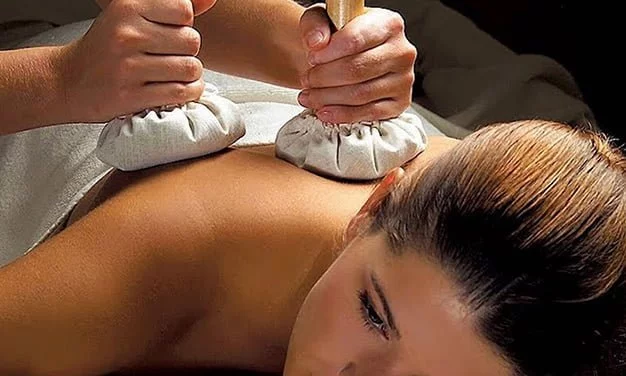 Image 2 — Therapist Preparing Herbal Boluses for Kizhi Treatment
What Is Kizhi Therapy?
The word Kizhi refers to the cloth bundle or bolus used during treatment. Medicinal ingredients are prepared and tied securely inside a piece of cloth, creating a compact pouch that a therapist can hold comfortably. These boluses are then warmed using a prescribed medium and applied to the body.
The application may involve gentle pressing, tapping or rhythmic movements depending on the treatment being performed. Warmth is an important part of the procedure, but Kizhi is more than simply placing something hot against a painful muscle. The choice of ingredients, preparation method and application technique distinguishes different forms of Kizhi.
In Ayurvedic practice, these therapies are often used as part of Swedana, or therapeutic sudation, and may be incorporated into a broader treatment programme.
How Is Kizhi Prepared?
Preparation varies according to the type of Kizhi prescribed. A typical process begins with the physician deciding which preparation is appropriate.
1. Selecting the ingredients
The contents of the bolus depend on the type of Kizhi, chosen according to the patient's condition rather than one mixture for everyone.
2. Preparing the herbal mixture
Ingredients are prepared according to the therapy — leaves may be chopped and processed, while powder-based Kizhi requires a different preparation.
3. Making the bolus
Prepared ingredients are placed in cloth, gathered and tied securely, leaving a handle so the therapist can hold and control it.
4. Heating the Kizhi
The boluses are warmed using the method appropriate to that therapy — the aim is controlled therapeutic warmth, not maximum heat.
5. Applying it to the body
Once temperature is checked, the therapist applies the bolus using controlled movements, alternating boluses as they cool.
The Main Types of Kizhi
"Kizhi" is an umbrella term rather than one single treatment. Different preparations have different traditional uses, which is why knowing what Kizhi is also means understanding that not every Kizhi session is identical.
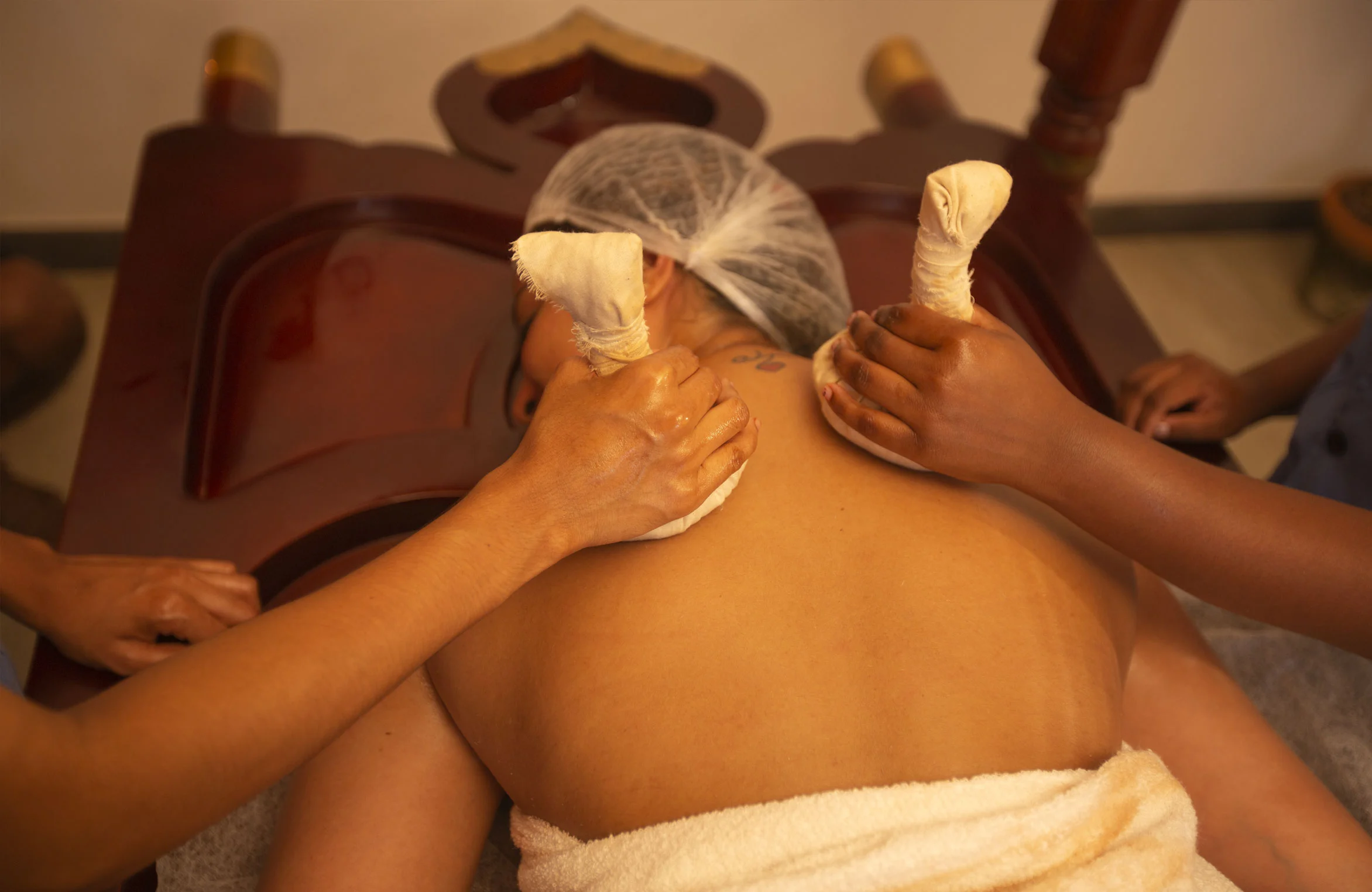 Image 3 — Ela Kizhi Herbal Leaf Bolus Application at Pranavam Ayurveda Hospital
Ela Kizhi
Prepared using selected medicinal leaves and other prescribed ingredients, processed, wrapped in cloth and warmed before application. Commonly incorporated where muscular or joint stiffness and restricted movement are important concerns.
Podikizhi
Uses herbal powders rather than primarily medicinal leaves. The powders are selected and prepared according to the treatment objective before being tied into cloth boluses; the technique and heating medium can vary by prescription.
Njavara Kizhi
A distinctive preparation using a particular variety of rice traditionally cooked with herbal decoction and milk. May be selected where nourishment and strengthening are among the therapeutic objectives.
Treatment Goals, Not Guarantees
Benefits of Kizhi Treatment
Kizhi has traditionally been incorporated into Ayurvedic care for musculoskeletal complaints, particularly where pain, stiffness and difficulty with comfortable movement are present. Depending on the condition and type selected, treatment may support:
Relief from muscular stiffness
Management of joint discomfort
Easier movement
Reduction of local tightness
Improved flexibility and mobility
Preparation for other Ayurvedic procedures
These should be understood as treatment goals rather than guaranteed outcomes. Kizhi does not correct every structural joint or spinal problem simply because herbs and heat are applied to the affected area. Someone with a significant disc herniation, advanced joint degeneration or neurological symptoms requires proper assessment of the underlying problem, the therapy should fit the diagnosis, not replace it.
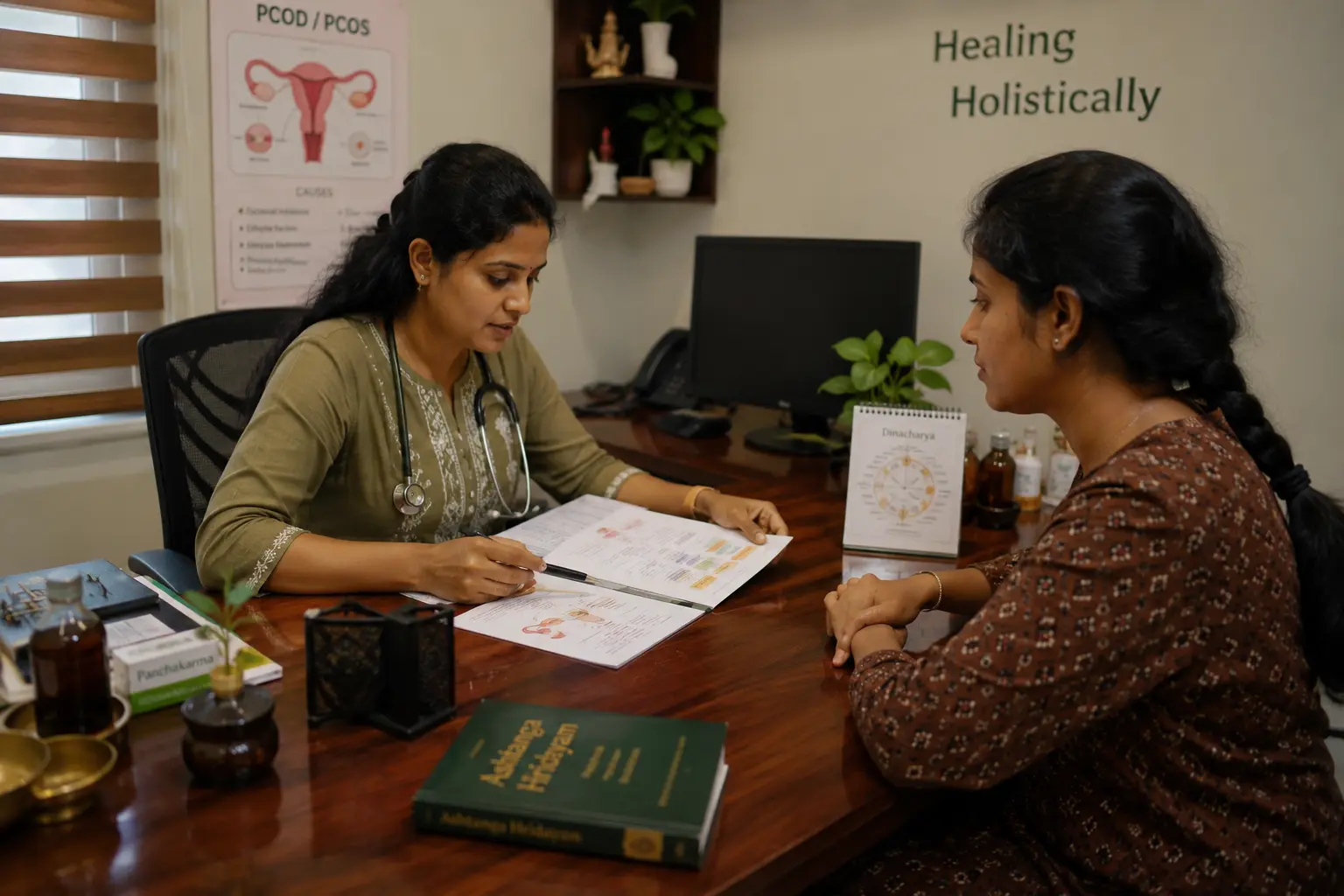 Image 4 — Physician Assessment Before Kizhi Therapy at Pranavam Ayurveda Hospital
What Happens During a Kizhi Session at Pranavam?
A Kizhi session should begin before the boluses are heated. The first stage is physician assessment, considering symptoms, medical history, physical limitations and Ayurvedic presentation. Existing investigations such as MRI or X-ray reports may also be relevant for spinal and joint conditions.
If Kizhi is considered appropriate, the physician determines the type of treatment and the areas that require attention. During the session, the prepared boluses are warmed and their temperature is checked before contact with the body. The therapist then applies them using controlled movements over the prescribed area, reheating or alternating boluses as they cool.
The patient should experience comfortable warmth rather than burning heat. Treatment duration varies according to the procedure and individual prescription, so there is no single session length that should be promised to every patient. After treatment, patients may also receive guidance about activity, movement or other therapies in their programme.
Who Is Kizhi Commonly Recommended For?
Kizhi may be considered as part of Ayurvedic management for several musculoskeletal complaints, including selected cases involving:
Kizhi is not automatically appropriate during every stage of an injury or painful condition. Acute injuries, significant swelling, suspected fractures, neurological symptoms and other potentially serious conditions need appropriate assessment before heat-based therapies are considered.
Kizhi Is Often Part of a Bigger Treatment Plan
One of the easiest misconceptions to develop from social media videos is that an Ayurvedic treatment programme consists of choosing one therapy and repeating it. In practice, Kizhi may be only one component.
Depending on the patient's condition, a physician may combine it with treatments such as Abhyanga, Kati Basti, classical Basti therapy or other Ayurvedic procedures. The sequence matters, an oil application may precede a particular form of Swedana, or in other situations a different treatment may be more appropriate altogether. More therapy is not automatically better therapy.
For a complete overview of how the treatment is used at Pranavam Ayurveda, visit our Kizhi Herbal Bolus Therapy page.
 Image 6 — Physician Reviewing Patient History Before Recommending Kizhi Therapy at Pranavam Ayurveda Hospital
When Should You Avoid or Postpone Kizhi?
Because Kizhi involves heat, pressure and herbal ingredients applied directly to the skin, it is not automatically suitable for every situation. A physician will usually check for certain conditions before recommending treatment.
This includes active skin infections, open wounds or burns, fever or acute illness, pregnancy, bleeding disorders, and recent surgery in the area to be treated. Sharing your complete health history allows the physician to decide whether Kizhi is appropriate, or whether it should be postponed or modified.
 Image 5 — Pranavam Ayurveda Hospital, Kozhikode
Why Choose Pranavam Ayurveda Hospital?
For nearly two decades, Pranavam Ayurveda Hospital has been providing authentic Kerala Ayurveda through physician-led, personalised treatment programmes.
Every patient undergoes a comprehensive consultation before treatment begins, allowing physicians to understand the underlying cause of discomfort and recommend therapies tailored to individual needs.
Frequently Asked Questions
Is Kizhi the same as a hot compress?
How many Kizhi sessions are usually needed?
Does Kizhi treatment hurt?
Can Kizhi be combined with Panchakarma?
Is Kizhi Right for You?
The visible part of Kizhi treatment is simple: herbs or another prescribed preparation are wrapped in cloth, warmed and applied to the body. The clinical decision behind it should be more considered, which type of Kizhi should be used, where it should be applied, how much heat is appropriate, whether it should be combined with another therapy, and most importantly, whether Kizhi is appropriate for the condition in the first place.
At Pranavam Ayurveda, these decisions are made as part of a physician-guided treatment plan rather than treating Kizhi as a universal massage for every painful joint or muscle. When appropriately selected, Kizhi treatment can form part of Ayurvedic care aimed at managing stiffness, discomfort and limitations in movement while supporting a broader plan for restoring everyday function.
Ready to Explore Kizhi Treatment?
Book a consultation with Dr. Sreejith or Dr. Diana Sreejith to receive a personalised evaluation and find out whether Kizhi therapy suits your condition.
Related Reading