Ayurvedic Treatment for Back Pain in Kerala — Kati Basti, Kizhi & Panchakarma
Kati Basti · Kizhi · Panchakarma · Authentic Kerala Ayurveda

Ayurvedic Treatment for Back Pain in Kerala: Kati Basti, Kizhi and Panchakarma Explained

A physician-guided approach from Pranavam Ayurveda Hospital covering how Ayurveda understands back pain, the core therapies used to treat it, what a typical treatment course looks like, and when conventional medical evaluation is essential.

P
Pranavam Ayurveda
• Kozhikode, Kerala
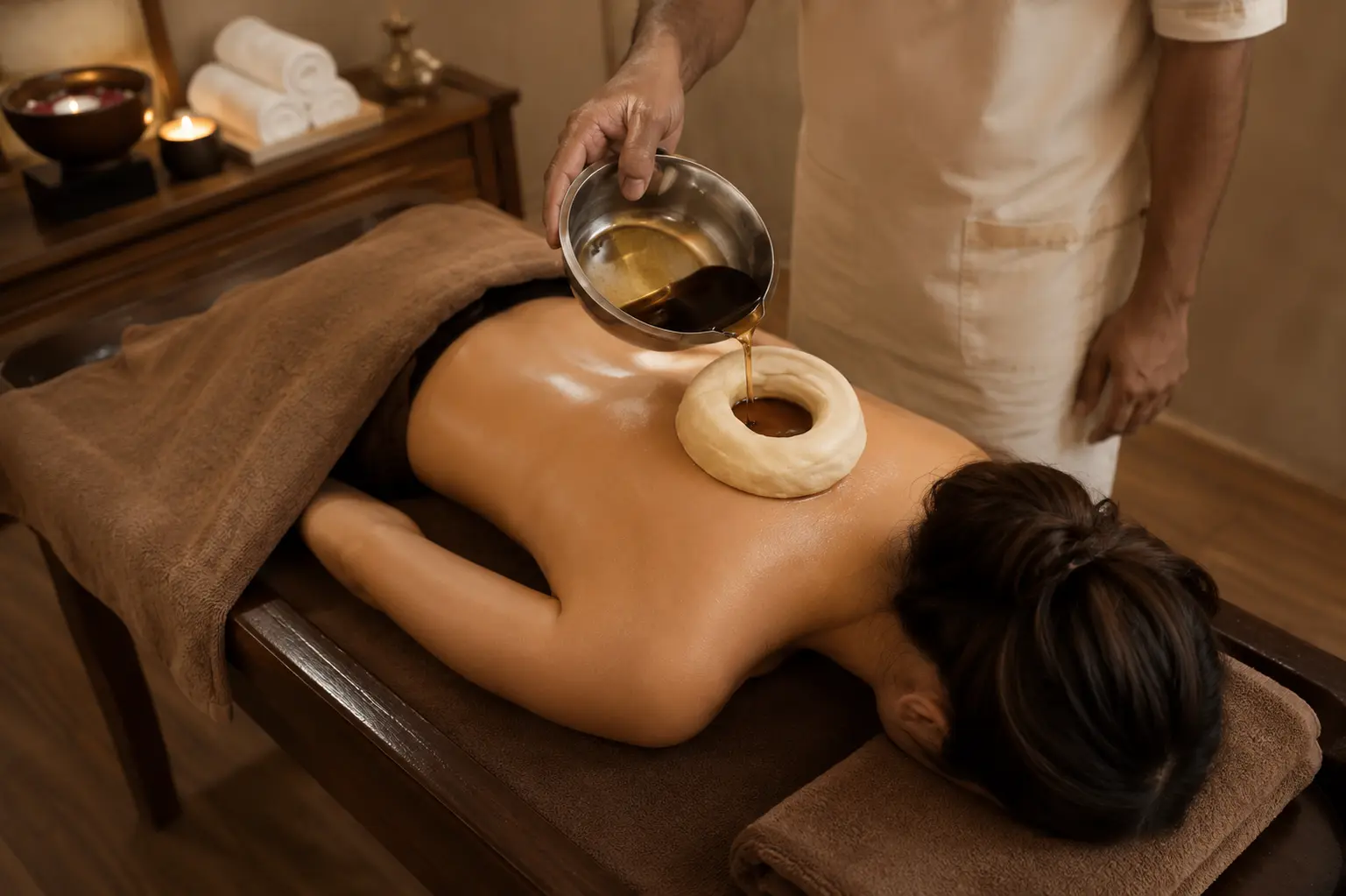
Kati Basti back pain therapy at Pranavam Ayurveda Hospital, Kozhikode Image 1 — Kati Basti Therapy at Pranavam Ayurveda Hospital
Quick Answer

Ayurvedic treatment for back pain in Kerala focuses on understanding why the pain developed, not just reducing discomfort. After a detailed physician assessment, therapies such as Kati Basti, Kizhi, Abhyanga, and selected Panchakarma procedures are combined into an individualised plan aimed at relaxing muscles, easing stiffness, and supporting long-term spinal health.

Back pain has become one of the most common health concerns affecting people of all ages. Long hours at a desk, physically demanding jobs, poor posture, stress and age related changes can all contribute to discomfort that gradually begins to interfere with everyday life.

Many people initially rely on pain medications or temporary rest. While these may reduce symptoms for a short period, recurring pain often indicates that the underlying cause needs proper attention.

Ayurvedic treatment for back pain in Kerala focuses on understanding why the pain developed rather than only reducing discomfort. Instead of following a standard treatment package, an Ayurvedic physician evaluates each individual before selecting therapies that suit the person's condition, body constitution and overall health.

According to Ayurveda, many forms of chronic back pain are associated with an imbalance of Vata Dosha, which governs movement, nerve function and the musculoskeletal system. When Vata becomes aggravated, it may contribute to stiffness, pain, restricted movement and weakness around the spine.

This guide explains how Ayurveda approaches different types of back pain, the therapies commonly used and what individuals can generally expect during treatment.
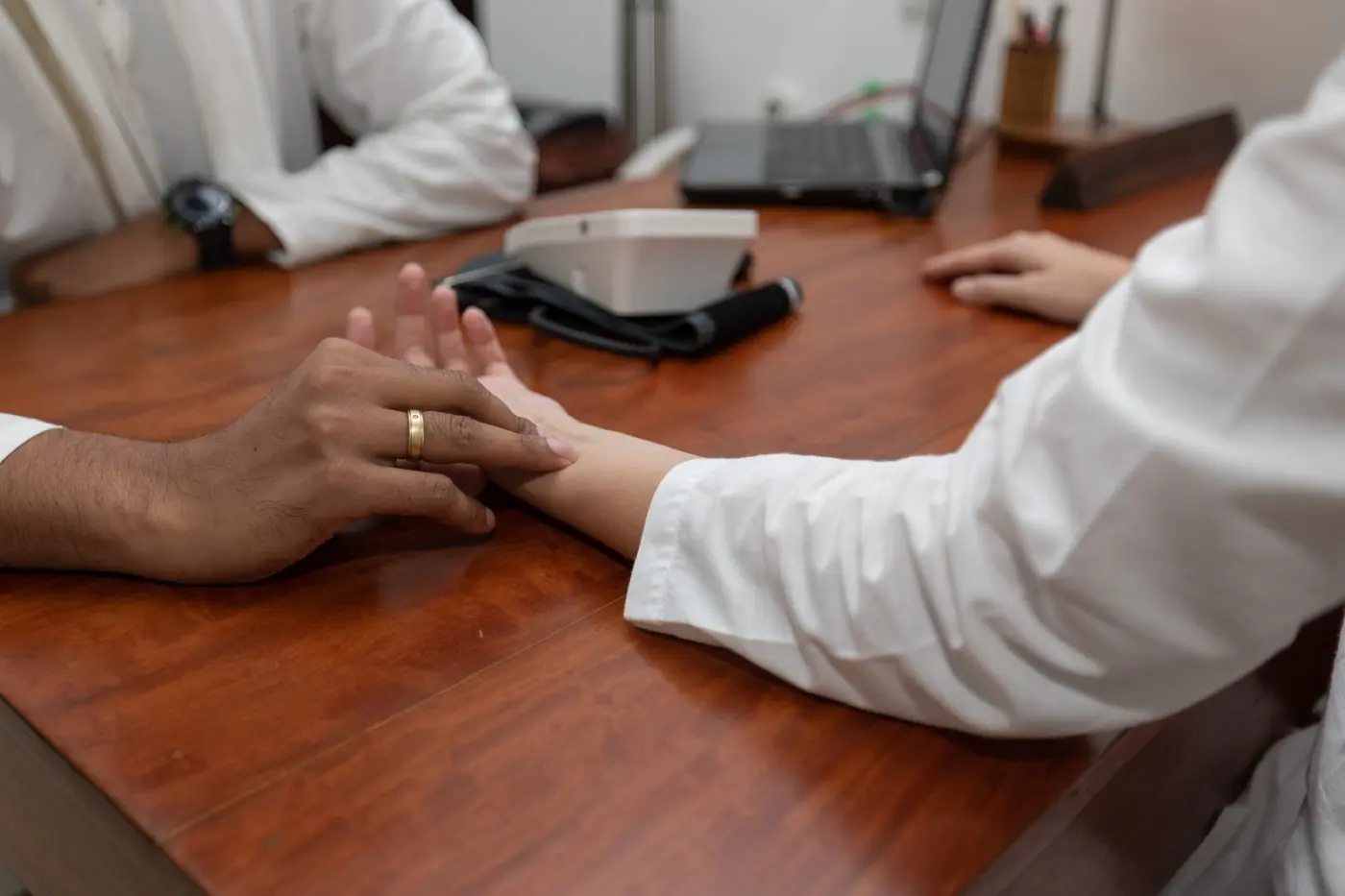
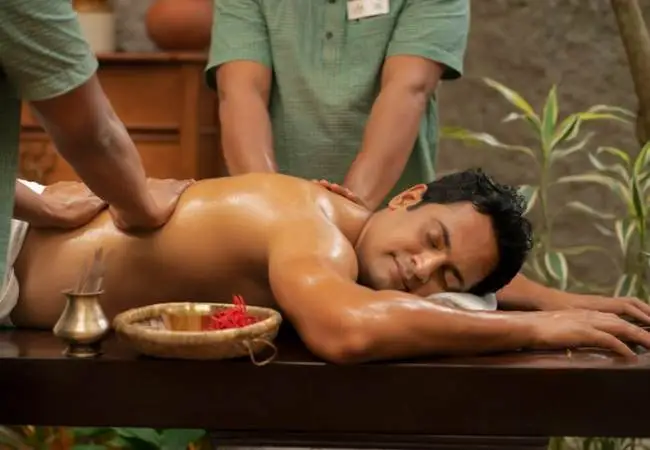
Physician consultation for back pain at Pranavam Ayurveda Hospital Image 2 — Physician Consultation for Back Pain Assessment

Understanding Back Pain in Ayurveda

Ayurveda does not consider every episode of back pain to be the same. Two people experiencing pain in the same area may require completely different treatment plans.

The physician first attempts to identify the root cause by considering duration of symptoms, nature of pain, age, lifestyle, previous injuries, occupation, digestive health, sleep quality and medical history.

Back pain may involve muscles, joints, ligaments, intervertebral discs or nerves. The treatment approach depends on which tissues appear to be involved.

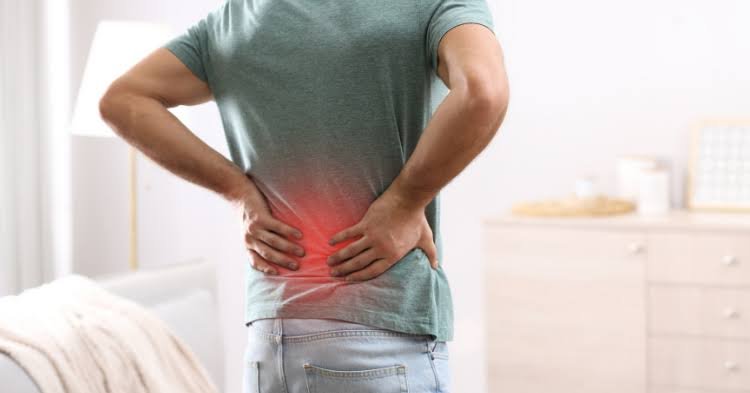
Postural strain contributing to lower back pain Image 3 — Postural Strain From Prolonged Sitting

Common Causes of Back Pain Addressed Through Ayurveda

Many individuals seeking back pain treatment in Kerala present with one or more of the following conditions, each requiring a different treatment emphasis.

Postural Strain
Muscular Tension
Lumbar Spondylosis
Disc Related Problems
Degenerative Changes

How Ayurvedic Physicians Diagnose Back Pain

One of the strengths of Ayurveda is that treatment begins with careful assessment rather than immediately recommending procedures.

During consultation, the physician may evaluate location of pain, whether pain radiates into the legs, movement restrictions, walking pattern, muscle tightness, previous imaging reports if available, occupation and daily routine, sleep pattern, digestive function, and aggravating and relieving factors.

Pulse examination and Ayurvedic clinical assessment may also be performed to understand the overall balance of Doshas. This evaluation helps determine whether therapies such as Kati Basti, Kizhi or Panchakarma are appropriate and how they should be combined.

Core Ayurvedic Therapies Used for Back Pain

Treatment varies depending on individual assessment. Some people may require only external therapies, while others may benefit from a structured Panchakarma programme.

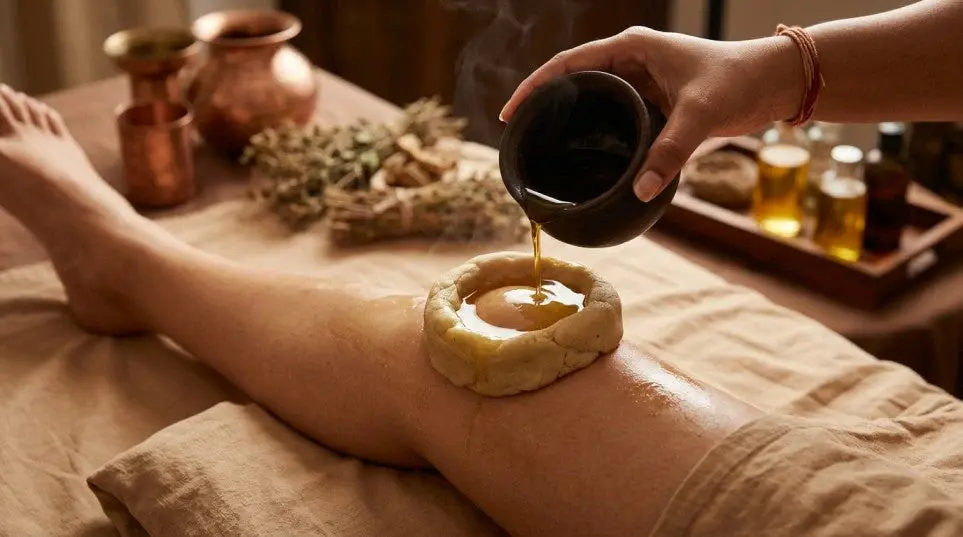
Kati Basti warm medicated oil therapy for lower back pain Image 4 — Kati Basti Medicated Oil Therapy

1. Kati Basti

Lower back focus

A specially prepared ring made from herbal dough is placed over the affected area. Warm medicated oil is then gently retained within this enclosure for a prescribed period, allowing continuous contact with the lower back while relaxing surrounding muscles and soft tissues. May be recommended for chronic lower back pain, lumbar stiffness, degenerative spinal conditions, muscular tightness, and selected disc related complaints.

2. Physician Guided Panchakarma

Not every person with back pain requires complete Panchakarma. If indicated, the physician may recommend selected purification and rejuvenation procedures after appropriate preparation, aiming to address deeper imbalances while supporting long-term recovery.

Individualised Ayurvedic back pain treatment plan Image 5 — Individualised Treatment Planning

Why Treatment Is Never One Size Fits All

Two individuals with MRI reports showing similar findings may experience very different symptoms. One person with a mild disc bulge may experience severe pain because of muscle spasm and nerve irritation, while another with greater degenerative changes may remain relatively comfortable.

This is why experienced Ayurvedic physicians do not prescribe identical therapy packages for everyone. Individualisation is a fundamental principle of Ayurvedic care.

Instead, treatment depends on:

  • Severity of symptoms
  • Functional limitations
  • Medical history
  • Age
  • Associated health conditions
  • Body constitution
  • Stage of the condition

What a Typical Treatment Course Looks Like

The exact treatment schedule varies depending on physician assessment. Improvement may occur gradually rather than overnight, particularly when symptoms have been present for several months or years.

Initial Consultation

A detailed clinical evaluation is performed before therapy begins.

Daily Treatment Sessions

Many therapies are administered once daily, although frequency varies depending on the condition.

Treatment Duration

Some individuals may undergo treatment for 7 to 14 days, while chronic conditions may require longer supervised programmes.

Follow Up

Follow up consultations help assess progress and decide whether maintenance care is needed.

Lifestyle Guidance After Treatment

Successful long term management depends not only on therapy but also on daily habits. Physicians commonly advise individuals to maintain healthy spinal mechanics after treatment.

Avoid prolonged sitting
Maintain workstation ergonomics
Use safe lifting techniques
Perform recommended exercises
Walk regularly
Maintain healthy body weight
Sleep on a supportive mattress
Avoid sudden twisting movements

Dietary Considerations in Ayurveda

Diet forms an important part of Ayurvedic care. Rather than following a universal meal plan, dietary advice is usually individualised according to digestive strength, constitution, existing health conditions, and treatment stage.

Many physicians encourage freshly prepared, easily digestible meals while advising moderation with foods that may aggravate digestion or overall imbalance. Hydration and regular meal timings are also considered important aspects of recovery.

Seek Prompt Care If Back Pain Involves

When Conventional Medical Evaluation Is Essential

Although Ayurveda can play a valuable role in managing many forms of back pain, certain symptoms require prompt conventional medical assessment. Imaging and emergency medical care should not be delayed in these situations.

Recent major trauma or suspected fracture

Sudden loss of bladder or bowel control

Progressive weakness in the legs

Severe numbness around the groin area

High fever with back pain

Unexplained weight loss

Suspected spinal infection

Known cancer with new onset back pain

Once serious conditions have been evaluated and stabilised, Ayurveda may be considered as part of an integrated recovery plan where appropriate.

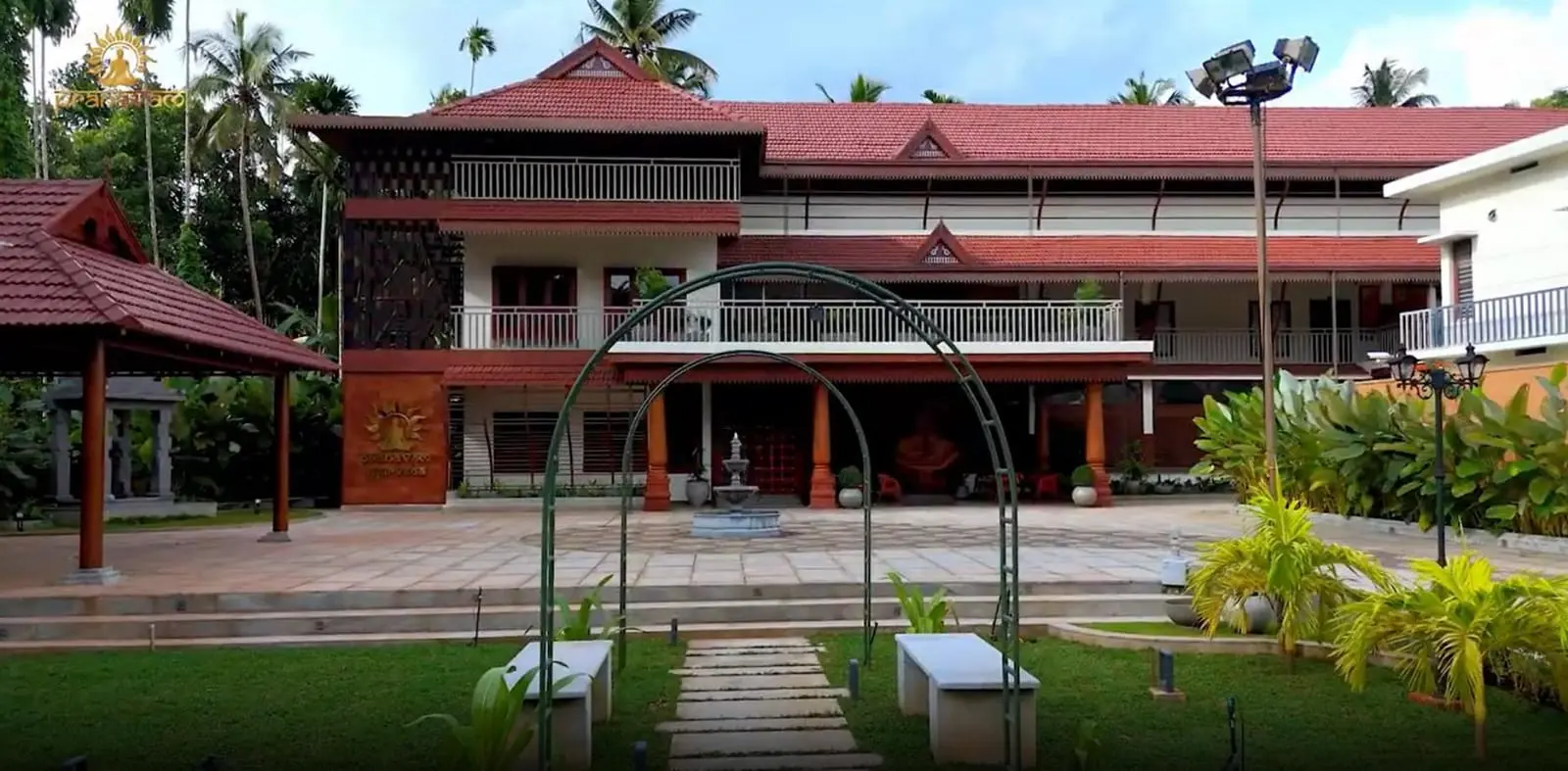
Pranavam Ayurveda Hospital exterior, Kozhikode, Kerala Image 6 — Pranavam Ayurveda Hospital, Kozhikode

Choosing Ayurvedic Treatment for Back Pain in Kerala

Kerala has a long tradition of authentic Ayurvedic practice supported by experienced physicians and structured therapeutic programmes.

When selecting an Ayurvedic centre, consider whether it offers physician consultation before treatment, individualised therapy plans, qualified therapists, quality medicated oils and herbal preparations, proper follow up care, and evidence-based integration with modern diagnosis when necessary.

A personalised treatment plan generally provides better long term outcomes than generic therapy packages.

Frequently Asked Questions

How long does Ayurvedic back pain treatment take to show results?
The response varies depending on the underlying condition, severity of symptoms and overall health. Some individuals notice improvement within the first week, while chronic conditions may require several weeks of physician supervised treatment and follow up care.
Can Ayurveda help with a herniated disc?
Ayurveda may be used as part of the management plan for selected individuals with herniated discs after proper medical evaluation. Treatment depends on symptom severity and should always be guided by a qualified physician.
Is Ayurvedic treatment safe alongside physiotherapy?
In many cases, Ayurveda and physiotherapy can complement one another. The treatment plan should be coordinated with healthcare professionals so that therapies are appropriately timed and suited to the individual's condition.
How is chronic back pain different from acute back pain in Ayurveda?
Acute back pain often focuses on reducing inflammation, muscle spasm and restoring movement. Chronic back pain generally requires a broader approach that includes physician selected therapies, lifestyle modification, dietary guidance and long term management of underlying imbalances.

Begin Your Recovery Journey

Back pain can arise from many different causes, and lasting improvement often depends on understanding those causes rather than simply masking symptoms. Ayurvedic treatment for back pain in Kerala combines physician assessment with therapies such as Kati Basti, Kizhi, Abhyanga and carefully selected Panchakarma procedures. Together with lifestyle guidance and individualised care, these therapies aim to improve mobility, reduce discomfort and support long term spinal health.

Ready to Address Your Back Pain the Ayurvedic Way?

If you have persistent or recurring back pain, consult our experienced physicians, Dr. Sreejith and Dr. Diana Sreejith, to determine whether this approach is right for you and how it fits into your overall treatment plan.

This article is for general educational purposes and does not constitute individual medical advice. Ayurvedic treatment for back pain should only be undertaken following a full consultation and ongoing supervision by a qualified Ayurvedic physician. Treatment outcomes vary by individual. Seek prompt conventional medical evaluation for red-flag symptoms as described above.