Cervical Spondylosis: The Neck
The cervical spine supports the head and houses the nerves that travel to the shoulders, arms and hands. When degeneration affects this region, common symptoms include:

Neck or lower back? Learn how Ayurvedic management of cervical and lumbar spondylosis differs, from Greeva Basti to Kati Basti and Panchakarma.
 Greeva Basti in progress at Pranavam Ayurveda Hospital
Cervical spondylosis affects the neck and can bring stiffness, arm tingling and headaches, while lumbar spondylosis affects the lower back and brings pain, stiffness and leg heaviness. Ayurveda treats both as Vata-related degenerative conditions, but the therapies differ by region: Greeva Basti, Nasya and Pizhichil for the neck, and Kati Basti, Kizhi and Basti for the lower back. Treatment works best alongside imaging and conventional diagnosis, and is planned only after a physician's assessment.
 Spine Regions and Common Symptoms (Infographic)
Spondylosis is not a single disease. It is a general term for age-related, degenerative changes in the spine: discs losing height and moisture, joints wearing down, ligaments thickening and small bony outgrowths forming. These changes are extremely common, and many people have them on a scan without ever feeling pain.
What matters is where the changes occur and what they press on. In the neck (cervical spine), they tend to cause stiffness, headaches and arm symptoms. In the lower back (lumbar spine), they tend to cause back pain and leg symptoms. Because the region differs, the Ayurvedic approach differs too.
The cervical spine supports the head and houses the nerves that travel to the shoulders, arms and hands. When degeneration affects this region, common symptoms include:
Ayurvedic care for cervical spondylosis combines local therapies for the neck with treatments that address the head and the whole body. Three are commonly used, depending on physician assessment.
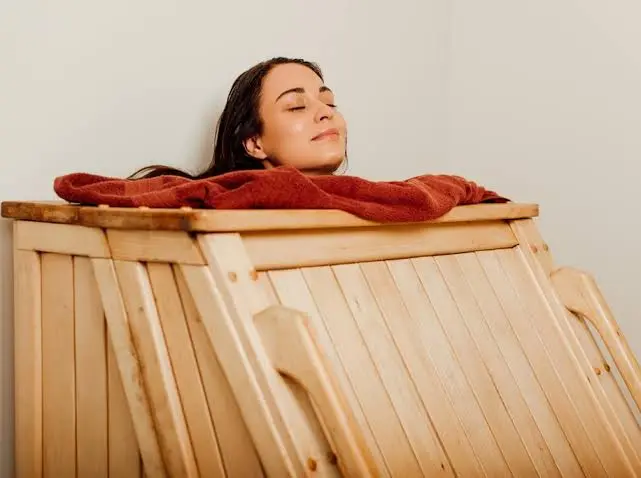 Warm Herbal Therapy for the Neck and Spine
A reservoir of dough is built around the neck and filled with warm medicated oil, which is held in place for a set period. The sustained warmth and oil are intended to ease stiffness, soften tight muscles and improve comfort in the neck and upper back.
Nasya involves administering medicated oil through the nostrils. In Ayurveda, the nose is regarded as the doorway to the head, so Nasya is used for conditions affecting the head, neck and shoulders, including tension-type headaches that accompany neck stiffness.
Warm medicated oil is poured over the body in a rhythmic, continuous manner while gentle massage is performed. Pizhichil is considered particularly useful where Vata-related stiffness and pain extend beyond the neck, though it is only suitable for some individuals and requires a physician's assessment.
The lumbar spine carries most of the body's weight, so it is especially prone to wear. Common symptoms of lumbar spondylosis include:
Ayurvedic management of the lower back follows the same principle of calming Vata, but the therapies are directed to the lumbar region and, where appropriate, to the digestive and colon system, which Ayurveda links closely to Vata.
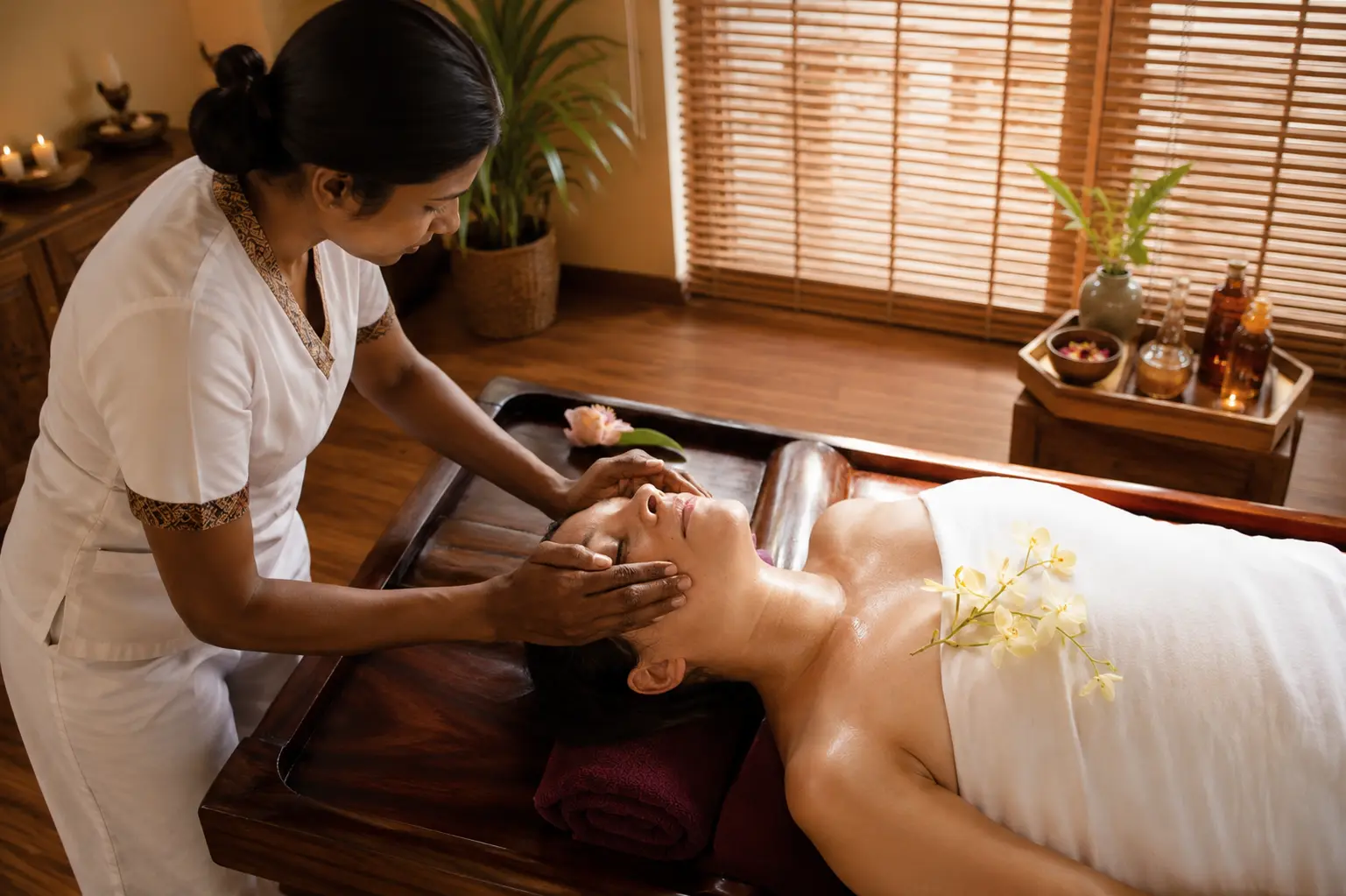 Kati Basti for Lumbar Spondylosis
The lumbar equivalent of Greeva Basti. A dough reservoir is placed over the lower back and filled with warm medicated oil. It is commonly used to relieve stiffness and aching in the lumbar region and to support easier movement.
Bundles of herbs, leaves or powders are heated, often in medicated oil, and applied to the back with gentle pressure. Kizhi is used to ease muscle tightness and joint stiffness, and the type of Kizhi is chosen to suit the individual.
Basti is a medicated enema therapy within Panchakarma and is regarded in Ayurveda as the primary treatment for aggravated Vata. For lumbar spondylosis it is used under physician supervision, in a form and course planned for the individual's strength and condition.
The Classical Perspective
Ayurveda understands degenerative spine conditions through Vata Dosha, the principle governing movement, dryness and lightness. With age, overuse, irregular routines or inadequate nourishment, Vata can become aggravated and settle in the spine, where it is associated with stiffness, pain and reduced mobility.
This is linked to degeneration of the Dhatus, the body's tissues, especially Asthi (bone) and Majja (marrow and nerve tissue). The treatment aim is to pacify Vata and nourish the tissues, using oil-based therapies, warmth, Panchakarma and suitable diet and lifestyle. Because degeneration is long-standing, care is usually gradual rather than instant.
Pain and stiffness relief
Improved mobility
Muscle relaxation
Tissue nourishment
Long-term spine health
Ayurvedic treatment is most responsible when it sits alongside modern diagnosis, not in place of it. X-rays can show disc space narrowing and bony changes, while an MRI shows discs, nerves and the spinal canal in much greater detail. These reports help the physician decide which therapies are appropriate and which should be avoided.
Imaging is especially important if you have arm or leg symptoms, a history of injury, or symptoms that are getting worse. A scan can also reassure you: many findings are age-related changes that do not need surgery. At Pranavam Ayurveda Hospital, existing reports are reviewed during consultation, and coordination with your orthopaedic doctor or neurologist is encouraged where needed.
Therapies relieve symptoms, but daily habits often decide whether they return. Posture guidance is a routine part of spine care, and simple changes can reduce strain on both regions.
Raise your screen
Keep the top of the monitor at eye level so the neck stays neutral.
Support the lower back
Use a chair that supports the natural curve of the lumbar spine.
Take movement breaks
Stand and stretch gently every 30 to 45 minutes of sitting.
Lift correctly
Bend at the knees and hips and keep loads close to the body.
Rethink your phone habit
Bring the phone up to eye level instead of bending the neck down.
Sleep supportively
Use a pillow that keeps the neck in line with the spine, and a firm, even mattress.
Gentle, physician-advised exercise and yoga can strengthen the muscles that support the spine. Exercises should be chosen to suit your condition, as some movements are unsuitable in certain spinal problems.
Most spondylosis is manageable, but some symptoms suggest pressure on the spinal cord or nerve roots and need prompt medical evaluation, not routine therapy.
Seek urgent medical attention if you notice: progressive weakness in an arm or leg, new loss of balance or difficulty walking, increasing numbness, changes in bladder or bowel control, numbness in the groin or inner thighs, or pain following a significant injury. Do not wait for an Ayurvedic programme in these situations.
Cervical and lumbar spondylosis share the same underlying story of Vata and tissue degeneration, but they call for different therapies, precautions and daily habits. The most reliable path is an accurate diagnosis, a physician-planned treatment course and consistent posture care at home. Always consult a qualified Ayurvedic physician, in coordination with your treating doctor, for an individualised plan.
Consult Dr. Sreejith and Dr. Diana Sreejith for a personalised assessment and a physician-guided treatment plan for your neck or lower back.
Related Reading