
Marma Chikitsa: The Ayurvedic Science of Vital Points and Pain Relief

Pain & Musculoskeletal Care · Physician-Led Ayurveda

Marma Chikitsa: The Ayurvedic Science of Vital Points and Pain Relief

Marma Chikitsa works on 107 vital points to ease pain and restore energy flow. Learn how it differs from massage and when physicians use it.

P
Pranavam Ayurveda
• Kozhikode, Kerala
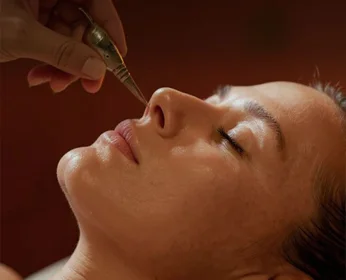
Ayurvedic therapist performing a traditional oil-based head and neck therapy at Pranavam Ayurveda Hospital
Quick Answer

Marma Chikitsa is a classical Ayurvedic therapy that works on the 107 marma points described in the Sushruta Samhita, which are vital sites where muscle, vein, ligament, bone and joint meet and where Prana is believed to be concentrated. Gentle, trained pressure with warm medicated oil is used to ease pain, stiffness and stress. It differs from regular massage in that it targets specific points rather than whole muscle groups, and it should only be performed by a trained therapist under physician guidance.

Ask anyone with long-standing neck or back pain what they have tried, and the list is usually long: pain relief tablets, hot packs, physiotherapy, regular massage. Often the pain eases for a while and then returns. In Ayurveda, persistent pain and stiffness are not looked at only as problems of muscle or joint. They are also considered in relation to the body's vital points, known as marma.

Marma Chikitsa is the branch of Ayurvedic care that works on these points. Practised for centuries in Kerala and closely linked to the region's martial arts and bone-setting traditions, it is a precise therapy that is very different from a general body rub.
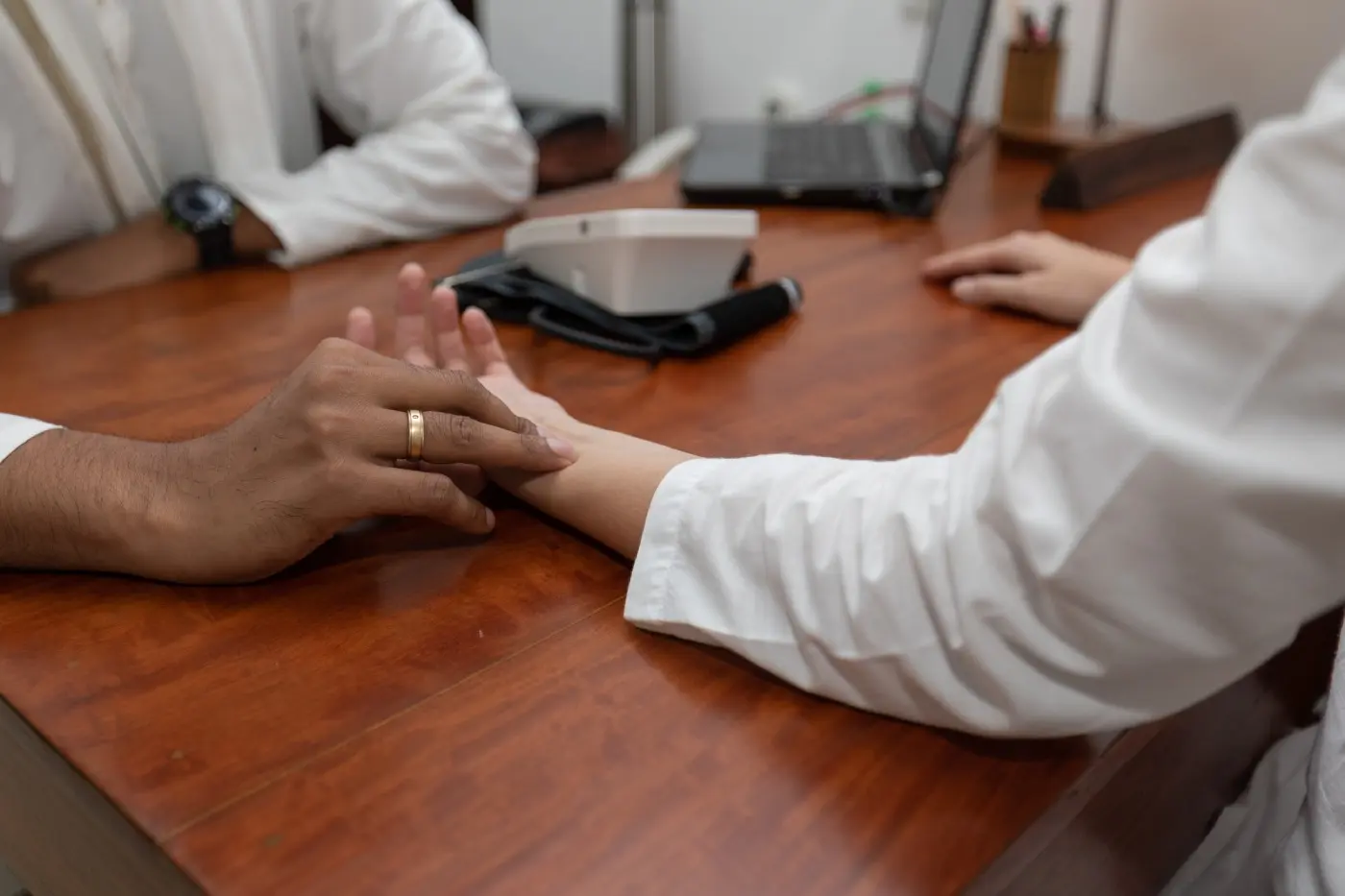
Ayurvedic physician examining a patient to assess pain and identify relevant marma points

Marma in the Classical Texts

The most detailed description of marma comes from the Sushruta Samhita, the classical Ayurvedic text best known for its teachings on surgery and anatomy. Sushruta, writing as a surgeon, was concerned with where the body is most vulnerable. He identified 107 marma points and explained that an injury to these sites could cause severe pain, deformity, loss of function or even death, depending on the point involved.

Marma points are described as sites where mamsa (muscle), sira (vessels), snayu (ligaments), asthi (bone) and sandhi (joints) meet. Because of this meeting of tissues, they are believed to be especially sensitive, and also especially responsive to skilled treatment.

The 107 Marma Points and the Idea of Concentrated Prana

According to Ayurvedic thought, Prana, the vital life force, flows through the body and is concentrated at the marma points. When these points are healthy, movement is comfortable, the mind is settled and energy flows freely. When they are strained by injury, repeated posture stress or emotional tension, pain, stiffness and fatigue can follow.

The 107 points are distributed across the body and grouped in several ways. The classical texts classify them by structure (muscle, vessel, ligament, bone or joint) and by the seriousness of the effect of injury. Practically, they are located across the limbs, the trunk, the back and the head and neck region, with a large share of them in and around the neck and head.

This is why Marma Chikitsa is considered a precise therapy. The therapist is not simply rubbing a painful area. They are working on specific points chosen to influence the region and the person as a whole.

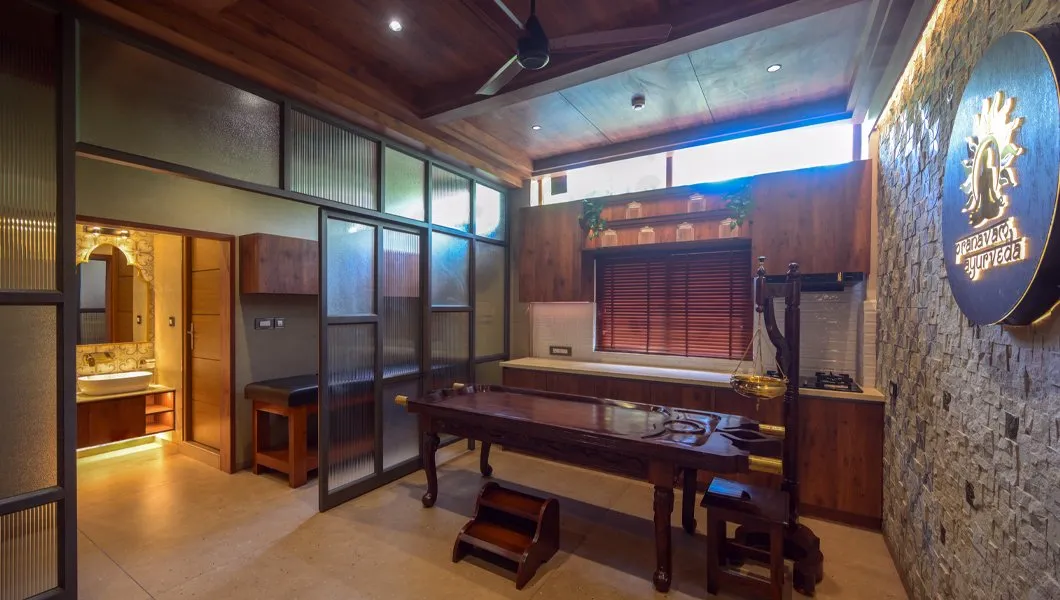
Trained Ayurvedic therapist working on the head and neck region in a clinical treatment room at Pranavam Ayurveda Hospital

How Marma Therapy Differs from Regular Massage and Acupressure

Regular massage works broadly. The aim is to loosen muscles, improve comfort and relax the whole body. Marma therapy is more selective. The therapist identifies particular points, applies controlled pressure or gentle stimulation using medicated oil, and adjusts the technique to the person's condition and tolerance.

The comparison with acupressure comes up often, and it is understandable, since both involve applying pressure to specific points. The two systems, however, come from different traditions with different maps. Acupressure follows the meridian model of traditional Chinese medicine, while marma points are defined by the Ayurvedic understanding of anatomy, Prana and the Doshas. Marma therapy is also usually combined with medicated oils and other Ayurvedic treatments within a physician-planned programme.

Conditions Where Marma Chikitsa Supports Treatment

Marma Chikitsa is generally used as a supportive therapy alongside other Ayurvedic care rather than as a stand-alone cure. Physicians may recommend it for the following.

Neck pain and stiffness
Lower and upper back pain
Joint stiffness
Shoulder tension
Stress and mental fatigue
Poor sleep linked to tension

For neck and back pain in particular, the therapy is often paired with Abhyanga and other treatments, so that the points are addressed alongside the surrounding muscles and joints. Many people also find that the slow, focused nature of the therapy has a calming effect, which is why it is sometimes included for stress-related tension. The response varies from person to person and depends on the underlying cause of the problem.

What a Marma Therapy Session Involves

A session begins with a consultation. The physician reviews your symptoms, the location and nature of the pain, medical history and any previous injuries, and then decides which points are appropriate and how firmly they should be treated.

Assessment

The physician reviews symptoms, medical history and the region of discomfort before choosing points.

Oil Selection

A warm medicated oil, commonly sesame-based or a coconut-based preparation, is chosen to suit your condition and Dosha.

Point Work

The trained therapist applies light to moderate pressure or gentle circular stimulation on the selected marma points.

Closing & Rest

The session usually ends with a short rest and guidance on diet, posture and aftercare.

Pressure is matched to the individual and to the point being treated. It is typically gentle to moderate, and never forceful. Oils are selected by the physician according to the condition and constitution, and some points are worked on very lightly because of their sensitivity. A session often lasts around 30 to 60 minutes, though the plan is individual to each person.

Cautions: Vulnerable Marma Points Demand a Trained Therapist

Because some marma points are classically described as vital, improper pressure on them can be harmful. This is not a therapy to be attempted at home from a chart or a video. It should always be performed by a therapist trained in Marma Chikitsa, under the supervision of an Ayurvedic physician.

Marma therapy may not be suitable for everyone. Caution or avoidance is generally advised in the following situations, and your physician will decide what is appropriate for you.

  • Fever or acute infection
  • Recent fractures, injuries or surgery in the area
  • Pregnancy, unless specifically advised by the physician
  • Skin infections, open wounds or severe inflammation at the site
  • Severe osteoporosis or bleeding disorders, or use of blood-thinning medicines
  • Severe pain with weakness, numbness or other neurological symptoms, which need medical evaluation first

What Physician-Guided Care Aims For

What Can You Realistically Expect?

Marma Chikitsa aims to support comfort and function rather than promise an instant cure. Response depends on the cause of the problem, how long it has been present and how well the wider treatment plan is followed.

Reduced pain and stiffness

Easier movement

Lower stress and tension

Better rest and sleep

Frequently Asked Questions

Is Marma therapy the same as acupressure?
No. Both use pressure on specific points, but they come from different traditions. Marma points are defined by Ayurvedic anatomy, Prana and the Doshas, while acupressure follows the meridian system of traditional Chinese medicine. Marma therapy is also commonly combined with medicated oils and Ayurvedic treatments.
Is Marma therapy painful?
It should not be. Pressure is usually gentle to moderate and is adjusted to your comfort. You may feel mild tenderness on sensitive points, but you should tell the therapist if anything feels uncomfortable so the technique can be changed.
Can Marma therapy be combined with Abhyanga?
Yes. Marma therapy is often combined with Abhyanga, the warm oil massage, so that the points and the surrounding tissues are treated together. Whether and how to combine them is decided by the physician after assessment.
Who is Marma therapy not suitable for?
It may not be suitable during fever or infection, soon after a fracture, injury or surgery, over skin infections or open wounds, or in people with severe osteoporosis or bleeding disorders. Pregnant women should use it only on specific physician advice. Anyone with weakness, numbness or sudden severe pain should seek medical evaluation first.

Begin Your Pain Relief Journey

Marma Chikitsa reflects a very old idea: that certain points in the body hold special importance for comfort, movement and vitality. Used by trained hands, and as part of a plan made by a physician, it can be a valuable support for neck and back pain, joint stiffness and stress.

At Pranavam Ayurveda Hospital, Kozhikode, treatment begins with a careful physician consultation. Marma therapy may be recommended alone or together with therapies such as Abhyanga and Panchakarma, depending on your needs. If you are looking for marma therapy near me, choose a centre where qualified therapists work under physician supervision.

Ready to Ease Your Pain Naturally?

Receive a personalised assessment from our physicians to find out whether Marma Chikitsa is right for you.

This article is for general educational purposes and does not constitute individual medical advice. Marma Chikitsa should only be undertaken following evaluation and under the supervision of a qualified Ayurvedic physician. Symptoms such as sudden severe pain, weakness or numbness need prompt medical assessment, and treatment outcomes vary by individual.