
Virechana (Purgation Therapy) Explained: Benefits for Skin, Liver and Digestion

Panchakarma · Physician-Led Ayurveda

Virechana (Purgation Therapy) Explained: Benefits for Skin, Liver and Digestion

Virechana is Ayurveda's controlled purgation therapy for Pitta disorders. Learn how Virechana treatment works, who it suits, and what the process involves, from Snehapana to the Samsarjana diet.

P
Pranavam Ayurveda
• Kozhikode, Kerala
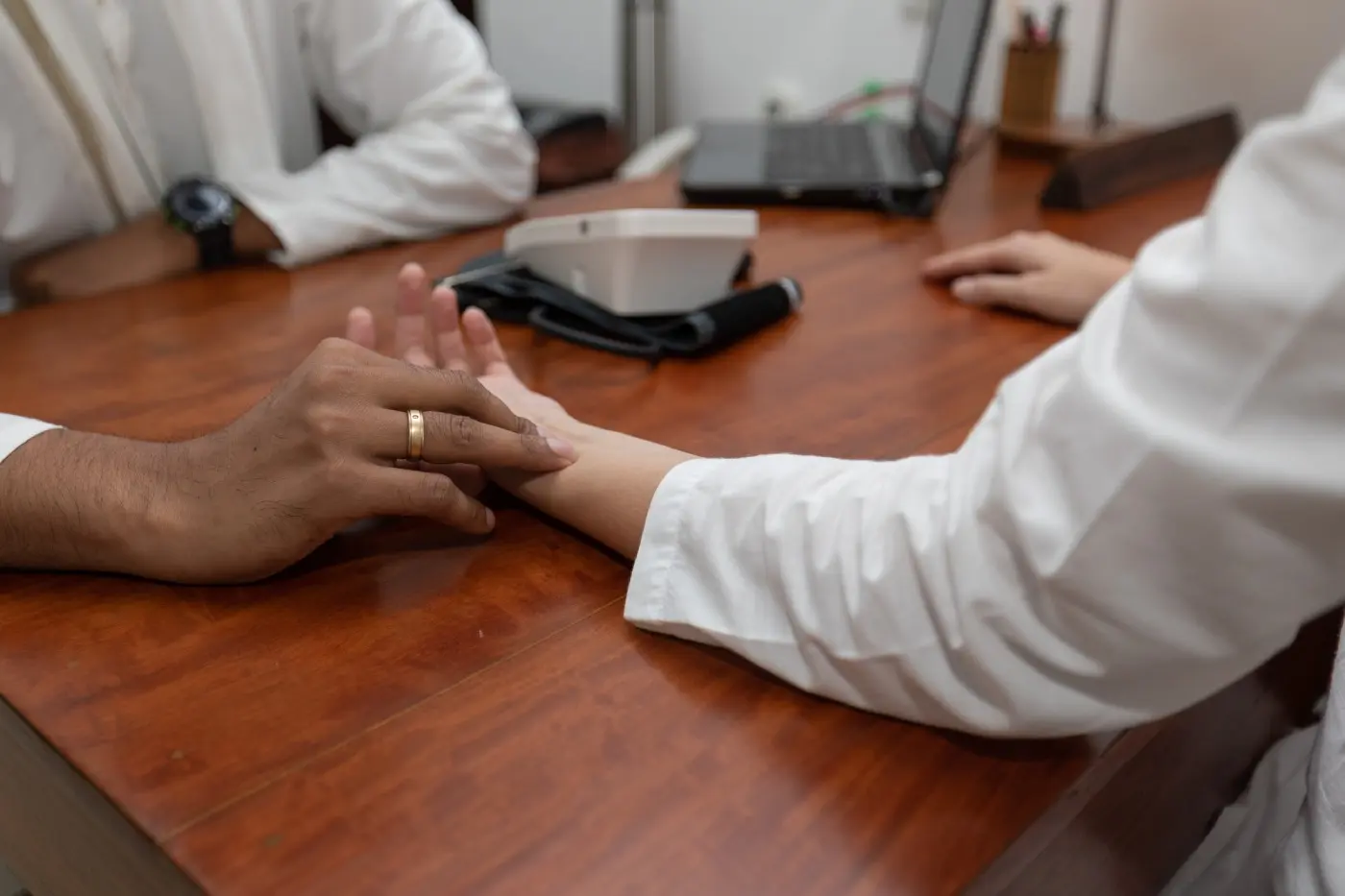
Ayurvedic physician consulting a patient before Virechana treatment at Pranavam Ayurveda Hospital, Kozhikode Physician Consultation Before Virechana
Quick Answer

Virechana is one of the five Panchakarma therapies: a carefully controlled, physician-supervised purgation used to clear excess Pitta from the gut, liver and skin. It is a structured process, not a laxative. It begins with Snehapana (internal oleation), followed by Abhyanga and Swedana, then the purgation day, and finally a gradual Samsarjana diet to rebuild digestion. It is classically used for skin disorders, chronic acidity, constipation and liver-related Pitta imbalance, and it is not suitable for everyone.

Few Ayurvedic therapies are as misunderstood as Virechana. To many people the word simply means "purging," and it is assumed to be little more than a strong laxative taken at home. In reality, Virechana is a structured, multi-stage clinical therapy, and it is among the most commonly prescribed of the five Panchakarma procedures for Pitta-related disorders.

It is also a therapy that should only be done under physician supervision. The medicines, the preparation, the number of days, the monitoring on the day of purgation and the diet afterwards are all decided individually. Done correctly, it is a gentle and carefully paced cleansing. Done casually, it can leave a person dehydrated, weak and worse off than before.
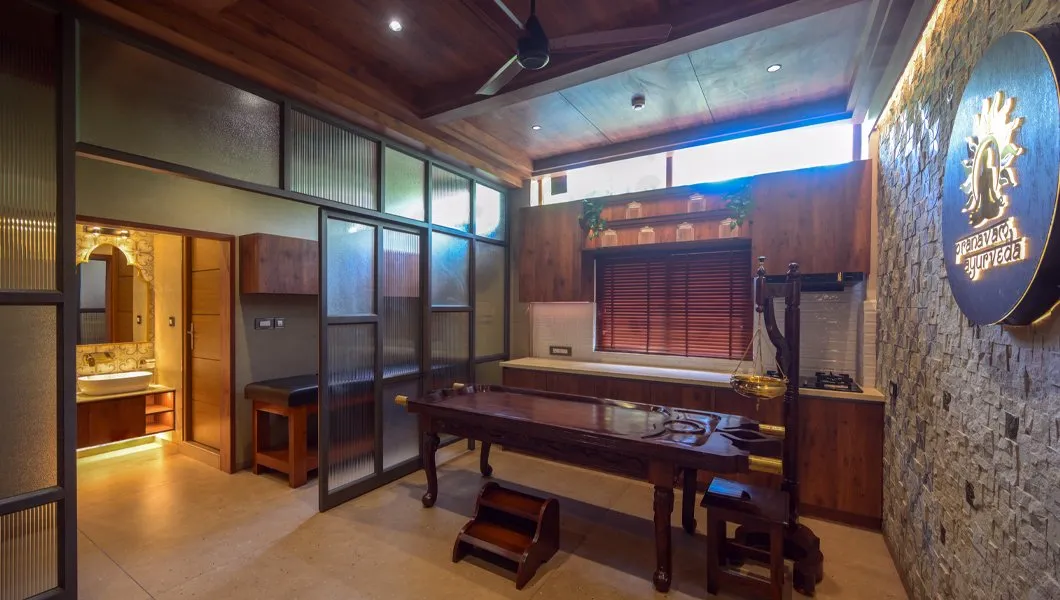
Ayurvedic therapy being performed in a clinical Panchakarma treatment room at Pranavam Ayurveda Hospital Panchakarma Therapy in a Clinical Treatment Room

What Is Virechana?

Virechana is Ayurveda's controlled purgation therapy. Using carefully selected herbal medicines, the physician induces a measured bowel cleansing intended to remove excess Pitta and the accumulated waste associated with it. It is classified as one of the Shodhana (purification) therapies of Panchakarma.

Unlike a single dose of a laxative, Virechana is a programme. The body is first prepared over several days, the purgation itself is supervised from start to finish, and the person is then eased back to normal food in stages. Each step is what makes the therapy purposeful and safe.

Pitta Dosha and the Liver, Gut and Skin Connection

In Ayurveda, Pitta is the Dosha associated with heat, digestion and transformation. Its main seats in the body include the small intestine, the liver and gall bladder, and the blood and skin. When Pitta becomes aggravated, often through spicy, sour or fried food, irregular meals, prolonged heat exposure, stress or disturbed sleep, it can show up in several places at once.

This is why Virechana is traditionally linked with three areas: digestion (acidity, burning sensations, irregular bowels), the liver (sluggish digestion, heaviness after meals) and the skin (inflammatory, itchy or heat-related eruptions). Ayurveda views these as connected rather than separate problems, so a therapy that clears Pitta from the gut and liver is considered to support the skin as well.

Gut: acidity, burning, irregular bowels
Liver: heaviness, sluggish digestion
Skin: itching, redness, eruptions
Ghee (clarified butter), the base of the medicated ghee used for Snehapana in Virechana preparation Ghee: Base of the Medicated Ghee Used in Snehapana

Why Preparation Matters

Ayurveda does not simply flush the body. It first draws excess Pitta and waste toward the gut using internal and external oil therapies, so that the purgation that follows is effective and gentle. The medicated ghee used in this preparation is chosen by the physician according to the person's constitution and condition.

Skipping preparation is one of the main reasons self-directed "purges" feel harsh and bring little lasting benefit.

The Virechana Process, Step by Step

At a glance, the programme moves through four stages. The exact number of days at each stage depends on the physician's assessment of the individual, including digestion, strength and the condition being treated.

Stage 1 · Snehapana

Internal oleation with medicated ghee in gradually increasing doses.

Stage 2 · Abhyanga + Swedana

Full-body oil massage followed by gentle steam sweating.

Stage 3 · Purgation Day

A physician-selected herbal purgative, with close supervision.

Stage 4 · Samsarjana

A graded diet that rebuilds digestive strength step by step.

1. Snehapana (Internal Oleation)

Preparation

The programme begins with Snehapana, in which the person takes medicated ghee in the dose and for the number of days the physician decides. The dose is usually increased gradually. Its purpose is to loosen and carry excess Pitta and waste from the tissues toward the digestive tract. During this stage the physician monitors appetite, digestion and the signs that the body is adequately oleated.

2. Abhyanga and Swedana

External preparation

Once internal oleation is complete, the person receives a full-body Abhyanga (therapeutic oil massage) followed by Swedana (gentle, supervised steam sweating). Together they soften and mobilise the loosened waste so that it moves toward the gut. This stage is usually done over a short period just before the purgation day, with rest and light food in between.

3. Purgation Day

Main procedure

On the main day, the physician gives a herbal purgative chosen for the individual. The person rests while the bowel clears over several hours, with the therapy team observing frequency of motions, hydration, energy and comfort. Rest, warm water and attentive monitoring are an essential part of the process, and the physician decides when the purgation is sufficient.

4. Samsarjana (Graded Diet)

Recovery

After purgation, digestion is temporarily weak, so food is reintroduced gradually. Samsarjana begins with thin rice gruel and light, easily digested preparations, and moves step by step towards a normal diet over several days. This stage is not optional: it is what stabilises the benefits of the therapy and protects the digestive system.

Conditions Where Virechana Is Classically Used

In classical Ayurveda, Virechana is described for conditions in which Pitta is considered the leading factor. A physician may consider it for the following, depending on the individual's overall assessment.

Skin disorders
Chronic acidity
Constipation
Liver-related Pitta imbalance

Skin conditions that are itchy, red or inflamed are among the most common reasons people seek Virechana. Chronic acidity with burning sensations, and constipation linked to a Pitta-dominant gut, are also frequently assessed for this therapy. Not everyone with these complaints needs Virechana, and many are better managed with other treatments. That decision belongs to the physician after a full consultation.

Who Should Not Do Virechana

Because Virechana is a strong cleansing therapy, certain people should avoid it or only undergo it after specific medical clearance. The list below is general and is not exhaustive, so always disclose your complete medical history to the physician.

Pregnancy
Severe weakness or exhaustion
Acute illness or fever
Certain digestive conditions

"Certain digestive conditions" includes active diarrhoea, bleeding from the gut and some inflammatory bowel conditions, which is why a proper evaluation always comes first. If you are recovering from an illness, are very run down, or are unsure, tell the physician before any preparation begins.

Why Self-Medicating With Laxatives Is Not Virechana

Taking an over-the-counter laxative, or a strong herbal purgative bought online, does not amount to Virechana. A laxative produces a bowel movement. Virechana is a complete process in which the body is prepared before purgation, the purgation is supervised, and digestion is rebuilt afterwards.

Without that preparation and monitoring, a self-directed purge can cause dehydration, loss of electrolytes, severe weakness and irritation of the gut. It may also mask a condition that needs a proper diagnosis. If you feel that a cleanse might help you, the safe next step is a consultation, not a pharmacy shelf.

What Physician-Guided Care Aims For

Virechana Benefits: What to Realistically Expect

When Virechana is suitable and properly done, the aim is to support the following. Individual response depends on the condition, overall health and how well the post-therapy diet and lifestyle advice are followed.

Calmer Pitta-related digestion, with less acidity and burning

Support for liver and gut function

Support for skin health in Pitta-type conditions

More regular bowel habits

Frequently Asked Questions

Is Virechana painful?
Virechana is not meant to be painful. Most people feel tired and notice a sense of lightness once the process is complete. Some experience mild abdominal discomfort or cramping during the purgation. Because the physician monitors you throughout, any discomfort can be addressed straight away.
How many motions are normal on the day?
There is no single number. The count varies according to the individual and the physician's assessment, and Ayurveda classifies the response as mild, moderate or strong. The therapist counts and observes the motions, and the physician decides when the purgation has been adequate. A person should never try to judge or force this at home.
How is Virechana different from a laxative?
A laxative simply produces a bowel movement. Virechana is a structured therapy that includes preparation with medicated ghee, oil massage and steam, a supervised purgation, and a graded diet afterwards. It is designed around the individual's constitution and condition, which a laxative is not.
How often can it be repeated?
It depends on the individual and the reason for treatment. Because it is a demanding therapy, it is not repeated frequently or without reason. The physician decides whether and when a repeat course is appropriate, based on your response and overall health.

Begin With a Proper Consultation

Virechana is a precise, physician-led therapy that works through preparation, controlled purgation and careful recovery. When it is suited to the person, it can support digestion, the liver and the skin. When it is not, it can do harm, which is why the first step is always an assessment rather than a procedure.

If you are considering Virechana therapy in Kerala, choose a centre that begins with a detailed physician consultation, explains each stage clearly and monitors you throughout. Virechana is one of several Panchakarma therapies, and our Panchakarma team can help you understand whether it fits your condition.

Wondering If Virechana Is Right for You?

Receive a personalised assessment from our physicians to understand your Pitta pattern and whether a physician-guided Virechana programme is suitable.

This article is for general educational purposes and does not constitute individual medical advice. Virechana should only be undertaken following a full evaluation and under the ongoing supervision of a qualified Ayurvedic physician. Do not attempt purgation at home. Outcomes vary by individual.