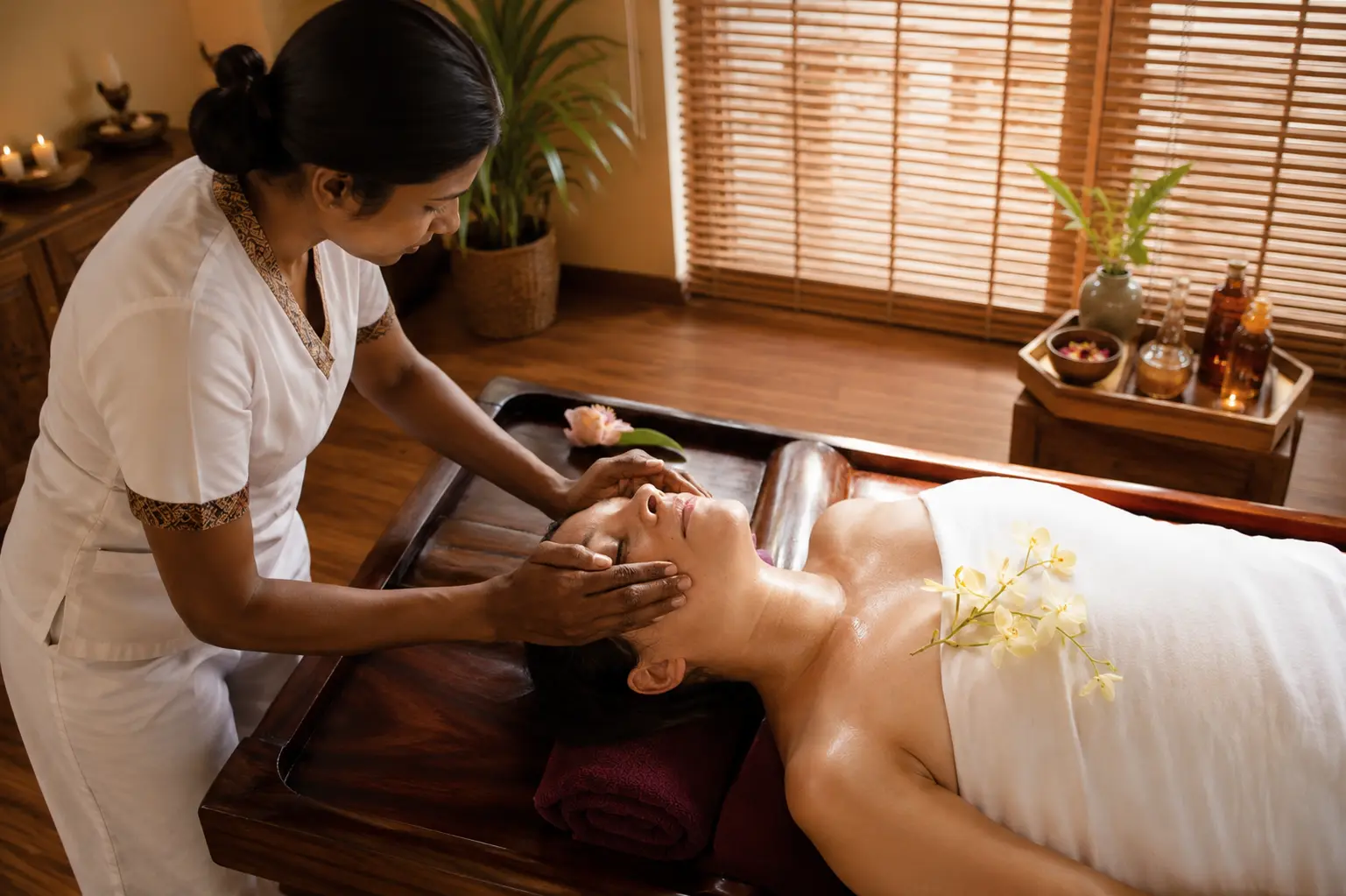
Basti Therapy: The Ayurvedic Enema for Spine, Joint and Nervous System Health

Panchakarma · Vata Care · Authentic Kerala Ayurveda

Basti Therapy: The Ayurvedic Enema for Spine, Joint and Nervous System Health

Basti is called the "half of all Ayurvedic treatment" for Vata disorders. Here is how Anuvasana and Niruha Basti work for spine, joint and nerve conditions.

P
Pranavam Ayurveda
• Kozhikode, Kerala
Medicated Ayurvedic oils prepared for Basti therapy at Pranavam Ayurveda Hospital Medicated oils prepared for Basti therapy
Quick Answer

Basti is the Panchakarma therapy in which medicated oil or herbal decoction is introduced through the rectum to pacify Vata Dosha, which Ayurveda associates with the colon, spine, joints and nervous system. The two main forms are Anuvasana Basti (oil-based) and Niruha Basti (decoction-based), usually given as a physician-planned course of 8, 16 or 30 days. It is classically used for low back pain, sciatica, arthritis, constipation and Vata-type neurological conditions, and should only be done after a physician's assessment.

Among the five Panchakarma therapies, Basti holds a special place. Classical Ayurvedic texts describe it as ardha chikitsa, "half of all treatment", because it acts directly on Vata, the dosha considered responsible for most movement-related and degenerative disorders in the body.

Because Vata governs the spine, joints and nervous system, Basti is one of the most frequently prescribed therapies in Kerala Ayurveda hospitals for chronic back pain, sciatica, arthritis and nerve-related complaints. At Pranavam Ayurveda Hospital in Kozhikode, Basti is always prescribed after a detailed physician consultation and never as a standard package.


Ayurvedic physician explaining the Basti treatment protocol to a patient Physician explaining the Basti protocol

Basti and the Vata Connection

In Ayurveda, the colon (pakvashaya) is regarded as the principal seat of Vata. Vata is the force behind movement, nerve impulses, elimination and the flexibility of joints and the spine.

When Vata becomes aggravated through ageing, irregular routines, long sitting, stress, cold exposure or injury, it is associated with pain, stiffness, dryness, tremor, constipation and weakness. Since the colon is the root site of Vata, treating it through Basti is considered the most direct way to calm the dosha. Medicated preparations are introduced into the colon, where, according to Ayurvedic principles, their effect extends to the whole body.

Two Main Types: Anuvasana and Niruha Basti

Basti is broadly divided into two forms. They are often given alternately within one course, because the oil-based and decoction-based types complement each other.

Anuvasana Basti (Oil Basti)

Medicated oilNourishingRetained longer

Anuvasana uses a small quantity of medicated oil, commonly prepared with herbs chosen for the individual's condition. The oil is retained in the colon for a longer time and is considered nourishing and lubricating, which is why it is valued for dryness, stiffness and pain of Vata origin. It is usually given after a light meal.

Niruha Basti / Kashaya Basti (Decoction Basti)

Herbal decoctionCleansingExpelled after a short time

Niruha, also called Kashaya Basti, uses a larger volume of herbal decoction mixed with honey, rock salt, oil and herbal paste. It is retained for a shorter period and then expelled, carrying away accumulated waste and aggravated Vata. It is considered cleansing and is usually given on an empty or lightly fed stomach.

FeatureAnuvasana BastiNiruha (Kashaya) Basti
Main mediumMedicated oilHerbal decoction with honey, salt, oil and paste
QuantitySmallLarger
RetentionRetained longerExpelled after a short time
Primary actionNourishing, lubricatingCleansing, eliminating
Usual timingAfter a light mealEmpty or lightly fed stomach

Simple Course Planning

Kala, Karma and Yoga Basti: The Schedules Explained

Classical texts describe three standard course lengths, which combine Anuvasana and Niruha Basti in a set pattern. The physician chooses the course based on the condition, the patient's strength and how long the problem has been present.

Kala Basti: 30 days

The longest course, with 15 Anuvasana and 15 Niruha Basti given alternately. Traditionally used for chronic or deep-seated conditions in patients with good strength.

Karma Basti: 16 days

A medium course of 10 Anuvasana and 6 Niruha Basti, beginning and ending with Anuvasana. A common choice for many spine and joint conditions.

Yoga Basti: 8 days

The shortest course, with 5 Anuvasana and 3 Niruha Basti. Often chosen for milder or more recent complaints, or where strength is limited.

These numbers are the classical frameworks. In practice, the physician may adjust the number of days, the medicines and the gap between sessions after reviewing how your body responds.

Ayurvedic physician assessing a patient with spine and joint pain before Basti Physician assessment before Basti

Conditions Basti Is Classically Used For

Basti is traditionally indicated mainly for disorders in which Vata is the dominant factor. Whether it is suitable for you depends on your individual assessment.

For many of these conditions, Basti is combined with other Panchakarma and supportive therapies such as Abhyanga and Swedana. Outcomes vary from person to person, and Ayurvedic treatment does not replace urgent medical care.

Low back pain
Sciatica
Arthritis and joint stiffness
Chronic constipation
Neurological Vata disorders
Cervical and lumbar spondylosis

What a Basti Session Feels Like: Preparation and Aftercare

Basti is performed in a clinical setting by trained therapists under physician supervision. Most patients find it less uncomfortable than they expect.

Herbal steam therapy given as preparation before Basti treatment Preparation therapies before Basti

Preparation

Before the session

The physician reviews your digestion, strength and bowel habits. Preparatory therapies such as medicated oil massage (Abhyanga) and herbal steam (Swedana) are often given first. You will be advised on the correct meal timing for the type of Basti planned.

During the Session

Short and supervised

You lie on your left side while the prepared medicine is gently introduced. The procedure itself is brief. You may feel a sense of fullness and an urge to evacuate, which is normal. The medicine is then retained or expelled depending on the type of Basti.

Aftercare

After the session

Rest, warm light food and avoiding cold drinks, cold exposure, heavy exertion and long travel are generally advised during the course. Your physician will give a diet and routine plan, and will review you through the course.

Physician Guidance Required

Safety: Who Should Avoid Basti

Basti is not suitable for everyone, and it should never be started without assessment. Contraindications depend on the type of Basti and the individual, so the list below is a general guide and not a substitute for consultation.

Basti is generally avoided or modified in the following situations:

Pregnancy
Acute fever or active infection
Severe diarrhoea or dysentery
Rectal bleeding or acute anorectal conditions
Severe weakness or exhaustion
Recent abdominal or rectal surgery
Very young children and frail elderly patients without specific guidance

Always inform your physician about existing medical conditions, current medicines and any previous surgeries. Persistent weakness, new numbness, loss of bladder or bowel control or severe unexplained pain need prompt medical evaluation and should not wait for Ayurvedic treatment.

Frequently Asked Questions

Is Basti the same as a modern enema?
No. A modern enema is mainly used to clear the bowel. Basti is a physician-prescribed therapeutic procedure that uses medicated oils and herbal decoctions chosen for the individual and given as a planned course, with preparation and diet guidance. Its aim is to pacify Vata and support the spine, joints and nervous system.
Is Basti uncomfortable?
Most patients tolerate it well. You may feel mild fullness or an urge to pass the medicine, particularly during Niruha Basti, but the procedure is brief and should not be painful. Tell your therapist immediately if you feel pain or significant discomfort.
How many sessions are typically needed?
It depends on the condition and the individual. Classical courses run for 8 days (Yoga Basti), 16 days (Karma Basti) or 30 days (Kala Basti), and your physician will decide the course after assessment and may adjust it as you respond.
Can Basti be done at home?
It is not recommended. Basti requires correct medicine selection, dosage, timing, patient positioning and monitoring, and the right preparation and aftercare. It should be performed only by trained professionals under a qualified Ayurvedic physician, in a clinical setting.

Begin Your Basti Consultation

Basti is among the most respected therapies in Panchakarma for Vata-related spine, joint and nerve conditions, but its value depends on correct selection and supervision. A personalised assessment will tell you whether Basti is right for you and which course suits your condition. To understand the wider programme, read our guide to Panchakarma treatment in Kerala.

Ready to Find Out if Basti Is Right for You?

Consult Dr. Sreejith and Dr. Diana Sreejith for a personalised assessment and a physician-guided Basti plan designed around your condition.

This article is for general educational purposes and does not constitute individual medical advice. Basti therapy should only be undertaken after a full consultation and under ongoing supervision by a qualified Ayurvedic physician. Seek prompt medical evaluation for severe or worsening pain, progressive weakness, numbness, or loss of bladder or bowel control. Treatment outcomes vary by individual.