
Planning Panchakarma After Childbirth: A Realistic Recovery Timeline for New Mothers

Planning Panchakarma After Childbirth: A Realistic Recovery Timeline for New Mothers
When can new mothers start Panchakarma? A realistic timeline from Prasava Raksha in the first weeks to deeper therapies months later.
Postnatal Panchakarma isn't something to rush into after delivery. In Ayurveda, the first weeks are about gentle rest and rebuilding. Deeper cleansing therapies come later, and only when a physician decides the body is ready.
Why Timing Matters
Most new mothers are told what to do for the baby and very little about what to do for themselves. In Ayurveda, the period after delivery is treated as a distinct phase of recovery, and the question is rarely "which therapy?" but "when?"
Childbirth is physically demanding. The body has lost blood and fluids, the digestive fire (Agni) is often weak, joints and the lower back have been under strain, and sleep is broken. Ayurvedic postpartum recovery is built around the idea that the body needs to be supported before it can be cleansed. This is why postnatal Panchakarma, or Panchakarma after delivery, is never one fixed package started on a convenient date. It is a sequence, and the starting point depends on how you delivered, how you are healing, and whether you are breastfeeding.

A Realistic Recovery Timeline
The timeline below describes the general pattern followed in postnatal Ayurvedic care. Your own schedule will be set by your physician after assessment.
Weeks 0–6 · Prasava Raksha
Rest, Warmth and Gentle Care
The first six weeks are about protection and recovery, not detox. Prasava Raksha is the postnatal care approach built for this window, and its focus is deliberately gentle.
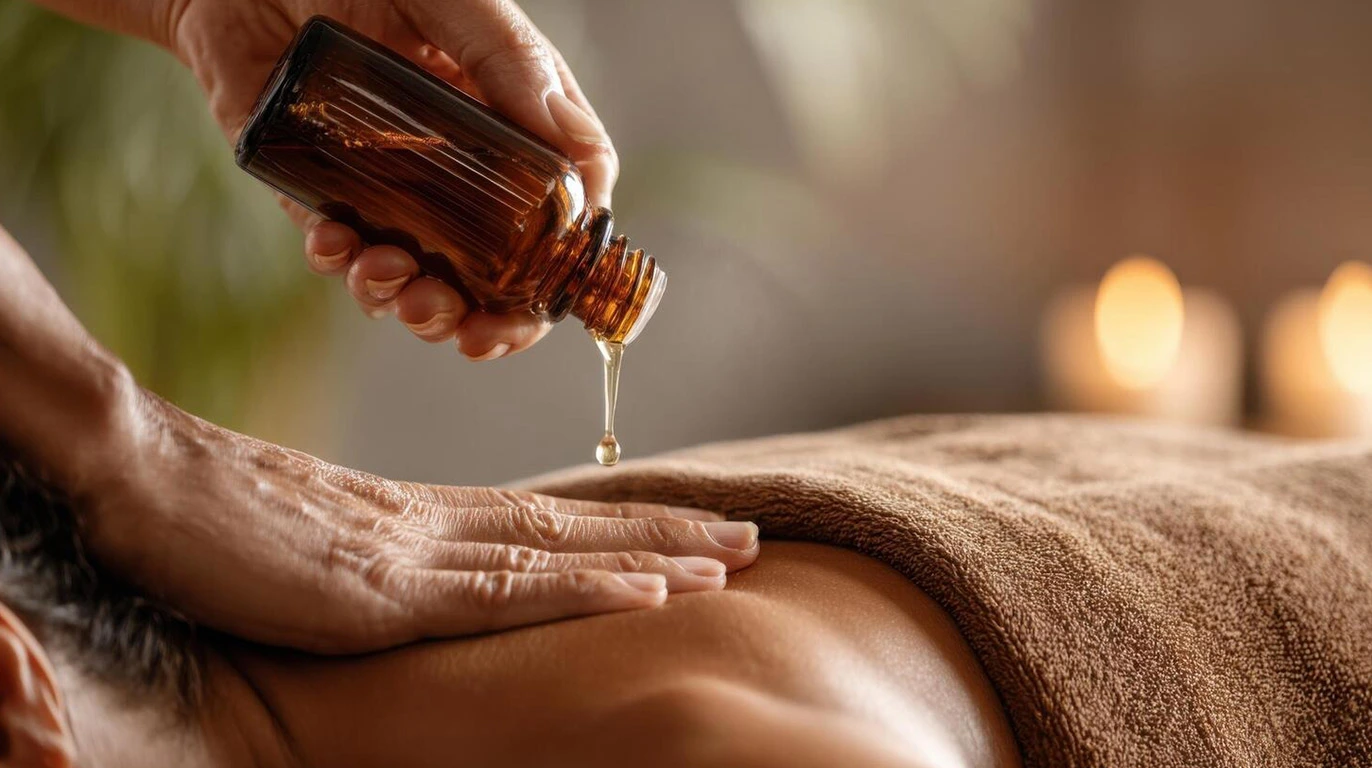
Gentle Abhyanga: light massage with warm, physician-selected medicated oil to ease muscle tiredness, support circulation and help with rest. Pressure is kept soft, and the abdomen is handled with particular care.
Warm, easily digested diet: freshly cooked, warm, lightly spiced meals that are easy on a weakened Agni. Cold, raw and heavy foods are generally avoided in this phase.
Rest: enough sleep, a warm environment and help with household work. Rest is part of the treatment, not a gap in it.
No cleansing procedure such as Vamana, Virechana or Basti is part of this stage. The aim is to rebuild strength, not to remove anything from the body.
Weeks 6–12 · Review and Gradual Therapies
Physician Review, Then Slow Progression
Around the six-week mark, a physician reviews how you are recovering: energy, appetite, digestion, sleep, wound or perineal healing, back and joint comfort, and mood. Based on that review, therapies are introduced gradually rather than all at once.
This is also the phase where back and joint care usually gets attention. Many mothers carry lower-back and joint discomfort from pregnancy, labour and the physical demands of feeding and carrying a newborn. Gentle external therapies and posture-friendly routines may be used here, always matched to how the body is responding.
Months 3–6 · Deeper Panchakarma
When Deeper Therapies May Be Considered
Only after the body has regained strength, and only if the physician considers it appropriate, deeper Panchakarma may be discussed. Whether it is needed at all, which procedure is suitable, and how mild or intensive it should be are physician decisions. Some mothers recover well with supportive care alone and never need a cleansing procedure.
The timing in this window is not fixed. It shifts with the type of delivery, how well you are healing, your energy levels and whether you are still breastfeeding.
Normal Delivery vs C-Section: How the Timeline Differs
The type of delivery changes how cautiously therapies are introduced. These are general differences, and the physician will advise on your specific case.
01
After a Normal Delivery
Gentle Abhyanga and supportive care can generally begin earlier, provided there is no complication. Perineal healing, blood loss and general recovery are reviewed before therapies are stepped up.
02
After a C-Section
A C-section is major abdominal surgery, so the approach is more conservative. Massage near the abdomen and any procedure involving abdominal pressure or internal cleansing are held back until the wound has healed and the treating obstetrician and Ayurvedic physician are both satisfied. The timeline is usually longer.
Postnatal Recovery Timeline at a Glance
A quick summary of what is generally focused on at each point. It is a guide to the pattern of care, not a schedule you must follow.
Weeks 0–6
Prasava Raksha: gentle Abhyanga, warm and easily digested food, plenty of rest. No cleansing procedures.
Weeks 6–12
Physician review of healing, energy and digestion. Gradual therapies and back and joint care as the body allows.
Months 3–6
Deeper Panchakarma considered only if the physician judges it suitable, with extra caution after a C-section.
Beyond
Ongoing diet, routine and rest guidance to sustain recovery, with follow-up as advised.
These are general patterns, not a fixed timeline. Recovery varies with the type of delivery, individual health, breastfeeding and the physician's assessment.
Breastfeeding Considerations
Many new mothers worry about whether Ayurvedic treatment is compatible with breastfeeding, and the concern is reasonable. Anything taken internally or applied to the body can matter when you are feeding a newborn.
- Tell your physician at the very first consultation that you are breastfeeding, and how old your baby is.
- Medicines, oils and procedures are chosen with breastfeeding in mind. Stronger internal cleansing procedures are approached with particular caution during this period, and the physician decides what is appropriate.
- Do not start herbal preparations on your own because a friend or relative recommends them. Dosage and suitability depend on you and your baby.
- Report any change in your baby's feeding, stools or settling, or in your own milk supply, to the physician and your paediatrician promptly.
The takeaway: The first weeks after childbirth are for rest, warmth and gentle care. Deeper Panchakarma, if it is needed at all, comes later, and only on a physician's decision.
Diet and Mental-Wellbeing Support
Recovery is not only about therapies. What you eat and how you feel matter just as much, and Ayurvedic postnatal care pays attention to both.
Freshly prepared, lightly spiced food that is easy to digest, eaten at regular times rather than skipped or delayed.
Warm fluids and nourishing meals, adjusted by the physician to your appetite, digestion and breastfeeding needs.
Protected rest whenever the baby sleeps, and help from family so that rest is realistic rather than theoretical.
Mood changes in the weeks after birth are common. Talk to your physician about how you feel, and let family know what you need.
If low mood, anxiety or tearfulness is intense or does not ease, please speak to your doctor or obstetrician promptly. Ayurvedic support can sit alongside medical care, but it does not replace it.
What to Avoid Doing Too Early
Enthusiasm for recovery is understandable, but several well-meant steps can set recovery back when taken too soon:
- Starting Vamana, Virechana or Basti in the early weeks, before strength has returned and a physician has cleared it.
- Deep or forceful massage, especially around the abdomen and any surgical wound or stitches.
- Strict dieting or fasting to lose pregnancy weight quickly, which can weaken digestion and milk supply.
- Strenuous exercise, heavy lifting or long travel before the body has recovered.
- Taking herbal preparations without advice while breastfeeding.
- Ignoring warning signs such as heavy bleeding, fever, severe pain, wound problems or persistent low mood. These need prompt medical attention.
How Pranavam Approaches Postnatal Care
At Pranavam Ayurveda Hospital in Kozhikode, postnatal care begins with a physician consultation, not a fixed package. The Prasava Raksha postnatal package is the starting point for the early weeks, with gentle therapies and diet guidance tailored to each mother.
Where a mother later needs a more detailed approach, the physician reviews her recovery before any further therapy is planned. If you would like to understand how the stages of Panchakarma work in general, our guide on what happens during Panchakarma, stage by stage explains the sequence.
Frequently Asked Questions
How soon after delivery can I start Ayurvedic treatment?
Is Panchakarma safe while breastfeeding?
Can it help with postpartum back pain?
Does a C-section change the timeline?
Planning Your Postnatal Recovery?
Every mother's recovery is different. Speak to a Pranavam physician about the right timing, the right therapies and what suits your delivery and your baby.
Book a ConsultationRelated Reading