What Is Panchakarma? A Complete Guide to Kerala's Classical Ayurvedic Detox
Classical Ayurvedic Detox · Authentic Kerala Panchakarma

What Is Panchakarma? A Complete Guide to Kerala's Classical Ayurvedic Detox

A physician-led guide from Pranavam Ayurveda Hospital explaining what Panchakarma really involves, the five classical procedures, Purvakarma preparation, who it suits, and how an individualised, hospital-supervised programme is structured from consultation to recovery.

P
Pranavam Ayurveda Team
• Kozhikode, Kerala
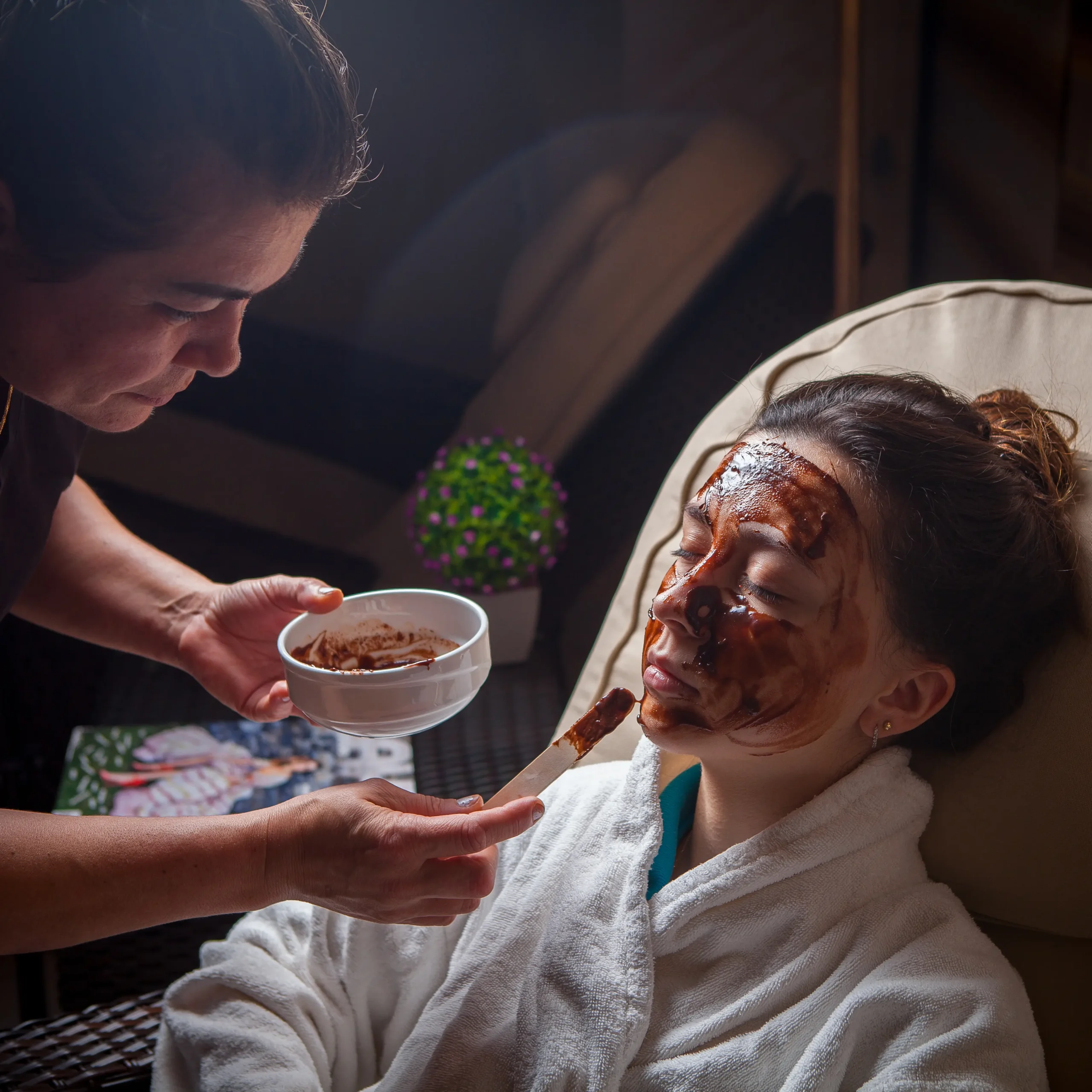
Physician-led Panchakarma consultation at Pranavam Ayurveda Hospital, Kozhikode Image 1 — Physician-Led Panchakarma at Pranavam Ayurveda Hospital
Quick Answer

Panchakarma is a classical Ayurvedic therapeutic programme built around preparatory, cleansing, and recovery procedures supervised by an Ayurvedic physician. It is not a fixed package of five identical therapies for everyone, the treatments selected depend on your health condition, digestive strength, constitution, age, symptoms and overall physical strength. At Pranavam Ayurveda Hospital, every Panchakarma programme begins with a physician assessment and is built around the individual, not a predetermined itinerary.

The Sanskrit word Pancha means five, while Karma means action or procedure. Panchakarma therefore refers to a group of major therapeutic procedures described in classical Ayurveda.

Panchakarma is often described online as a detox, cleanse, or wellness programme. In classical Ayurveda, it is more structured than that. It is not simply a massage package, a few days of herbal treatments, or the same five therapies given to every person.

The treatment plan depends on the individual. An Ayurvedic physician considers factors such as your health condition, digestive strength, constitution, age, symptoms, and overall physical strength before deciding which therapies are appropriate. This is why two people staying at the same Ayurvedic hospital may follow very different Panchakarma programmes.
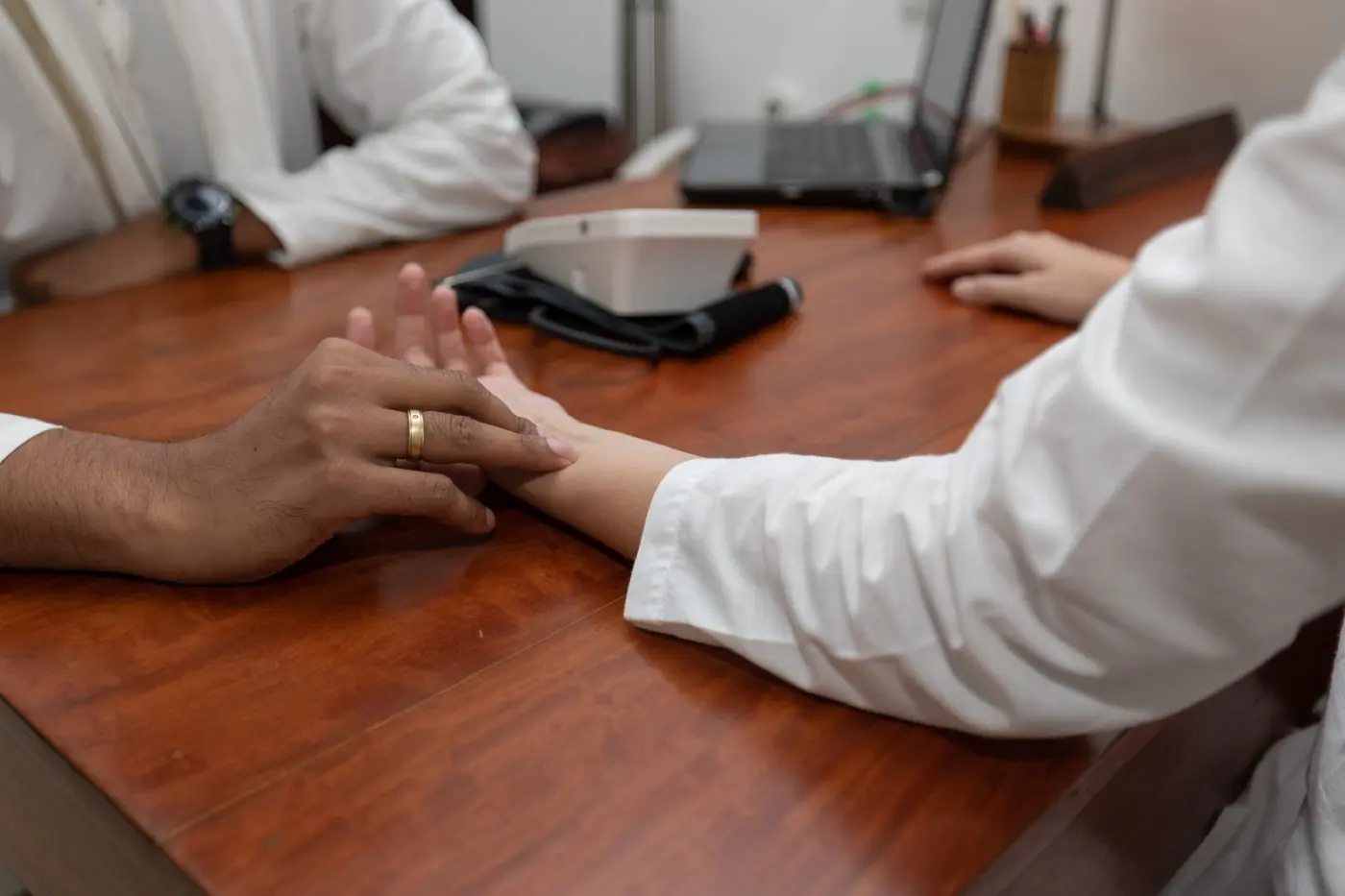
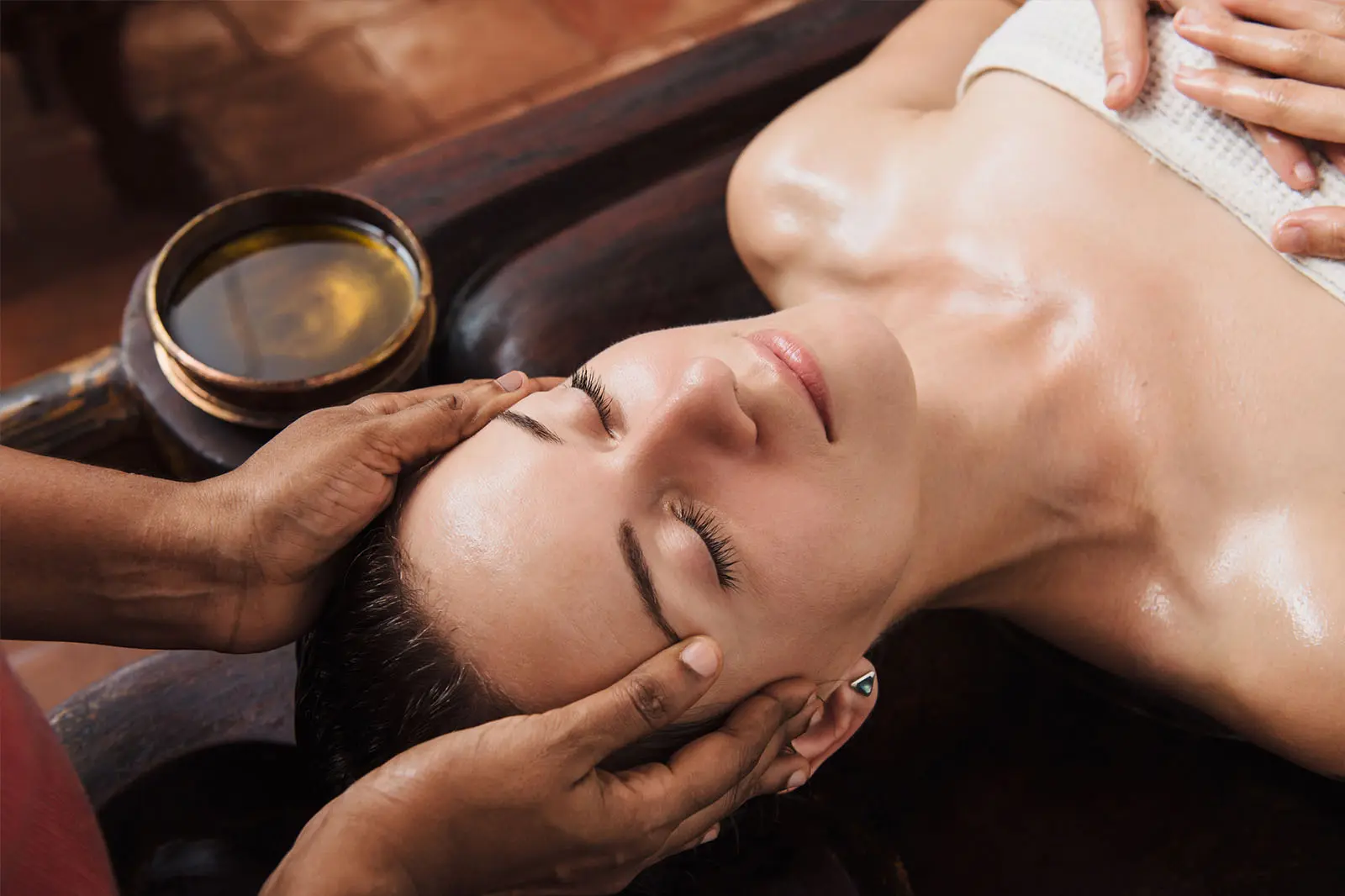
Physician-led Panchakarma assessment at Pranavam Ayurveda Hospital Image 2 — Physician-Led Panchakarma Assessment at Pranavam Ayurveda Hospital

What a Physician Assesses Before Any Procedure

Before any Panchakarma procedure is selected, your physician carries out a detailed evaluation. This assessment, not a fixed treatment menu, determines what your programme will actually include.

Current health condition and symptoms
Digestive strength (Agni)
Individual constitution (Prakriti)
Age and overall physical strength
Medical history and previous treatments
Current medications and supplements
Season and timing of treatment
Treatment goals — preventive or therapeutic

The Five Classical Procedures of Panchakarma

The five commonly discussed procedures are Vamana, Virechana, Basti, Nasya, and Raktamokshana. Classical Ayurvedic traditions do not always classify the fifth procedure in exactly the same way, some descriptions distinguish different forms of Basti, while other traditions include Raktamokshana.

More importantly, Panchakarma should not be understood as a checklist where every patient must undergo all five procedures. A physician selects treatments according to the individual's condition and clinical requirements. A complete programme also includes preparation beforehand and a carefully managed recovery period afterwards.

Classical Panchakarma procedures at Pranavam Ayurveda Hospital Image 3 — The Five Classical Panchakarma Procedures

Vamana

Therapeutic emesis

Controlled, clinically supervised emesis traditionally associated with conditions involving aggravated Kapha. It is not the same as ordinary vomiting caused by illness, and is only performed after appropriate preparation and assessment of age, strength, digestion and overall health.

Virechana

Controlled purgation

Therapeutic purgation traditionally associated with the management of aggravated Pitta. Specific medicines are selected by the physician, with preparation beforehand and gradual dietary management afterwards as normal digestion returns.

Basti

Medicated rectal administration

The administration of specially prepared medicated oils, herbal decoctions, or combinations through the rectal route. Basti plays an especially important role in managing Vata related imbalances, with different formulations often used across a course of treatment.

Purvakarma: Preparing the Body for Panchakarma

One of the biggest misconceptions about Panchakarma is that treatment begins immediately with one of the five main procedures. Usually, preparation comes first. This preparatory stage is called Purvakarma, and its two key elements are Snehana and Swedana.

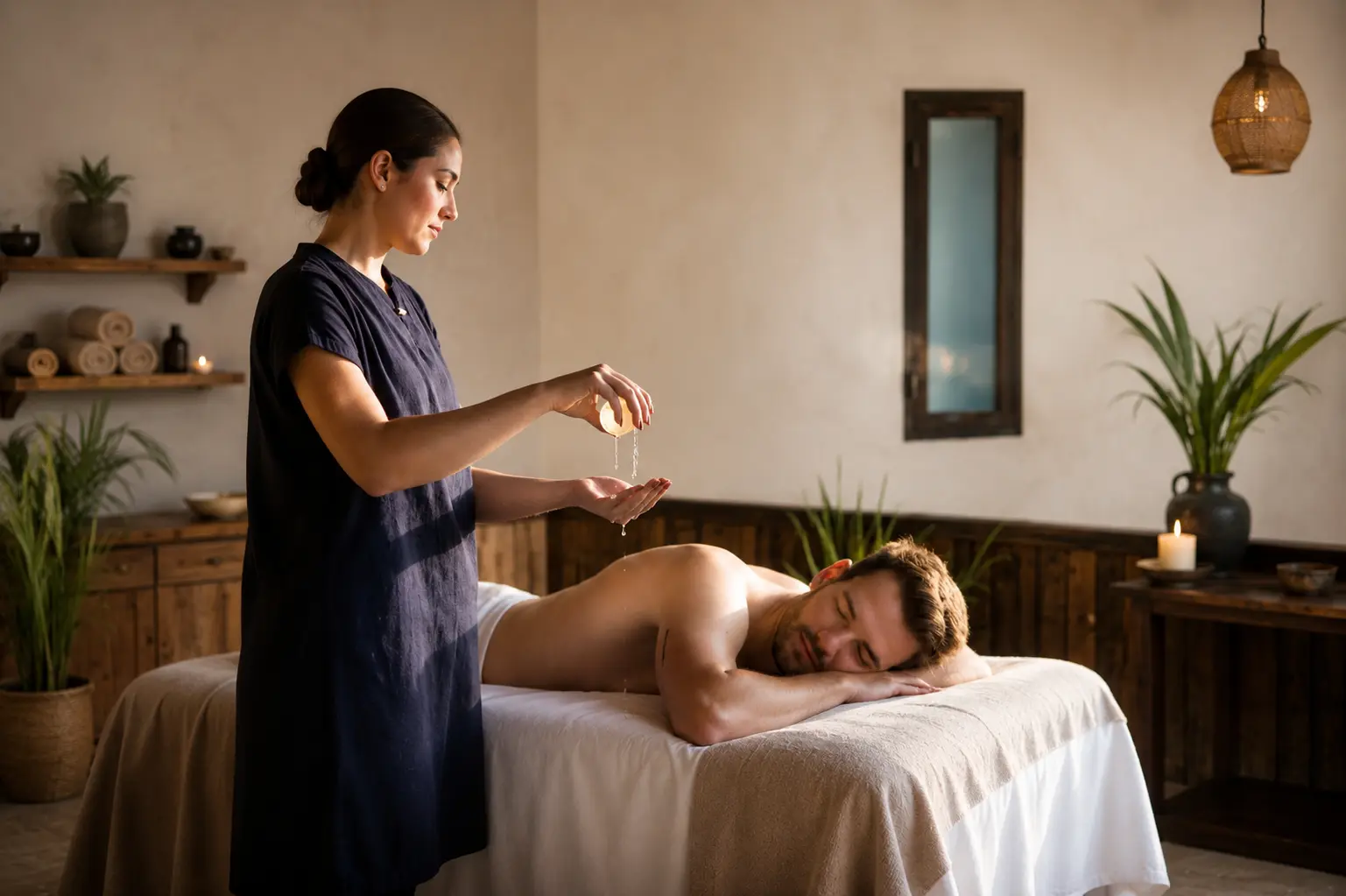
Purvakarma preparation — Snehana and Swedana at Pranavam Ayurveda Hospital Image — Purvakarma Preparation: Snehana and Swedana

Snehana

Oleation therapy

The therapeutic use of oil or other unctuous substances. Depending on the treatment plan, this may include external application of medicated Ayurvedic oils and, in selected cases, internally administered medicated ghee or oil under medical supervision. The formulation and duration are chosen according to the individual.

Swedana

Therapeutic sudation

Therapeutic sweating or fomentation, commonly performed after appropriate oleation using techniques the physician selects. Together, Snehana and Swedana prepare the patient for subsequent treatment. The exact preparation period varies, there is no universal number of days appropriate for everyone.

Who Is Panchakarma Suitable For?

Panchakarma may be considered for both preventive and therapeutic purposes within Ayurvedic practice. However, wanting a "full body detox" does not automatically mean intensive Panchakarma is appropriate, a physician must first evaluate the individual, including symptoms, medical history, digestive strength, age, physical strength, medications and previous treatments.

Some people may require a gentler Ayurvedic programme instead of intensive purification procedures. Particular caution applies in the following circumstances, and certain Panchakarma procedures may be inappropriate for them. Anyone with an existing medical condition or taking regular medication should disclose this during the consultation before beginning treatment.

Pregnancy
Acute illness
Significant physical weakness
Very elderly individuals
Otherwise vulnerable patients
Undisclosed existing medical conditions
Regular medication use
Recent major surgery or illness
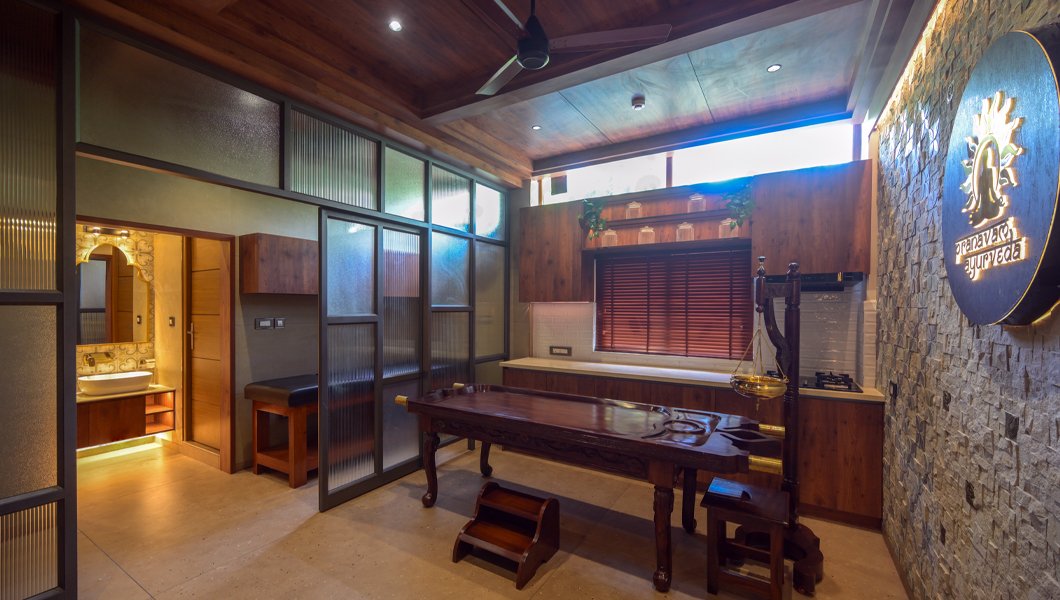
Individualised Panchakarma programme structure at Pranavam Ayurveda Hospital Image 4 — How Panchakarma Is Structured at Pranavam

How Panchakarma Is Structured at Pranavam

At Pranavam, Panchakarma is approached as an individualised Ayurvedic treatment programme rather than a fixed collection of therapies. The process begins with a physician consultation. Your doctor evaluates your present condition, health history, constitution, digestive capacity and treatment requirements before developing the protocol. Not every patient receives the same therapy, and not every patient needs all five Panchakarma procedures. The length of treatment can also differ considerably.

1. Physician Assessment

Detailed evaluation of health history, constitution, digestion and symptoms.

2. Preparation

Purvakarma, Snehana and Swedana to ready the body for treatment.

3. Prescribed Procedures

The specific Panchakarma therapies indicated for your condition.

4. Recovery Diet & Lifestyle

Gradual dietary progression and guided rest during recovery.

5. Follow Up

Physician review of response and further guidance as needed.

What Does a Typical Day During Panchakarma Look Like?

A day during residential Panchakarma is generally quieter and more structured than a normal holiday. Your schedule depends on the treatment stage and the procedures prescribed for that particular day.

The morning may begin with a physician review, followed by prescribed medicines, therapeutic procedures or preparatory treatments. Meals are usually kept simple and selected according to the stage of treatment. Rest is an important part of the programme, depending on your doctor's advice, the remainder of the day may include additional therapies, gentle movement, personal rest and an evening meal appropriate to your treatment plan.

This slower routine is intentional. Panchakarma places demands on the body, particularly during the main purification and recovery phases. Filling the day with sightseeing, heavy exercise, late nights or work can work against the purpose of a residential programme.

Diet During Panchakarma

Food is not separate from Panchakarma treatment, it is part of it. Meals are generally simple, warm, freshly prepared and relatively easy to digest, with the exact diet varying according to the individual and the stage of treatment.

After certain purification procedures, the digestive system is traditionally supported through a gradual dietary progression known as Samsarjana Krama. Patients may also be advised to reduce strenuous exercise, irregular sleeping patterns, excessive travel, and other activities that interfere with treatment and recovery.

Warm, freshly prepared meals
Easily digestible food choices
Gradual dietary progression (Samsarjana Krama)
Restricted heavy meals and alcohol
Reduced strenuous exercise and travel
Regular sleep, minimal disruption

Panchakarma in Kerala: Hospital Treatment vs Wellness Experience

Kerala has a long and established tradition of Ayurvedic practice, and Panchakarma is available in many different settings, but the word "Panchakarma" does not guarantee that every programme is equivalent.

Why Choose Pranavam Ayurveda Hospital?

A wellness resort may focus primarily on relaxation, massage and general wellbeing. A hospital based Panchakarma programme is structured around medical assessment and physician supervision. This distinction becomes particularly important when intensive procedures such as Vamana, Virechana or Basti are being considered.

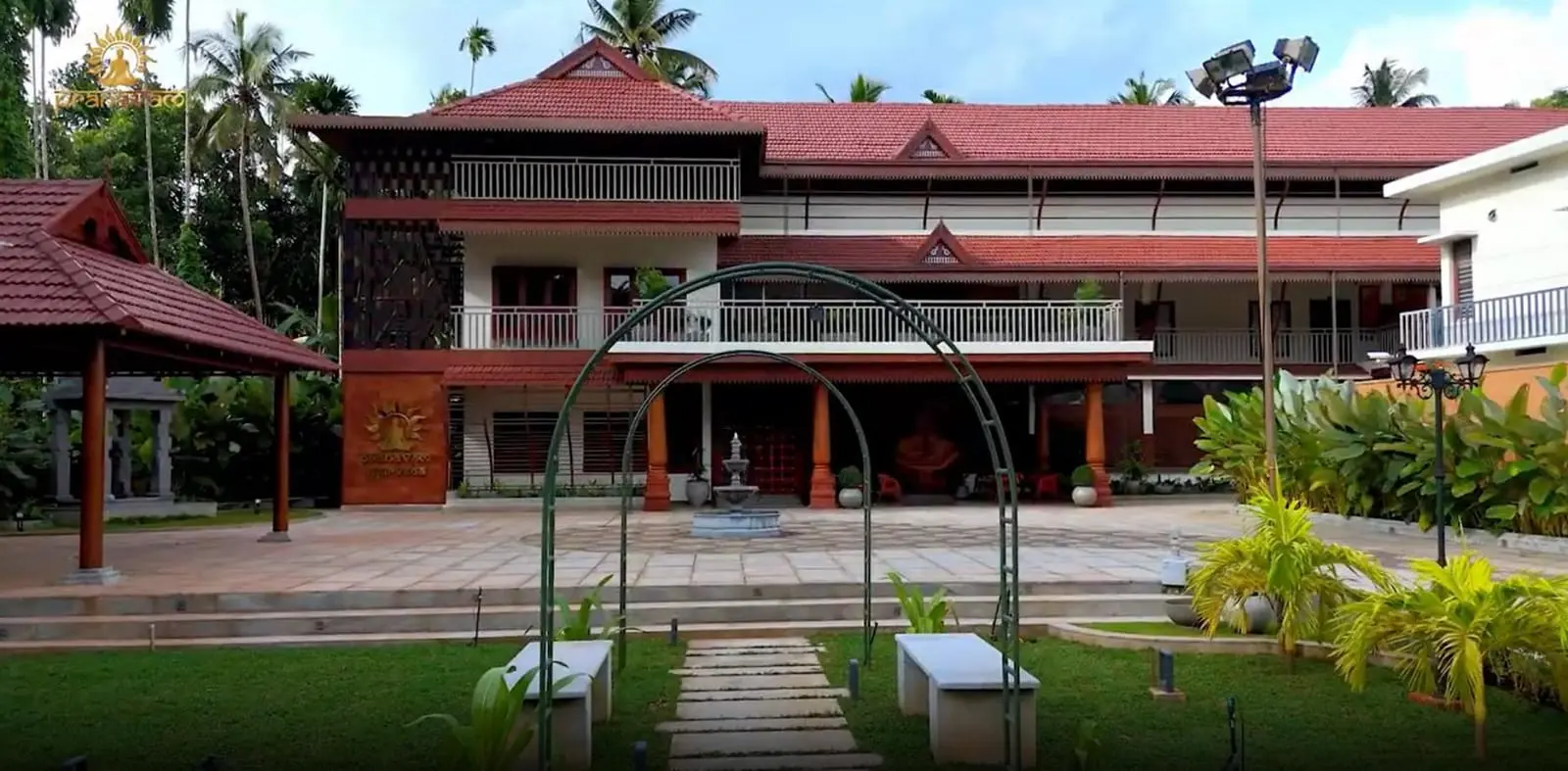
Pranavam Ayurveda Hospital, Kozhikode, Kerala Image 5 — Pranavam Ayurveda Hospital, Kozhikode

When comparing Panchakarma treatment in Kerala, look beyond the number of massages or therapies included in a package. Ask who performs the initial assessment, whether qualified Ayurvedic physicians supervise treatment, how frequently your response is reviewed, and whether the programme can be modified if your condition changes.

Patients choose Pranavam for:

  • Experienced Ayurvedic physicians who assess before prescribing
  • Individualised treatment plans, not fixed packages
  • Authentic classical Kerala Panchakarma procedures
  • Comfortable, hospital-supervised inpatient facilities
  • Ongoing review and modification of the treatment plan
  • Compassionate care rooted in traditional Ayurvedic wisdom

Frequently Asked Questions

Is Panchakarma painful?
Panchakarma procedures are performed under physician supervision with appropriate preparation, and intensity is matched to the individual's condition, strength and tolerance. Any concerns should be discussed with your treating physician before and during the programme.
How often should you do Panchakarma?
Frequency depends on whether the goal is preventive or therapeutic, along with the individual's health condition. A physician can advise on an appropriate interval after assessing your specific circumstances.
Can Panchakarma be done alongside allopathic treatment?
This depends on the individual's condition, current medications and medical history, all of which should be disclosed during consultation so the physician can determine what is appropriate.
What is the difference between Panchakarma at a hospital and a resort or spa?
A hospital-based programme is structured around physician assessment and medical supervision, particularly important for intensive procedures, whereas a wellness resort typically focuses on relaxation and general wellbeing rather than clinical evaluation.

Choosing the Right Panchakarma Treatment in Kerala

Panchakarma is one of Ayurveda's best known therapeutic traditions, but it is also frequently simplified into the idea of a general detox. Classical Panchakarma is more individualised, the appropriate procedure, preparation, duration, diet and recovery plan depend on the person receiving treatment.

That is why the most useful question is not simply "Which Panchakarma package should I book?" It is: "What treatment is appropriate for my condition?" A physician assessment should answer that question before the programme begins.

Ready to Begin With a Proper Consultation?

Book a consultation with Dr. Sreejith or Dr. Diana Sreejith to receive a personalised evaluation and understand the Panchakarma programme that's right for you.

This article is for general educational purposes and does not constitute individual medical advice. Panchakarma and other Ayurvedic treatments should only be undertaken following a full consultation and ongoing supervision by a qualified Ayurvedic physician. Treatment outcomes vary by individual.