7-Day vs 14-Day vs 21-Day Panchakarma: Which Programme Is Right for You?
Panchakarma Duration · Physician-Led Guidance

7-Day vs 14-Day vs 21-Day Panchakarma: Which Programme Is Right for You?

A physician-led guide from Pranavam Ayurveda Hospital on how Panchakarma duration is actually decided, and why treatment length should come from a clinical consultation, not a package list.

P
Pranavam Ayurveda Team
• Kozhikode, Kerala
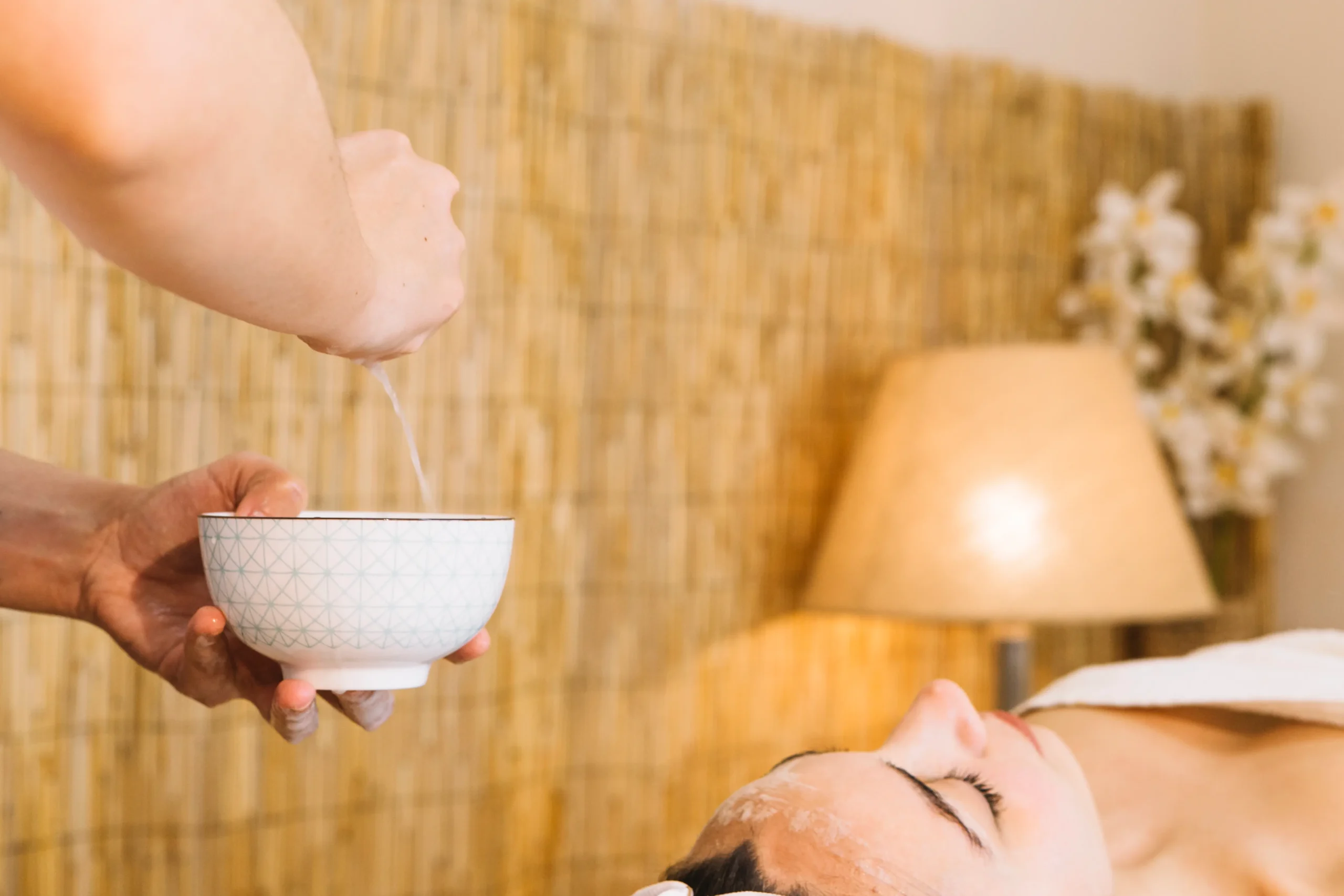
Panchakarma Treatment Programme at Pranavam Ayurveda Hospital Image 1 — Panchakarma Treatment Programme at Pranavam Ayurveda Hospital
Quick Answer

There is no single correct Panchakarma duration. A 7-day programme may suit general wellbeing goals, a 14-day programme allows more time for structured therapy, and a 21-day programme provides a longer window for assessment, treatment and recovery, often chosen for long-standing conditions. At Pranavam Ayurveda Hospital, duration is decided by physician assessment during consultation, not selected from a fixed package.

If you are planning Panchakarma in Kerala, one of the first questions you may have is simple: how many days do you actually need? Seven days? Fourteen days? Or a full 21-day Ayurvedic treatment programme?

The answer should not depend on which package sounds better.

In a physician-led Ayurvedic hospital, the duration of Panchakarma is a clinical decision. Your health condition, symptoms, age, physical strength, digestive capacity, treatment goals and response to therapy all influence how long the programme should continue.

A person looking for general rejuvenation may not need the same duration as someone seeking Ayurvedic care for a long-standing musculoskeletal condition. That is why at Pranavam, treatment duration is decided after consultation rather than simply selected from a package list.
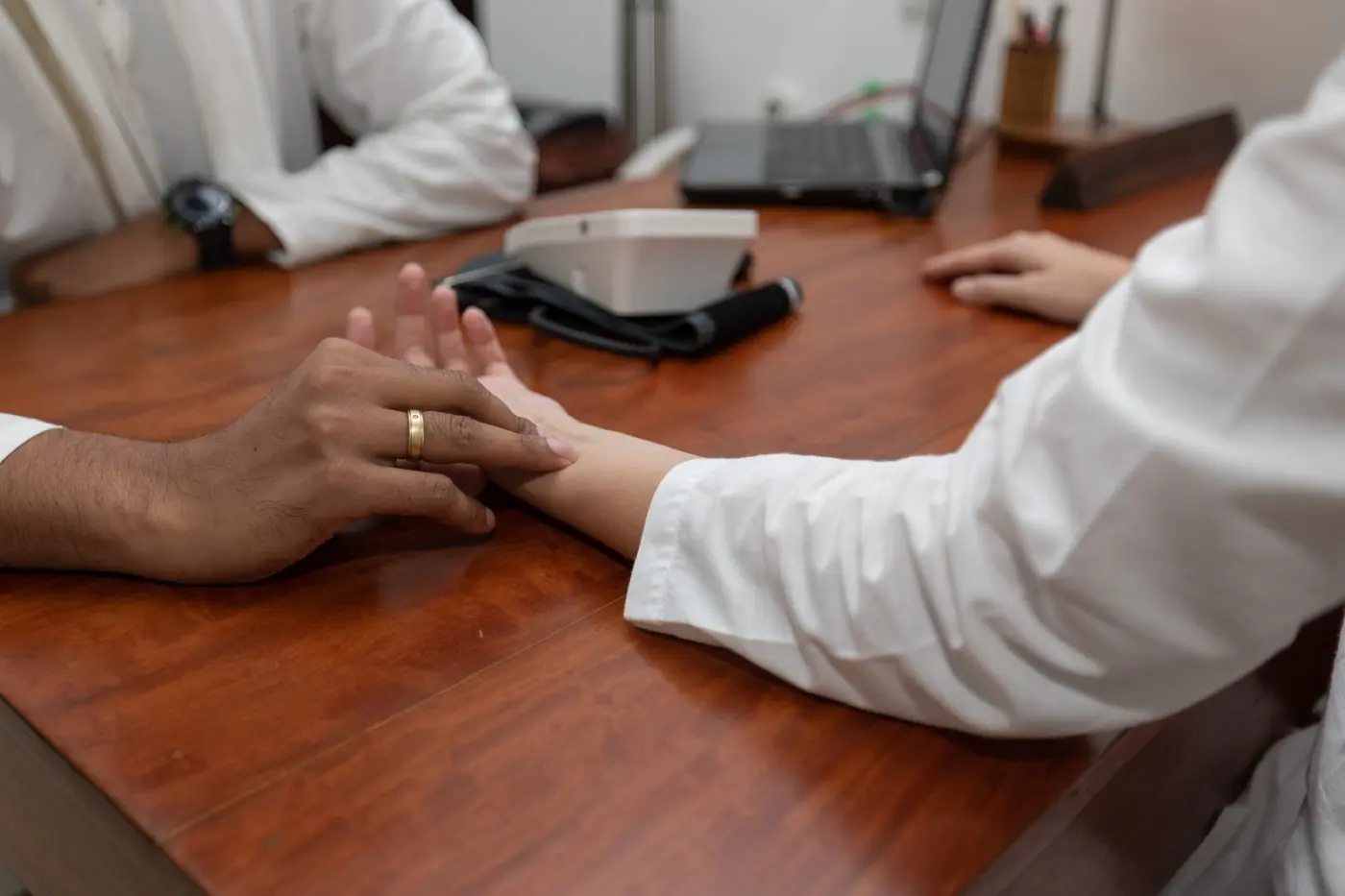
Physician Consultation for Panchakarma Duration at Pranavam Ayurveda Hospital Image 2 — Physician Consultation for Panchakarma Duration at Pranavam Ayurveda Hospital

Why Does the Duration of Panchakarma Matter?

Panchakarma is not one treatment repeated every day. It is a structured process. Depending on the individual, a programme may include preparation, prescribed Ayurvedic therapies, one or more Panchakarma procedures, dietary adjustments and a period of recovery. Each phase requires time.

For some people, a shorter programme may provide enough time for the therapies their physician considers appropriate. For others, particularly those with long-standing concerns, a longer residential period gives the medical team more time to observe the response and adjust treatment.

If you are new to the subject, read our complete guide to what Panchakarma is and how the classical process works before comparing programme lengths.

What Is a 7-Day Panchakarma Programme Good For?

Seven days is the shortest of the commonly requested residential Ayurveda programmes. It may be considered for people whose primary goal is general wellbeing, relaxation or a short period of Ayurvedic care rather than intensive management of a long-standing condition.

A shorter programme may include physician consultation, selected preparatory therapies, Ayurvedic treatments, appropriate diet and lifestyle guidance. For some individuals, seven days can also provide an introduction to a more structured Ayurvedic routine.

But there is an important limitation: seven days does not automatically provide enough time for every classical Panchakarma protocol. Preparation alone can require several days depending on the procedure being planned and the patient's response. Trying to compress an intensive programme into seven days simply because that is how much time is available can defeat the purpose of individualised treatment.

The question should therefore be whether seven days is clinically useful for your goals, not how many therapies can be fitted into one week.

1. 7-Day Programme

General wellbeing & introduction

Consultation, selected preparatory therapies, appropriate Ayurvedic treatments, diet and lifestyle guidance. Best suited to shorter wellness goals rather than intensive management of long-standing conditions.

2. 14-Day Programme

Structured therapy window

A more gradual preparatory phase, prescribed therapies, observation of response and an appropriate recovery period. May be considered for recurring or longer-standing complaints, depending on assessment.

3. 21-Day Programme

Comprehensive residential care

A longer therapeutic window covering preparation, active treatment and recovery, with time to observe and adjust the protocol. Often considered for chronic or long-standing concerns after detailed assessment.

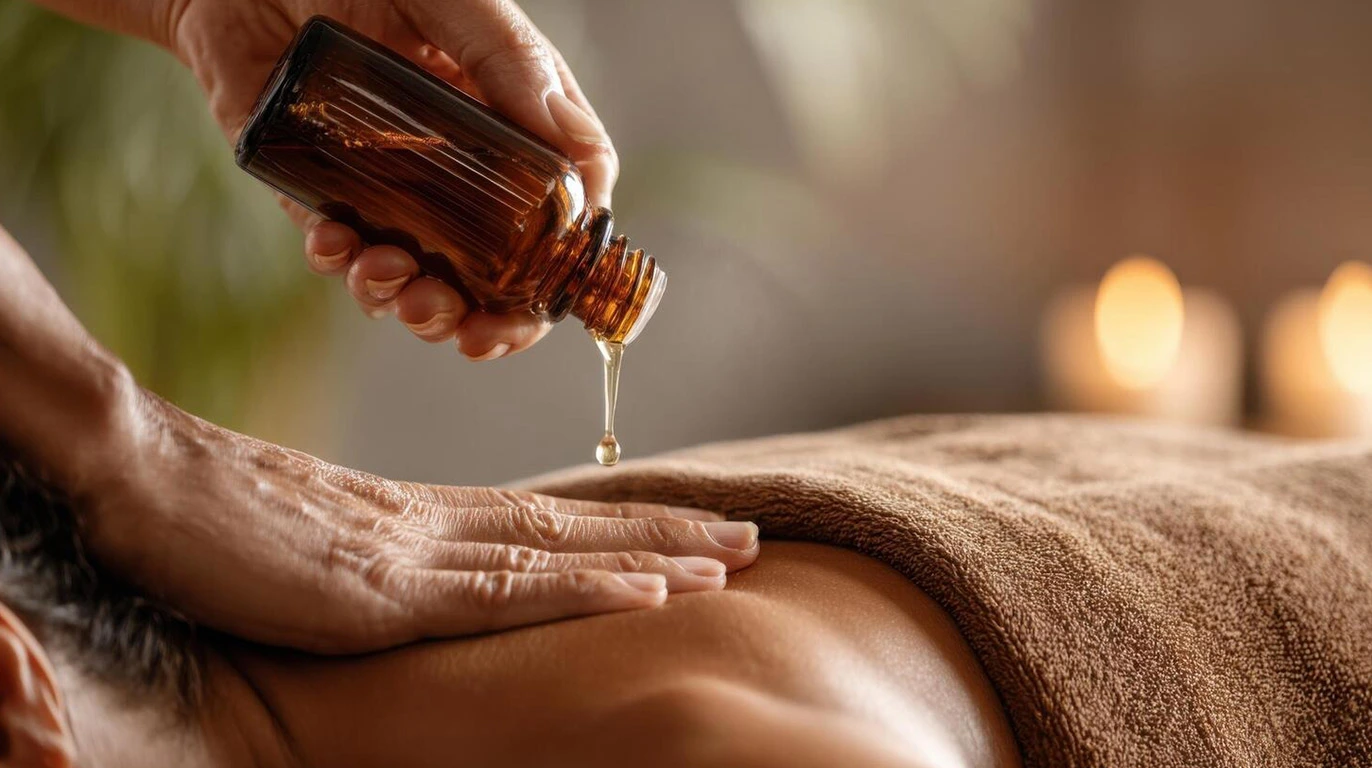
Ayurvedic Preparatory Therapy During Panchakarma Image 3 — Ayurvedic Preparatory Therapy During Panchakarma

What Does a 14-Day Panchakarma Programme Add?

Fourteen days gives the physician considerably more time to structure treatment. It may be appropriate when the concern requires more than a brief wellness programme but does not necessarily require a three-week residential stay.

The additional time can allow for a more gradual preparatory phase, prescribed therapies, observation of the patient's response and an appropriate recovery period. A 14-day programme may be considered in selected cases involving recurring or longer-standing complaints, depending on the physician's assessment. It also gives the body more time to adapt to changes in diet, daily routine and treatment.

However, fourteen days should not be seen as the automatic "middle package." For one patient it may be sufficient. For another, it may be too short. A third person may not require fourteen days at all. The diagnosis and treatment plan should determine the duration.

Why Do Some Patients Choose 21 Days Ayurvedic Treatment in Kerala?

People researching residential Ayurveda frequently search for 21 days Ayurvedic treatment in Kerala, particularly when travelling specifically for a more comprehensive programme.

Three weeks provides a longer therapeutic window. Instead of concentrating treatments into a short stay, the physician has more time to move through preparation, active treatment and recovery while observing how the individual responds. This can be particularly relevant when someone has a long-standing or recurring health concern.

For example, patients seeking Ayurvedic management for chronic musculoskeletal concerns such as joint discomfort, stiffness or certain spine-related problems may be advised to stay longer when clinically appropriate. A longer programme may also be considered for other chronic concerns after detailed physician assessment.

This does not mean that 21 days guarantees better results, nor does it mean every person with a chronic condition requires exactly three weeks. The value of a 21-day programme is the additional time available for individualised treatment and observation.

Factors Considered

What Shapes Your Recommended Duration

The primary health concern and how long it has been present
Current symptoms and their severity
Age and physical strength
Digestive capacity and general health
Previous treatments and relevant medical history
Current medicines
The type of Ayurvedic procedures being considered
How the patient responds after treatment begins
Swedana Herbal Steam Therapy During Panchakarma Image 4 — Swedana Herbal Steam Therapy During Panchakarma

What Happens During a 21-Day Ayurvedic Programme?

A three-week programme should not simply mean receiving the same massage or therapy for 21 consecutive days. The treatment can evolve as your condition and response change.

Week 1 — Assessment & Preparation

The physician reviews health history, symptoms, digestion, sleep, physical strength and medications. Preparatory therapies such as Snehana (therapeutic oleation) and Swedana (therapeutic sudation) may begin when indicated, alongside diet and routine adjustments.

Week 2 — Main Treatment Phase

The main therapeutic phase, which differs from patient to patient. Specific Panchakarma procedures or other Ayurvedic therapies are prescribed based on clinical assessment, and the protocol can be modified if your response differs from what was expected.

Week 3 — Consolidation & Recovery

Time to complete prescribed treatments and transition back towards normal daily life. Diet may be gradually adjusted, and the physician provides advice on sleep, exercise, medicines and lifestyle after leaving the hospital.

How Pranavam Decides Whether You Need 7, 14 or 21 Days

At Pranavam, programme duration is not assigned solely according to the treatment a patient asks for online. The process begins with a physician assessment. Dr. Sreejith or Dr. Diana evaluates the individual before finalising the treatment protocol and recommended duration.

This also means the original treatment plan may be adjusted when clinically necessary. Rather than asking, "Which package should I buy?", a more useful question is: "How much time does my condition realistically require?"

Learn more about Pranavam's approach to Panchakarma treatment in Kerala.

Health concern & duration present
Symptom severity
Age & physical strength
Digestive capacity
Treatment & medical history
Current medicines
Procedures being considered
Response after treatment begins

A Key Consideration

Is a Longer Panchakarma Programme Always Better?

No. This is one of the most important points when comparing Ayurvedic programmes. More days do not automatically mean better treatment. If seven or fourteen days are appropriate for your goals and health, extending treatment simply to reach 21 days may provide no meaningful advantage.

The opposite is also true. Trying to compress a programme that requires adequate preparation, treatment and recovery into a very short stay may not be appropriate. The right duration is the shortest period that allows the physician to carry out the treatment responsibly for your individual situation.

Duration follows diagnosis, not the reverse

Extension is possible if clinically justified

Shorter ≠ less effective when goals match

Longer ≠ guaranteed better outcomes

Recovery time matters as much as active treatment

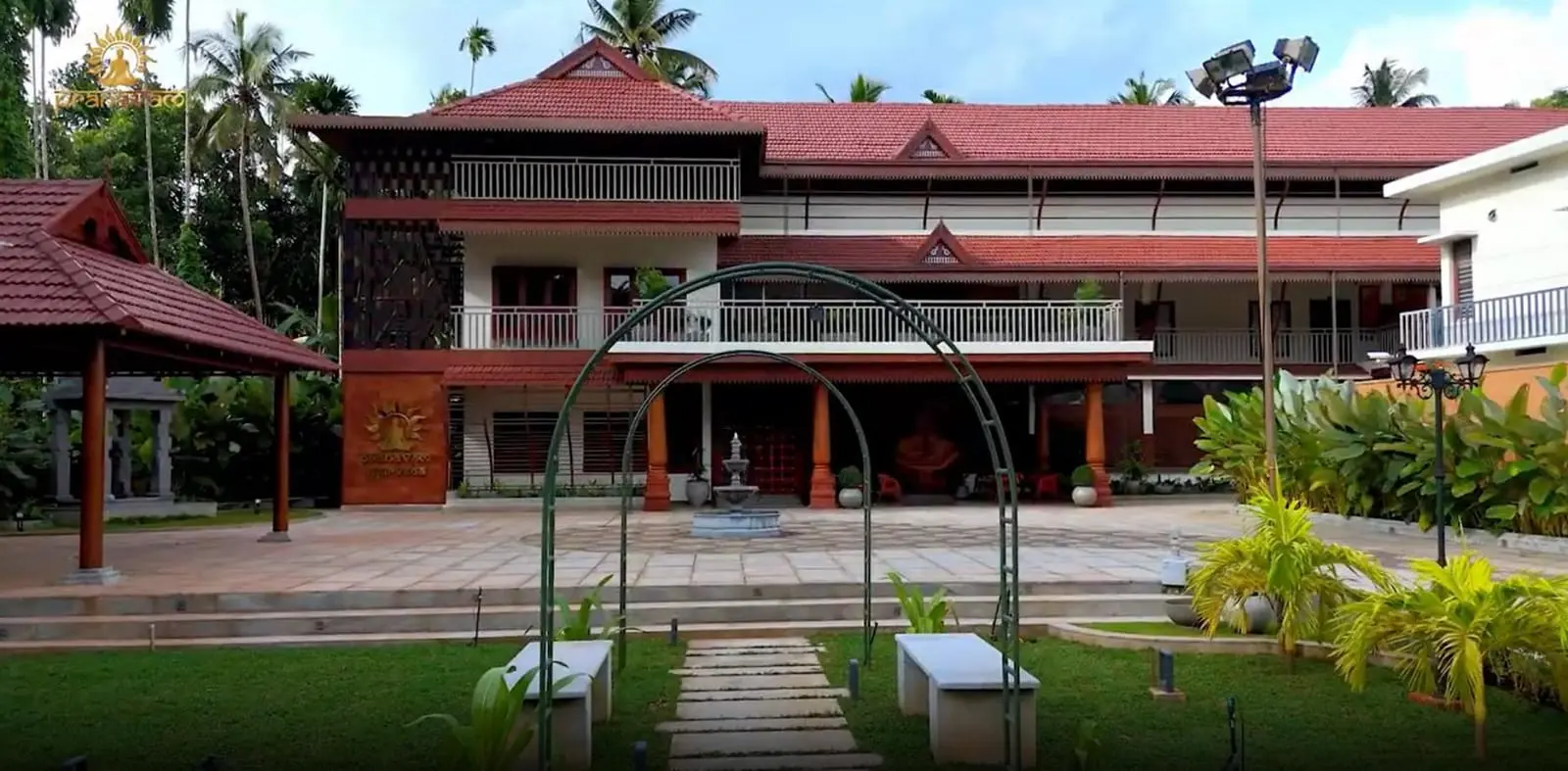
Pranavam Ayurveda Hospital exterior, Kozhikode, Kerala Image 5 — Pranavam Ayurveda Hospital, Kozhikode

Why Choose Pranavam Ayurveda Hospital?

For nearly two decades, Pranavam Ayurveda Hospital has been dedicated to delivering authentic Kerala Ayurveda through personalised, physician-led care. Located in the peaceful surroundings of Kozhikode, Kerala, the hospital combines classical Ayurvedic principles with carefully designed Panchakarma programmes tailored to each patient's unique health needs.

Every treatment programme begins with a detailed consultation to understand the individual's condition before recommending the duration and protocol best suited to their needs.

Patients choose Pranavam for:

  • Experienced Ayurvedic physicians
  • Individualised treatment plans and duration
  • Authentic Kerala Panchakarma therapies
  • Comfortable inpatient facilities
  • A holistic approach focused on long-term wellbeing
  • Compassionate care rooted in traditional Ayurvedic wisdom

Frequently Asked Questions

Can I extend my Panchakarma programme midway?
[ADD ANSWER — source content did not include answer text for this question. Please confirm the physician-approved response before publishing.]
Is a shorter Panchakarma programme less effective?
[ADD ANSWER — source content did not include answer text for this question. Please confirm the physician-approved response before publishing.]
How soon can I see results from Panchakarma?
[ADD ANSWER — source content did not include answer text for this question. Please confirm the physician-approved response before publishing.]
Do international patients usually choose 21 days?
[ADD ANSWER — source content did not include answer text for this question. Please confirm the physician-approved response before publishing.] Read our guide for international patients planning Ayurvedic treatment in Kerala before arranging your journey.

So, Should You Choose 7, 14 or 21 Days?

There is no universally best Panchakarma duration. A 7-day programme may be appropriate for selected shorter wellness or maintenance goals. A 14-day programme provides more time for structured therapy and may be considered for concerns requiring a longer treatment window. A 21 days Ayurvedic treatment in Kerala provides three weeks for assessment, preparation, active treatment and recovery, making it a commonly considered option when a more comprehensive residential programme is clinically appropriate.

But duration should be the result of your consultation, not the starting assumption. At Pranavam, the objective is not to fit every patient into a predetermined 7, 14 or 21-day package. It is to understand the individual first and then determine the treatment and time that are appropriate for them.

Ready to Find Out How Many Days You Need?

Book a consultation with Dr. Sreejith or Dr. Diana Sreejith to receive a personalised assessment and a Panchakarma duration recommended specifically for your condition.

This article is for general educational purposes and does not constitute individual medical advice. Panchakarma duration should only be decided following a full consultation and ongoing supervision by a qualified Ayurvedic physician. Treatment outcomes and appropriate programme length vary by individual.