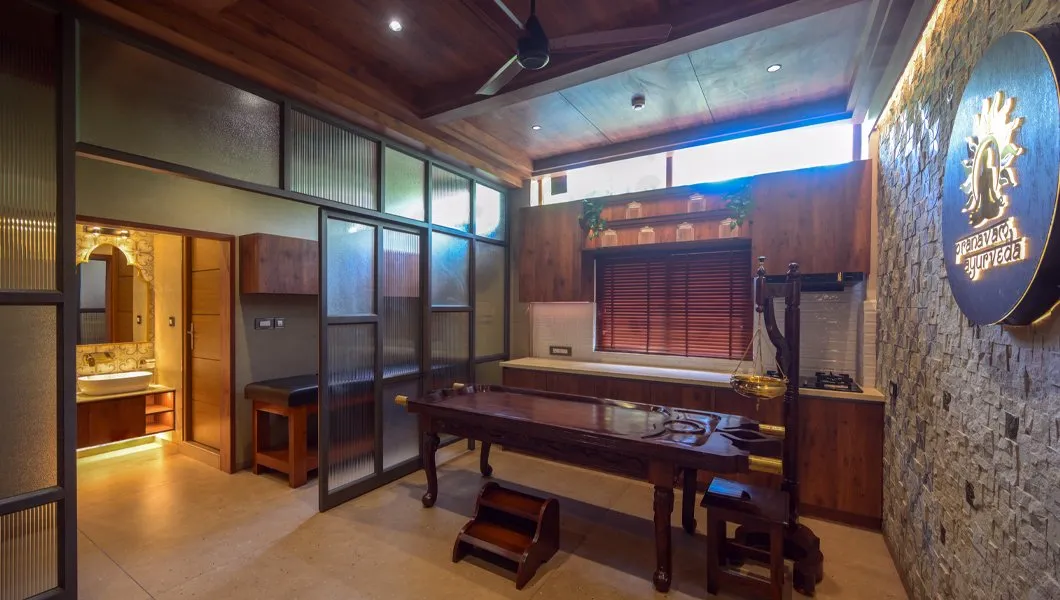
Ayurvedic Treatment for Migraine — Root Causes & Relief
Stress, Anxiety & Neurology Care · Physician-Led Ayurveda

Ayurvedic Treatment for Migraine: Understanding the Root Cause Instead of Chasing the Pain

Learn how Ayurvedic treatment for migraine focuses on identifying triggers through physician-guided care using Nasya, Shirodhara, lifestyle changes and individualized herbal support.

P
Pranavam Ayurveda
• Kozhikode, Kerala
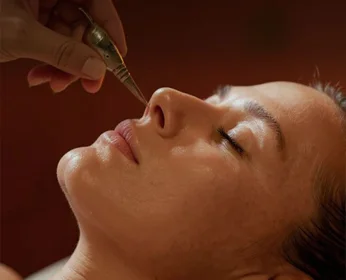
Authentic Nasya therapy being performed for migraine treatment at Pranavam Ayurveda Hospital Image 1 — Nasya Therapy in a Clinical Ayurvedic Treatment Room
Quick Answer

A migraine is more than a severe headache, it is a recurring neurological condition with highly individual triggers. Ayurveda approaches migraine by looking at overall health, digestion, daily routine and Dosha balance, most often linked to aggravated Pitta, though Vata and Kapha may also play a role. At Pranavam Ayurvedam, treatment begins with a detailed physician consultation and may include Nasya, Shirodhara, individualised herbal support and, for selected cases, Virechana, alongside trigger tracking and lifestyle changes.

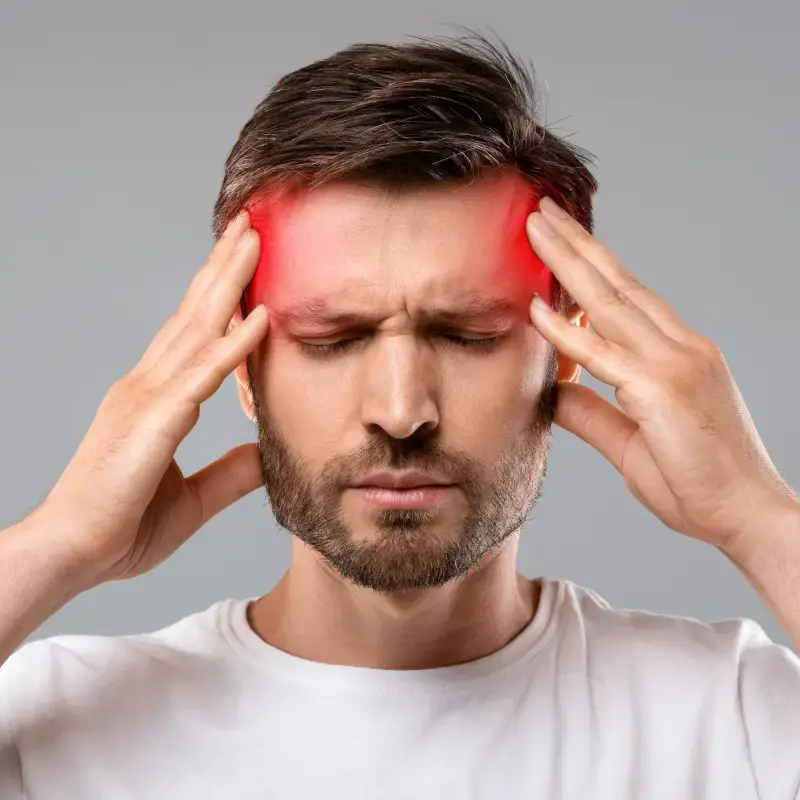
A migraine is much more than a severe headache. For many people, it is a recurring neurological condition that can interfere with work, family life and everyday activities. Some experience throbbing pain on one side of the head, while others develop nausea, sensitivity to light or sound, or visual disturbances before the headache even begins.

One person's migraine may be triggered by skipping meals, while another notices attacks after poor sleep, prolonged screen time or spending time in the sun. Because triggers vary so widely, successful long-term management often depends on understanding what sets off an attack rather than simply treating the pain after it starts.

In Ayurveda, migraine is assessed by looking at the individual's overall health, digestion, daily routine and Dosha balance. Although many migraine patterns are associated with Pitta Dosha, Vata and Kapha may also play a role depending on the person's symptoms and constitution.

At Pranavam Ayurvedam, treatment begins with a detailed physician consultation. Rather than offering the same therapy to every patient, the physician develops a personalised plan based on symptom patterns, trigger history and medical evaluation.
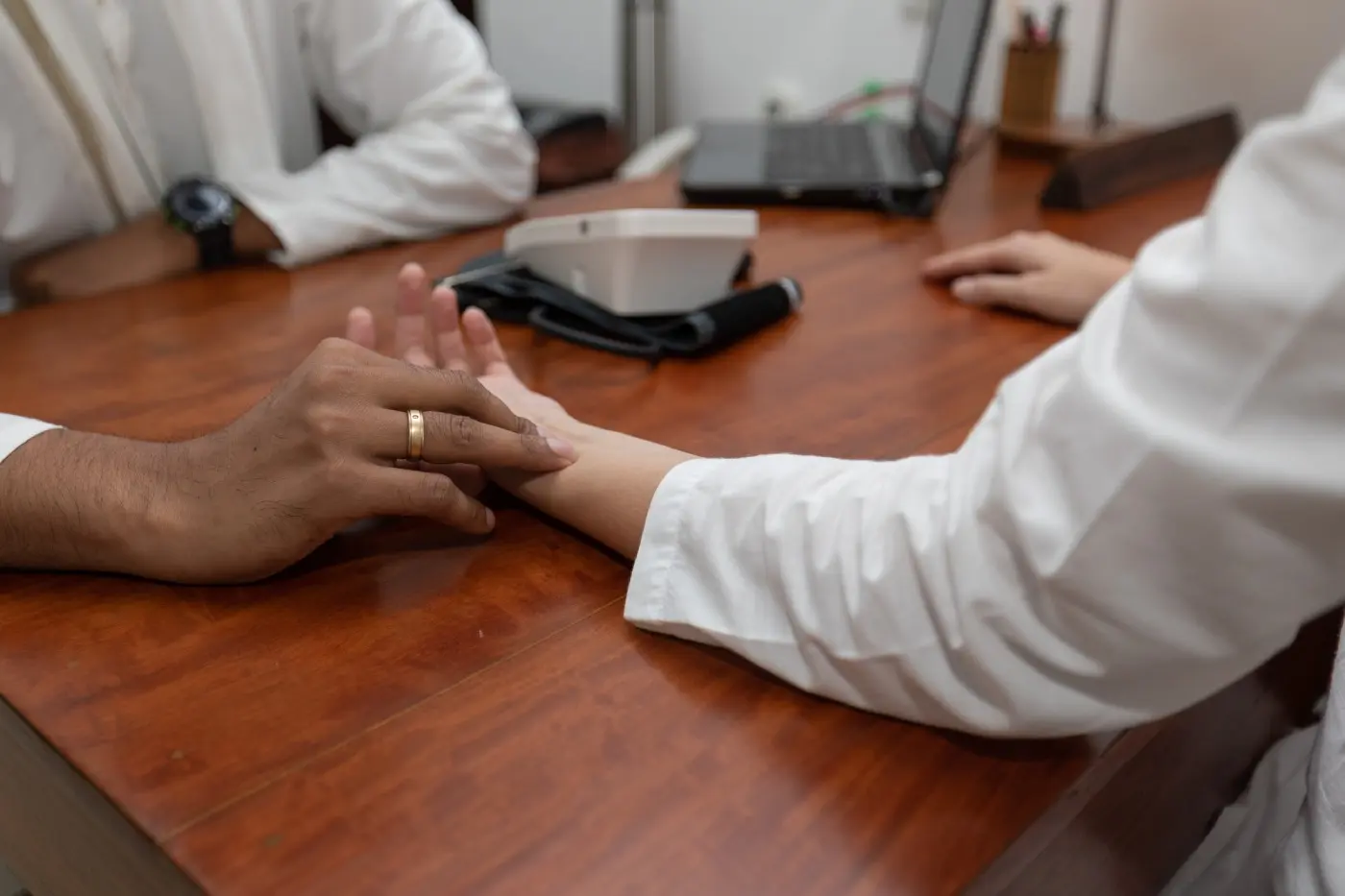
Ayurvedic physician consulting a patient and reviewing headache history to create an individualised treatment plan Image 2 — Physician Reviewing Headache History With a Patient

Understanding Migraine in Ayurveda

Ayurveda does not consider every headache to be the same. The physician carefully evaluates the location of pain, how frequently headaches occur, associated symptoms, digestive health, sleep quality, emotional stress, seasonal variation and daily habits.

Many migraine patterns are traditionally associated with aggravated Pitta Dosha, particularly when headaches are accompanied by burning sensations, sensitivity to sunlight, irritability or heat intolerance. However, some individuals may have significant Vata involvement, particularly when headaches are associated with stress, irregular routines or disturbed sleep. This is why treatment is always individualised.

Common Migraine Triggers Ayurveda Looks For

One of the most important parts of migraine care is identifying patterns. During consultation, physicians often ask patients to describe situations that commonly precede an attack.

Irregular meals
Poor sleep
Prolonged sun exposure
Digestive disturbances
Emotional stress
Hormonal changes
Infographic showing common migraine triggers including irregular meals, poor sleep, stress, dehydration, sun exposure and hormonal changes Image 3 — Common Migraine Triggers Infographic

Skipping meals or eating at inconsistent times may contribute to migraine in some individuals, while both insufficient and excessive sleep may influence frequency. Many people notice headaches after intense sunlight or excessive heat, and digestive symptoms such as bloating or acidity often provide useful information during assessment.

Work pressure, anxiety and emotional strain are among the most frequently reported triggers, and some women experience attacks around menstruation or other hormonal changes. Recognising these patterns helps guide both treatment and lifestyle recommendations.

How Migraine Is Assessed

At Pranavam Ayurvedam, the first consultation focuses on understanding the whole picture rather than only the headache. If necessary, patients may also be advised to undergo neurological evaluation before beginning Ayurvedic treatment.

Symptom Pattern

Duration, frequency and location of attacks, along with associated nausea or sensitivity to light and sound.

Sleep & Diet

Sleep quality, dietary habits and routine, which often reveal early trigger patterns.

Treatment History

Previous treatments tried and any existing medical conditions relevant to the headaches.

Family History

Family history of migraine, which can inform overall risk and management approach.

Ayurvedic Treatment for Migraine

Treatment varies according to the individual's symptoms and Dosha assessment. Several therapies may be combined into a personalised programme.

Shirodhara therapy being administered as part of a migraine treatment programme Image 4 — Shirodhara Therapy for Stress-Related Migraine

Nasya Therapy

Head & neck focused therapy

Nasya is one of the Ayurvedic therapies commonly used for conditions affecting the head and neck. After appropriate preparation, physician-selected medicated oil or herbal preparations are administered through the nostrils. Depending on the individual's condition, Nasya may be recommended as part of a broader migraine management plan, and it should only be performed under professional supervision.

Shirodhara

Deeply relaxing

Shirodhara involves gently pouring a continuous stream of warm medicated oil over the forehead for a prescribed period. The physician may recommend it for individuals in whom stress, poor sleep or mental fatigue appear to contribute to migraine attacks. It is usually performed as part of a comprehensive treatment programme rather than as a standalone therapy.

Virechana

Selected Pitta-dominant cases

For selected individuals with significant Pitta involvement, the physician may recommend Virechana as part of a structured Panchakarma programme. The decision depends on the patient's constitution, overall health and clinical assessment. Not every person with migraine requires Virechana.

Individualised Herbal Support

Ayurvedic medicines are prescribed according to the individual's symptoms rather than the diagnosis alone. Depending on physician assessment, herbal formulations may be selected to support digestion, Dosha balance and overall wellbeing.

Patients should never self-prescribe migraine ayurvedic medicine based solely on internet searches or recommendations from others. The choice of medicine, dosage and duration should always be determined by a qualified Ayurvedic physician.

Keeping a Migraine Trigger Diary

One of the simplest and most effective habits many patients can begin immediately is maintaining a migraine diary. Over several weeks, patterns often become easier to identify, helping both the patient and physician develop a more personalised management plan.

Date of each attack
Foods eaten beforehand
Sleep duration
Stress level
Menstrual cycle (if applicable)
Weather conditions
Time of onset
Severity & duration

Lifestyle Measures That May Help

Small daily habits often make a meaningful difference over time. Lifestyle recommendations are always tailored to the individual.

Eat meals at regular times
Maintain a consistent sleep schedule
Stay well hydrated
Avoid prolonged fasting
Limit excessive screen exposure
Manage workplace stress
Practise approved relaxation techniques

When Migraine Needs Immediate Neurological Evaluation

Not every severe headache is a migraine. Certain symptoms require urgent medical assessment before considering Ayurvedic treatment. Seek immediate medical care if you experience a sudden, extremely severe headache reaching maximum intensity within seconds or minutes, a new headache after a head injury, persistent weakness in an arm or leg, difficulty speaking, double vision or significant vision loss, confusion, fever with severe headache and neck stiffness, new headaches beginning after the age of 50, or progressive worsening despite treatment. These symptoms may indicate conditions requiring emergency medical evaluation.

What Physician-Guided Care Aims For

What Results Can You Realistically Expect?

Migraine management usually focuses on reducing the following. The response depends on trigger control, overall health, adherence to treatment and the underlying migraine pattern.

Frequency of attacks

Severity of headaches

Dependence on rescue medication

Impact on daily life

Frequently Asked Questions

Can Ayurveda reduce migraine frequency over the long term?
Some individuals report fewer migraine attacks after physician-guided Ayurvedic treatment combined with trigger management and lifestyle changes. Results vary depending on the type of migraine, underlying triggers and adherence to the treatment plan.
Is Nasya safe during an active migraine attack?
Not always. Whether Nasya is appropriate during an acute migraine depends on the individual's symptoms and clinical assessment. The timing of therapy should always be decided by the treating Ayurvedic physician.
How is Ayurvedic migraine treatment different from painkillers?
Painkillers are generally used to relieve symptoms during or shortly after a migraine attack. Ayurvedic care focuses on identifying potential triggers, improving lifestyle habits, supporting overall health and developing a personalised long-term management plan alongside appropriate medical care.
Are there dietary triggers common to most migraine sufferers?
Some commonly reported triggers include skipping meals, dehydration, alcohol and certain foods, but migraine triggers vary considerably between individuals. Keeping a headache diary is often one of the best ways to identify personal patterns.

Begin Your Migraine Management Journey

Migraine is rarely caused by a single factor. Successful long-term management often depends on identifying individual triggers, improving daily routines and following a treatment plan tailored to the person's needs.

At Pranavam Ayurvedam, therapies such as Nasya, Shirodhara, physician-selected herbal medicines and, where appropriate, Virechana may be recommended after careful evaluation. Combined with trigger tracking and healthy lifestyle habits, these approaches aim to support long-term migraine management rather than simply providing temporary pain relief. If you are searching for migraine treatment near me, choose a centre that offers comprehensive physician assessment, personalised care and appropriate referral for neurological evaluation whenever necessary.

Ready to Understand Your Migraine Triggers?

Receive a personalised assessment from our physicians to identify your migraine pattern and explore a physician-guided Ayurvedic management plan.

This article is for general educational purposes and does not constitute individual medical advice. Ayurvedic treatment for migraine should only be undertaken following a full evaluation and ongoing supervision by a qualified physician. Certain headache symptoms require immediate emergency medical care, and treatment outcomes vary by individual.