
Ayurveda for Diabetes Management — Diet, Herbs & Panchakarma
Metabolic & Lifestyle Disorders · Physician-Led Ayurveda

Ayurveda for Diabetes Management: A Holistic Approach to Living Well with Diabetes

Learn how Ayurvedic treatment for diabetes supports long-term management through physician-guided diet, herbal medicines, Panchakarma and lifestyle changes alongside regular medical care.

P
Pranavam Ayurveda
• Kozhikode, Kerala
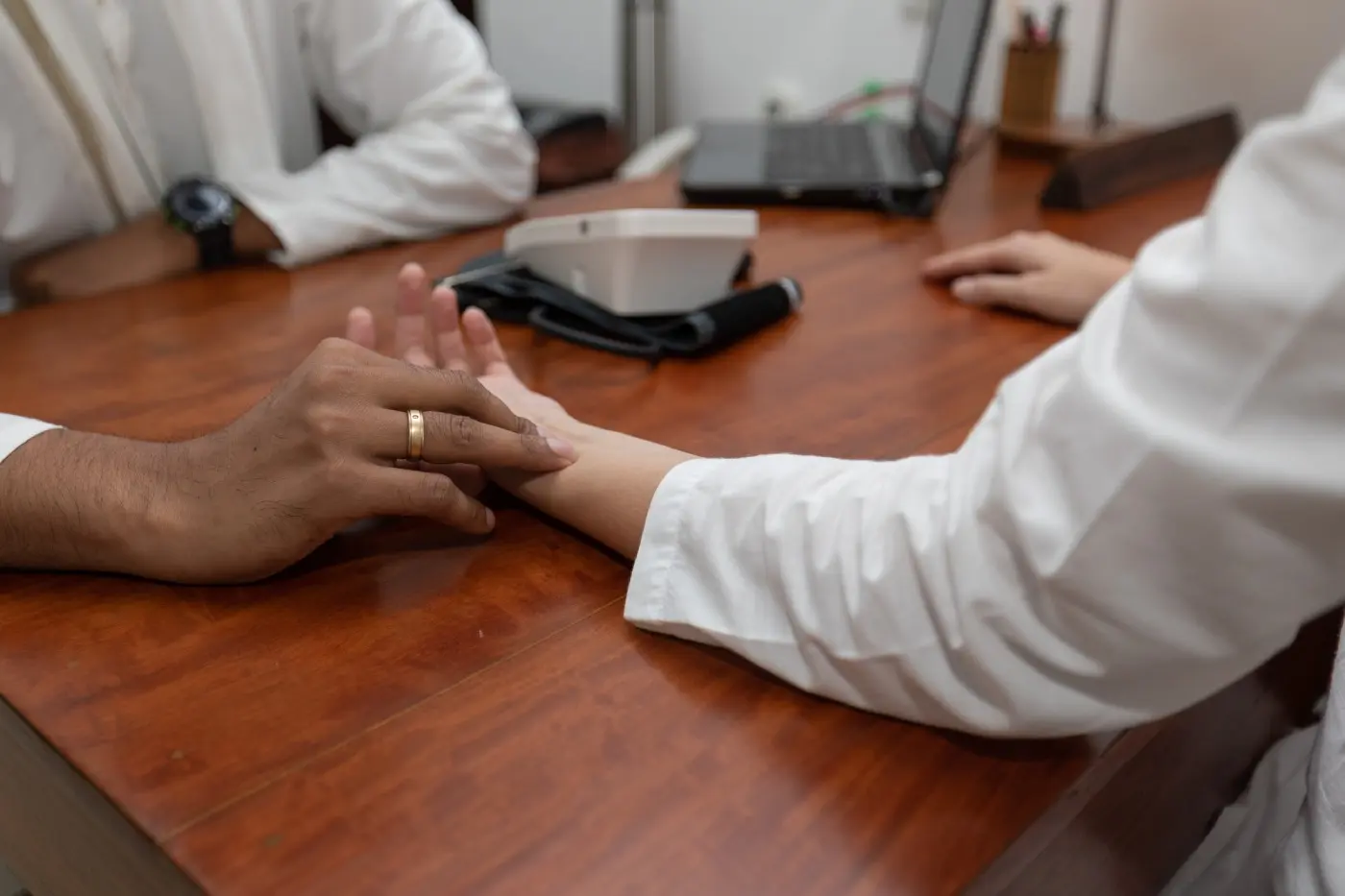
Ayurvedic physician and patient reviewing blood sugar reports for diabetes treatment planning Image 1 — Physician Reviewing Blood Sugar Reports With a Patient
Quick Answer

Ayurveda understands diabetes broadly through the classical concept of Prameha, a group of metabolic disorders linked to digestion, Kapha balance and lifestyle. Ayurvedic care may support diabetes management through physician-guided diet, individualised herbal medicines, selected Panchakarma procedures and daily routine changes. Importantly, Ayurveda supports diabetes management but does not replace insulin, prescribed medicines or regular blood sugar monitoring, and any medication changes should only be made by the treating physician or endocrinologist.

Diabetes is one of the most common long-term health conditions worldwide. It affects how the body regulates blood glucose and, if not managed carefully, can increase the risk of complications involving the heart, kidneys, eyes, nerves and blood vessels.

Living with diabetes often involves more than taking medication. Food choices, physical activity, sleep, stress and body weight all influence blood sugar control. For this reason, many people explore complementary approaches that support healthy lifestyle habits alongside conventional treatment.

In Ayurveda, diabetes is broadly understood through the classical concept of Prameha, a group of metabolic disorders described in traditional Ayurvedic texts. While the terminology differs from modern medicine, Ayurveda also emphasises long-term lifestyle management, healthy digestion and personalised care.

It is important to understand one point from the beginning: Ayurveda supports diabetes management but does not replace insulin, prescribed diabetes medicines or regular blood sugar monitoring. Any changes to medication should only be made by the treating physician or endocrinologist.

At Pranavam Ayurvedam, treatment plans are individualised after a detailed consultation and are designed to complement ongoing medical care rather than replace it.

Infographic illustrating the traditional Ayurvedic understanding of Prameha, Kapha, digestion and metabolism Image 2 — Prameha and Kapha Infographic

Understanding Diabetes Through the Ayurvedic Concept of Prameha

Ayurveda describes a group of metabolic conditions known as Prameha, characterised by changes in metabolism and body function. Although Prameha is not identical to modern classifications of diabetes, there are similarities in how Ayurveda views disturbances in metabolism and lifestyle.

Many individuals with diabetes show features associated with Kapha Dosha imbalance, reduced metabolic efficiency, a sedentary lifestyle, weight gain and irregular dietary habits. Treatment focuses on improving overall balance while supporting healthy daily routines.

Physician explaining Agni and digestive metabolic health as part of diabetes care Image 3 — Explaining Agni and Digestive Health

The Role of Agni in Metabolic Health

A central Ayurvedic concept is Agni, often described as the body's digestive and metabolic capacity. According to Ayurveda, efficient digestion helps maintain the proper nourishment of tissues and supports overall wellbeing.

When Agni becomes sluggish, metabolism may also be affected. For this reason, Ayurvedic management often includes dietary guidance and lifestyle changes that aim to support healthy digestive function.

Physician Assessment Before Treatment

Every treatment programme begins with a comprehensive consultation. Patients are encouraged to bring recent HbA1c reports, fasting and post-meal blood sugar records, kidney function reports if available, current prescriptions, and previous medical investigations. This information helps create an individualised treatment plan while ensuring safe coordination with existing medical care.

Diabetes Profile

Type of diabetes, duration of illness, current medications, and blood sugar and HbA1c records.

Body & Lifestyle

Body weight, diet, physical activity, sleep and digestive health.

Related Health Factors

Blood pressure and other medical conditions that may influence treatment planning.

Dietary Correction in Ayurveda

Food plays a central role in diabetes management. Rather than recommending a single universal diet, Ayurvedic physicians tailor nutritional advice according to the individual's constitution, blood sugar control and overall health. Specific dietary recommendations should always consider advice from the patient's diabetologist or dietitian.

A balanced Ayurvedic meal with whole grains and vegetables as part of physician-guided dietary planning Image 4 — Balanced Ayurvedic Meal for Dietary Planning
Regular meal timing
Freshly prepared foods
Plenty of vegetables
Balanced portions
Adequate hydration

Herbal Support

Ayurvedic medicines are prescribed individually rather than according to diagnosis alone. Depending on physician assessment, traditional herbal formulations may be selected to support digestive health, metabolic balance and overall wellbeing.

The exact medicines depend on blood sugar control, current medications, kidney function, age and other medical conditions. Self-medicating with herbal supplements is not recommended. Because some herbs may affect blood sugar levels or interact with prescription medicines, professional supervision is essential.

Panchakarma in Diabetes Care

Selected Panchakarma procedures may be considered for some individuals after careful physician assessment. The aim is not to "reset" or cure diabetes but to support overall health as part of a comprehensive lifestyle programme. Not every patient is suitable for Panchakarma, and any programme should be planned with appropriate medical monitoring.

Blood sugar stability
General health
Presence of complications
Nutritional status
Existing medical treatment

Exercise and Daily Routine

Regular physical activity remains one of the most important aspects of diabetes management. Lifestyle changes often provide benefits that extend beyond blood sugar control.

Walking

A simple, physician-approved activity suited to most individuals.

Gentle Yoga

Supports flexibility, stress management and overall wellbeing.

Strength Training

Recommended where appropriate based on individual health assessment.

Stretching

Supports mobility and complements other forms of activity.

Consistent sleep schedules
Stress management
Regular meal timing
Healthy body weight
Avoiding prolonged sitting

Working Alongside Your Endocrinologist

Successful diabetes care usually involves teamwork. Ayurveda should complement, not replace, modern medical treatment. Prescription medicines should never be reduced or stopped without the guidance of the treating doctor.

Regular endocrinology appointments
Blood sugar monitoring
HbA1c testing
Kidney function assessment
Eye examinations
Foot care
Blood pressure monitoring

What Physician-Guided Care Aims For

Setting Realistic Expectations

Diabetes is a long-term condition that requires ongoing management. Ayurvedic treatment aims to support the following. There is no guaranteed timeline, and treatment success depends on many factors, including adherence to diet, physical activity, sleep and medical care.

Healthier lifestyle habits

Better dietary consistency

Weight management where appropriate

Improved overall wellbeing

Long-term metabolic health

Frequently Asked Questions

Can Ayurvedic treatment reduce dependence on diabetes medication?
Lifestyle improvements supported by Ayurvedic care may help some individuals achieve better blood sugar control. However, any reduction in diabetes medication should only be made by the treating physician after reviewing blood sugar records and overall health. Never stop insulin or prescribed medicines on your own.
Is Panchakarma safe for people with diabetes?
Some individuals with well-controlled diabetes may be suitable candidates for selected Panchakarma procedures. The decision depends on blood sugar control, general health, nutritional status and the presence of diabetes-related complications.
What blood sugar monitoring is needed during treatment?
Patients should continue monitoring fasting blood sugar, post-meal blood sugar and HbA1c as recommended by their healthcare provider. Additional monitoring may be advised if medicines or treatment plans are changed.
Are Ayurvedic herbal supplements safe alongside metformin or insulin?
Some herbal medicines may interact with diabetes medications or affect blood sugar levels. Always inform both your Ayurvedic physician and your endocrinologist about every medicine or supplement you are taking so treatment can be coordinated safely.

Begin Your Integrated Diabetes Care Journey

Managing diabetes successfully requires a long-term commitment rather than a short-term solution. Ayurveda approaches diabetes through the classical concept of Prameha, emphasising digestion, metabolism, diet and healthy daily routines alongside personalised physician-guided care.

At Pranavam Ayurvedam, treatment may include dietary counselling, individualised herbal medicines, selected Panchakarma procedures where appropriate and lifestyle guidance. Most importantly, this care is designed to work alongside regular medical monitoring, not replace it. If you are considering Ayurvedic treatment for diabetes, choose a physician-led centre that promotes integrated care, realistic expectations and regular communication with your endocrinologist.

Ready for Physician-Guided Diabetes Support?

Receive a personalised assessment that works alongside your existing medical care, with a treatment plan built around your blood sugar records and overall health.

This article is for general educational purposes and does not constitute individual medical advice. Ayurvedic treatment for diabetes should only be undertaken alongside, not instead of, regular medical care. Never adjust, reduce or stop insulin or prescribed diabetes medicines without the guidance of your treating physician or endocrinologist. Treatment outcomes vary by individual.