
IBS and Chronic Constipation: How Virechana and Basti Support Gut Health
Digestive & Gut Health · Authentic Kerala Ayurveda

IBS and Chronic Constipation: How Virechana and Basti Support Gut Health

Learn how Ayurvedic treatment for IBS combines physician-guided diet, Agni correction, Virechana, Basti and lifestyle changes to support long-term digestive health.

P
Pranavam Ayurveda
• Kozhikode, Kerala
Physician consultation for IBS and chronic constipation at Pranavam Ayurveda Hospital Image 1 — Physician Consultation for Digestive & Gut Health
Quick Answer

IBS and chronic constipation are related but distinct digestive conditions. Ayurveda addresses both by evaluating Agni (digestive capacity), Dosha imbalance, diet, stress and lifestyle rather than treating symptoms in isolation. Depending on the individual's assessment, physician-guided treatment may include Virechana, Basti, personalised herbal medicines and dietary correction, alongside continued care from a gastroenterologist where needed.

Digestive problems are among the most common reasons people seek medical care. Some individuals struggle with constipation for years, while others experience abdominal pain, bloating, irregular bowel movements or unpredictable changes between diarrhoea and constipation. These symptoms can interfere with work, travel, sleep and overall quality of life.

Two conditions frequently seen in clinical practice are Irritable Bowel Syndrome (IBS) and chronic constipation. Although they may share some symptoms, they are not the same condition, and treatment should always begin with an accurate diagnosis.

In Ayurveda, digestive health is considered the foundation of overall wellbeing. Rather than treating constipation or bloating in isolation, physicians evaluate digestion, eating habits, stress, sleep, lifestyle and body constitution to understand why symptoms continue to recur.

At Pranavam Ayurvedam, every treatment plan begins with a detailed physician consultation. Therapies are selected according to the individual's symptoms and medical history, while serious gastrointestinal conditions continue to be managed alongside conventional medical care.

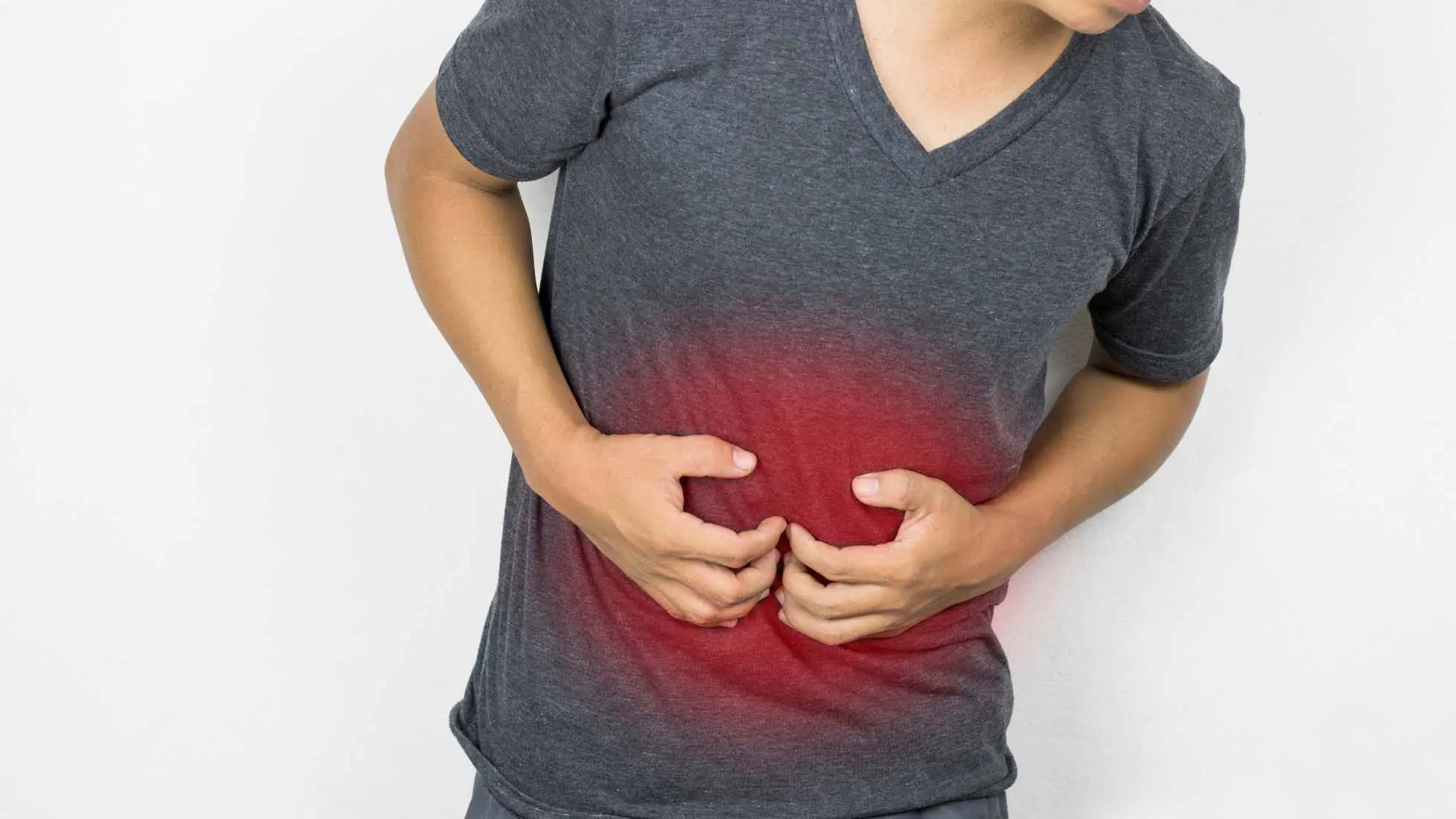
Ayurvedic physician explaining the difference between IBS and chronic constipation Image 2 — Explaining IBS vs Chronic Constipation

Understanding IBS and Chronic Constipation

Irritable Bowel Syndrome (IBS) is a functional gastrointestinal disorder characterised by recurring abdominal discomfort associated with changes in bowel habits. Depending on the individual, IBS may involve constipation, diarrhoea, alternating constipation and diarrhoea, abdominal bloating, excess gas, or a feeling of incomplete bowel emptying. IBS does not cause structural damage to the intestine, but its symptoms can significantly affect daily life.

Chronic constipation generally refers to infrequent bowel movements, difficulty passing stools or persistent straining over an extended period. Many different medical conditions can cause constipation, making proper diagnosis essential.

Ayurvedic physician assessing Agni and digestive capacity Image 3 — Assessing Agni and Digestive Capacity

How Ayurveda Understands Digestive Disorders

Ayurveda places great importance on Agni, the digestive and metabolic capacity of the body. Healthy digestion is considered essential for overall wellbeing. When Agni becomes disturbed, digestive symptoms may develop. Many patients with constipation or IBS also show features of Vata Dosha imbalance, particularly when bowel movements become irregular or difficult. However, not every digestive disorder is the same, and Ayurvedic physicians assess the individual's complete symptom pattern before planning treatment.

Vata Type and Pitta Type Digestive Patterns

One of Ayurveda's strengths is recognising that similar symptoms may have different underlying patterns.

Vata type vs Pitta type digestive issues comparison infographic Image 4 — Vata Type vs Pitta Type Digestive Issues

Vata Dominant Pattern

Dry stools, constipation, bloating

Patients may commonly report dry stools, constipation, abdominal bloating, variable appetite, excess gas and irregular bowel habits. Treatment often focuses on improving bowel regularity while addressing Vata imbalance.

Pitta Dominant Pattern

Burning, urgency, loose stools

Some individuals experience burning sensations, loose stools, increased bowel frequency, acidity and urgency after meals. These patients may require a different treatment strategy. Because many people have mixed patterns, physician assessment is essential before beginning treatment.

Physician Assessment Before Treatment

Every treatment programme begins with a detailed consultation. The physician may evaluate symptom duration, bowel pattern, stool consistency, abdominal pain, bloating, appetite, sleep, stress, diet, previous investigations and current medications.

Patients are encouraged to bring reports such as colonoscopy reports if available, blood investigations, previous prescriptions and gastroenterology consultation notes. This helps ensure that Ayurvedic care complements conventional medical management.

Symptom duration
Bowel pattern
Stool consistency
Abdominal pain & bloating
Appetite & sleep
Stress & diet
Previous investigations
Current medications
Ayurvedic physician preparing herbal formulations for IBS and constipation treatment Image 5 — Herbal Formulations for Digestive Treatment

Ayurvedic Treatment Approach

Treatment depends on the individual's diagnosis, symptoms and overall health. Several therapies may be combined into a personalised treatment plan.

Virechana

Panchakarma

For selected individuals, physician-guided Virechana may be recommended as part of a structured Panchakarma programme, considered only after evaluating digestive strength, general health, disease pattern and clinical suitability. Not every patient with IBS or constipation requires Virechana.

Basti Therapy

Panchakarma

Basti is one of Ayurveda's principal therapies for conditions involving aggravated Vata. When clinically appropriate, physician-supervised Basti may be included in the treatment plan to support healthy bowel function and address broader Vata imbalance.

Individualised Herbal Medicines

Ongoing management

Medicines are prescribed according to the individual's symptoms rather than simply the diagnosis, and may be intended to support digestion, bowel regularity, appetite and overall digestive comfort. The choice of medicine varies from patient to patient. Self-medication is not recommended.

Physician-guided Basti therapy session for digestive health Image 6 — Physician-Guided Basti Therapy Session

Personalised After Physician Assessment

Diet for IBS and Chronic Constipation

Eat regular meals

Stay well hydrated

Include fibre appropriately

Choose freshly prepared foods

Limit foods that trigger symptoms

Lifestyle Habits That Support Gut Health

Everyday habits strongly influence digestive wellbeing. Consistency is often more important than making dramatic short-term changes.

Eat Without Rushing

Mindful, unhurried meals support digestion.

Regular Sleep

Maintain regular sleep schedules.

Walk Regularly

Regular walking supports bowel regularity.

Manage Stress

Stress management supports overall gut health.

Avoid Prolonged Sitting

Movement throughout the day is encouraged.

Don't Skip Meals

Follow physician-guided exercise recommendations and avoid skipping meals.

Working Alongside Your Gastroenterologist

Ayurveda can complement conventional digestive care but should not replace appropriate medical evaluation. Patients should continue gastroenterology consultations, colonoscopy or endoscopy when recommended, blood investigations, imaging studies where indicated, and prescription medicines unless advised otherwise by their doctor.

Certain symptoms require prompt medical attention, including blood in the stool, unexplained weight loss, persistent vomiting, severe abdominal pain, fever with digestive symptoms, or new bowel changes after age 50. These require conventional medical assessment before considering Ayurvedic treatment.

Blood in the stool
Unexplained weight loss
Persistent vomiting
Severe abdominal pain
Fever with digestive symptoms
New bowel changes after age 50

What Results Can You Realistically Expect?

Digestive disorders usually improve gradually rather than overnight. Many patients report improvements such as better bowel regularity, reduced bloating, less abdominal discomfort, improved appetite and better overall digestive comfort. The timeline varies depending on underlying diagnosis, duration of symptoms, diet, stress, lifestyle and adherence to treatment. Long-term digestive health generally requires ongoing attention to daily habits.

Better bowel regularity
Reduced bloating
Less abdominal discomfort
Improved appetite

Begin Your Gut Health Journey

IBS and chronic constipation can significantly affect quality of life, but successful management often requires looking beyond bowel symptoms alone. Ayurveda approaches digestive health by evaluating Agni, Dosha balance, diet, lifestyle and overall wellbeing. Depending on the individual's assessment, treatment may include physician-guided Virechana, Basti, personalised herbal medicines, dietary correction and healthy daily routines.

If you are considering Ayurvedic treatment for IBS, choosing a physician-led centre that works alongside your gastroenterologist provides the safest and most comprehensive approach to long-term digestive care.

Frequently Asked Questions

How is IBS diagnosed during an Ayurvedic consultation?
The Ayurvedic physician evaluates your symptoms, bowel habits, digestion, diet, sleep, stress and medical history. Existing investigations, such as colonoscopy reports or gastroenterology assessments, are also reviewed when available.
Can Ayurvedic treatment help with bloating?
Many patients seek Ayurvedic care for bloating. Treatment focuses on identifying contributing factors such as digestion, bowel habits and dietary triggers rather than addressing bloating as an isolated symptom.
How long before digestive symptoms improve?
Some individuals notice gradual improvement within a few weeks, while long-standing digestive disorders often require a longer period of consistent treatment and lifestyle modification.
Is Ayurvedic treatment safe alongside a gastroenterologist's treatment plan?
Yes. In many cases Ayurveda can complement conventional digestive care. Continue prescribed medicines and investigations unless your gastroenterologist advises otherwise, and ensure both healthcare providers know about all treatments you are receiving.

Ready to Restore Your Digestive Health?

Receive a physician-led consultation with Dr. Sreejith and Dr. Diana Sreejith at Pranavam Ayurvedam, combining Agni assessment, Virechana, Basti and personalised diet guidance for lasting digestive comfort.

This article is for general educational purposes and does not constitute individual medical advice. IBS and chronic constipation require proper clinical diagnosis. Ayurvedic treatment should only be undertaken following a full consultation with a qualified Ayurvedic physician, alongside continued care from your gastroenterologist where needed. Treatment outcomes vary by individual.