Ayurvedic Treatment for Arthritis in Kerala | Pranavam Ayurveda
Chronic Arthritis · Authentic Kerala Ayurveda

Ayurvedic Treatment for Arthritis in Kerala: A Holistic Approach at Pranavam Ayurveda Hospital

A physician-led guide from Pranavam Ayurveda Hospital explaining how Ayurveda approaches arthritis by addressing its root cause through personalised treatments, authentic Kerala therapies, lifestyle guidance, and Panchakarma.

P
Pranavam Ayurveda Team
• Kozhikode, Kerala
Ayurvedic Arthritis Therapy at Pranavam Ayurveda Hospital Image 1 — Ayurvedic Arthritis Therapy at Pranavam Ayurveda Hospital
Quick Answer

Arthritis is more than joint pain, it is a chronic condition that affects movement, flexibility, and overall quality of life. While conventional treatments often focus on reducing pain and inflammation, Ayurveda aims to identify the underlying imbalance causing the condition. At Pranavam Ayurveda Hospital in Kerala, experienced Ayurvedic physicians create personalised treatment plans that may include Panchakarma, Abhyanga, Pizhichil, Elakizhi, herbal medicines, dietary guidance, and lifestyle modifications to support long-term joint health and mobility.

Arthritis is one of the most common musculoskeletal conditions affecting people of all ages, although it becomes increasingly common with advancing age. It refers to inflammation or degeneration of the joints, leading to pain, stiffness, swelling, and reduced mobility.

For many individuals, arthritis gradually affects everyday activities such as walking, climbing stairs, writing, or even holding objects comfortably. Left untreated, it may significantly reduce independence and overall quality of life.

While medications may temporarily reduce symptoms, many people continue to experience recurring pain and progressive joint stiffness over time. Ayurveda takes a broader view by understanding why the condition developed in the first place and addressing the body's internal imbalance rather than simply suppressing symptoms.
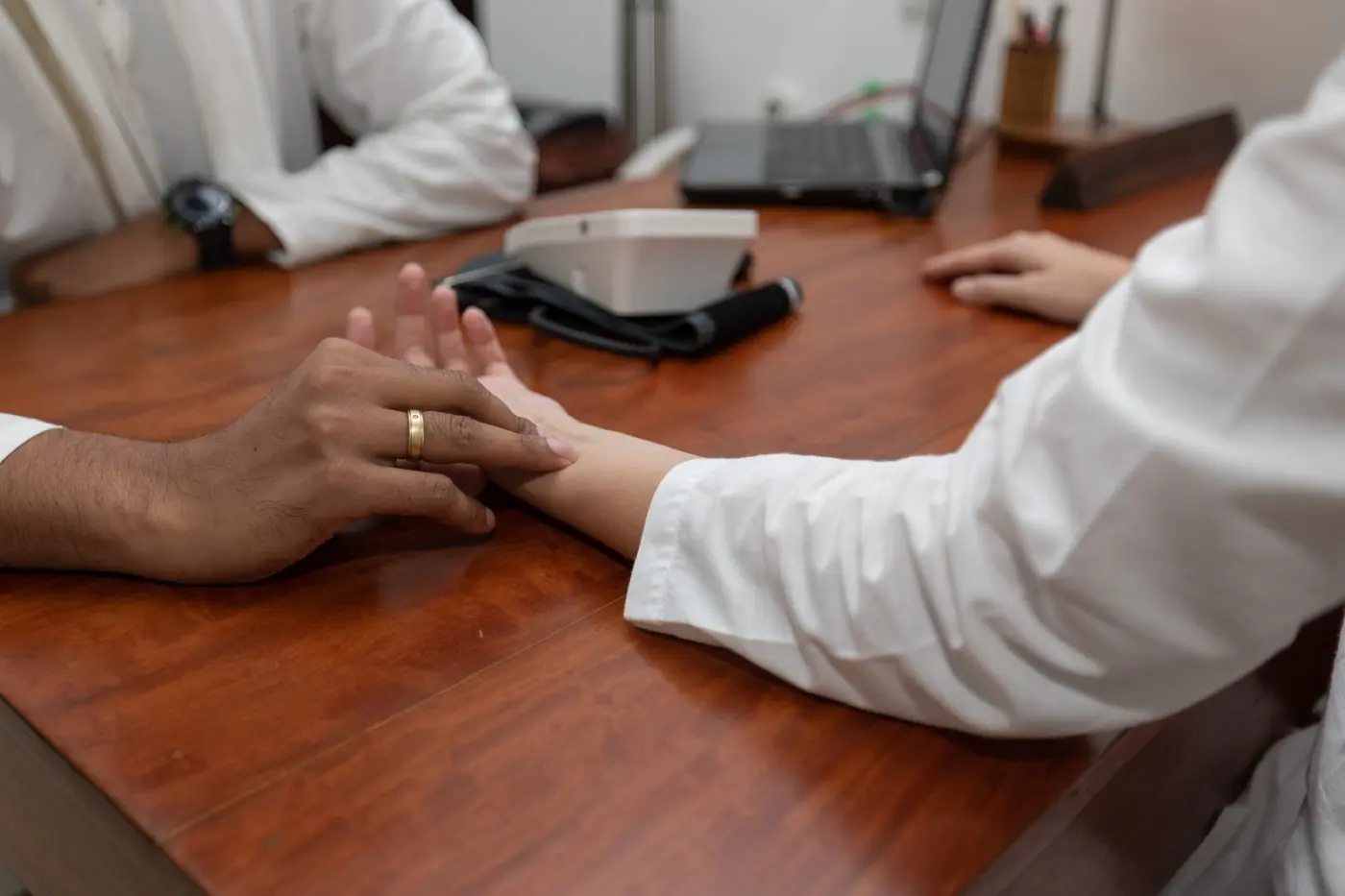
Ayurvedic Consultation for Arthritis at Pranavam Ayurveda Hospital Image 2 — Ayurvedic Consultation for Arthritis at Pranavam Ayurveda Hospital

What Is Arthritis?

Ayurveda takes a broader view of arthritis by understanding why the condition developed and addressing the body's internal imbalance, evaluating the individual's overall health rather than simply suppressing symptoms with temporary relief.

Common Symptoms of Arthritis

Arthritis symptoms may develop gradually or appear suddenly depending on the underlying condition. Seeking professional evaluation early often helps prevent further joint damage.

Persistent joint pain
Morning stiffness
Swelling around joints
Reduced flexibility
Difficulty walking
Pain during movement
Tenderness in affected joints
Joint warmth or inflammation
Cracking or grinding sensations
Weak grip strength
Fatigue from chronic inflammation
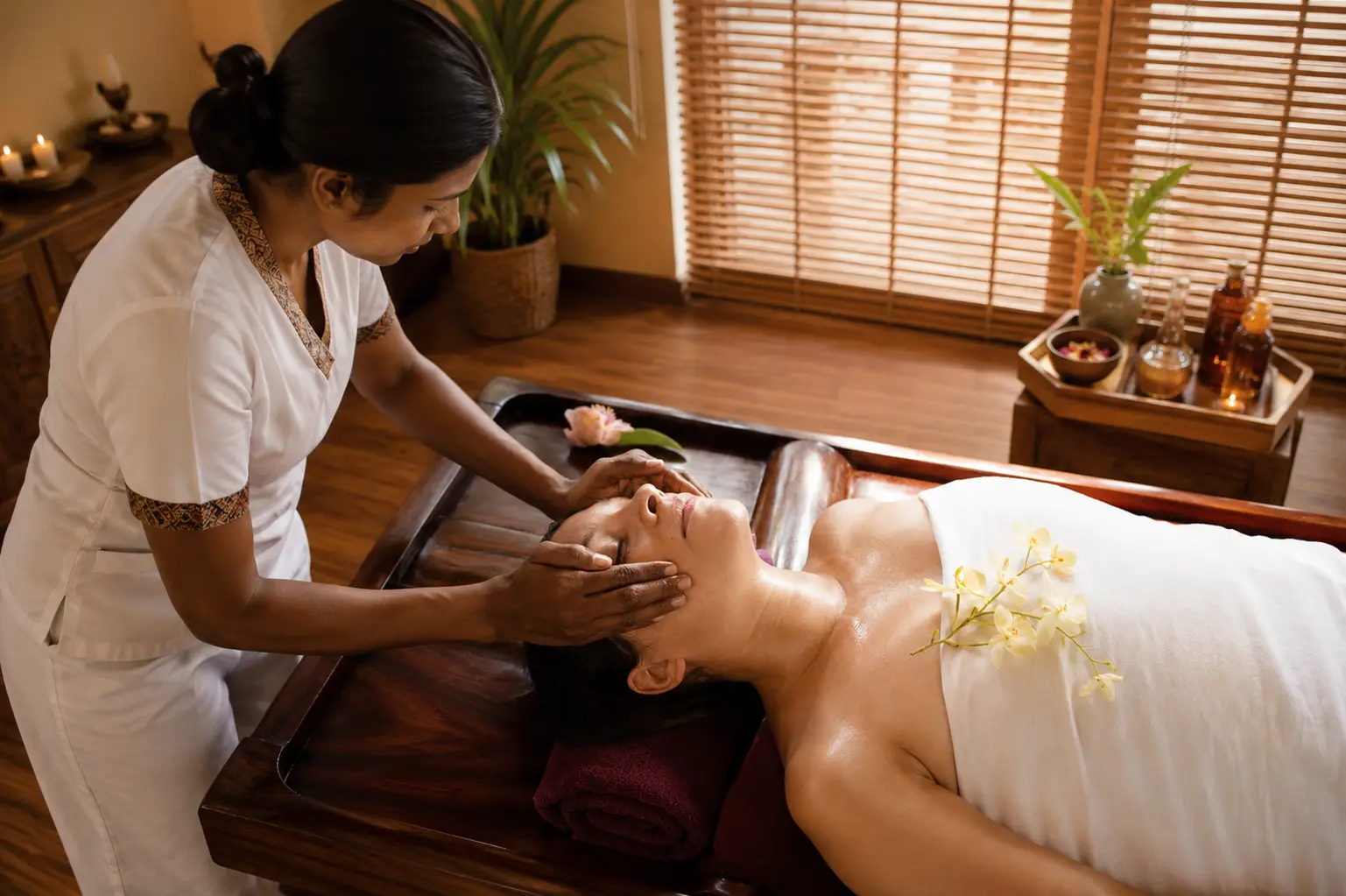
Abhyanga Therapy for Arthritis at Pranavam Ayurveda Hospital Image 3 — Abhyanga Therapy for Arthritis at Pranavam Ayurveda Hospital

How Ayurveda Understands Arthritis

According to Ayurveda, arthritis is primarily associated with an imbalance of Vata Dosha, although Ama (metabolic toxins) and Kapha may also contribute depending on the specific type of arthritis.

When digestion becomes weak, toxins accumulate within the body and may settle in vulnerable joints. Combined with aggravated Vata, this can result in pain, stiffness, inflammation, and reduced movement.

Rather than treating arthritis as only a joint disease, Ayurvedic physicians evaluate multiple aspects of an individual's health before recommending treatment. These include:

  • Body constitution (Prakriti)
  • Current Dosha imbalance
  • Digestive strength (Agni)
  • Lifestyle habits
  • Previous illnesses
  • Age
  • Stress levels
  • Physical activity

This personalised assessment allows treatment to be tailored to each individual rather than following a one-size-fits-all approach.

Understanding the Root Cause

One of Ayurveda's fundamental principles is treating the underlying cause rather than simply reducing symptoms. During consultation, Ayurvedic physicians carefully assess factors including:

Daily routine
Occupation
Physical activity
Sleep quality
Dietary habits
Digestion
Stress levels
Previous medical history
Joint involvement
Overall health condition

By understanding how these factors contribute to arthritis, treatment can focus on restoring balance throughout the body.

Ayurvedic Treatments for Arthritis

Treatment plans vary according to the patient's condition, age, severity, and overall health. Every therapy is selected after physician evaluation.

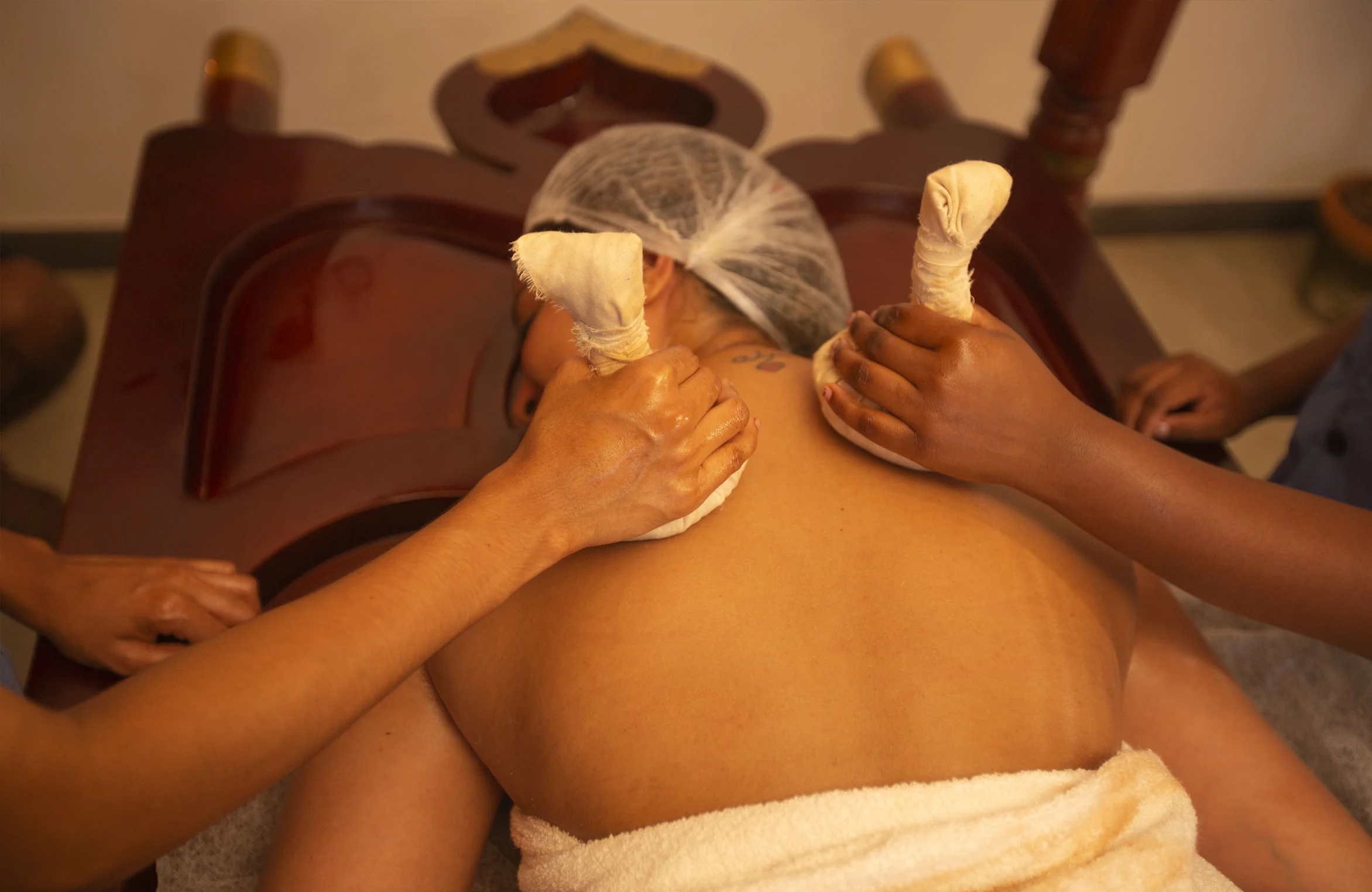
Elakizhi Herbal Poultice Therapy for Arthritis Image 4 — Elakizhi Herbal Poultice Therapy for Arthritis

Abhyanga

Full body herbal oil massage

A therapeutic massage using medicated herbal oils that nourishes joints, improves circulation, reduces stiffness, and promotes relaxation.

Pizhichil

Traditional Kerala oil therapy

Warm medicated oils are continuously poured over the body while gentle massage techniques are performed. This therapy is commonly recommended for joint disorders and muscle stiffness.

Elakizhi

Herbal poultice therapy

Warm herbal poultices are applied over affected joints to help reduce stiffness, improve circulation, and relieve discomfort.

What Supports Joint Health

Lifestyle Changes That Support Joint Health

Medical treatment works best when combined with healthy daily habits that reduce unnecessary stress on the joints.

Regular Movement
Gentle exercises and stretching help maintain flexibility.

Weight Management
Maintaining a healthy body weight reduces pressure on weight-bearing joints.

Adequate Rest
Proper sleep supports tissue repair and recovery.

Stress Management
Managing stress helps balance Vata and supports overall wellbeing.

Posture
Maintaining good posture reduces strain on joints and muscles.

Daily Routine
Following a consistent daily routine supports better digestion and dosha balance.

Diet for Arthritis in Ayurveda

Diet plays an important role in Ayurvedic arthritis management. Physicians recommend personalised dietary guidance based on the individual's constitution and digestive health.

Warm, freshly prepared meals
Easily digestible foods
Anti-inflammatory herbs and spices
Adequate hydration
Healthy fats that support joint lubrication
Limiting processed foods
Avoiding excessively cold foods and drinks
Reducing heavy, oily, or difficult-to-digest meals

Dietary recommendations are always customised after physician consultation.

When Should You Seek Professional Care?

You should consult an Ayurvedic physician if you experience:

Persistent Pain

Persistent joint pain that does not resolve with rest.

Prolonged Stiffness

Morning stiffness lasting more than 30 minutes.

Swelling

Swollen joints that appear inflamed or tender.

Movement Difficulty

Difficulty walking or reduced joint movement.

Recurrent Inflammation

Inflammation that keeps returning over time.

Daily Life Impact

Joint pain interfering with daily activities, or previous treatments giving only temporary relief.

Early assessment often improves treatment outcomes and helps prevent progression.

Pranavam Ayurveda Hospital exterior, Kozhikode, Kerala Image 5 — Pranavam Ayurveda Hospital, Kozhikode

Why Choose Pranavam Ayurveda Hospital?

For nearly two decades, Pranavam Ayurveda Hospital has been providing authentic Kerala Ayurveda through physician-led, personalised treatment programmes.

Every patient undergoes a comprehensive consultation before treatment begins, allowing physicians to understand the underlying cause of arthritis and recommend therapies tailored to individual needs.

Patients choose Pranavam because of:

  • Experienced Ayurvedic physicians
  • Personalised arthritis treatment plans
  • Authentic Kerala Panchakarma therapies
  • Traditional Ayurvedic medicines
  • Comfortable inpatient facilities
  • Holistic approach focused on long-term joint health
  • Compassionate care rooted in classical Ayurveda

Frequently Asked Questions

Can Ayurveda help manage arthritis?
Yes. Ayurveda addresses the underlying imbalance behind arthritis — commonly involving Vata Dosha and accumulated toxins (Ama) — through personalised therapies, herbal medicines, diet, and lifestyle guidance, rather than only managing symptoms.
Which type of arthritis can Ayurveda treat?
Ayurvedic physicians assess each patient's condition individually. Treatment plans are tailored based on the type and severity of arthritis, the patient's constitution, and overall health after a full consultation.
Is Panchakarma recommended for arthritis?
For suitable patients, Panchakarma may be recommended to eliminate accumulated toxins, balance the doshas, and support long-term joint health, always under close medical supervision.
How long does Ayurvedic treatment take?
Duration varies according to the patient's condition, severity, and overall health, and is determined by the physician after assessment.
Can lifestyle changes improve arthritis symptoms?
Yes. Regular gentle movement, weight management, adequate rest, stress management, good posture, and a consistent daily routine all support joint health alongside medical treatment.
Is inpatient treatment necessary?
This depends on the individual's condition and the treatment plan recommended by the physician. Pranavam Ayurveda Hospital offers comfortable inpatient facilities for patients who require them.

Begin Your Journey Towards Better Joint Health

Living with arthritis should not mean accepting constant pain and limited movement as a permanent part of life. Through personalised Ayurvedic care, authentic Kerala therapies, and a holistic treatment approach, Pranavam Ayurveda Hospital helps patients work towards improved mobility, reduced discomfort, and better overall wellbeing.

Ready to Take Control of Arthritis Pain?

Book a consultation with Dr. Sreejith or Dr. Diana Sreejith for a personalised evaluation and explore the most suitable Ayurvedic treatment options to help reduce joint pain, improve mobility, and support long term joint health.

This article is for general educational purposes and does not constitute individual medical advice. Ayurvedic treatment for arthritis should only be undertaken following a full consultation and ongoing supervision by a qualified Ayurvedic physician. Treatment outcomes vary by individual.