Ayurveda for Stress and Anxiety: How Shirodhara, Nasya and Medhya Rasayana Work Together
Mind-Body Balance · Stress & Anxiety Care · Authentic Kerala Ayurveda

Ayurveda for Stress and Anxiety: How Shirodhara, Nasya and Medhya Rasayana Work Together

A physician-led guide from Pranavam Ayurveda Hospital on how Ayurveda approaches stress and anxiety through Shirodhara, Nasya, Medhya Rasayana and daily routine guidance, always alongside, never in place of, professional mental health care.

P
Pranavam Ayurveda
• Kozhikode, Kerala
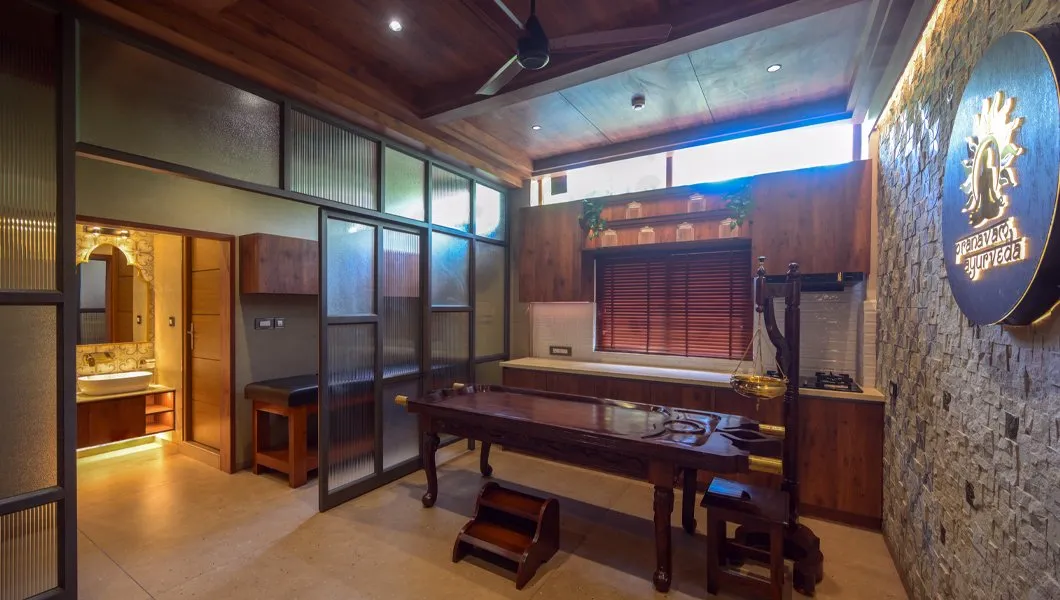
Calm clinical environment for stress and anxiety care at Pranavam Ayurveda Hospital Image 1 — Stress, Anxiety and Neurology Care at Pranavam Ayurveda Hospital
Quick Answer

Ayurveda approaches stress and anxiety by looking at the relationship between the mind (Manas) and the body rather than focusing only on individual symptoms. At Pranavam Ayurvedam, a detailed consultation guides the selection of therapies such as Shirodhara, Nasya and Medhya Rasayana herbs, combined with daily routine guidance. These are intended to complement, not replace, psychological counselling or psychiatric care where that is needed.

Modern life rarely slows down. Tight work schedules, family responsibilities, financial pressures and constant digital connectivity leave many people feeling mentally exhausted. While occasional stress is a normal part of life, persistent stress and anxiety can begin to affect sleep, concentration, relationships and physical health.

Many people notice that when stress continues for weeks or months, it does not remain "only in the mind." It may lead to headaches, muscle tension, digestive discomfort, fatigue or disturbed sleep.

Ayurveda approaches these concerns by looking at the relationship between the mind and the body. Rather than focusing only on individual symptoms, it aims to understand the person's overall balance, daily routine, digestion, sleep and emotional wellbeing.

At Pranavam Ayurvedam, treatment begins with a detailed consultation. Therapies are selected according to the individual's symptoms and health status, and when necessary, patients are encouraged to continue or seek care from qualified mental health professionals.

Vata and the mind — how aggravated Vata is linked with restlessness and disturbed sleep in Ayurveda Image 2 — Vata and the Mind Infographic

Understanding Stress and Anxiety in Ayurveda

Ayurveda describes the mind as Manas, which is closely connected to both physical health and emotional balance. Many symptoms associated with ongoing stress are traditionally linked with an aggravation of Vata Dosha, particularly when daily routines become irregular or when there is prolonged physical or emotional strain.

However, Ayurveda also recognises that every person responds differently. This is why treatment is always personalised rather than based on symptoms alone.

An aggravated Vata may be associated with:

  • Restlessness
  • Racing thoughts
  • Difficulty relaxing
  • Disturbed sleep
  • Anxiety
  • Poor concentration
  • Fatigue

How Stress Affects the Body

Long-term stress can influence multiple aspects of health. When these symptoms persist, they deserve proper evaluation rather than being dismissed as "just stress."

Difficulty sleeping
Frequent headaches
Neck & shoulder tightness
Digestive discomfort
Reduced concentration
Irritability
Fatigue
Feeling overwhelmed

The Importance of Physician Assessment

Not everyone experiencing anxiety requires the same treatment. Before recommending therapies, the Ayurvedic physician evaluates a range of factors. This helps determine whether therapies such as Shirodhara or Nasya are appropriate and whether referral to another healthcare professional is also needed.

Current symptoms
Sleep quality
Medical history
Existing medications
Lifestyle & work pattern
Digestive health
Previous mental health diagnosis
Overall body constitution
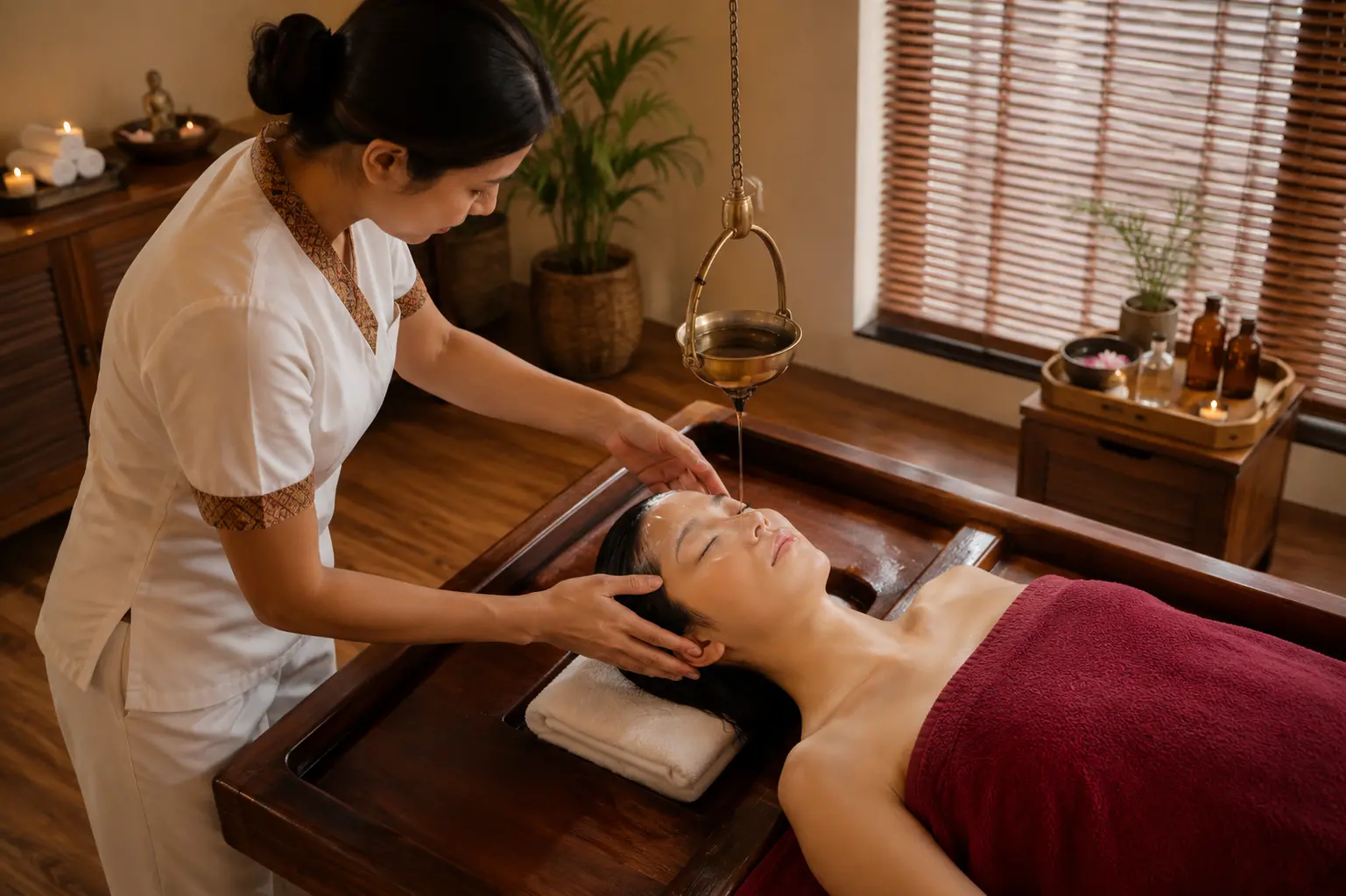
Shirodhara therapy session performed by trained therapists at Pranavam Ayurveda Hospital Image 3 — Shirodhara Therapy Session at Pranavam Ayurveda Hospital

Shirodhara: A Therapy for Deep Relaxation

Relaxation-focused therapy

Among Ayurvedic therapies, Shirodhara is one of the most recognised for supporting relaxation. During the procedure, a continuous stream of warm medicated oil or another physician-selected liquid is gently poured over the forehead in a controlled manner for a prescribed period, performed in a calm environment by trained therapists under physician guidance.

The goals of Shirodhara may include supporting:

  • Mental relaxation
  • Better sleep
  • Emotional calmness
  • Reduced physical tension
  • Improved sense of wellbeing

Although many patients feel relaxed immediately after the session, individual responses vary. Shirodhara should be viewed as one component of a broader treatment plan rather than a standalone solution for anxiety disorders.

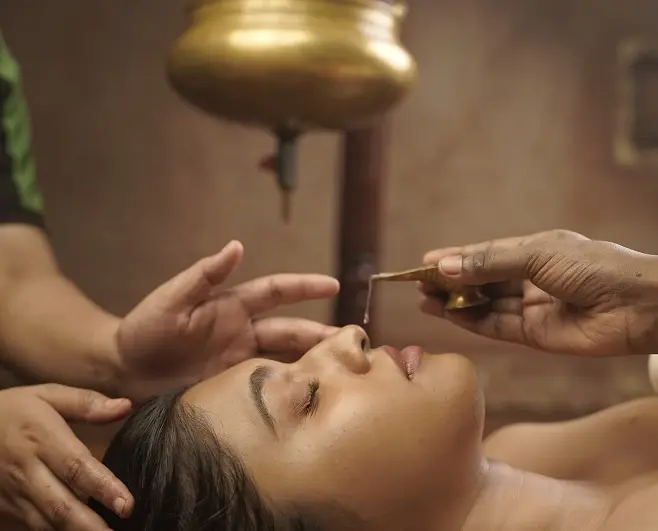
Nasya nasal therapy supporting mental clarity at Pranavam Ayurveda Hospital Image 4 — Nasya Nasal Therapy for Mental Clarity

Nasya: Supporting Mental Clarity

Nasal therapy

Nasya is an Ayurvedic therapy in which physician-selected medicated oil or herbal preparations are administered through the nostrils. In Ayurveda, the nasal passages are considered an important route for therapies involving the head and neck. The procedure is performed after appropriate preparation and is selected only when clinically suitable.

Depending on the individual's condition, Nasya may be recommended for:

  • Sinus congestion
  • Head heaviness
  • Certain types of tension-related headaches
  • Mental fatigue
  • Difficulty concentrating

Patients should avoid attempting therapeutic Nasya at home without professional guidance.

Medhya Rasayana: Traditional Ayurvedic Support for the Mind

Ayurveda describes a group of herbs known as Medhya Rasayana, traditionally used to support cognitive function and mental wellbeing. The physician selects medicines based on the individual's constitution, symptoms and medical history.

Brahmi

Traditionally used in Ayurveda to support memory, concentration and mental clarity.

Ashwagandha

Widely used as a Rasayana herb that supports overall wellbeing and helps the body adapt to stress.

Jatamansi

Traditionally used in formulations intended to promote mental calmness and healthy sleep.

These herbs should always be prescribed by a qualified Ayurvedic physician, particularly if the individual is pregnant, breastfeeding or taking prescription medications. Self-medication is not recommended.

Daily Routine (Dinacharya) Matters

Clinical therapies are only one part of Ayurvedic care. Daily habits often play an equally important role in supporting mental wellbeing. The specific recommendations are always tailored to the individual.

Regular Sleep

Going to bed and waking up at consistent times helps support healthy body rhythms.

Mindful Eating

Eating freshly prepared meals at regular times may support digestion, closely linked with overall health.

Gentle Physical Activity

Walking, yoga or physician-approved exercise can help reduce physical tension.

Digital Breaks

Reducing unnecessary screen time, particularly before bedtime, may improve sleep quality.

Relaxation Practices

Breathing exercises, meditation or quiet time in nature may complement clinical therapies.

Integrated, Responsible Care

Can Ayurveda Be Combined with Modern Mental Health Care?

Yes. Responsible mental healthcare often involves collaboration between different healthcare professionals. Patients should never stop prescription medication for anxiety or depression without discussing the decision with the prescribing doctor. Integrated care helps ensure that treatment remains safe and appropriate.

Psychological counselling

Cognitive behavioural therapy (CBT)

Stress management programmes

Psychiatric care

Lifestyle medicine

When Should You Seek Professional Mental Health Support?

Although stress is common, some symptoms require prompt professional evaluation. Ayurveda can play a supportive role, but the situations below require comprehensive mental health assessment. If you are already receiving care from a psychologist or psychiatrist, inform your Ayurvedic physician so that treatments can be coordinated appropriately.

Persistent anxiety lasting several weeks
Panic attacks
Depression
Significant changes in appetite
Severe sleep disturbance
Difficulty functioning at work or home
Thoughts of self-harm or suicide
Increasing social withdrawal

What Results Can You Realistically Expect?

Every person's experience is different. Some individuals report feeling more relaxed after the first few sessions of Shirodhara, while others notice gradual improvement over several weeks when therapies are combined with lifestyle changes. Recovery depends on many factors, including the duration of symptoms, underlying medical conditions and adherence to the treatment plan.

Better relaxation
Improved sleep quality
Reduced physical tension
Better concentration
Improved overall wellbeing
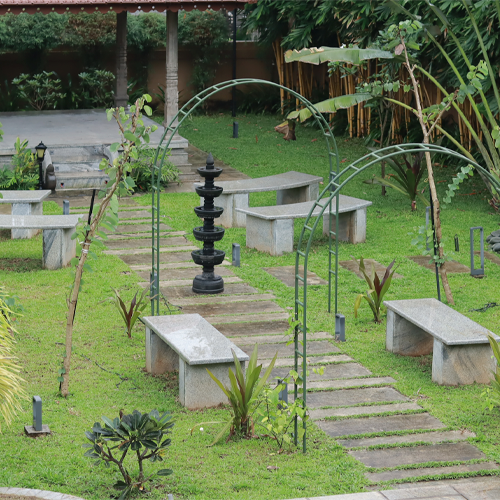
Peaceful Ayurvedic garden and meditation area at Pranavam Ayurveda Hospital Image 5 — Peaceful Ayurvedic Garden and Meditation Area

Conclusion

Stress and anxiety affect both the mind and the body. Ayurveda approaches these concerns through a personalised combination of physician-guided therapies, herbal medicines and healthy daily routines. At Pranavam Ayurvedam, therapies such as Shirodhara, Nasya and carefully selected Medhya Rasayana are recommended only after a detailed consultation. Equally important is recognising when psychological counselling, psychiatric care or other medical support should be part of the treatment plan.

Frequently Asked Questions

Can Ayurveda replace therapy or medication for anxiety?
No. Ayurveda should not replace psychological therapy or prescribed medication when these are recommended by a qualified healthcare professional. It may be used as a complementary approach under the guidance of both your Ayurvedic physician and mental health provider.
How soon do people typically feel calmer?
Some individuals describe feeling relaxed after a Shirodhara session, while others notice gradual improvement over several weeks. The response depends on the underlying cause of symptoms, overall health and the complete treatment plan.
Is this suitable for occasional stress or only chronic anxiety?
Ayurvedic consultation may be beneficial for both occasional stress and longer-term concerns. The physician determines whether therapies are appropriate based on your symptoms, health status and treatment goals.
Are Medhya Rasayana herbs safe for long-term use?
The safety and duration of use depend on the specific herb, dosage, medical history and any other medicines being taken. Herbal formulations should always be prescribed and monitored by a qualified Ayurvedic physician.

Ready to Explore Ayurvedic Support for Stress and Anxiety?

For individuals looking for Ayurveda for stress and anxiety, the most effective approach combines traditional Ayurvedic principles with responsible, evidence-informed healthcare. Book a consultation to discuss a personalised plan.

This article is for general educational purposes and does not constitute individual medical or psychological advice. Ayurvedic therapies for stress and anxiety should only be undertaken following a full consultation and ongoing supervision by a qualified Ayurvedic physician, and should not replace psychological or psychiatric care where that is needed. If you are experiencing thoughts of self-harm or suicide, please seek immediate help from a mental health professional or emergency service.