Ayurvedic Postnatal Care in Calicut — What to Expect
Sutika Kala · Postnatal Recovery · Authentic Kerala Ayurveda

Ayurvedic Postnatal Care in Calicut: What New Mothers Should Expect, Week by Week

Learn what to expect from Ayurvedic postnatal care in Calicut, including recovery timelines, diet, therapies and physician-guided support for new mothers.

P
Pranavam Ayurveda
• Kozhikode, Kerala
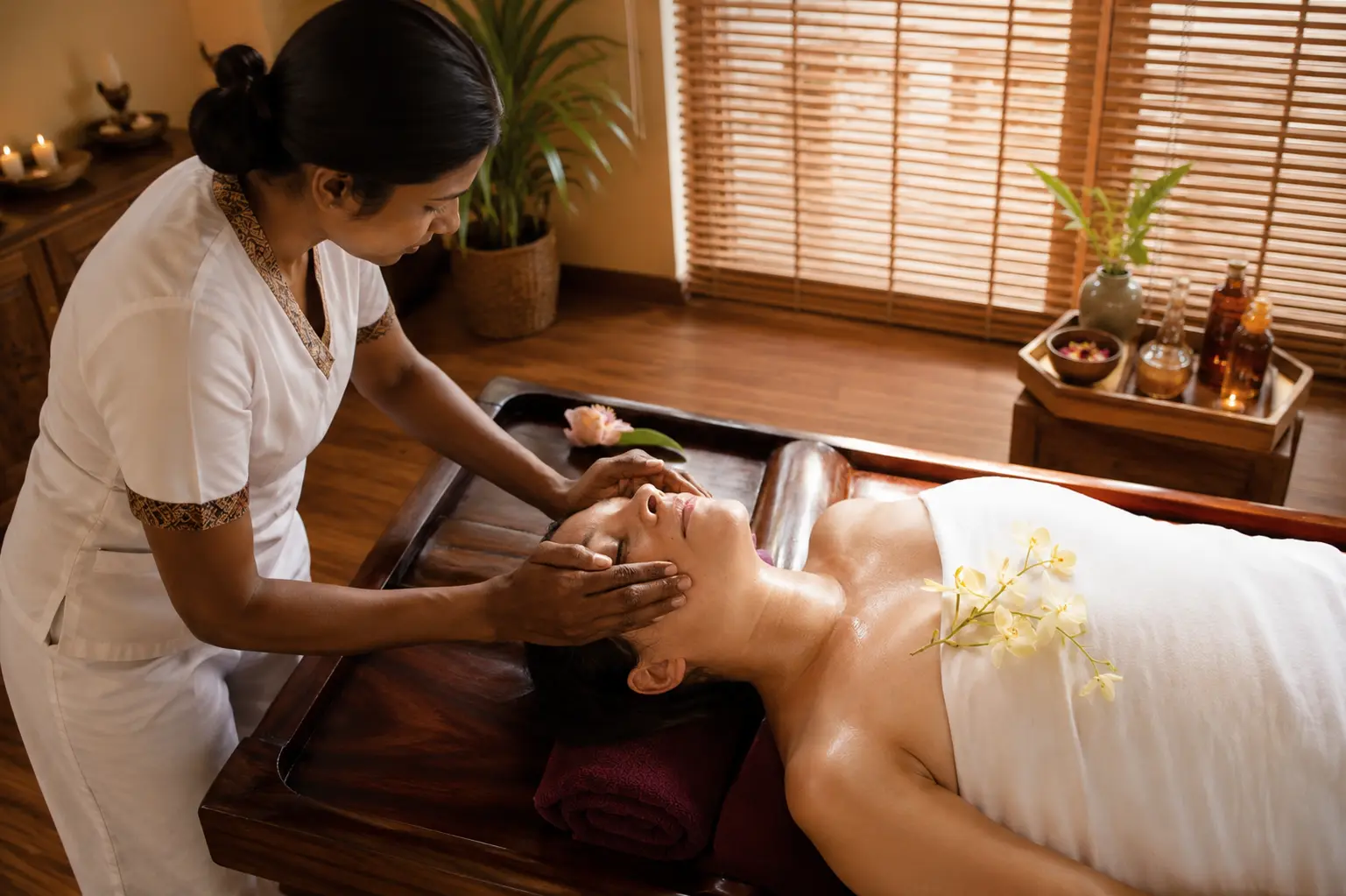
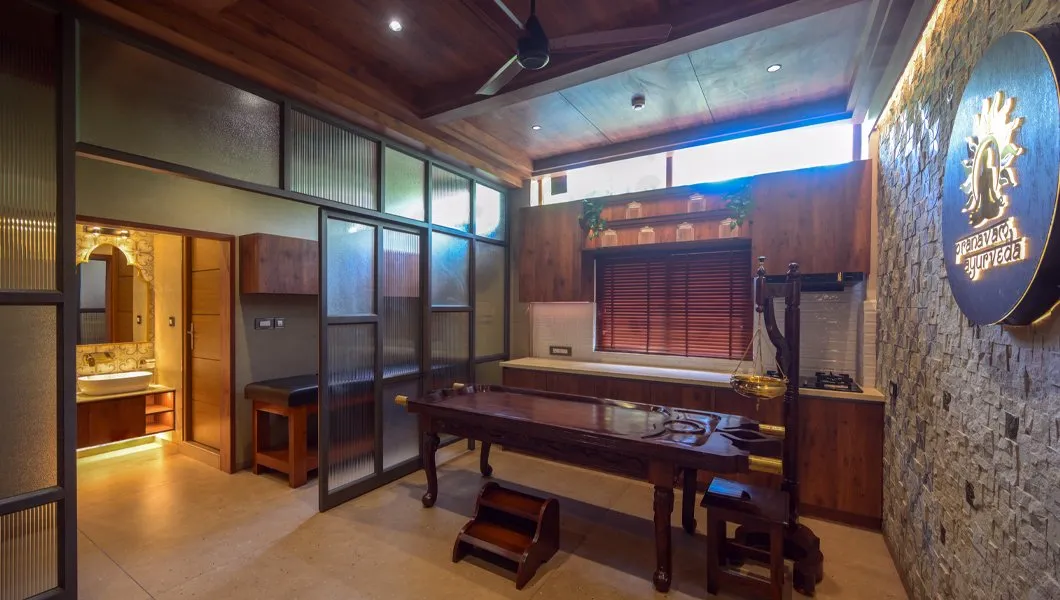
Calm postnatal recovery room at Pranavam Ayurveda Hospital Image 1 — Postnatal Recovery Room at Pranavam Ayurveda Hospital
Quick Answer

Ayurveda calls the weeks after childbirth Sutika Kala, a period when the mother's body gradually returns to its pre-pregnancy state. At Pranavam Ayurvedam, postnatal care is personalised according to the mother's health, type of delivery and stage of recovery, moving through gentle recovery in week 1, regaining strength in week 2, and returning to daily life in week 3 — always under physician guidance and, when required, in coordination with the treating obstetrician.

The weeks after childbirth are often filled with joy, excitement and countless new responsibilities. At the same time, they are also a period when a mother's body is recovering from pregnancy, labour and delivery. Physical healing, breastfeeding, sleep changes and emotional adjustments all happen at once, making postnatal recovery an important part of overall maternal health.

In Kerala, Ayurveda has long recognised this period as a time that deserves dedicated care rather than simply waiting for the body to recover on its own. Traditional postnatal programmes focus on supporting the mother's strength, digestion, mobility and emotional wellbeing through physician-guided therapies, nutritious food and structured rest.

At Pranavam Ayurvedam, every postnatal care programme is personalised according to the mother's health, type of delivery and stage of recovery. Whether the birth was vaginal or by Caesarean section, treatment is planned only after a detailed consultation and, when required, in coordination with the treating obstetrician.

If you are searching for Ayurvedic postnatal care in Calicut, this guide explains what recovery may look like week by week, what therapies are commonly included and how families can support new mothers during this important stage.
Week by week postnatal recovery infographic: healing, strength, and home transition Image 2 — Week by Week Postnatal Recovery (Infographic)

Why is the Postnatal Period Important in Ayurveda?

Ayurveda refers to the period after childbirth as Sutika Kala, a special phase during which the mother's body gradually returns to its pre-pregnancy state.

According to Ayurvedic principles, childbirth is associated with an increase in Vata Dosha because of the physical effort involved in labour and the changes the body undergoes after delivery. For this reason, traditional postnatal care focuses on restoring balance through nourishment, warmth, rest and gradual rehabilitation rather than rushing back into daily routines.

During these weeks, several changes occur simultaneously:

Uterus returning to normal size
Rapidly changing hormone levels
Establishing breastfeeding
Irregular sleep patterns
Muscles and ligaments recovering
Replenishing energy reserves
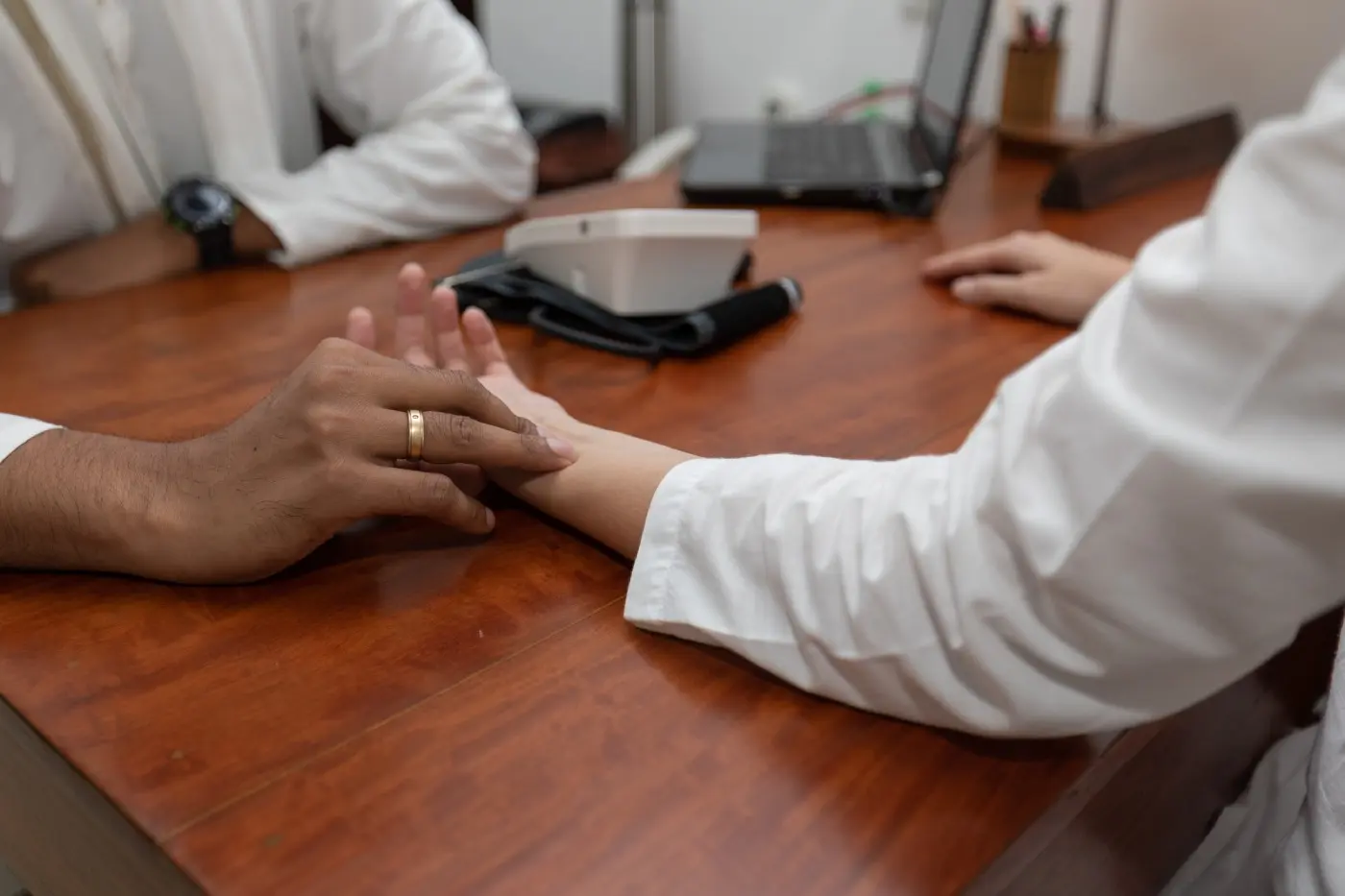
Physician assessment before starting Ayurvedic postnatal care Image 3 — Physician Assessment Before Postnatal Care

Before the Programme Begins

Every mother's recovery is different. Before recommending therapies, the Ayurvedic physician assesses type of delivery, general health, recovery progress, breastfeeding status, surgical wound healing if applicable, existing medical conditions, current medications, and advice from the obstetrician when needed. Only after this assessment is an individual treatment plan prepared.

Type of delivery
General health
Recovery progress
Breastfeeding status
Surgical wound healing (if applicable)
Existing medical conditions
Current medications
Obstetrician's advice, when needed

Week 1: Gentle Recovery and Rest

The first week is centred on healing. Rather than intensive treatments, the focus is on allowing the body to recover safely while providing appropriate support.

Ayurvedic Abhyanga therapy for a new mother performed under physician supervision Image 4 — Postnatal Abhyanga Therapy Under Physician Supervision

Physician Evaluation

First consultation

The programme begins with a consultation to understand the mother's condition and determine which therapies are suitable.

Rest Comes First

Family support

Adequate rest is encouraged because childbirth places significant physical demands on the body. Family support during this stage is especially valuable, allowing the mother to focus on recovery and newborn care.

Supporting Digestion

Warm, nutritious meals

Ayurveda considers healthy digestion essential during the postnatal period. Meals are generally planned to be warm, freshly prepared, easy to digest and nutritious. The exact diet depends on the mother's health and nutritional needs.

Week 2: Regaining Strength

As healing progresses, the treatment programme gradually expands. The pace depends on the mother's recovery rather than a fixed schedule.

Herbal steam therapy supporting postnatal recovery Image 5 — Herbal Steam Therapy for Postnatal Recovery

Continued Ayurvedic Therapies

AbhyangaHerbal steam

Depending on physician assessment, treatment may include therapeutic Abhyanga, herbal steam therapy where appropriate, and other physician-guided supportive treatments. The objective is to improve comfort while helping the body regain strength gradually.

Improving Mobility

Gradual activity

Many mothers begin feeling more comfortable walking, sitting and caring for their baby during the second week. Activity levels are increased gradually according to individual recovery.

Breastfeeding Support

Dietary guidance

The physician may also provide dietary advice that supports breastfeeding while maintaining the mother's nutritional needs.

Week 3: Returning to Daily Life

The final stage focuses on preparing the mother for life at home while continuing recovery.

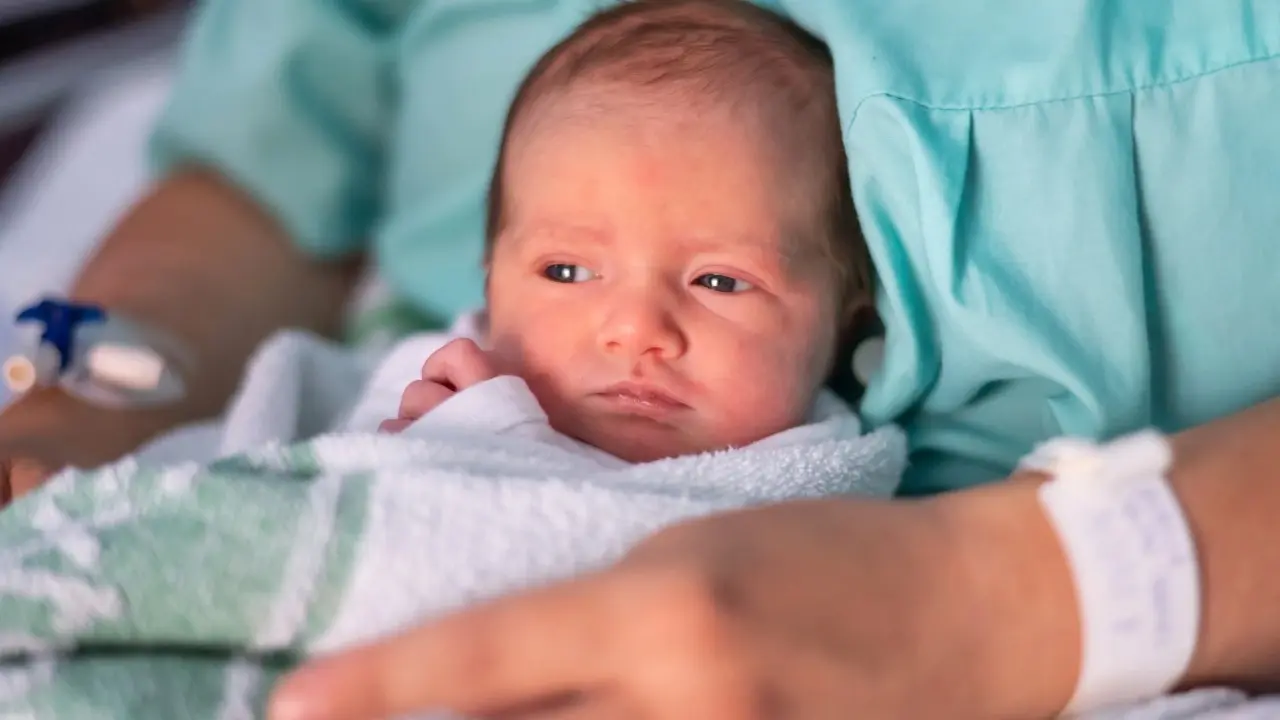
Mother transitioning home confidently after postnatal recovery Image 6 — Returning Home After Postnatal Recovery

Building Confidence

Gradual improvement

Many women notice gradual improvements in energy levels, physical comfort, walking and daily activities. Recovery is different for every individual, and comparison with others is rarely helpful.

Lifestyle Guidance

Before discharge

Before completing the programme, mothers receive advice regarding safe lifting techniques, baby care posture, sleep whenever possible, gentle physical activity, and home exercises when appropriate. These recommendations help support long-term recovery after discharge.

Nourishing the Body, Supporting Digestion

Postnatal Diet in Ayurveda

Food is considered an important part of recovery. Rather than following restrictive diets, Ayurveda generally encourages meals that nourish the body while supporting healthy digestion. Dietary advice should always be personalised rather than copied from general internet recommendations.

Depending on physician assessment, meals may include:

Warm soups

Comforting and easy to digest.

Freshly cooked vegetables

Prepared and served soon after cooking.

Soft rice preparations

Gentle on digestion during recovery.

Easily digestible lentils

A source of nourishment that's gentle on the gut.

Adequate fluids

Maintained throughout the day.

Breastfeeding-supportive foods

Included where appropriate, per physician guidance.

Processed foods, irregular eating habits and excessive cold foods may be limited depending on the individual's needs.

Family supporting a new mother during postnatal recovery Image 7 — Family Support During Postnatal Recovery

Emotional Wellbeing Matters Too

Recovery after childbirth is not only physical. Many mothers experience emotional ups and downs, fatigue, anxiety, lack of confidence and sleep deprivation. These feelings are common during the early weeks of motherhood.

At Pranavam Ayurvedam, postnatal care also recognises the importance of emotional support, family involvement and adequate rest.

However, persistent sadness, severe anxiety, difficulty bonding with the baby or thoughts of self-harm require prompt assessment by a qualified mental health professional. Ayurveda can complement appropriate medical care but should not delay treatment for postpartum depression or other serious mental health conditions.

The Role of Family

Postnatal recovery is often easier when family members actively participate. A supportive environment allows the mother to focus on healing without unnecessary physical or emotional stress.

Helping with household work
Assisting with newborn care
Encouraging adequate rest
Preparing nutritious meals
Accompanying to follow-up visits

Choosing the Best Postnatal Care in Calicut

If you are comparing options for the best postnatal care in Calicut or searching for postnatal care near me, look beyond the list of therapies. Avoid centres that offer identical packages to every mother without first understanding her medical history or type of delivery.

Physician-led assessment before treatment
Individualised recovery plans
Qualified therapists
Clean, comfortable treatment facilities
Breastfeeding guidance
Coordination with obstetric care
Follow-up support after the programme

What Physician-Guided Care May Support

What Results Can You Realistically Expect?

The purpose of Ayurvedic postnatal care is to support recovery — not to promise rapid weight loss or immediate return to pre-pregnancy fitness. The timeline depends on type of delivery, general health, nutrition, sleep, family support and individual healing patterns. Recovery continues long after the programme has ended, making home care just as important as clinical treatment.

Physical comfort

Mobility

Energy levels

Confidence with daily activities

Overall wellbeing

Why Choose Pranavam Ayurvedam?

The weeks following childbirth are an investment in a mother's long-term health. Traditional Ayurvedic postnatal care provides a structured approach that combines physician-guided therapies, nourishing food, adequate rest and family support to help mothers recover gradually and safely.

At Pranavam Ayurvedam, each programme is tailored to the individual rather than following a fixed routine. Whether you are planning ahead for delivery or looking for Ayurvedic postnatal care in Calicut, choosing a centre that prioritises personalised care, medical safety and realistic expectations can make the recovery journey more comfortable and reassuring.

Frequently Asked Questions

Is Ayurvedic postnatal care different from a regular massage or spa package?
Yes. Ayurvedic postnatal care is a physician-supervised programme that includes medical assessment, therapeutic treatments, dietary guidance and recovery planning. A spa massage is primarily designed for relaxation and does not replace structured postnatal healthcare.
Can Ayurvedic postnatal care help with postpartum weight and energy recovery?
The primary goal is to support safe recovery after childbirth. As strength improves and healthy lifestyle habits are established, some women gradually notice improvements in energy levels and body composition. Healthy weight management should occur naturally over time and should not be rushed.
Is this suitable for first-time mothers who are unfamiliar with Ayurveda?
Yes. The physician explains every stage of the programme, answers questions and adapts treatments according to the mother's health, comfort level and recovery needs.
How is Prasava Raksha different from general postnatal care?
General postnatal care refers broadly to recovery after childbirth. Prasava Raksha is Kerala's traditional Ayurvedic postnatal programme that follows a structured physician-guided approach using therapies, dietary planning and lifestyle recommendations based on classical Ayurvedic principles.

Begin Your Postnatal Recovery Journey

Traditional Ayurvedic postnatal care combines physician-guided therapies, nourishing food, adequate rest and family support to help mothers recover gradually and safely. Always consult a qualified Ayurvedic physician, in coordination with your obstetrician, for an individualised recovery plan.

Ready to Begin Your Postnatal Recovery?

Consult Dr. Sreejith and Dr. Diana Sreejith for a personalised assessment and begin a physician-guided postnatal care programme designed to support your recovery, week by week.

This article is for general educational purposes and does not constitute individual medical advice. Ayurvedic postnatal care should only be undertaken following a full consultation and ongoing supervision by a qualified Ayurvedic physician, in coordination with the treating obstetrician where required. Persistent sadness, severe anxiety, difficulty bonding with the baby, or thoughts of self-harm require prompt assessment by a qualified mental health professional; Ayurveda can complement but should never delay such care. Treatment outcomes vary by individual.