Ayurvedic Treatment for Psoriasis — Virechana & Diet Protocol
Virechana · Diet & Herbal Protocols · Authentic Kerala Ayurveda

Ayurvedic Treatment for Psoriasis: Virechana, Diet and Herbal Protocols

A physician-led guide from Pranavam Ayurveda Hospital covering how psoriasis is understood in Ayurveda, the role of Virechana, herbal and external therapies, dietary management and why continued dermatology follow-up remains important.

P
Pranavam Ayurveda
• Kozhikode, Kerala
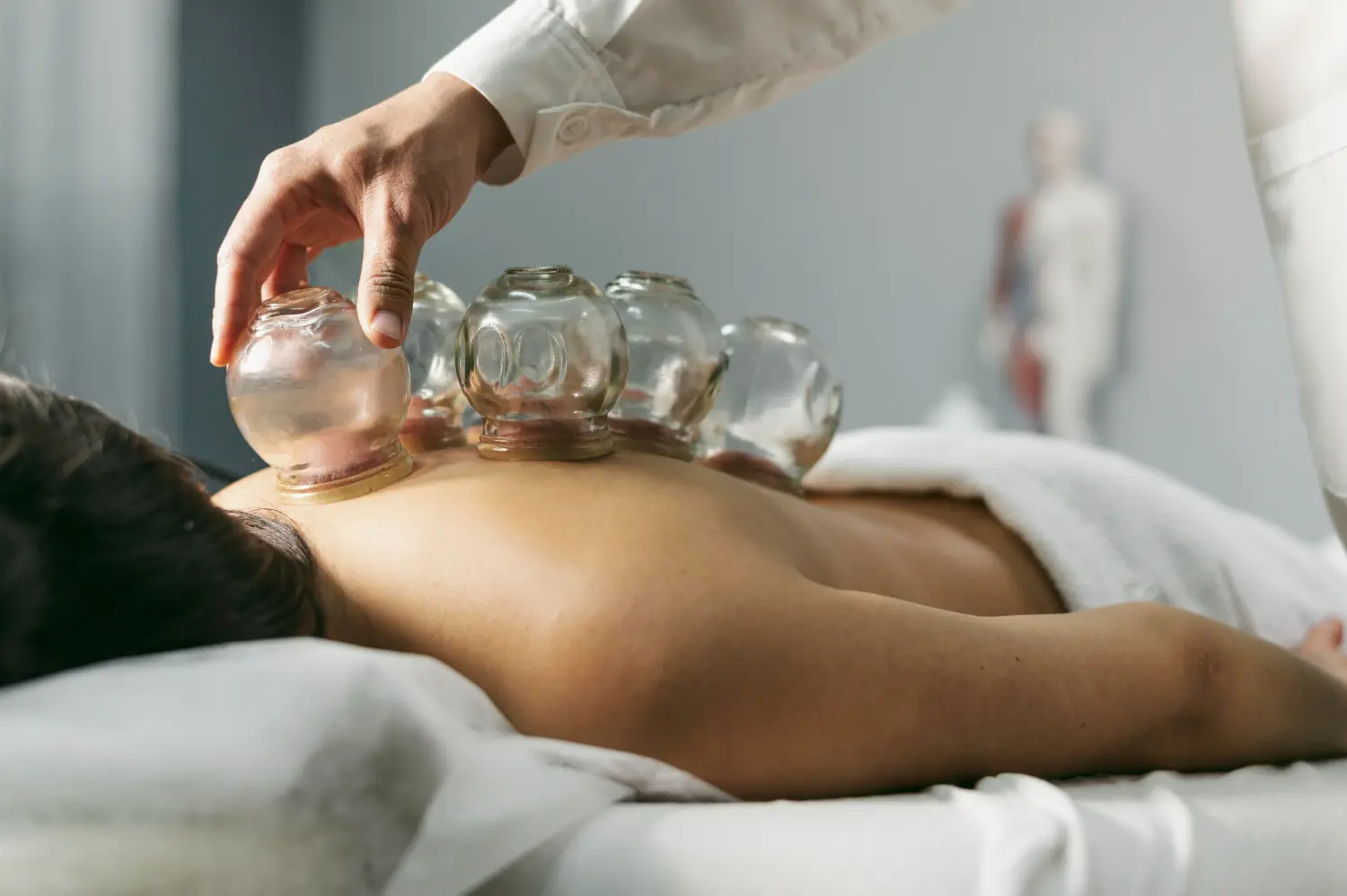
Ayurvedic treatment for psoriasis at Pranavam Ayurveda Hospital, Kozhikode Image 1 — Skin & Dermatological Conditions Treatment at Pranavam Ayurveda
Quick Answer

Psoriasis is a chronic, immune-mediated skin condition with periods of remission and flare-ups. Ayurveda approaches it by looking beyond the visible lesions to digestion, lifestyle, diet and overall constitutional balance. At Pranavam Ayurvedam, treatment may include physician-guided Virechana, individualised herbal medicines, external applications and dietary counselling, aimed at supporting long-term management rather than promising a permanent cure.

Psoriasis is a long-term inflammatory skin condition that affects millions of people worldwide. It is commonly recognised by thick, red, scaly patches that may appear on the elbows, knees, scalp, lower back or other parts of the body. While the skin changes are often the most visible feature, psoriasis can also affect confidence, sleep, work and everyday quality of life.

Modern medicine considers psoriasis an immune-mediated condition influenced by genetics, immune activity and environmental triggers. Symptoms often improve and worsen in cycles, with periods of remission followed by flare-ups.

Ayurveda also recognises that chronic skin disorders require a broader approach than simply treating the visible lesions. Instead of focusing only on the skin, it evaluates digestion, lifestyle, dietary habits, stress, sleep and the individual's overall constitution.

At Pranavam Ayurvedam, treatment begins with a detailed physician consultation. Therapies are selected according to the patient's symptoms, disease stage and overall health. The goal is to support long-term management, reduce flare-ups where possible and improve quality of life, not to promise a permanent cure.

This article explains how Ayurvedic treatment for psoriasis is planned, the role of Virechana, diet and herbal therapies, and why continued dermatology follow-up remains important.

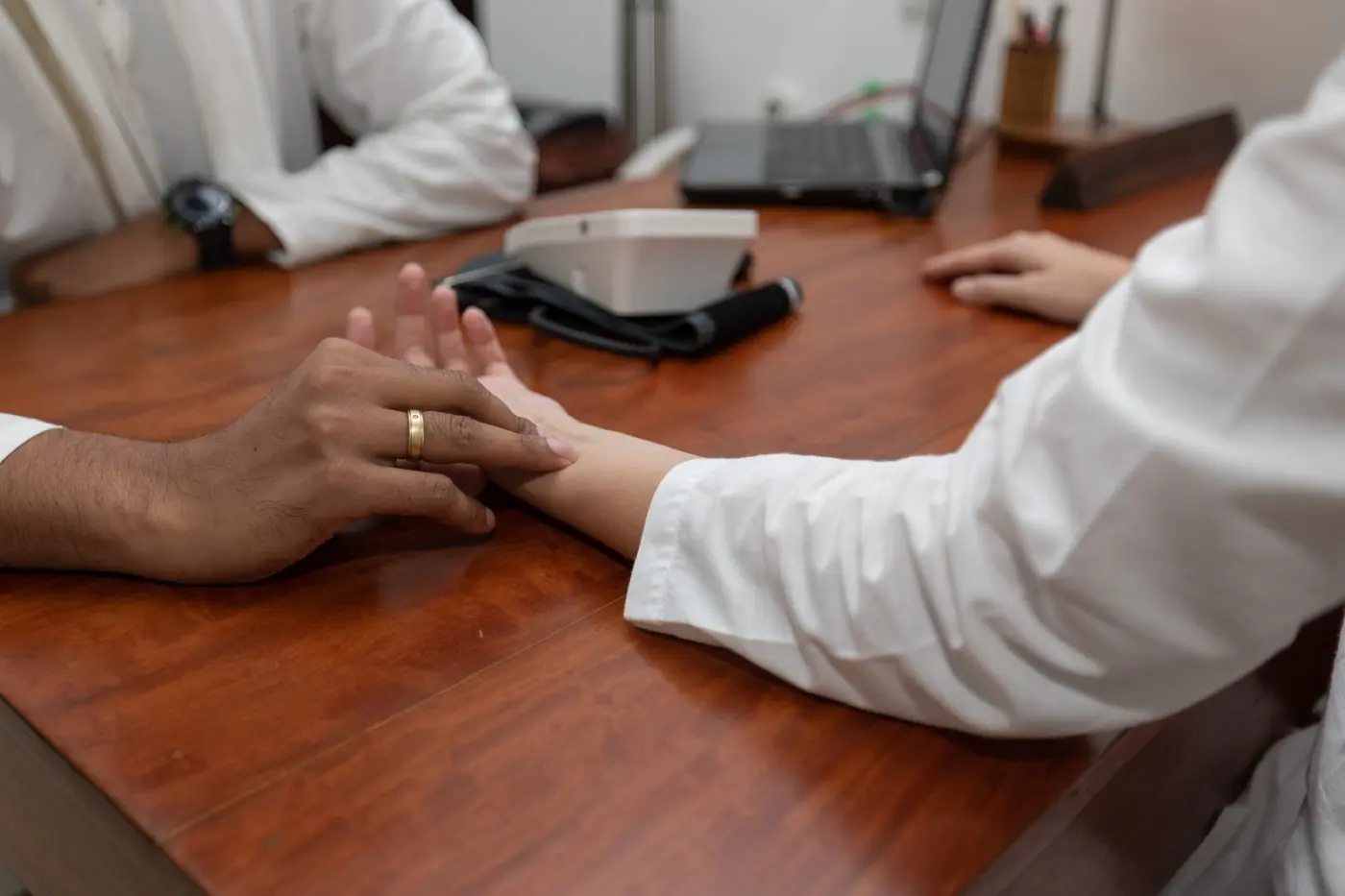
Physician assessing Pitta and skin balance for psoriasis Image 2 — Pitta and Skin Health Assessment

Understanding Psoriasis in Ayurveda

Classical Ayurvedic texts describe several chronic skin disorders under the broader category of Kushta. Although psoriasis is not described by its modern medical name, many of its clinical features are understood through these traditional concepts.

Ayurvedic physicians commonly evaluate psoriasis in relation to Pitta Dosha, associated with heat and inflammatory processes; Rakta Dhatu (blood tissue), traditionally considered important in many skin conditions; and individual variations involving Vata or Kapha, depending on the pattern of symptoms.

Rather than treating every patient the same way, physicians assess the dominant imbalance before selecting therapies.

Consultation reviewing psoriasis symptoms and skin pattern Image 3 — Reviewing Symptom Pattern During Consultation

Common Symptoms Considered During Assessment

Psoriasis varies considerably between individuals. During consultation, the physician evaluates the pattern and severity of symptoms before recommending any therapy.

Location of lesions
Extent of scaling
Redness
Itching
Dryness
Previous treatments
Family history
Seasonal variation
Stress levels
Digestive health

Some patients also experience joint pain associated with psoriatic arthritis, which requires additional medical evaluation.

Physician Assessment Before Treatment

Every treatment programme begins with a detailed consultation. The physician may review medical history, current medications, previous dermatology reports, skin biopsy reports if available, duration of symptoms, trigger patterns, diet, sleep, lifestyle and overall Ayurvedic constitution.

This assessment helps create an individualised treatment plan rather than a standard protocol.

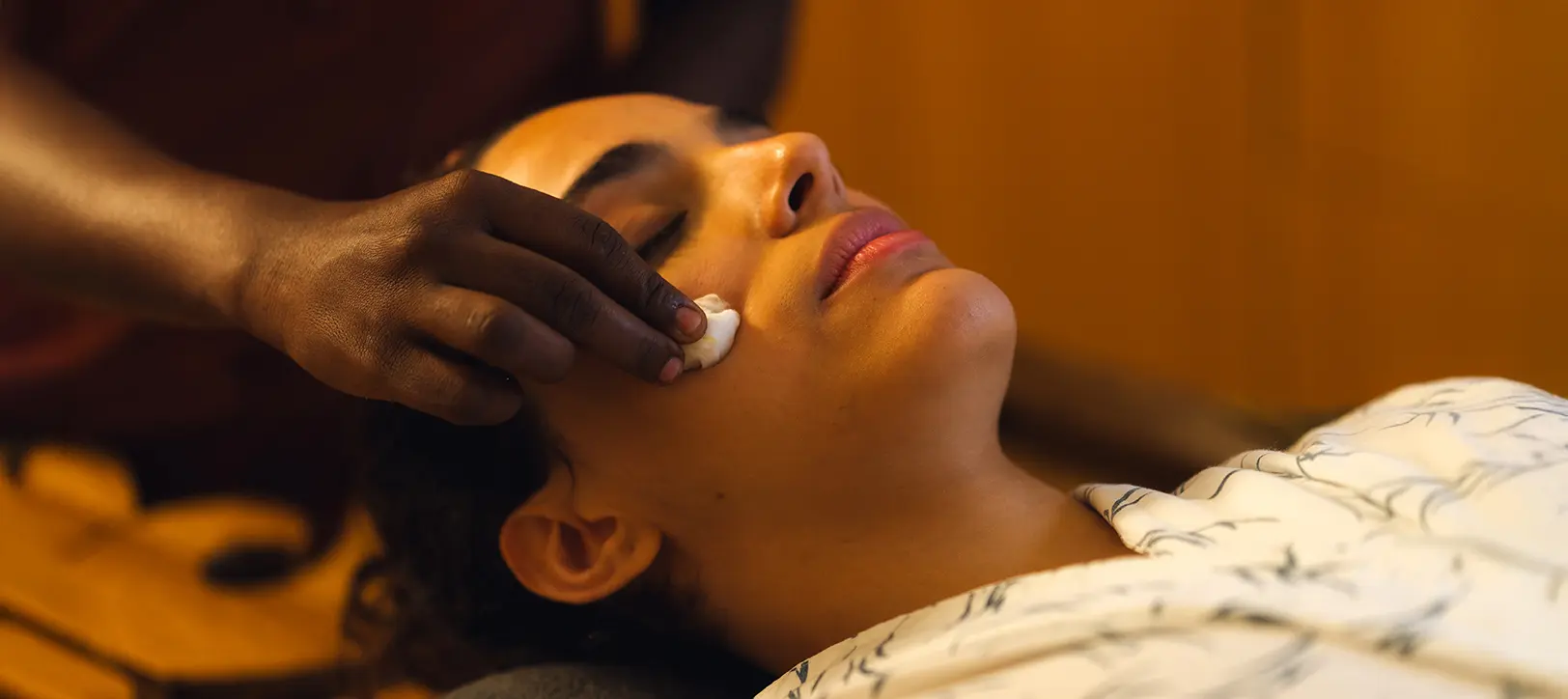
Physician-supervised Virechana purification therapy Image 4 — Physician-Supervised Virechana Therapy

Virechana: A Classical Ayurvedic Therapy

Among the Panchakarma procedures, Virechana is commonly considered when managing selected skin disorders with significant Pitta involvement. It is a physician-supervised purification therapy that is recommended only after careful assessment and appropriate preparation.

The exact timing depends on general health, digestive capacity, current disease activity and overall treatment goals. Not every patient with psoriasis requires Virechana, and it should only be performed under qualified medical supervision.

External Ayurvedic Therapies

Alongside internal treatment, external therapies may also be recommended depending on the patient's condition. The exact formulations differ from one patient to another and should not be self-prescribed.

Herbal Oil Applications

Medicated oils may be selected to support skin comfort and help manage dryness.

Herbal Pastes

Traditional herbal preparations may be applied locally according to the physician's assessment.

Medicated Cleansing

Gentle cleansing methods suitable for sensitive skin may also be recommended.

Individualised Herbal Medicines

Ayurvedic medicines are always selected according to the individual's symptoms and constitution. Depending on physician assessment, formulations may include herbs traditionally used in Ayurvedic dermatology. The choice of medicine, dosage and duration varies between patients.

Because some herbal medicines may interact with prescription drugs or may not be suitable for certain medical conditions, treatment should always be supervised by a qualified Ayurvedic physician.

Diet and Psoriasis

Diet is considered an important part of long-term psoriasis management. Although diet alone does not cause psoriasis, some individuals notice that certain foods appear to trigger or worsen flare-ups. Ayurveda also places importance on maintaining healthy digestion while avoiding foods that may aggravate Pitta.

Depending On Individual Assessment

Foods That May Aggravate Pitta

Very spicy foods

Deep-fried foods

Excessively oily meals

Highly processed foods

Alcohol

Excessive sugary foods

Highly acidic foods in some individuals

Dietary advice is always personalised rather than universal.

Many patients are encouraged to choose foods that support healthy skin:

Freshly prepared meals
Seasonal vegetables
Fruits appropriate to the individual
Adequate hydration
Whole grains
Balanced nutrition
Regular meal timings

Healthy eating supports overall wellbeing, even though no single food can cure psoriasis.

Lifestyle and Trigger Management

Daily habits often influence symptom patterns. Keeping a symptom diary may also help identify personal triggers.

Maintain regular sleep schedules
Manage stress effectively
Avoid smoking where applicable
Stay physically active
Moisturise the skin as advised
Protect the skin from injury
Follow physician-guided dietary recommendations

A Realistic Timeline

Psoriasis usually develops over many years and often requires long-term management. Some individuals notice gradual improvements in skin comfort, reduced scaling, less itching, better sleep and improved quality of life.

Disease Severity

The extent and stage of the condition influences how quickly change is noticeable.

Skin Involvement

Larger affected areas may take longer to show visible improvement.

Adherence to Treatment

Consistency with therapy and lifestyle guidance affects outcomes.

Existing Medications

Current prescriptions are factored into the overall treatment plan.

Consistency is one of the most important aspects of successful management.

A Patient's Journey

The following example should only be published if written consent has been obtained.

Patient Story

One of our patients had lived with recurrent psoriasis for several years. Flare-ups affected both the scalp and elbows, making daily life increasingly uncomfortable.

Following physician assessment, an individualised treatment plan was developed that included dietary guidance, external therapies and selected Ayurvedic treatments.

Over the following months, the patient reported gradual improvement in itching, reduced scaling and increased confidence in social situations. While periodic flare-ups still occurred, they became less disruptive than before treatment.

Every patient's experience is different, and this example should not be interpreted as a guarantee of similar results.

Working Alongside Your Dermatologist

Ayurveda can complement modern dermatology care, but regular medical follow-up remains important.

Dermatology consultations
Skin examinations
Monitoring of prescribed medicines
Blood tests when recommended
Follow-up for psoriatic arthritis if present

Prescription medicines should never be stopped without discussing the decision with the treating dermatologist.

Psoriasis is a chronic condition that often requires long-term management rather than a single course of treatment. Ayurveda approaches psoriasis by considering the health of the skin alongside digestion, lifestyle, diet and overall constitutional balance.

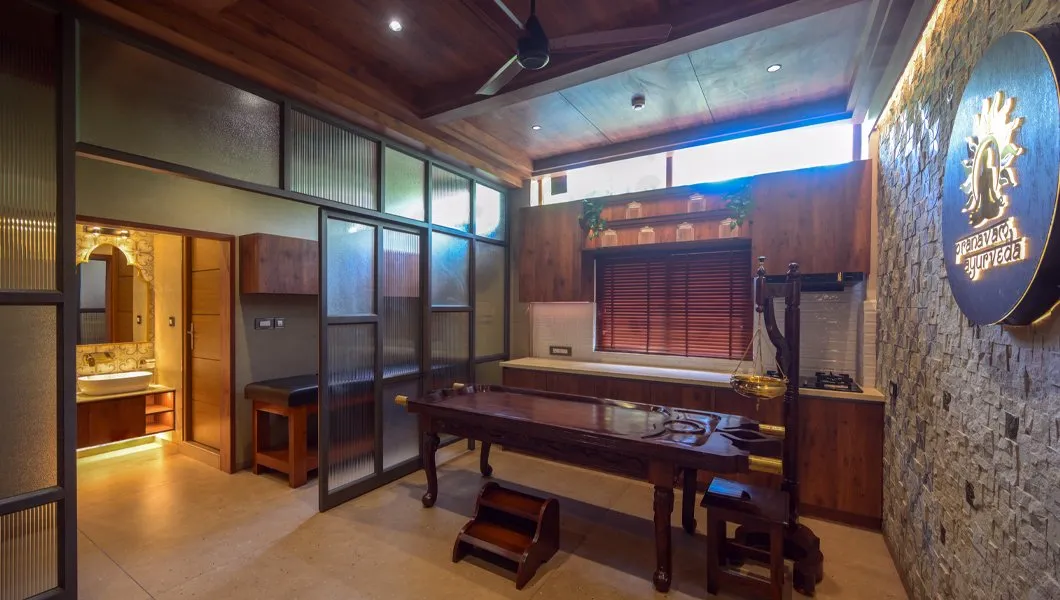
Pranavam Ayurveda Hospital physician-led skin care, Kozhikode Image 5 — Physician-Led Skin Care at Pranavam Ayurveda

At Pranavam Ayurvedam, treatment may include physician-guided Virechana, individualised herbal medicines, external applications, dietary counselling and long-term lifestyle guidance. Combined with regular dermatology care, this integrated approach aims to support healthier skin, reduce flare-ups where possible and improve quality of life.

If you are exploring Ayurvedic treatment for psoriasis, choosing a physician-led centre that offers realistic expectations and personalised care is an important first step.

Frequently Asked Questions

Can Ayurveda cure psoriasis completely?
Psoriasis is a chronic condition with periods of remission and flare-ups. Ayurveda aims to support long-term management, improve skin health and help reduce the frequency or severity of flare-ups in some individuals. It does not guarantee a permanent cure.
How long before skin improvement becomes visible?
The timeline varies depending on disease severity, the extent of skin involvement, adherence to treatment and individual response. Some patients notice gradual changes over several weeks, while others require longer-term management.
Can Ayurvedic treatment be combined with dermatologist-prescribed treatment?
Yes, in many cases Ayurveda can complement conventional dermatology care. Your Ayurvedic physician and dermatologist should both be informed about all medicines and treatments you are receiving.
Are flare-ups triggered by diet alone?
No. Diet may influence symptoms for some people, but psoriasis flare-ups can also be affected by stress, infections, skin injury, weather changes, certain medications and other individual factors.

Ready to Explore Ayurvedic Care for Psoriasis?

Speak with our physicians, Dr. Sreejith and Dr. Diana Sreejith, for a personalised assessment and realistic guidance on how Ayurveda may support your long-term skin health alongside your dermatology care.