Recovering from Chronic Back Pain: A Realistic 21 Day Panchakarma Timeline
Chronic Pain Recovery · Authentic Kerala Ayurveda

Recovering from Chronic Back Pain: A Realistic 21 Day Panchakarma Timeline

Wondering what a 21 day Panchakarma programme for chronic back pain looks like? Here's a realistic week by week guide from Pranavam Ayurveda Hospital, including assessment, therapies, recovery milestones and home care.

P
Pranavam Ayurveda
• Kozhikode, Kerala
Patient walking through a peaceful Ayurvedic healing garden during back pain recovery Image 1 — Patient Walking Through the Healing Garden During Recovery
Quick Answer

A 21 day Panchakarma programme for chronic back pain is not a fixed formula, it is an example timeline built around physician assessment, preparatory therapies (Purvakarma), targeted Panchakarma procedures, mobility training, and a final consolidation phase that prepares patients for home care. At Pranavam Ayurvedam, every plan is personalised, so your own programme may be shorter, longer, or structured differently based on medical evaluation.

If you've been living with chronic back pain for months or even years, you've probably come across advertisements promising quick relief in just a few days. While those claims may sound appealing, the reality is often more complex.

Recovery from long standing back pain is rarely immediate. Every person responds differently depending on the cause of the pain, its severity, age, overall health and lifestyle. A structured Panchakarma programme is designed to support this recovery process, but it is not a guaranteed cure or a fixed formula that works the same way for everyone.

At Pranavam Ayurvedam, treatment begins with a detailed physician consultation. The therapies recommended, their duration and the pace of recovery are always tailored to the individual rather than following a standard package.

This article explains what a 21 day Panchakarma programme for back pain treatment Kerala may look like. The timeline is intended as an example to help patients understand the process. Your own treatment plan may be shorter, longer or different based on medical assessment.
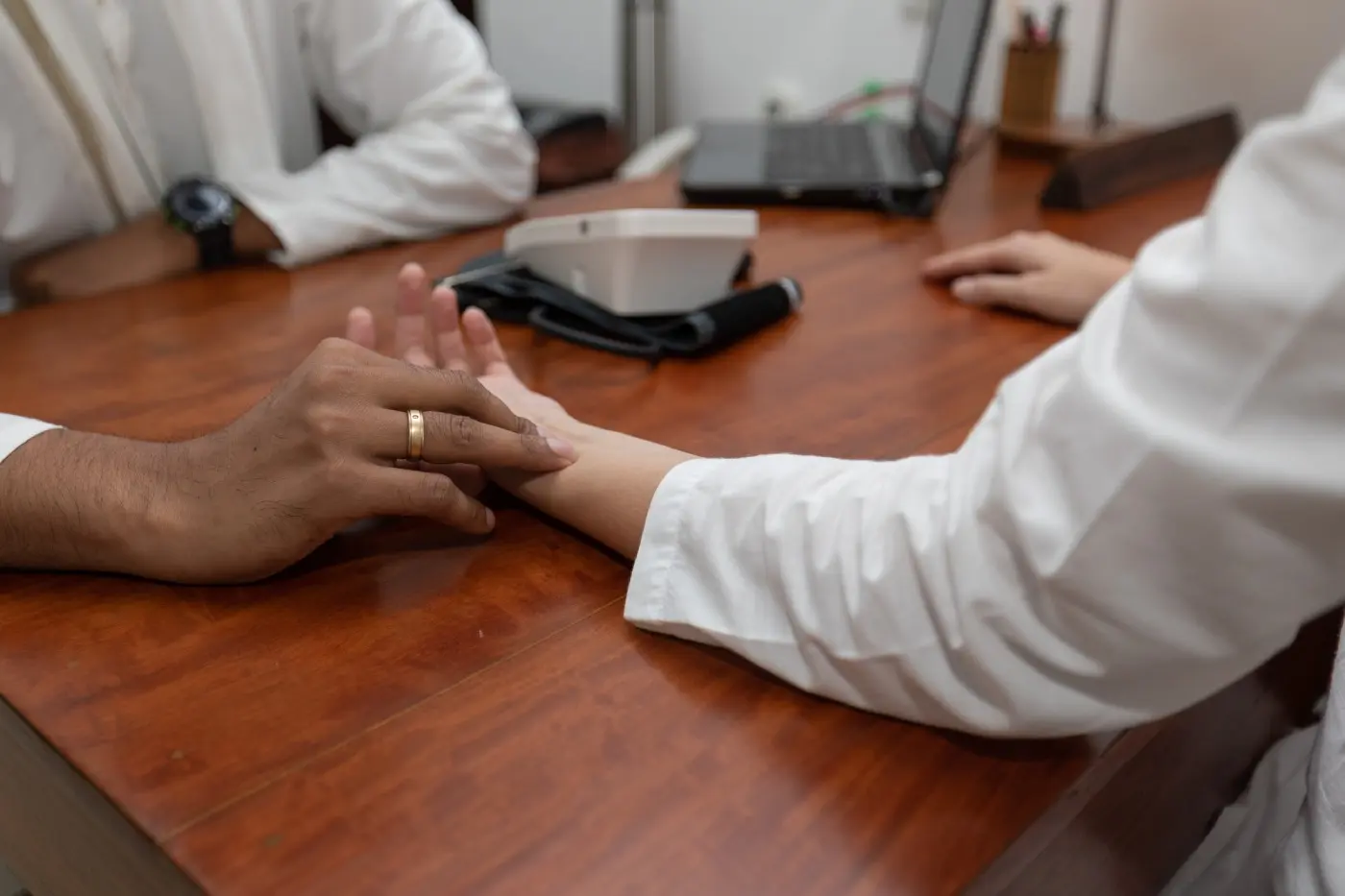
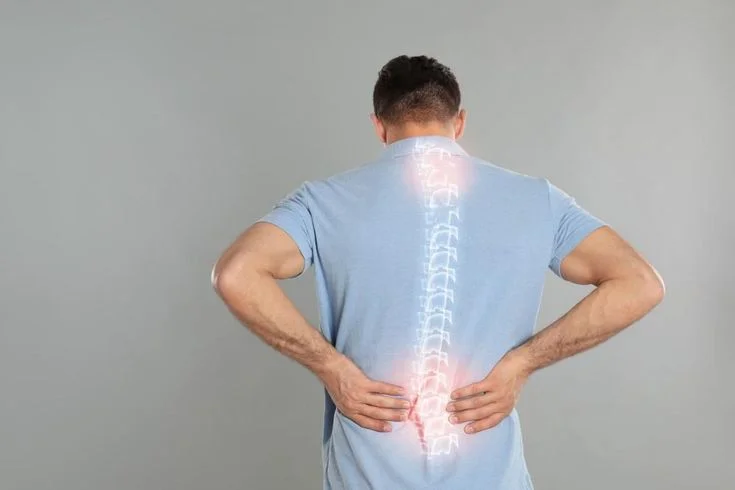
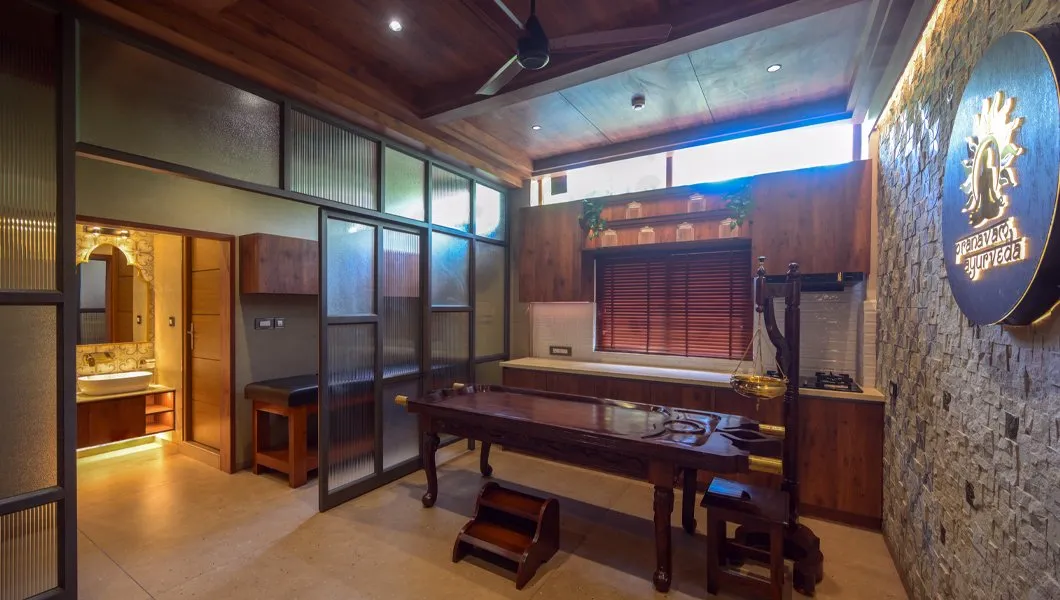
Ayurvedic physician reviewing medical history for a chronic back pain patient Image 2 — Physician Consultation for Chronic Back Pain Assessment

Why Do Some Patients Need a Longer Programme?

Acute back pain may improve with rest and short term treatment, but chronic pain often involves several contributing factors, and because these issues develop gradually, meaningful improvement often requires a structured and supervised approach rather than a single therapy session.

Long standing muscle tightness
Degenerative spinal changes
Disc related conditions
Poor posture
Reduced flexibility
Repeated strain from work or daily activities
Physician assessing spine mobility and posture before Panchakarma treatment Image 3 — Spine Mobility and Posture Assessment

Before Treatment Begins: Comprehensive Assessment

The first step is understanding the cause of the pain. Only after a thorough assessment is an individualized treatment plan prepared.

During consultation, the physician may assess:

  • Medical history
  • Previous treatments
  • MRI or X ray reports if available
  • Pain pattern
  • Walking ability
  • Spine mobility
  • Daily activities
  • Occupation
  • Sleep quality
  • Digestive health
  • Overall Ayurvedic constitution

Week 1: Assessment, Preparation and Early Therapies

The first week focuses on understanding the body's current condition and preparing it for deeper therapeutic procedures.

Purvakarma preparatory oil therapy before back pain Panchakarma treatment Image 4 — Purvakarma Preparatory Oil Therapy

Physician Evaluation

Consultation first

Treatment begins with a detailed consultation rather than immediately starting therapies. The physician determines which structures appear to be involved, whether the condition is suitable for Panchakarma, which therapies should be prioritized, and whether additional medical evaluation is required.

Purvakarma

Preparatory stage

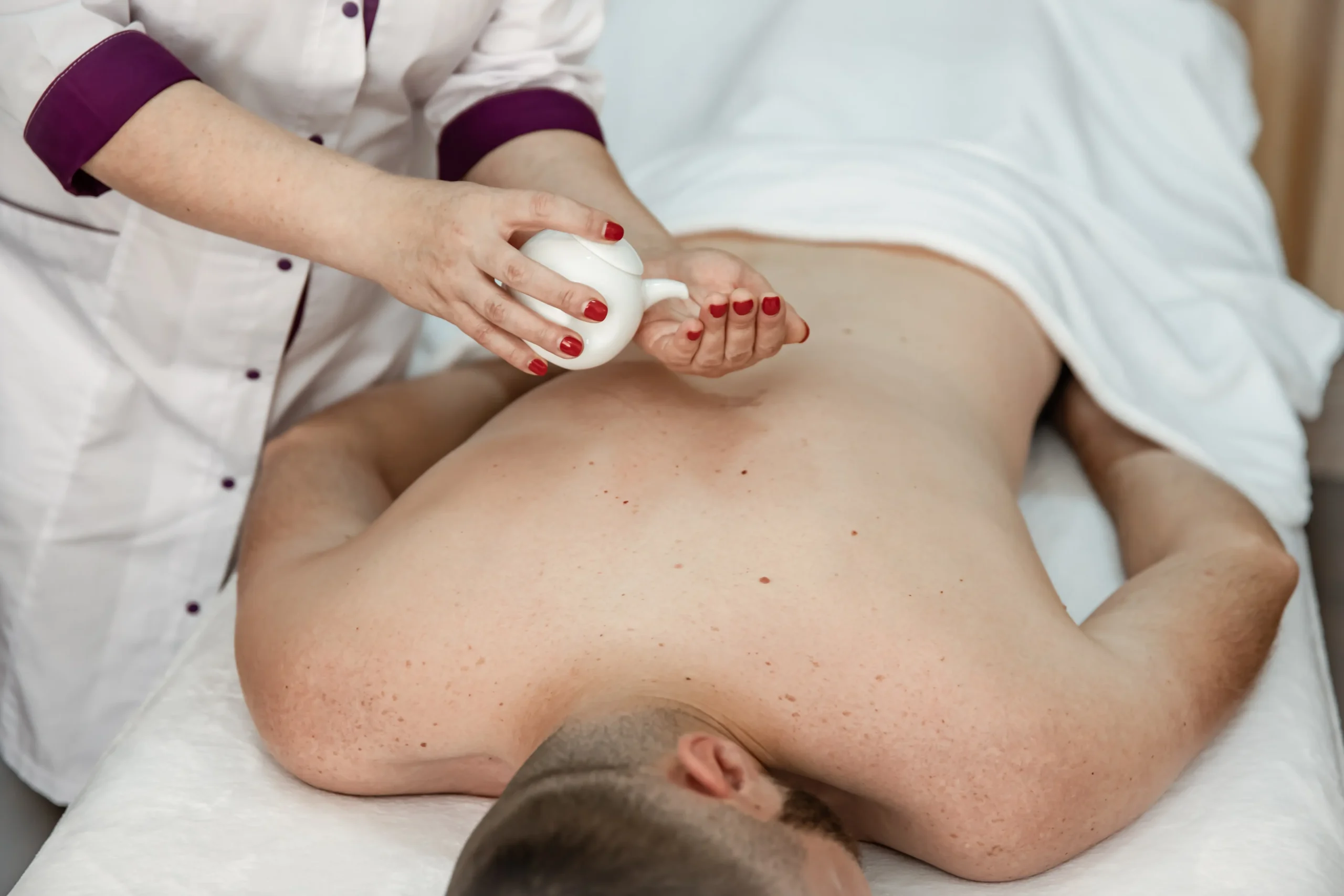
Depending on the individual's needs, preparation may include physician selected medicated oils, gentle external therapies, dietary guidance, and initial procedures to prepare the body for the next phase.

Early External Therapies

Comfort & preparation

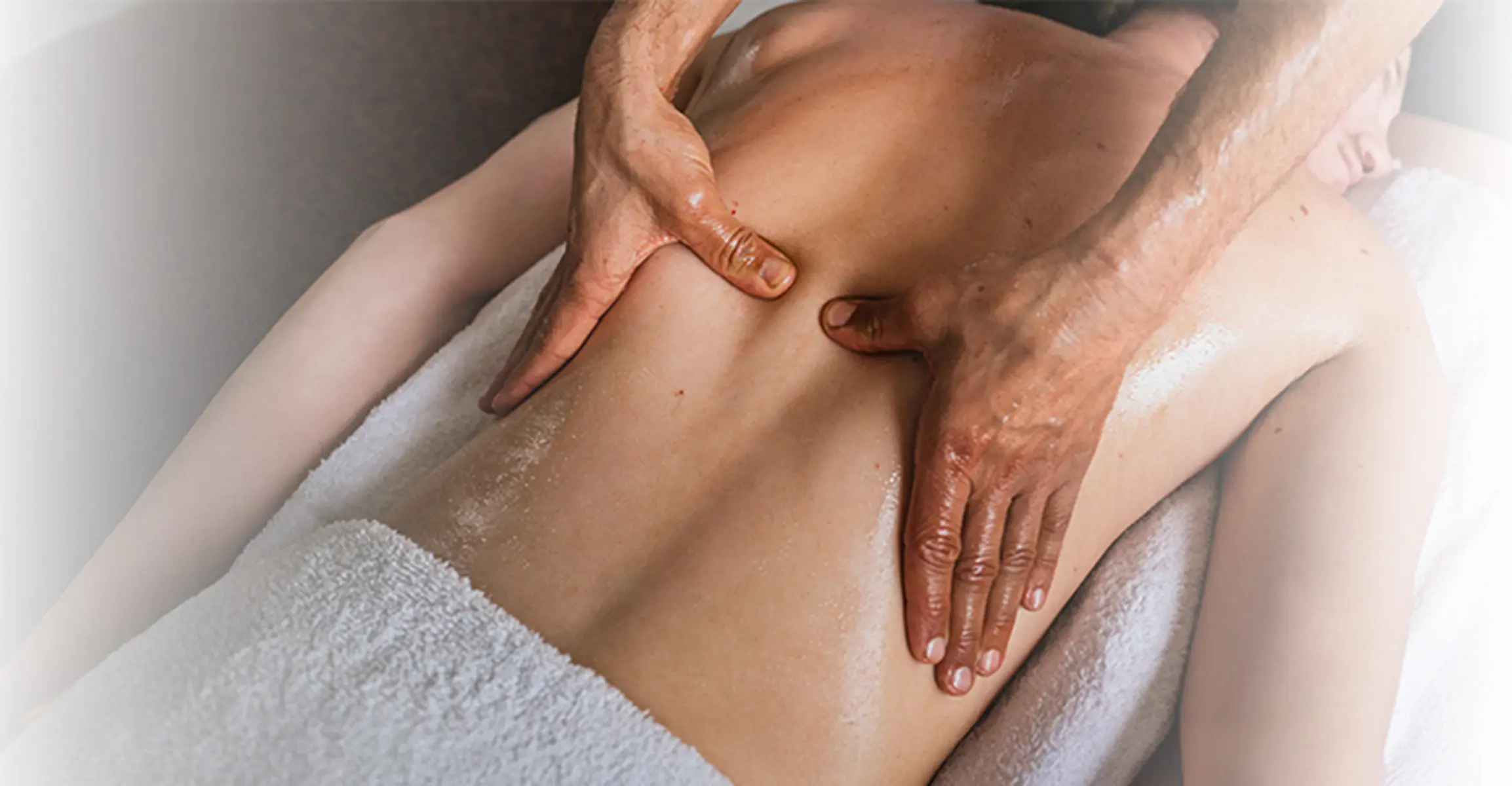
Many patients receive therapeutic Abhyanga, Kati Basti where indicated, Kizhi therapy, and localized oil applications, aimed at improving comfort and preparing the body for subsequent stages of treatment.

What Patients May Notice During Week One

Some individuals experience slight reduction in muscle tightness, improved relaxation, better sleep, and easier movement. Others may notice only small changes during the first week, especially if symptoms have been present for a long time. This is entirely normal.

Week 2: Building Momentum

Once the preparatory stage is complete, treatment often becomes more intensive. The exact therapies vary depending on physician assessment.

Patient receiving mobility and posture training during Panchakarma back pain recovery Image 5 — Mobility and Posture Training During Week Two

Panchakarma Procedures

Core treatment phase

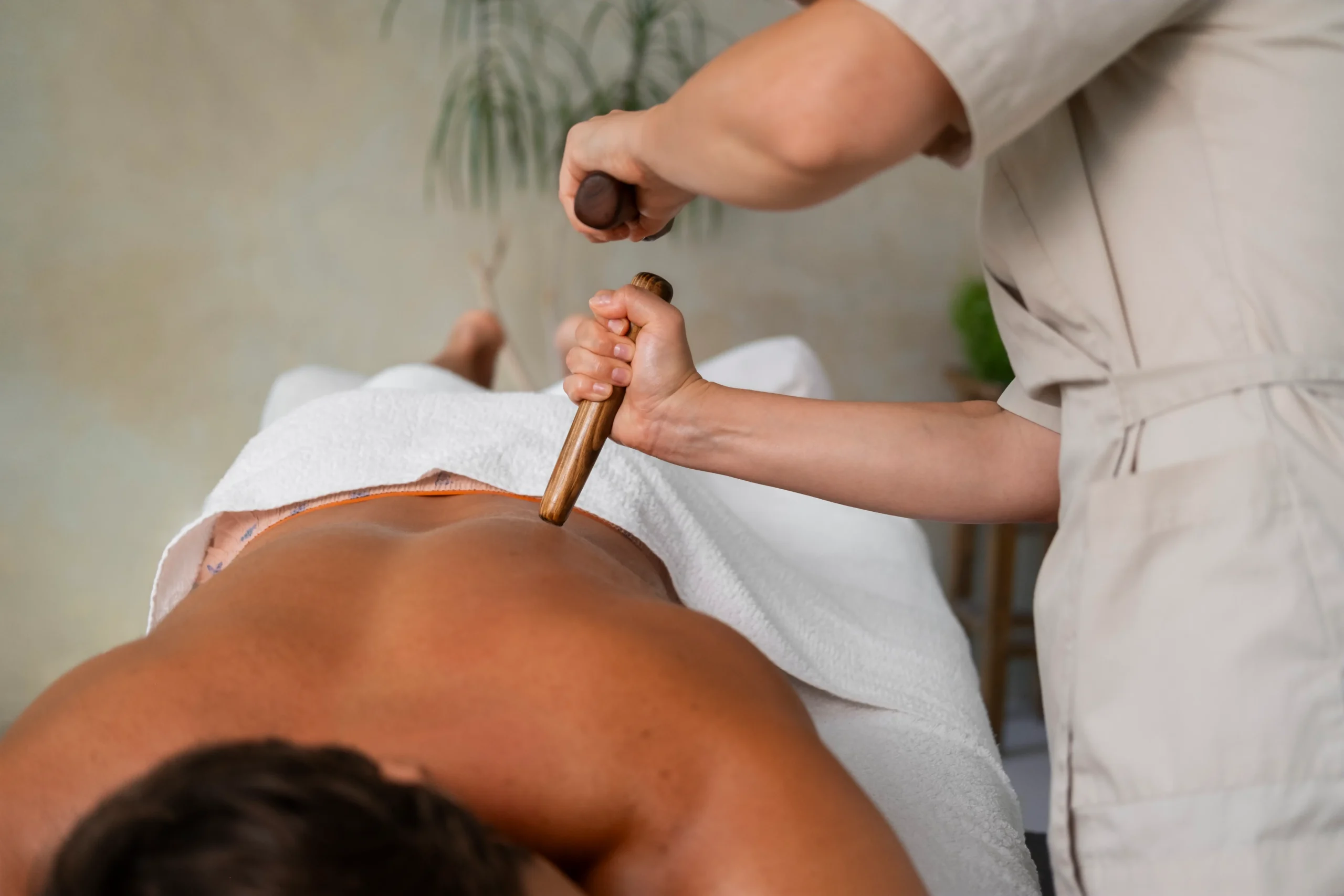
Where appropriate, physician supervised Panchakarma therapies may now become a more significant part of the treatment programme, focusing on addressing deeper imbalances while continuing supportive external therapies.

Continued Muscle and Joint Care

Ongoing support

Abhyanga and Kizhi may continue according to individual requirements. The physician reviews progress regularly and modifies the treatment plan whenever necessary.

Mobility Training

Posture & movement

Patients may receive guidance on walking, sitting posture, standing posture, safe movement, and daily activities. Simple changes in posture can make a meaningful difference during recovery.

Expected Progress During Week Two

Many patients begin noticing gradual improvements such as reduced pain intensity, easier walking, improved flexibility, less morning stiffness, and increased confidence with movement. However, progress is rarely perfectly linear, some days feel better than others, which is a normal part of recovery.

Week 3: Consolidation and Preparing for Home

The final stage focuses on maintaining improvements and helping patients continue recovery after discharge.

Rasayana rejuvenation therapy during final week of back pain Panchakarma recovery Image 6 — Rasayana Rejuvenation Support in Week Three

Rasayana Support

Depending on the physician's assessment, Rasayana therapies or rejuvenation measures may be introduced to support overall wellbeing during the recovery phase.

Lifestyle Planning

Before leaving the programme, patients receive individualized advice regarding sitting posture, workplace ergonomics, safe lifting, daily exercise, walking routine, sleep habits, and weight management where appropriate. These recommendations are intended to reduce the risk of recurrent back pain.

Medicines

Continue physician prescribed medicines as directed.

Exercises

Follow recommended exercises consistently.

Diet

Maintain healthy dietary practices.

Follow-up

Attend regular follow up appointments.

Long term recovery depends as much on home care as it does on treatment received during the programme.

A Composite Example

A Realistic Patient Journey

The following example is a composite patient story based on common clinical experiences. It does not represent a guaranteed outcome.

A 48 year old office professional arrived with persistent lower back pain that had gradually worsened over two years. MRI findings showed age related lumbar degeneration and a mild disc bulge. Walking for more than fifteen minutes increased discomfort, and prolonged sitting during work was becoming difficult.

Week 1
Improved sleep and slightly reduced muscle tightness.

Week 2
Walking became more comfortable, morning stiffness reduced, fewer rest breaks needed.

Week 3 (Discharge)
Pain had not disappeared completely, but confidence in movement, flexibility and tolerance for routine activities had improved.

The physician emphasized that continued exercises, posture correction and follow up care were essential to maintain progress. Every patient's recovery timeline is different, but this example illustrates how improvements often occur gradually rather than all at once.

Recovery Continues After Panchakarma

Completing a 21 day programme is not the end of treatment. The weeks and months that follow are equally important. Patients are generally advised to:

Continue prescribed medicines if recommended
Follow workplace ergonomic advice
Avoid prolonged sitting
Perform physician approved exercises
Maintain regular walking
Attend follow up consultations
Return promptly if symptoms worsen

Consistency is often the key to long term improvement.

Setting Realistic Expectations

One of the most important conversations during consultation involves expectations. A 21 day programme is not intended to promise complete recovery for every patient. Instead, treatment aims to:

  • Reduce pain
  • Improve mobility
  • Increase function
  • Support long term spinal health
  • Help patients return to everyday activities with greater comfort

Some people improve rapidly, while others require additional treatment, ongoing rehabilitation or combined care with other healthcare professionals. An individualized approach always provides the best opportunity for meaningful progress.

Conclusion

A structured Panchakarma programme offers a systematic approach to managing chronic back pain, but recovery is a journey rather than a single event. From physician assessment and Purvakarma to targeted therapies, rehabilitation and home care, each stage is designed to support gradual improvement based on the individual's condition.

If you are considering back pain treatment Kerala, choosing an Ayurvedic centre that emphasizes careful diagnosis, personalized treatment and realistic expectations is just as important as the therapies themselves.

Frequently Asked Questions

Do all patients follow the same 21 day programme?
No. The 21 day timeline is only an example. Some individuals require shorter programmes, while others may benefit from longer treatment depending on their condition, symptoms and physician assessment.
What happens if progress is slower than expected?
Recovery varies from person to person. The physician reviews progress throughout the programme and may modify therapies, recommend additional investigations or extend treatment if clinically appropriate.
Is follow up included after the programme ends?
Most Ayurvedic centres recommend follow up consultations after discharge. These visits help monitor progress, adjust medicines if necessary and provide ongoing lifestyle guidance.
Can family members visit during the programme?
Visitor policies vary between treatment centres. It is best to confirm the specific guidelines with the hospital or clinic before admission.

Ready to Begin Your Back Pain Recovery Journey?

Experience physician-led, personalised back pain treatment at Pranavam Ayurveda Hospital, Kerala. Receive a detailed assessment and begin a Panchakarma programme designed around your condition and recovery goals.

This article is for general educational purposes and does not constitute individual medical advice. Panchakarma treatment should only be undertaken following a full consultation and ongoing supervision by a qualified Ayurvedic physician. Treatment outcomes vary by individual.