Why Back Pain Keeps Coming and How Ayurveda Looks Beyond the Symptoms
Chronic Back Pain · Authentic Kerala Ayurveda

Why Back Pain Keeps Coming Back — and How Ayurveda Looks Beyond the Symptoms

A physician-led guide from Pranavam Ayurveda Hospital on why chronic back pain recurs, how Ayurveda understands it as a Vata imbalance, and the Kerala therapies, from Kati Basti to Panchakarma, used to address the root cause rather than just the symptom.

P
Pranavam Ayurveda Team
• Kozhikode, Kerala
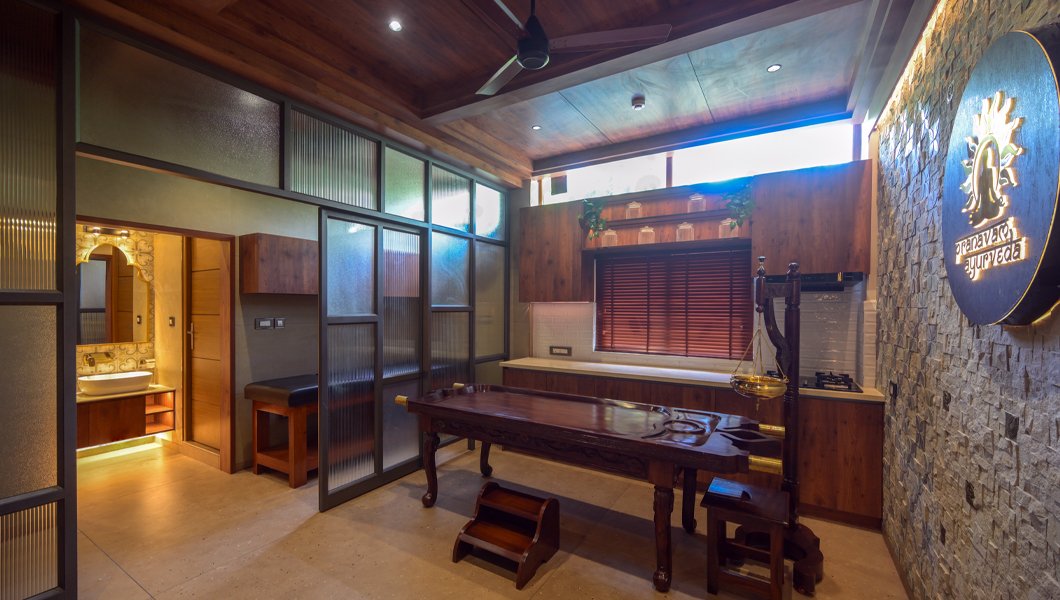
Kati Basti therapy for back pain at Pranavam Ayurveda Hospital Image 1 — Kati Basti Therapy for Back Pain at Pranavam Ayurveda Hospital
Quick Answer

Back pain often returns because treatment addresses the symptom rather than the underlying cause. Ayurveda links most chronic back pain to an aggravated Vata Dosha, which governs movement, the nervous system, and joint function. At Pranavam Ayurveda Hospital, physicians evaluate lifestyle, digestion, posture, and constitution before recommending personalised therapies, such as Kati Basti, Pizhichil, and Panchakarma, designed for lasting relief rather than temporary comfort.

Back pain is one of the most common health concerns affecting people of all ages. For many, it begins as occasional discomfort after long hours of sitting or physical exertion. Over time, however, what starts as a minor issue often develops into recurring pain that interferes with work, sleep, movement, and overall quality of life.

While painkillers, muscle relaxants, or temporary therapies may provide short-term relief, many individuals find themselves facing the same discomfort again and again. This recurring cycle raises an important question: why does back pain keep coming back?

Ayurveda approaches this question differently. Rather than focusing only on relieving pain, it seeks to understand the underlying imbalance causing the condition. By identifying the root cause and restoring balance within the body, Ayurveda aims to provide lasting relief while supporting overall health and wellbeing.
What Causes It

Why Does Back Pain Keep Returning?

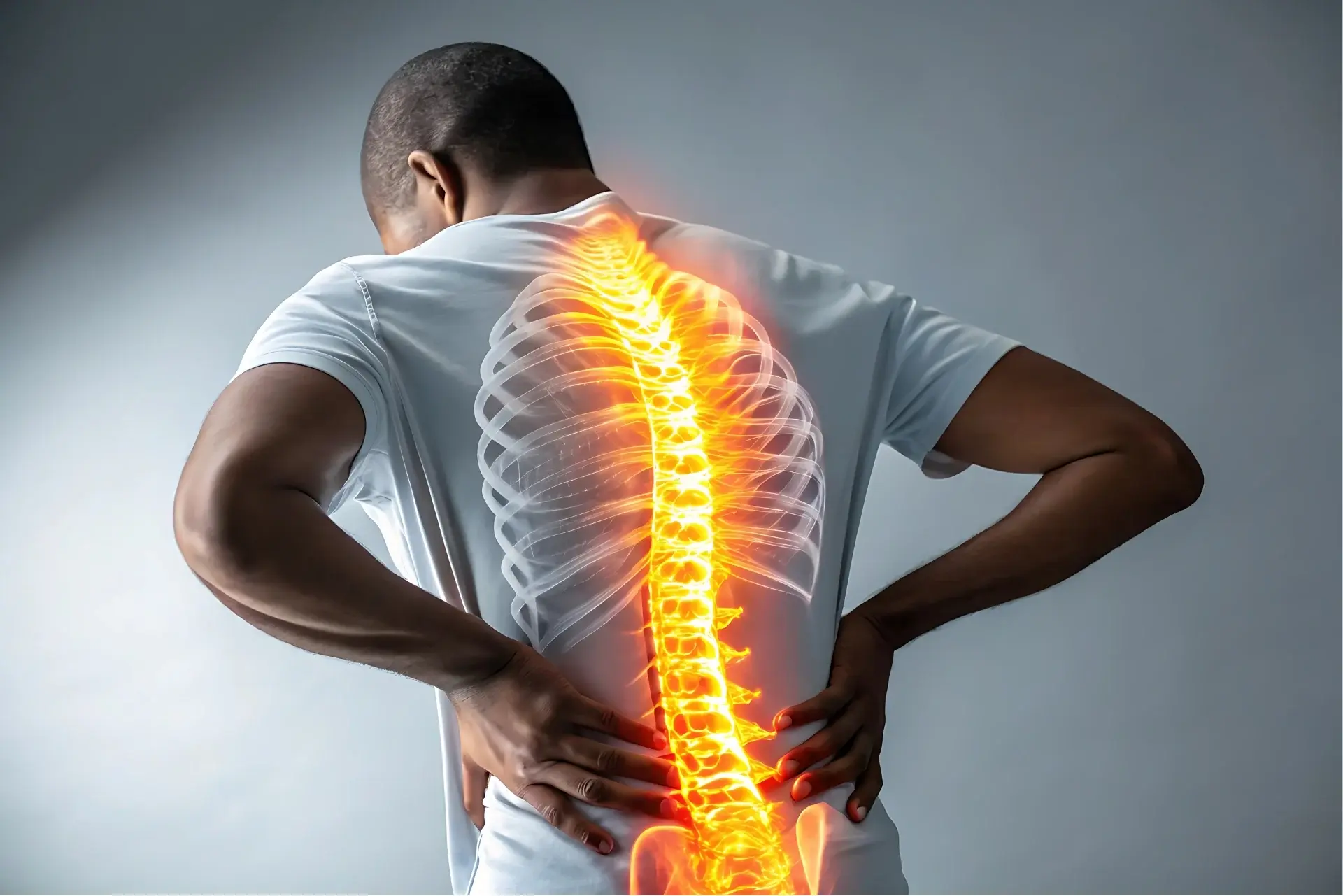
Recurring back pain is rarely caused by a single factor. In many cases, it develops due to a combination of physical, lifestyle, and age-related changes. When only the symptoms are treated, the underlying cause often remains unchanged, allowing the pain to return repeatedly.

Poor posture

Long hours of desk work

Weak core & back muscles

Repetitive lifting or strain

Age-related degeneration

Stress & muscle tension

Excess body weight

Untreated previous injuries

Sedentary lifestyle

Herniated or slipped discs

Common Symptoms of Chronic Back Pain

Back pain can present differently from one individual to another. If symptoms persist for several weeks or continue to recur despite treatment, professional medical evaluation is recommended.

Persistent dull ache in the lower or upper back
Sharp pain during movement
Stiffness after waking up
Difficulty bending or lifting objects
Muscle spasms
Pain spreading to the hips or legs
Reduced flexibility
Fatigue caused by continuous discomfort
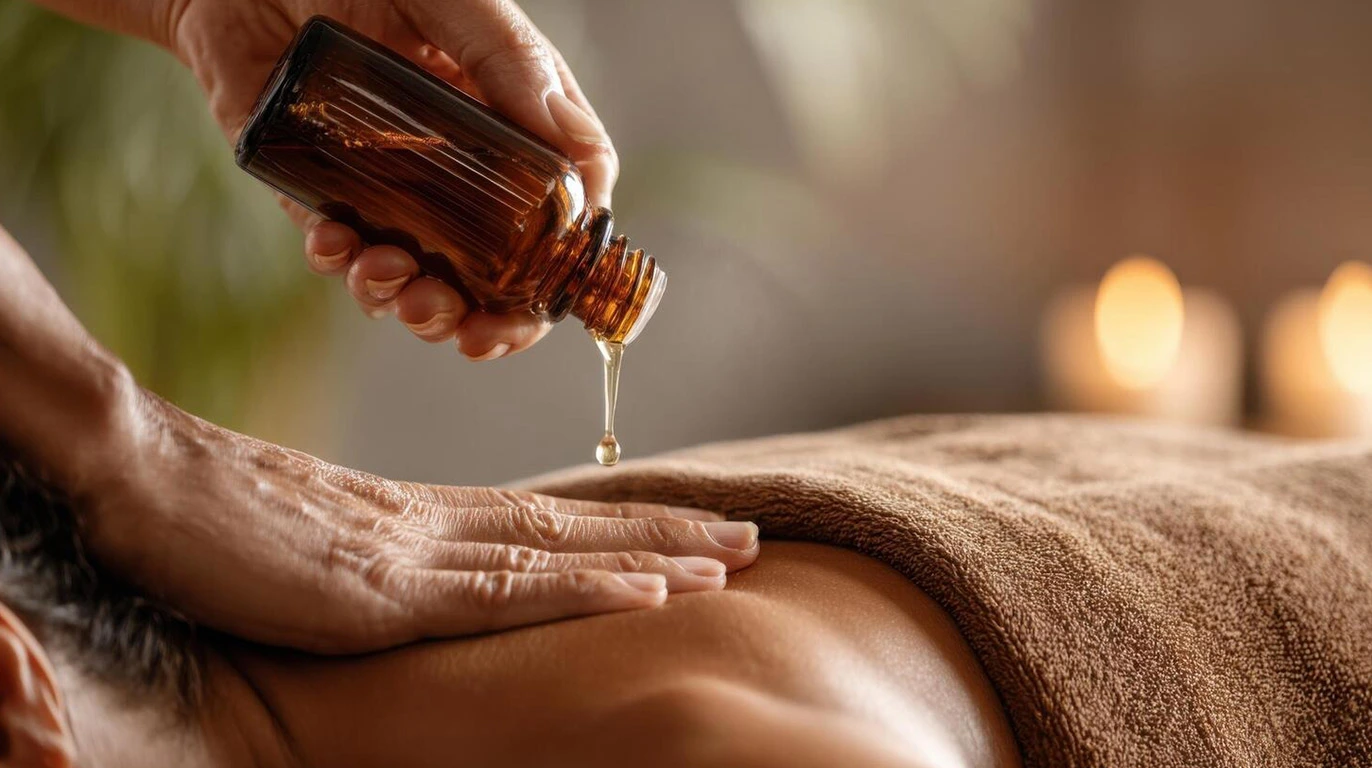
Abhyanga herbal oil massage for back pain at Pranavam Ayurveda Hospital Image 2 — Abhyanga Herbal Oil Massage for Back Pain

How Ayurveda Understands Back Pain

According to Ayurveda, most chronic back pain is associated with an imbalance of Vata Dosha, which governs movement, the nervous system, and joint function.

When Vata becomes aggravated due to improper diet, excessive physical strain, ageing, stress, or irregular lifestyle habits, it may lead to dryness in joints, muscle stiffness, nerve irritation, reduced flexibility, and chronic pain. Instead of treating pain as an isolated problem, Ayurvedic physicians evaluate the individual's constitution, health history, digestion, lifestyle, and other contributing factors before recommending a personalised treatment plan.

Looking Beyond the Symptoms

One of Ayurveda's distinguishing principles is treating the person rather than simply managing the condition. During consultation, Ayurvedic physicians assess factors such as daily routine, occupation, physical activity, sleep quality, digestion, stress levels, previous medical history, body constitution (Prakriti), and current dosha imbalance.

This comprehensive assessment helps identify why the pain developed and why it continues to return.

Ayurvedic Therapies for Back Pain

Treatment plans vary depending on the individual's condition, age, severity of symptoms, and overall health. Common Ayurvedic therapies may include:

Kati Basti warm oil retention therapy at Pranavam Ayurveda Hospital Image 3 — Kati Basti Warm Oil Retention Therapy

Abhyanga

Full-body oil massage

A therapeutic full-body massage using medicated herbal oils that helps relax muscles, improve circulation, and reduce stiffness.

Kati Basti

Lower back & spine

A specialised therapy in which warm medicated oil is retained over the lower back for a specific duration. Commonly recommended for chronic lower back pain and spinal discomfort.

Pizhichil

Traditional Kerala therapy

A traditional Kerala Ayurvedic therapy involving continuous pouring of warm medicated oil while performing gentle massage techniques to support muscle relaxation and joint mobility.

Lifestyle Factors That Influence Back Pain

Medical treatment alone is often not enough if everyday habits continue to place stress on the spine. Simple lifestyle changes can make a significant difference and complement Ayurvedic therapies, helping to reduce the likelihood of recurrence.

Posture

Maintain correct sitting and standing posture throughout the day.

Movement

Avoid prolonged sitting without breaks; stretch regularly.

Strength

Strengthen core muscles to better support the spine.

Body weight

Maintain a healthy body weight to reduce spinal load.

Sleep

Sleep on a supportive mattress for proper spinal alignment.

Stress

Practise stress management techniques to ease muscle tension.

Diet

Follow a balanced diet that supports overall musculoskeletal health.

Diet and Back Health in Ayurveda

Ayurveda considers nutrition an essential part of healing. Depending on the individual's constitution, physicians may recommend foods that support healthy digestion and help maintain balanced Vata. Dietary advice is always personalised based on individual health needs.

Warm, freshly prepared meals
Easily digestible foods
Adequate hydration
Anti-inflammatory herbs and spices
Limiting cold, dry, or processed foods

When Should You Seek Professional Care?

You should consult a qualified healthcare professional if:

Pain lasts longer than a few weeks
Pain repeatedly returns
Movement becomes restricted
Pain radiates down the legs
Numbness or tingling develops
Daily activities become difficult
Previous treatments haven't given lasting relief

Early evaluation can help prevent further complications and improve treatment outcomes.

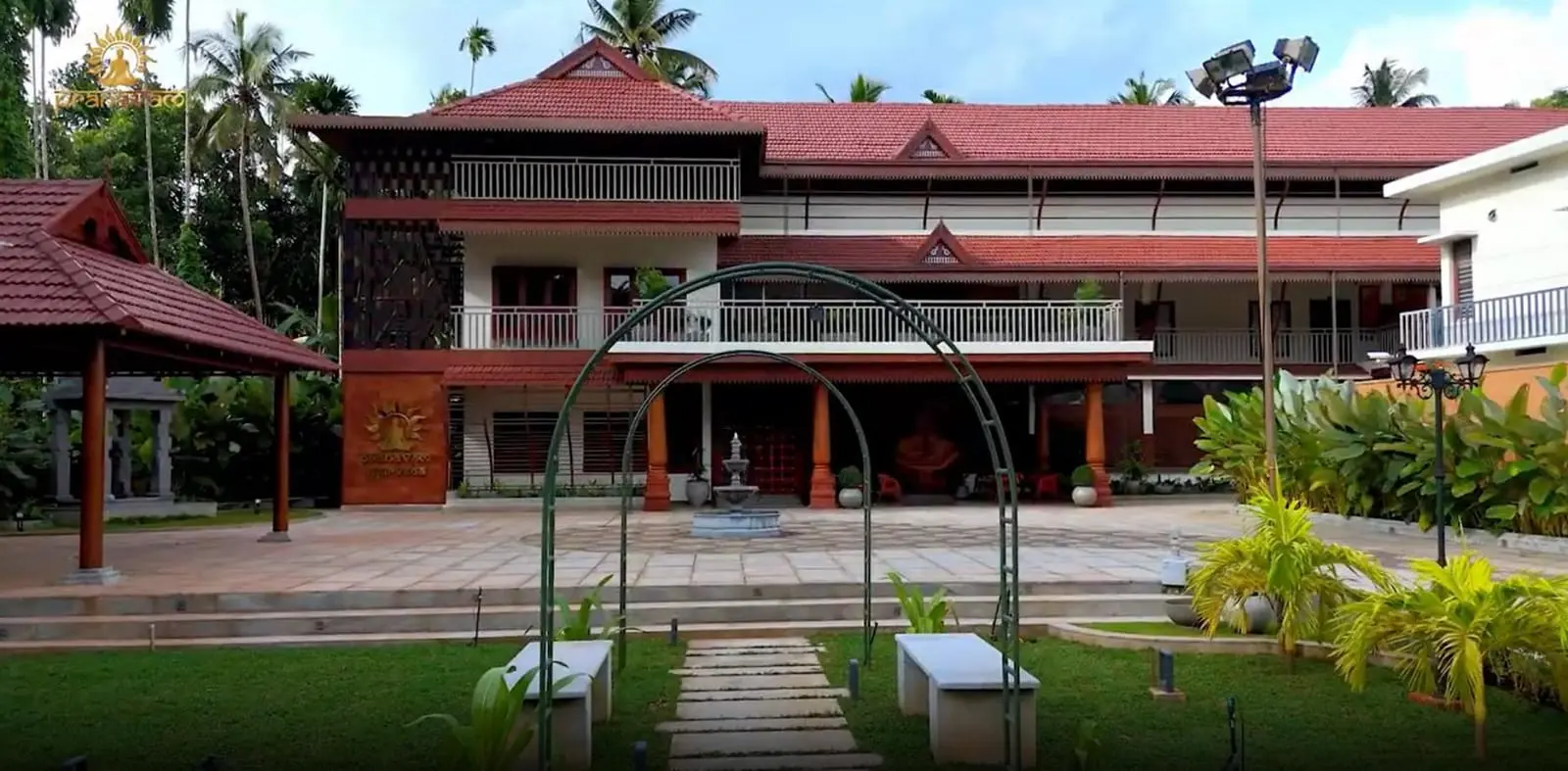
Pranavam Ayurveda Hospital exterior, Kozhikode, Kerala Image 4 — Pranavam Ayurveda Hospital, Kozhikode

Why Choose Pranavam Ayurveda Hospital?

For nearly two decades, Pranavam Ayurveda Hospital has been dedicated to delivering authentic Kerala Ayurveda through personalised, physician-led care. Located in the peaceful surroundings of Kozhikode, Kerala, the hospital combines classical Ayurvedic principles with carefully designed treatment programmes tailored to each patient's unique health needs.

Every treatment programme begins with a detailed consultation to understand the individual's condition before recommending therapies designed to address the root cause rather than simply managing symptoms.

Patients choose Pranavam for:

  • Experienced Ayurvedic physicians
  • Individualised treatment plans
  • Authentic Kerala Panchakarma therapies
  • Comfortable inpatient facilities
  • A holistic approach focused on long-term wellbeing
  • Compassionate care rooted in traditional Ayurvedic wisdom

Frequently Asked Questions

Can Ayurveda help with chronic back pain?
Yes. Ayurveda addresses chronic back pain by identifying and correcting the underlying Vata imbalance rather than only easing the pain itself, using a combination of personalised therapies, diet, and lifestyle guidance under a qualified physician.
Is Panchakarma recommended for everyone with back pain?
No. Panchakarma is used selectively, based on an individual assessment of the patient's condition, constitution, and overall health, and is only recommended when a physician determines it is suitable.
How long does Ayurvedic treatment for back pain take?
Duration varies from person to person depending on the severity and chronicity of the condition. Your physician will recommend a personalised treatment timeline after consultation.
Can lifestyle changes prevent recurring back pain?
Yes. Posture correction, regular movement, core strength, healthy body weight, proper sleep, stress management, and a balanced diet all help reduce the likelihood of back pain returning.
Is inpatient treatment necessary?
Not always. Some therapies can be administered on an outpatient basis, while more intensive programmes, such as certain Panchakarma protocols, may be recommended on an inpatient basis for close supervision.

Begin Your Journey Towards Lasting Relief

Recurring back pain should not become a part of everyday life. Understanding its underlying cause is the first step towards effective, long-term management. At Pranavam Ayurveda Hospital, experienced physicians provide personalised Ayurvedic care that combines authentic Kerala traditions with a patient-centred approach, helping individuals work towards improved mobility, comfort, and overall wellbeing.

Ready to Find Relief from Back Pain?

Book a consultation with Dr. Sreejith or Dr. Diana Sreejith for a personalised assessment and discover the most suitable Ayurvedic treatment plan to help relieve back pain, improve mobility, and support long term spinal health.

This article is for general educational purposes and does not constitute individual medical advice. Ayurvedic treatment for back pain should only be undertaken following a full consultation and ongoing supervision by a qualified Ayurvedic physician. Treatment outcomes vary by individual.