Disc Bulge Ayurvedic Treatment — Can You Avoid Surgery?
Spine & Nerve Care · Non-Surgical Ayurveda

Disc Bulge Ayurvedic Treatment: Can Ayurveda Help You Avoid Surgery?

Learn how Ayurvedic treatment for disc bulge may help manage pain and improve mobility in selected cases, when surgery may not be necessary, and when immediate medical evaluation is essential.

P
Pranavam Ayurveda
• Kozhikode, Kerala
Ayurvedic physician reviewing MRI scans and discussing disc bulge treatment with a patient Image 1 — Ayurvedic Physician Reviewing MRI Scans With a Patient
Quick Answer

A disc bulge does not automatically mean surgery. While severe nerve compression or neurological problems may require surgical treatment, many people with mild to moderate symptoms recover through conservative care. Ayurveda can play an important role here, not by claiming to push the disc back into place, but by reducing pain, improving movement and supporting recovery through individualised therapies such as Basti, Kizhi and therapeutic Abhyanga, always alongside proper medical evaluation.

Back pain that suddenly travels into the leg can be alarming, especially after an MRI report mentions a disc bulge, slip disc, or disc prolapse. One of the first questions many people ask is, "Will I need surgery?"

The answer is not always straightforward. While some individuals require surgical treatment because of severe nerve compression or neurological problems, many others recover successfully with conservative care. The most appropriate treatment depends on the severity of symptoms, neurological findings, imaging results and overall health, rather than the MRI report alone.

Ayurveda can play an important role in the conservative management of selected mild to moderate cases. The goal is not to "push the disc back into place" or claim to permanently cure a structural problem. Instead, treatment focuses on reducing pain, improving movement, supporting recovery and helping people return to their daily activities whenever appropriate.

This article explains where ayurvedic treatment for disc bulge fits within modern care, what therapies may be recommended and, just as importantly, when surgery should not be delayed.
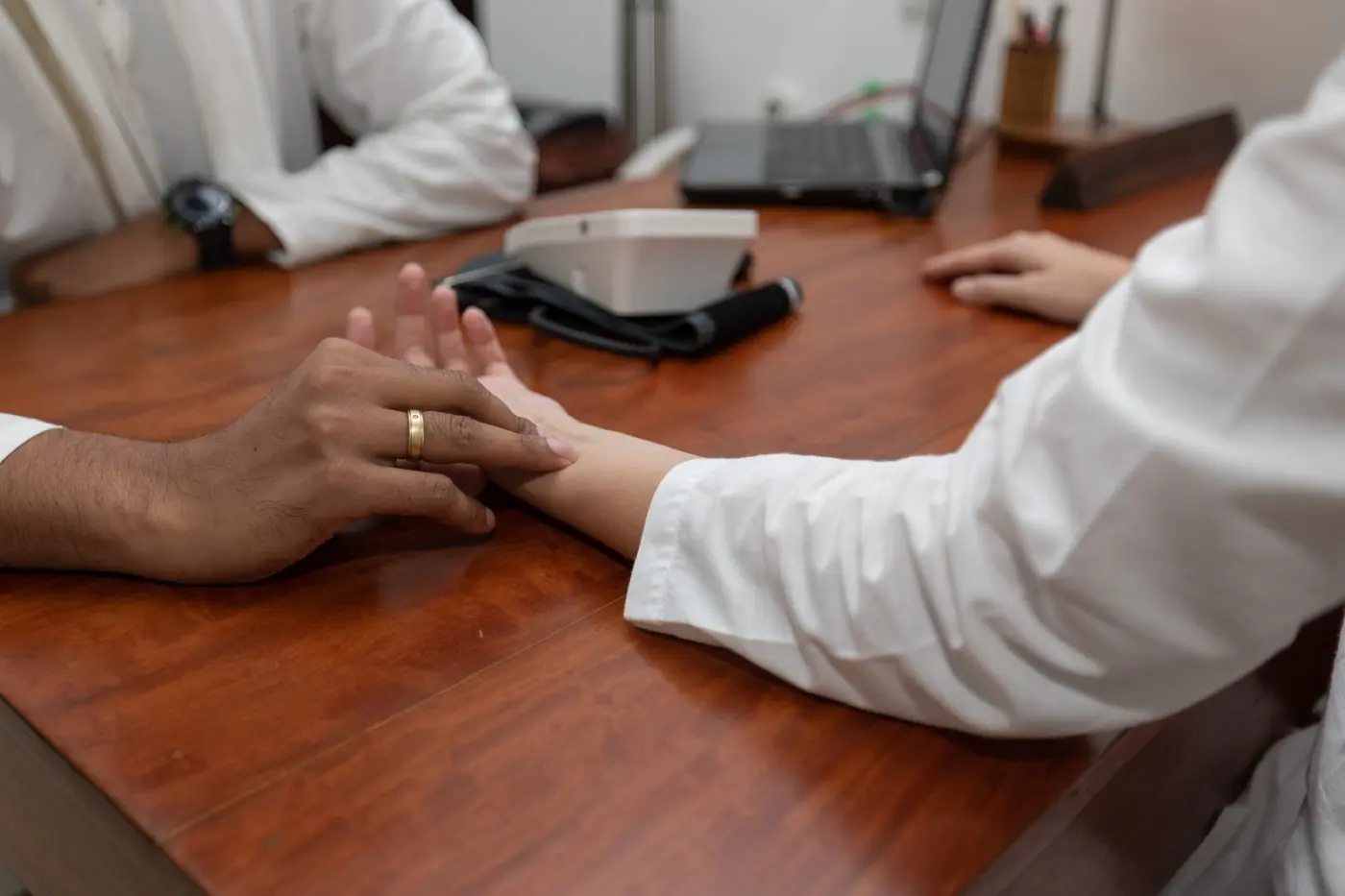
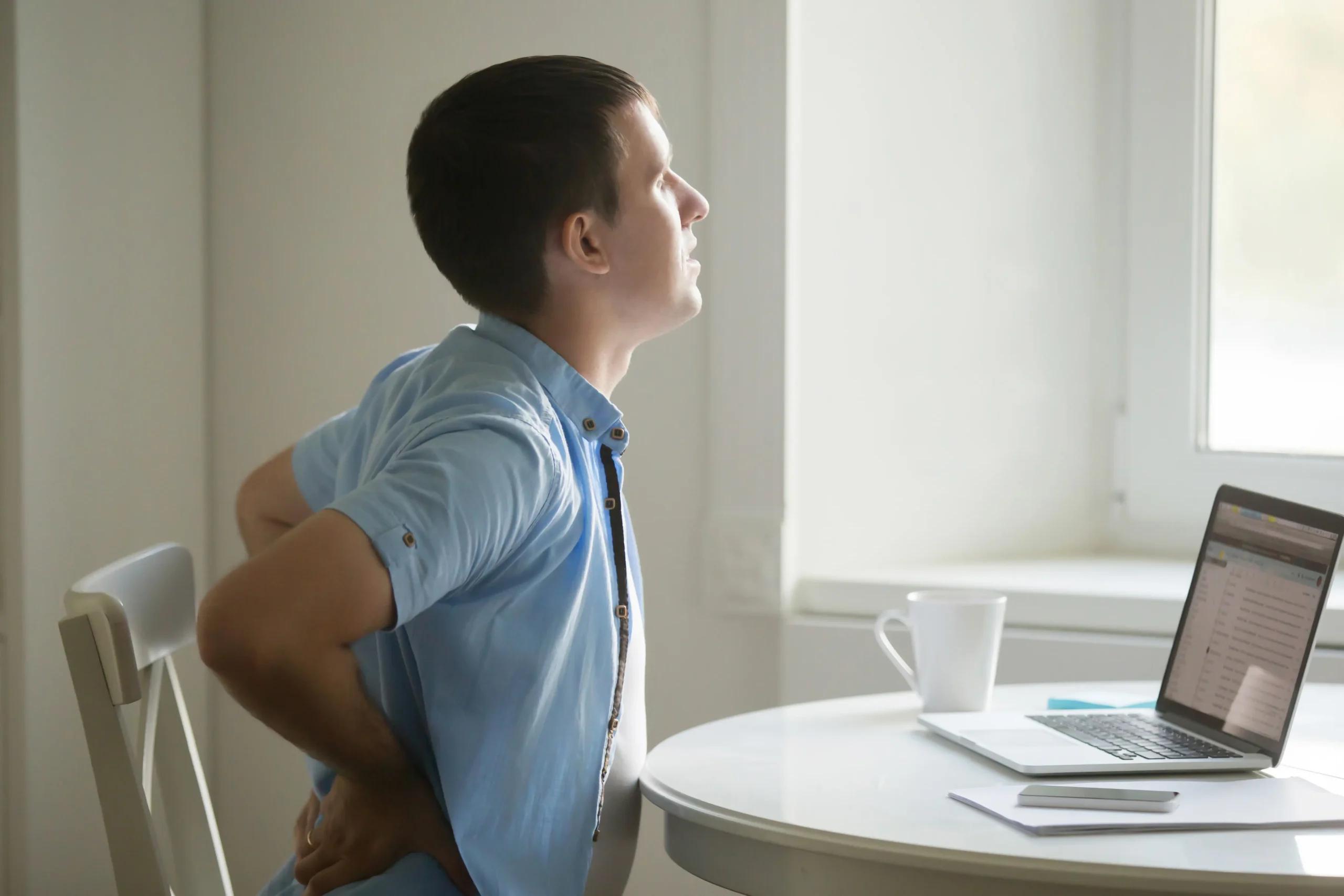
Illustration comparing a healthy spinal disc with a bulging disc pressing on a nearby nerve Image 2 — Healthy Disc vs Bulging Disc Infographic

What is a Disc Bulge?

The spine is made up of bones called vertebrae. Between these bones are soft discs that act as cushions, absorbing shock during everyday movements. A disc has a firm outer layer and a softer, gel-like centre.

With age, injury or repeated strain, the outer layer may weaken and the disc can bulge outward, sometimes pressing on nearby nerves. Not every disc bulge causes symptoms, which is why treatment decisions are based on both clinical examination and imaging findings.

Ayurvedic physician explaining the difference between a disc bulge and a slip disc Image 3 — Explaining Disc Bulge vs Slip Disc

Disc Bulge vs Slip Disc: Is There a Difference?

The terms disc bulge and slip disc are often used interchangeably, although they are not exactly the same. A disc bulge generally refers to a broader outward extension of the disc, while a slip disc is a common non-medical term that may describe a more significant disc protrusion or herniation.

The physician evaluates MRI findings, symptoms, physical examination and neurological function before deciding on the most appropriate management plan.

Where Does Ayurveda Fit?

Ayurveda is best considered a conservative treatment option for appropriately selected individuals. Every patient requires individual assessment before treatment begins.

Mild to moderate symptoms
No emergency neurological signs
Already medically evaluated
Seeking non-surgical management
Needs rehabilitation support

Understanding Disc Bulge in Ayurveda

Although classical Ayurvedic texts do not describe MRI-diagnosed disc bulges, the symptoms are often understood through conditions involving aggravated Vata Dosha, particularly where nerve function and musculoskeletal tissues are affected.

When Vata becomes disturbed, individuals may experience pain, stiffness, restricted movement, tingling sensations, weakness, or difficulty walking. Treatment is therefore planned according to the person's symptoms, constitution and stage of illness rather than the MRI report alone.

Physician performing Nadi Pariksha pulse assessment before disc bulge treatment Image 4 — Nadi Pariksha Pulse Assessment

How the Condition Is Assessed Before Treatment

At Pranavam Ayurvedam, treatment does not begin with therapies alone. The physician first conducts a detailed evaluation combining modern imaging with Ayurvedic assessment, allowing treatment to be individualised.

Medical History

When symptoms began, whether pain travels into the leg, numbness, weakness, aggravating activities, and prior treatments tried.

Physical Examination

Spine movement, walking pattern, muscle tightness, leg strength, joint mobility, tenderness and functional limitations.

Nadi Pariksha

Pulse assessment helps evaluate overall Dosha balance alongside the clinical examination.

Review of MRI Reports

Existing MRI scans, X-rays or other investigations reveal disc level, degree of bulging, nerve compression and degenerative changes.

Ayurvedic Therapies That May Be Recommended

Treatment depends entirely on physician assessment. A combination of therapies may be selected according to symptoms and recovery goals.

Physician supervised Basti therapy session for disc bulge management Image 5 — Physician Supervised Basti Therapy Session

Basti Therapy

Principal Vata therapy

Basti is considered one of Ayurveda's principal therapies for disorders associated with aggravated Vata. When appropriate, physician supervised Basti may be incorporated into the treatment programme after careful evaluation, supporting overall management rather than directly correcting the disc itself.

Targeted Kizhi Therapy

Warm herbal poultice

Kizhi uses warm herbal poultices applied over affected muscles, which may help reduce muscle tightness, improve flexibility, promote comfort during movement and support rehabilitation. Different herbal preparations are selected according to the individual's condition.

Therapeutic Abhyanga

Medicated oil massage

Abhyanga uses physician-selected medicated oils and specialised massage techniques aimed at relaxing surrounding muscles, improving circulation, supporting mobility and preparing the body for additional therapies.

Movement Guidance Similar to Physiotherapy Principles

Recovery does not depend only on clinical therapies. Patients are guided regarding safe movement, sitting posture, standing posture, walking, gentle stretching where appropriate, and daily activity modification, complementing treatment by reducing repeated strain on the lower spine.

What Panchakarma-Style Conservative Care Supports

What Results Can You Realistically Expect?

One of the biggest misconceptions is that every disc bulge can be completely reversed. In reality, structural changes seen on MRI do not always disappear, even when symptoms improve significantly. The aim of conservative Ayurvedic management is generally to help with the following:

Reduce pain

Improve walking

Increase spinal mobility

Decrease muscle spasm

Improve quality of life

Support return to daily activities

Lifestyle Measures That Support Recovery

Successful management often depends on consistent daily habits. Patients are commonly advised to follow the measures below to reduce ongoing stress on the spine.

Avoid prolonged sitting
Change posture regularly
Lift objects carefully
Maintain healthy body weight
Walk regularly as advised
Perform recommended exercises
Avoid sudden twisting movements

When Surgery May Still Be Necessary

Ayurveda should never delay emergency medical treatment. Immediate evaluation by a spine specialist or neurosurgeon is essential if symptoms include loss of bladder or bowel control, progressive weakness in the legs, severe numbness around the groin or saddle region, major spinal injury, or rapidly worsening neurological symptoms. These findings may indicate significant nerve compression requiring urgent medical attention.

Likewise, persistent symptoms that fail to improve despite appropriate conservative management should be reassessed by a spine specialist.

Patient walking comfortably with improved mobility after a structured disc bulge treatment programme Image 6 — Patient Walking Comfortably After Treatment

Choosing the Right Disc Bulge Treatment

When looking for disc bulge treatment near me, choose a centre that provides comprehensive physician consultation, individualised treatment planning, review of MRI reports, qualified Ayurvedic therapists, evidence-based integration with conventional diagnosis, and follow-up assessment throughout recovery.

Avoid centres that promise guaranteed cures or recommend identical therapy packages for every patient.

Frequently Asked Questions

Is Ayurveda a substitute for surgery?
No. Ayurveda is not a substitute for surgery in cases where emergency neurological symptoms or significant nerve compression require surgical treatment. It may be an appropriate conservative option for selected individuals after medical evaluation.
How is the severity of a disc bulge assessed before treatment?
The physician considers your symptoms, physical examination, neurological findings and imaging studies such as MRI scans. Treatment recommendations are based on the overall clinical picture rather than imaging alone.
What reports should I bring to my first consultation?
If available, bring MRI scans, X-ray reports, previous prescriptions, blood investigation reports related to your condition, and details of any treatments or physiotherapy you have already received.
How long before I should expect improvement?
Recovery varies depending on the severity of the condition, duration of symptoms, overall health and adherence to treatment. Some individuals notice gradual improvement within a few weeks, while long-standing conditions may require a longer course of physician-supervised care.

Begin Your Recovery Journey

A disc bulge does not automatically mean surgery. Many people with mild to moderate symptoms improve through well-planned conservative treatment that combines appropriate medical evaluation, lifestyle changes and physician-guided rehabilitation.

Ayurvedic treatment for disc bulge focuses on reducing pain, improving mobility and supporting overall spinal function through individualised therapies such as Basti, Kizhi and therapeutic Abhyanga. However, severe neurological symptoms require immediate conventional medical assessment, and surgery remains the safest option in certain situations. Always consult a qualified physician for an individualised treatment plan.

Ready to Explore Non-Surgical Disc Bulge Treatment?

Receive a personalised assessment from our physicians, including a review of your MRI reports, and find out whether physician-guided Ayurvedic care is right for your recovery.

This article is for general educational purposes and does not constitute individual medical advice. Ayurvedic treatment for disc bulge should only be undertaken following a full medical evaluation and ongoing supervision by a qualified physician. Treatment outcomes vary by individual, and emergency neurological symptoms require immediate conventional medical care.