Eczema & Chronic Dermatitis — Ayurvedic Root Cause Treatment
Root-Cause Skin Care · Authentic Kerala Ayurveda

Eczema and Chronic Dermatitis: An Ayurvedic Root Cause Approach

A physician-led guide from Pranavam Ayurvedam covering how digestion, diet, stress and lifestyle are assessed alongside the skin itself, and how personalised therapies support long-term relief from eczema and chronic dermatitis.

P
Pranavam Ayurvedam
• Kozhikode, Kerala
Dermatology consultation with an Ayurvedic physician discussing skin concerns Image 1 — Dermatology Consultation with an Ayurvedic Physician
Quick Answer

Ayurveda approaches eczema and chronic dermatitis by looking beyond the skin itself, evaluating digestion, diet, stress, sleep and overall health alongside visible symptoms. At Pranavam Ayurvedam, every treatment plan begins with a detailed physician consultation and may combine gentle detoxification, external herbal applications, internal Ayurvedic medicines, and personalised diet and lifestyle guidance to support long-term skin comfort.

Dry, itchy and inflamed skin can affect much more than physical comfort. People living with eczema or chronic dermatitis often deal with interrupted sleep, difficulty concentrating at work or school, and the frustration of repeated flare-ups. While creams and medicines may help control symptoms, many people also want to understand why the condition keeps returning.

Modern medicine recognises eczema as a chronic inflammatory skin condition influenced by genetics, immune function, skin barrier changes and environmental triggers. In many individuals, symptoms come and go over time rather than following a straight path to recovery.

Ayurveda approaches eczema by looking beyond the skin itself. Along with evaluating the visible skin changes, the physician also considers digestion, dietary habits, stress, sleep and overall health, to create a personalised treatment plan.

At Pranavam Ayurvedam, treatment begins with a detailed consultation rather than a standard protocol. Every recommendation is based on the individual's symptoms, age, medical history and current health.
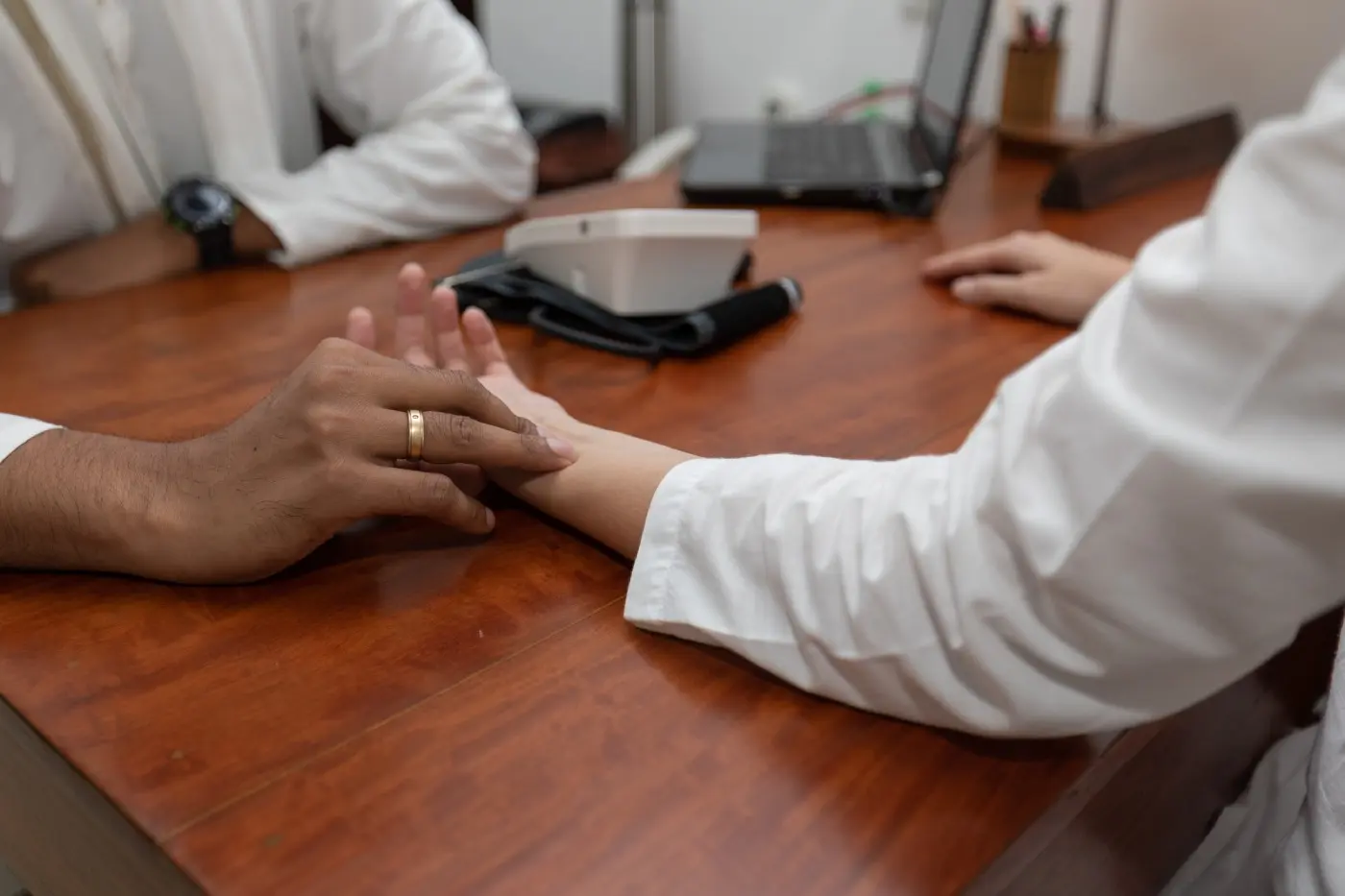
Physician examining skin during an eczema consultation at Pranavam Ayurvedam Image 2 — Physician Skin Examination at Pranavam Ayurvedam

Understanding Eczema and Chronic Dermatitis

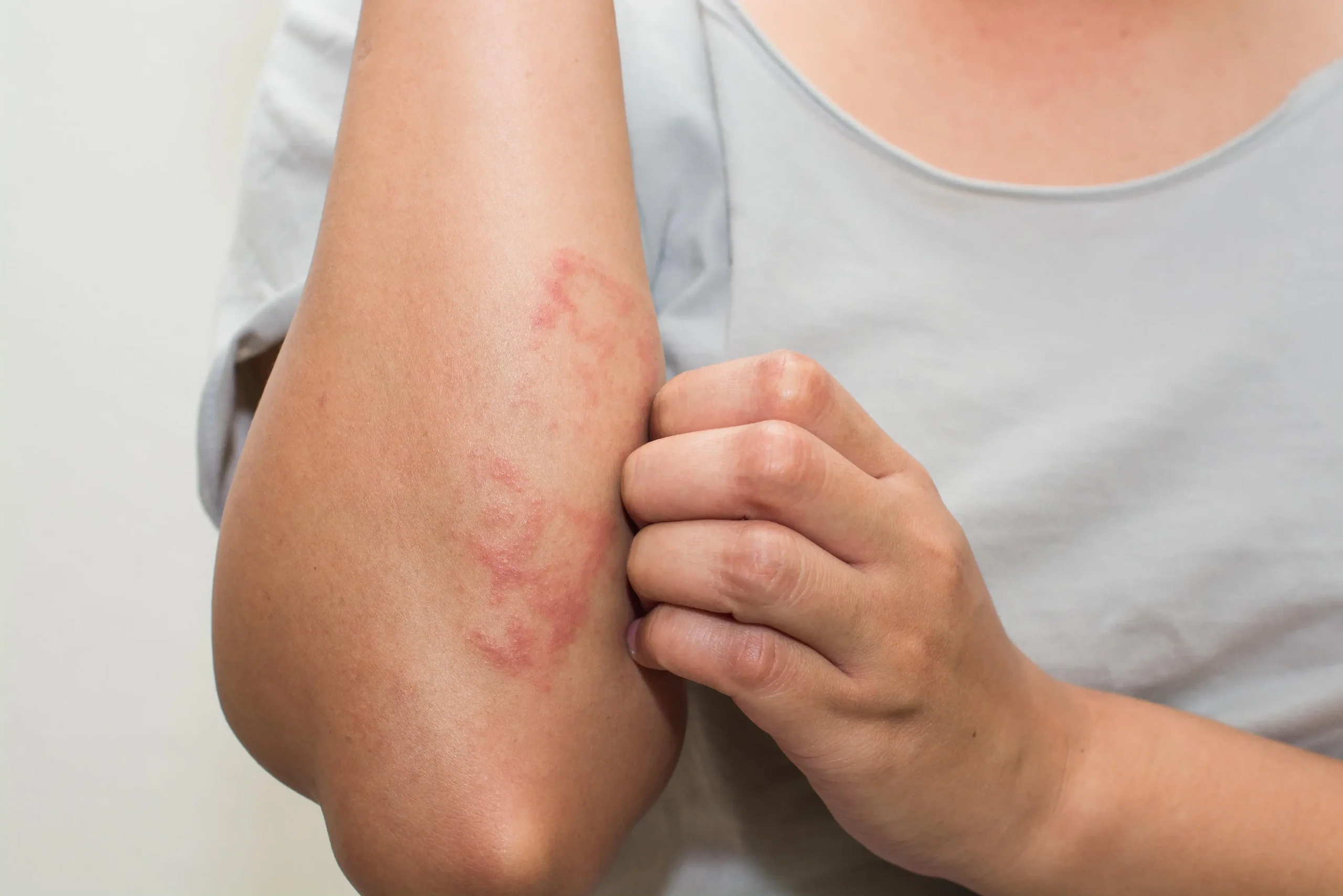
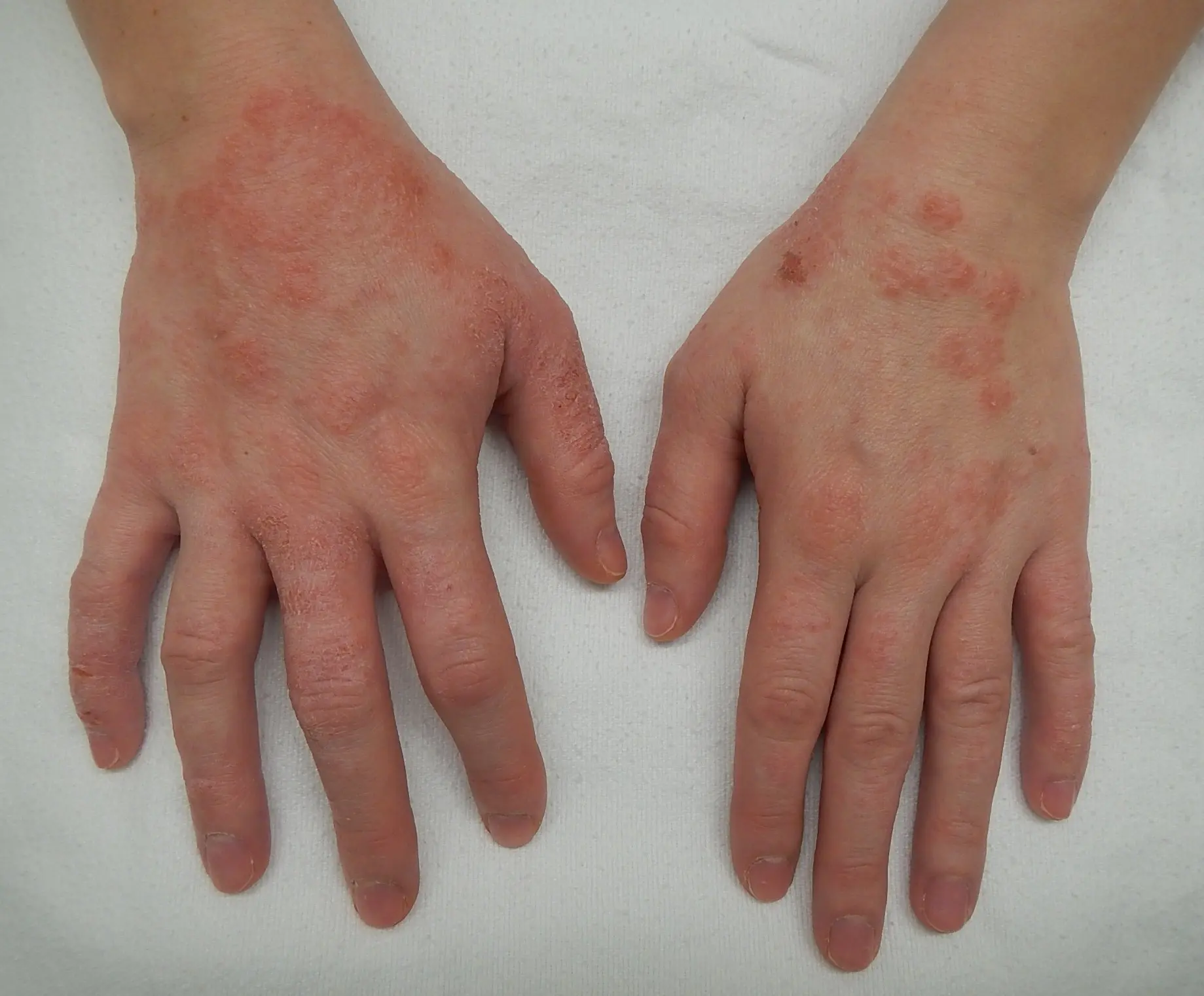
Eczema is a group of conditions that cause inflammation of the skin. The most common type is atopic dermatitis, although several other forms of dermatitis also exist.

Common symptoms include:

  • Dry skin
  • Persistent itching
  • Red or inflamed patches
  • Thickened skin from repeated scratching
  • Cracked skin
  • Occasional fluid leakage during severe flare-ups
Infographic illustrating the gut skin connection, digestion, lifestyle factors and skin health from an Ayurvedic perspective Image 3 — Infographic: The Gut Skin Connection

The Gut Skin Connection in Ayurveda

One of the central ideas in Ayurveda is that healthy skin reflects overall internal balance. Digestive function, known as Agni, plays an important role in this understanding.

According to Ayurvedic principles, when digestion becomes weak or irregular, the body may not process food efficiently, and this imbalance may influence several body systems, including the skin. For this reason, Ayurvedic treatment often addresses digestive health and visible skin symptoms together rather than focusing only on external applications.

Common Triggers Ayurveda Looks For

During consultation, the physician explores factors that may contribute to repeated flare-ups.

Ayurvedic physician reviewing diet and lifestyle triggers with an eczema patient Image 4 — Reviewing Diet and Lifestyle Triggers

Dietary Habits

Trigger factor

Some individuals notice worsening symptoms after eating certain foods. Rather than eliminating foods unnecessarily, the physician reviews eating patterns, digestion and nutritional needs before recommending changes.

Digestive Health

Trigger factor

Symptoms such as bloating, indigestion or irregular bowel habits may provide useful information during assessment.

Emotional Stress

Trigger factor

Stress does not cause eczema, but many patients report that emotional stress makes itching and inflammation worse. Weather changes, soaps, detergents, fabrics and skin care products may also contribute to flare-ups, so understanding personal triggers often helps improve long-term symptom management.

Physician Assessment Before Treatment

Every treatment programme begins with a detailed evaluation. The physician may assess the following, and if necessary, patients may also be advised to continue or seek assessment from a dermatologist.

Duration of symptoms
Previous treatments
Family history
Allergies
Digestive health
Diet
Sleep
Stress
Current medications
Skin examination

What Ayurvedic Care Supports

Ayurvedic Treatment Approach

Treatment depends on the severity of symptoms, age and overall health. Several therapies may be combined into a personalised treatment plan, working toward:

Better skin comfort

Reduced itching

Improved sleep

Fewer flare-ups

Digestive balance

Gentle detoxification

Physician-guided herbal care

Personalised diet support

Stress management

Better quality of life

Mild Detoxification: For selected individuals, the physician may recommend gentle Ayurvedic cleansing therapies as part of the treatment programme. The choice of therapy depends on general health, digestive strength, severity of symptoms and overall treatment goals. Not every patient requires Panchakarma procedures.

External Herbal Applications: Physician-selected herbal oils, creams or traditional preparations may be recommended to help support skin comfort. The exact formulations vary according to skin type, degree of dryness, presence of inflammation and individual constitution. Patients should avoid using unverified home remedies without medical advice.

Internal Ayurvedic Medicines: Internal herbal medicines are prescribed only after physician assessment, individualised according to digestive health, skin symptoms, age and other medical conditions. Self-prescribing herbal medicines is not recommended, particularly for children or individuals taking prescription medications.

Physician-supervised application of an Ayurvedic herbal preparation during a skin treatment session Image 5 — Physician-Supervised Herbal Preparation Application

Dietary Guidance for Eczema

Diet is considered an important part of long-term management. Rather than recommending the same diet for everyone, Ayurvedic physicians individualise nutritional advice.

Fresh meals

Eat freshly prepared meals rather than processed or reheated food.

Meal timing

Maintain regular meal timings to support consistent digestion.

Hydration

Stay well hydrated throughout the day.

Vegetables

Include a variety of vegetables in daily meals.

Balanced nutrition

Choose balanced nutrition suited to individual needs.

Guided restriction

Reduce aggravating foods only under a qualified physician's guidance.

Skin Care Between Treatment Sessions

Daily skin care plays an important role in managing eczema. Good skin care helps support the benefits of clinical treatment.

Moisturise regularly with recommended products
Avoid harsh soaps
Bathe with lukewarm, not hot, water
Wear soft, breathable fabrics
Avoid scratching whenever possible
Keep fingernails short

Lifestyle Habits That Support Healthy Skin

Alongside medical treatment, physicians may recommend adequate sleep, stress management, gentle physical activity, consistent daily routines, healthy digestion, and avoiding smoking where applicable. These measures contribute to overall wellbeing and may help reduce flare-ups in some individuals.

Setting Realistic Expectations

Eczema is usually a long-term condition. The aim of treatment is not to promise a permanent cure but to support better skin comfort, reduced itching, improved sleep, fewer flare-ups for some individuals, and better quality of life. Improvement often occurs gradually and depends on disease severity, trigger control, adherence to treatment and individual response. Consistency is an important part of successful long-term management.

Disease severity
Trigger control
Adherence to treatment
Individual response
Pranavam Ayurvedam clinic environment, Kozhikode, Kerala Image 6 — Pranavam Ayurvedam, Kozhikode

Why Choose Pranavam Ayurvedam?

At Pranavam Ayurvedam, physician-guided care may include dietary correction, gentle detoxification where appropriate, herbal medicines, external applications and long-term lifestyle guidance. Combined with responsible dermatology care when needed, this integrated approach aims to support healthier skin and improved quality of life.

Every treatment programme begins with a detailed evaluation to understand the individual's condition before recommending a plan designed to address the root cause of imbalance, not just the visible symptoms.

Patients choose Pranavam Ayurvedam for:

  • Physician-led consultation and personalised care
  • Individualised diet and lifestyle guidance
  • Authentic Kerala Ayurvedic herbal therapies
  • Gentle detoxification only where appropriate
  • A holistic approach considering digestion, stress and sleep
  • Realistic expectations and long-term follow-up support

Frequently Asked Questions

Is eczema treatment different from psoriasis treatment in Ayurveda?
Yes. Although both are chronic skin conditions, the physician evaluates them differently based on their symptoms, underlying Ayurvedic assessment and the individual's overall health. The treatment plan is tailored to the specific condition rather than using the same approach for every patient.
Can food allergies be identified through Ayurvedic assessment?
Ayurvedic consultation may help identify dietary patterns that appear to worsen symptoms, but it cannot diagnose food allergies. If a food allergy is suspected, appropriate allergy testing or specialist evaluation may be recommended.
How long does a typical treatment course last?
The duration varies depending on the severity of eczema, how long it has been present, the individual's response to treatment and adherence to dietary and lifestyle recommendations. Chronic cases often require ongoing follow-up.
Is Ayurvedic treatment suitable for children with eczema?
Some Ayurvedic therapies may be appropriate for children, while others are not. Treatment should always be planned by a qualified physician with experience in paediatric care. Please consult our physicians directly to confirm whether paediatric care is available for your child's specific case.

Begin Your Skin Healing Journey

Eczema and chronic dermatitis involve much more than visible skin changes. Ayurveda approaches these conditions by considering digestion, lifestyle, stress, diet and overall constitutional balance alongside the condition of the skin itself. If you are considering Ayurvedic treatment for eczema, choosing a physician-led centre that provides personalised care and realistic expectations is an important first step.

Ready to Support Healthier, Calmer Skin?

Speak with our Ayurvedic physicians for a detailed assessment of your eczema or chronic dermatitis and receive a personalised, root-cause treatment plan designed to support long-term skin comfort and wellbeing.

This article is for general educational purposes and does not constitute individual medical advice. Ayurvedic treatment for eczema and chronic dermatitis should only be undertaken following a full consultation and ongoing supervision by a qualified Ayurvedic physician, alongside dermatology care where needed. Treatment outcomes vary by individual.