Ayurveda for Gout & Joint Inflammation — Diet Guide
Joint Health & Diet · Authentic Kerala Ayurveda

Ayurveda for Gout and Joint Inflammation: Diet Dos and Don'ts

Learn how Ayurveda approaches gout and joint inflammation through physician-guided treatment, dietary changes and lifestyle management for long-term joint health.

P
Pranavam Ayurveda
• Kozhikode, Kerala
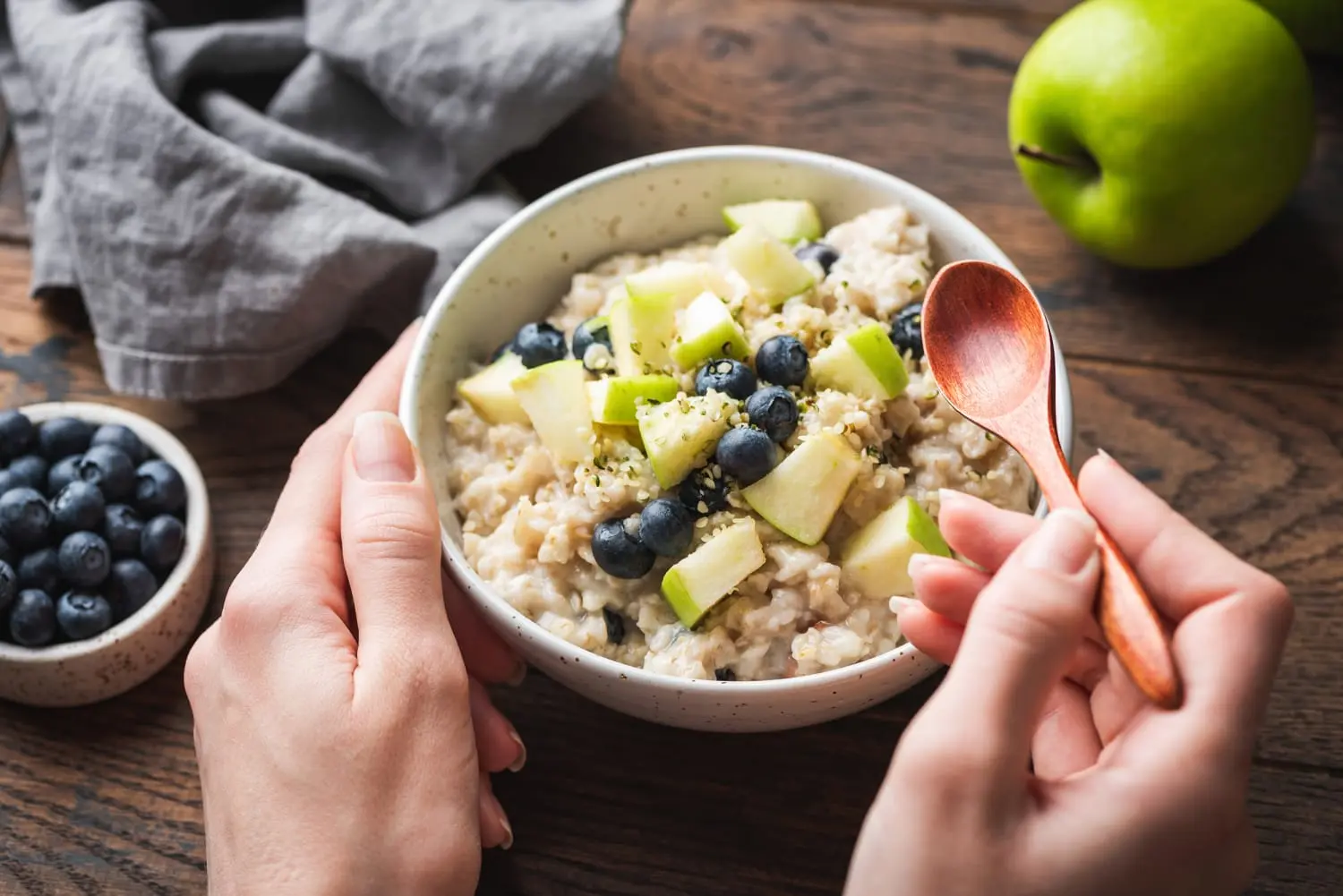
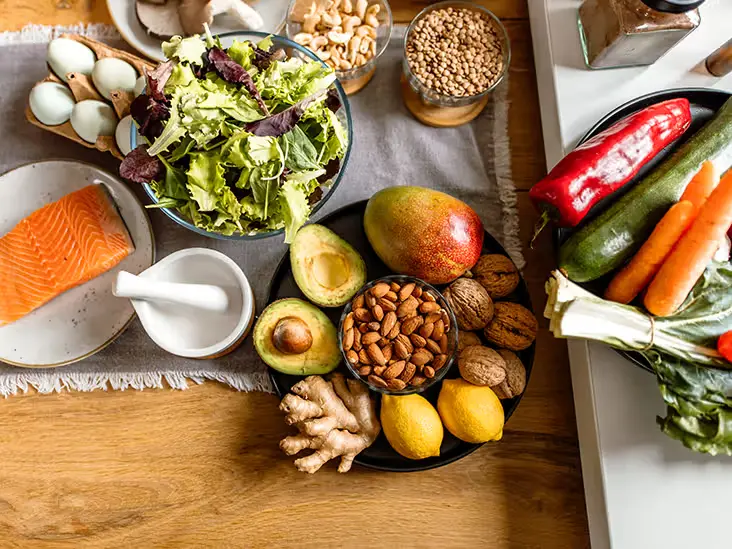
Balanced Ayurvedic meal with fresh vegetables and whole grains for joint health Image 1 — A Balanced Ayurvedic Meal for Joint Health
Quick Answer

Gout is a form of inflammatory arthritis caused by the accumulation of uric acid crystals within the joints, and it is strongly influenced by diet and lifestyle. Ayurveda views recurring joint inflammation through the lens of Dosha imbalance, particularly aggravated Pitta and Vata, together with impaired digestive function. At Pranavam Ayurvedam, treatment combines physician-guided therapies such as Virechana with personalised dietary counselling and long-term lifestyle guidance, alongside continued medical monitoring.

A sudden attack of severe pain in the big toe or another joint can be alarming. The joint may become swollen, red, warm and extremely sensitive to touch, making even simple activities like walking or wearing shoes uncomfortable. These episodes are commonly associated with gout, a form of inflammatory arthritis caused by the accumulation of uric acid crystals within the joints.

Unlike some other joint conditions, gout is strongly influenced by diet and lifestyle. Certain foods, alcohol consumption, dehydration and irregular eating habits may increase the risk of flare-ups in susceptible individuals.

Ayurveda also places significant importance on diet when managing gout-like conditions. While modern medicine explains gout in terms of uric acid metabolism, Ayurveda views recurring joint inflammation through the lens of Dosha imbalance, digestive health and metabolic function. Treatment therefore combines physician-guided therapies with long-term dietary and lifestyle changes.

At Pranavam Ayurvedam, every treatment plan begins with a detailed consultation rather than a standard package. The physician evaluates the individual's symptoms, medical history, dietary habits and laboratory reports before recommending appropriate therapies. This guide explains how Ayurveda approaches gout, which foods may aggravate symptoms, which dietary habits may support recovery and why ongoing medical monitoring remains important.

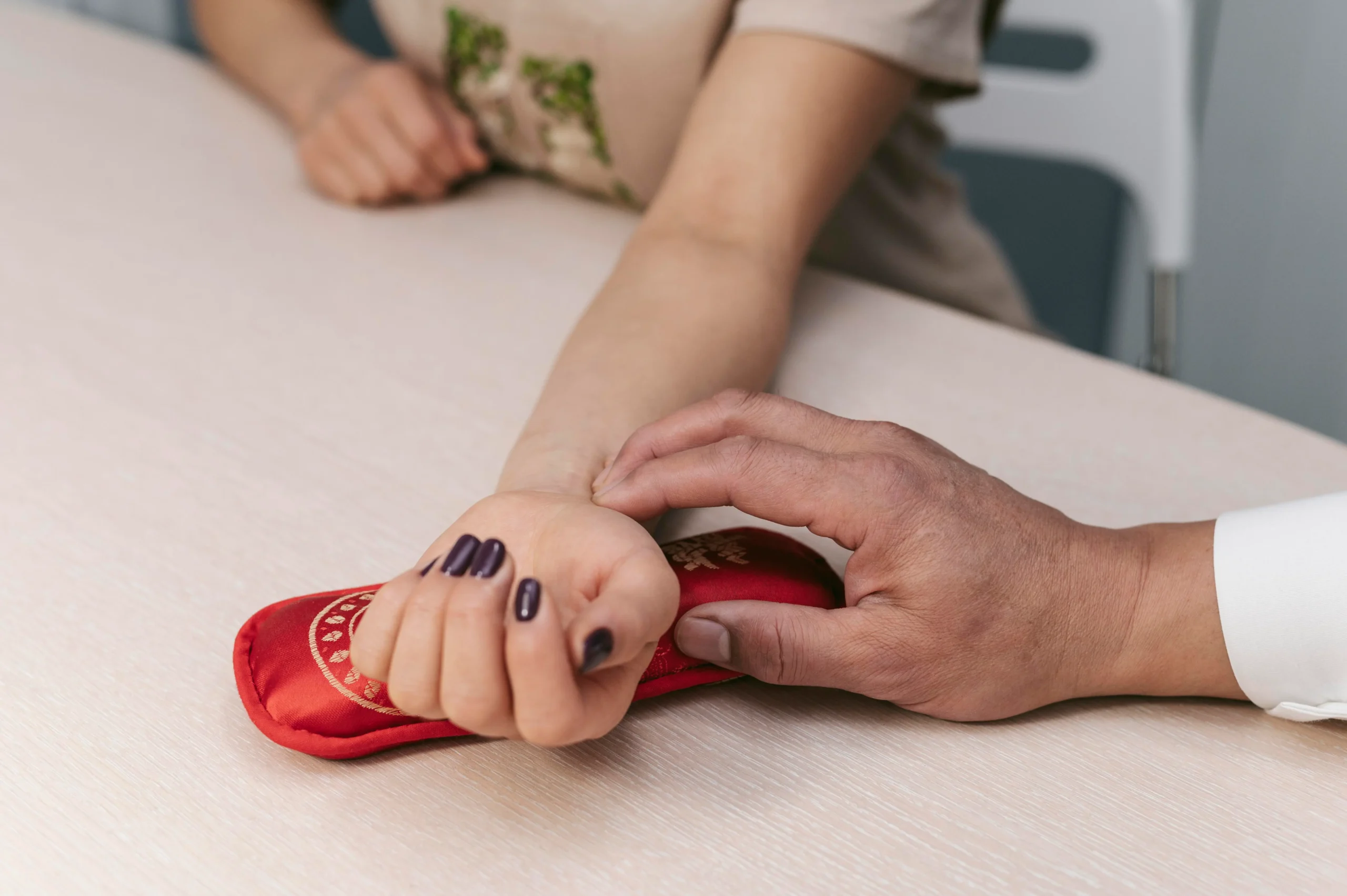
Ayurvedic physician assessing Pitta and Vata Dosha imbalance related to gout Image 2 — Assessing Pitta and Vata Imbalance Related to Gout

Understanding Gout in Ayurveda

Gout is characterised by repeated episodes of sudden joint inflammation, often affecting the big toe, ankle, knee or other joints. In Ayurvedic practice, symptoms similar to gout are commonly understood as involving an imbalance of Pitta and Vata Doshas, together with impaired metabolism and the accumulation of unwanted metabolic by-products. During an acute flare, inflammation, redness and burning sensations may suggest increased Pitta, while severe pain and joint stiffness are often associated with aggravated Vata. Rather than focusing only on the painful joint, Ayurveda also considers digestive function, eating habits, sleep and overall lifestyle when planning treatment.

Signs to Watch For

Common Symptoms of Gout

Sudden, intense joint pain

Redness around the affected joint

Swelling

Warmth over the joint

Difficulty walking during a flare

Recurrent attacks affecting the same joint

Because other forms of arthritis can produce similar symptoms, proper medical evaluation is important before beginning treatment.

Foods and Habits That May Aggravate Gout

Diet plays a significant role in the management of gout. From a modern medical perspective, foods high in purines can contribute to elevated uric acid levels in susceptible individuals. Ayurveda also recommends avoiding foods and habits that may impair digestion or aggravate Dosha imbalance.

Excessive Red Meat and Organ Meats

These foods are naturally high in purines and may contribute to increased uric acid production in some people.

Certain Seafood

Anchovies, sardines, shellfish and some other seafood contain higher purine levels and may trigger flare-ups in susceptible individuals.

Alcohol

Alcohol, particularly beer and excessive spirits, may interfere with normal uric acid handling and increase the likelihood of gout attacks.

Sugary Drinks

Sugar-sweetened beverages, especially those containing high amounts of fructose, may also contribute to elevated uric acid levels.

Irregular Eating Habits

Skipping meals, overeating or eating at inconsistent times may negatively affect digestion according to Ayurvedic principles.

Inadequate Hydration

Not drinking enough water can reduce the body's ability to eliminate uric acid effectively.

Red & organ meats
Certain seafood
Alcohol
Sugary drinks
Irregular eating
Inadequate hydration
Infographic comparing foods to avoid versus foods that help manage gout Image 3 — Foods to Avoid vs Foods That Help

Foods Ayurveda Commonly Recommends

Dietary advice is always personalised, but many individuals are encouraged to choose foods that are fresh, light and easy to digest. Because every individual is different, specific dietary recommendations should always come from the treating physician.

Freshly prepared meals

Warm, freshly cooked food is generally preferred over heavily processed or leftover meals.

Seasonal vegetables

A variety of vegetables may help support a balanced diet and healthy digestion.

Whole grains

Appropriate grains may provide steady energy while fitting into an overall balanced eating pattern.

Adequate hydration

Maintaining good hydration is important for overall health and may also support normal uric acid excretion.

Regular meal timing

Eating meals at consistent times is considered beneficial for maintaining healthy digestive function, known in Ayurveda as Agni.

Ayurvedic Therapies That May Support Gout Management

Treatment is selected according to the individual's condition, current symptoms and stage of disease.

Virechana

Pitta-focused Panchakarma

When clinically appropriate, Virechana may be recommended as part of a physician-supervised Panchakarma programme. In Ayurveda, Virechana is traditionally used to help manage conditions associated with aggravated Pitta. The physician determines whether this therapy is appropriate based on the patient's overall health and current disease activity.

External Ayurvedic Therapies

Local applications

During or after an acute episode, physician-guided external treatments may be considered depending on the individual's condition, including local herbal applications, gentle oil-based therapies when appropriate, and physician-selected fomentation techniques after acute inflammation subsides. The exact therapies depend on whether the joint is acutely inflamed or in the recovery phase.

Internal Ayurvedic Medicines

Physician-prescribed

Depending on the patient's assessment, the physician may prescribe herbal formulations traditionally used in Ayurvedic practice. These medicines are selected individually and should never be taken without professional supervision. There is currently limited high-quality evidence that any Ayurvedic herb alone reliably lowers uric acid, so treatment focuses on the overall clinical picture rather than a single laboratory value.

Long-Term Lifestyle Management

Managing gout successfully usually requires attention beyond the period of an acute flare. These habits may help reduce the frequency of future attacks when combined with appropriate medical care.

Maintain a healthy body weight
Drink adequate water throughout the day
Follow regular meal timings
Limit alcohol if advised
Stay active between flare-ups
Get sufficient sleep
Continue medical follow-up
Ayurvedic physician counselling a patient on diet for gout management Image 4 — Physician Counselling a Patient on Diet

Monitoring Gout Alongside Ayurvedic Treatment

Ayurveda can complement conventional care, but regular medical monitoring remains essential. Patients should continue follow-up with their physician and may require periodic blood tests, including serum uric acid, kidney function tests when indicated, and other investigations recommended by their healthcare provider. Monitoring helps assess disease progression and guides treatment decisions over time.

Freshly prepared Ayurvedic meal representing long-term joint health management Image 5 — Diet as Part of Long-Term Joint Health

Setting Realistic Expectations

Diet is an important part of gout management, but it is rarely the only answer. For many people, successful treatment combines dietary changes, healthy lifestyle habits, weight management, physician-guided Ayurvedic care, and conventional medical treatment when required. Some patients notice fewer flare-ups over time, while others require ongoing medication and monitoring depending on the severity of their condition.

Conclusion

Gout is one of the few joint conditions in which daily food choices can have a meaningful influence on symptoms. Ayurveda recognises the importance of diet, digestive health and lifestyle while also emphasising personalised treatment based on the individual's condition.

At Pranavam Ayurvedam, physician-guided care may include dietary counselling, Panchakarma procedures such as Virechana where appropriate, external therapies and long-term lifestyle guidance. At the same time, regular blood tests and medical follow-up remain essential for safe and effective gout management. If you are seeking arthritis treatment in Kerala, an integrated approach that combines responsible Ayurvedic care with ongoing medical monitoring offers the best foundation for long-term joint health.

Frequently Asked Questions

Can diet alone manage gout?
Diet plays a major role, but it is not always sufficient on its own. Many individuals also require medicines, lifestyle modification and regular medical follow-up depending on the severity of their condition.
Are there specific Ayurvedic herbs used for uric acid?
Ayurvedic physicians may prescribe traditional herbal formulations based on the individual's condition. However, no herbal medicine should be used as a substitute for medical evaluation or prescribed treatment, and herbs should always be taken under professional supervision.
How quickly do dietary changes begin to show an effect?
Some people notice gradual improvements in overall wellbeing within a few weeks, but the impact on gout symptoms varies depending on disease severity, uric acid levels, medications and long-term adherence to dietary recommendations.
Should gout be monitored with blood tests alongside Ayurvedic treatment?
Yes. Regular blood tests, including serum uric acid and other investigations recommended by your physician, remain an important part of monitoring gout, even if you are receiving Ayurvedic treatment.

Ready for a Physician-Guided Approach to Joint Health?

Experience personalised Ayurvedic care for gout and joint inflammation under the guidance of Dr. Sreejith and Dr. Diana Sreejith. Receive a detailed assessment and a treatment plan that combines dietary counselling, physician-guided therapies and long-term lifestyle support.

This article is for general educational purposes and does not constitute individual medical advice. Gout and joint inflammation should be evaluated and monitored by a qualified physician, and any Ayurvedic treatment should only be undertaken following a full consultation and ongoing medical supervision. Treatment outcomes vary by individual.