
Hormonal Imbalance in Women — Ayurvedic Diet & Lifestyle Guide
Women's Health & Hormonal Balance · Authentic Kerala Ayurveda

Hormonal Imbalance and Ayurveda: Diet, Herbs and Lifestyle Correction for Women

A physician-led guide from Pranavam Ayurveda Hospital covering how Ayurveda understands hormonal imbalance, the role of diet, herbs and lifestyle correction, and why working alongside your gynaecologist or endocrinologist remains essential.

P
Pranavam Ayurveda
• Kozhikode, Kerala
Consultation on women's hormonal health at Pranavam Ayurveda Hospital Image 1 — Women's Hormonal Health Consultation at Pranavam Ayurveda Hospital
Quick Answer

Hormonal imbalance in women can show up as irregular periods, acne, weight changes, hair thinning, fatigue or mood shifts, and may relate to conditions such as PCOS, thyroid disorders or perimenopause. Ayurveda approaches these concerns by evaluating digestion, metabolism, sleep, stress and reproductive health as a whole, rather than a single hormone level. At Pranavam Ayurvedam, treatment is personalised after physician consultation and typically combines dietary correction, individualised herbal support and lifestyle guidance, alongside continued gynaecological or endocrine care.

Hormones influence almost every aspect of a woman's health. They help regulate the menstrual cycle, fertility, metabolism, mood, sleep, skin health, and energy levels. When hormone levels become imbalanced, the effects may appear gradually and can vary from one woman to another.

Some women notice irregular periods, while others experience persistent acne, unexplained weight changes, hair thinning, fatigue, or mood fluctuations. These symptoms may be related to conditions such as PCOS, thyroid disorders, perimenopause, or other hormonal changes. Because the causes differ, treatment should always begin with an accurate diagnosis rather than assumptions.

In Ayurveda, hormonal health is viewed as part of the body's overall balance. Instead of focusing on hormone levels alone, physicians also evaluate digestion, metabolism, sleep, stress, nutrition, and reproductive health.

At Pranavam Ayurvedam, every treatment plan is individualised. After a detailed consultation, the physician develops a personalised approach that may include dietary guidance, lifestyle modification, physician-prescribed herbal medicines, and selected Ayurvedic therapies when appropriate.

This guide explains how Ayurveda understands hormonal imbalance, what lifestyle changes may support recovery, and why regular gynaecological or endocrine care remains an essential part of treatment.
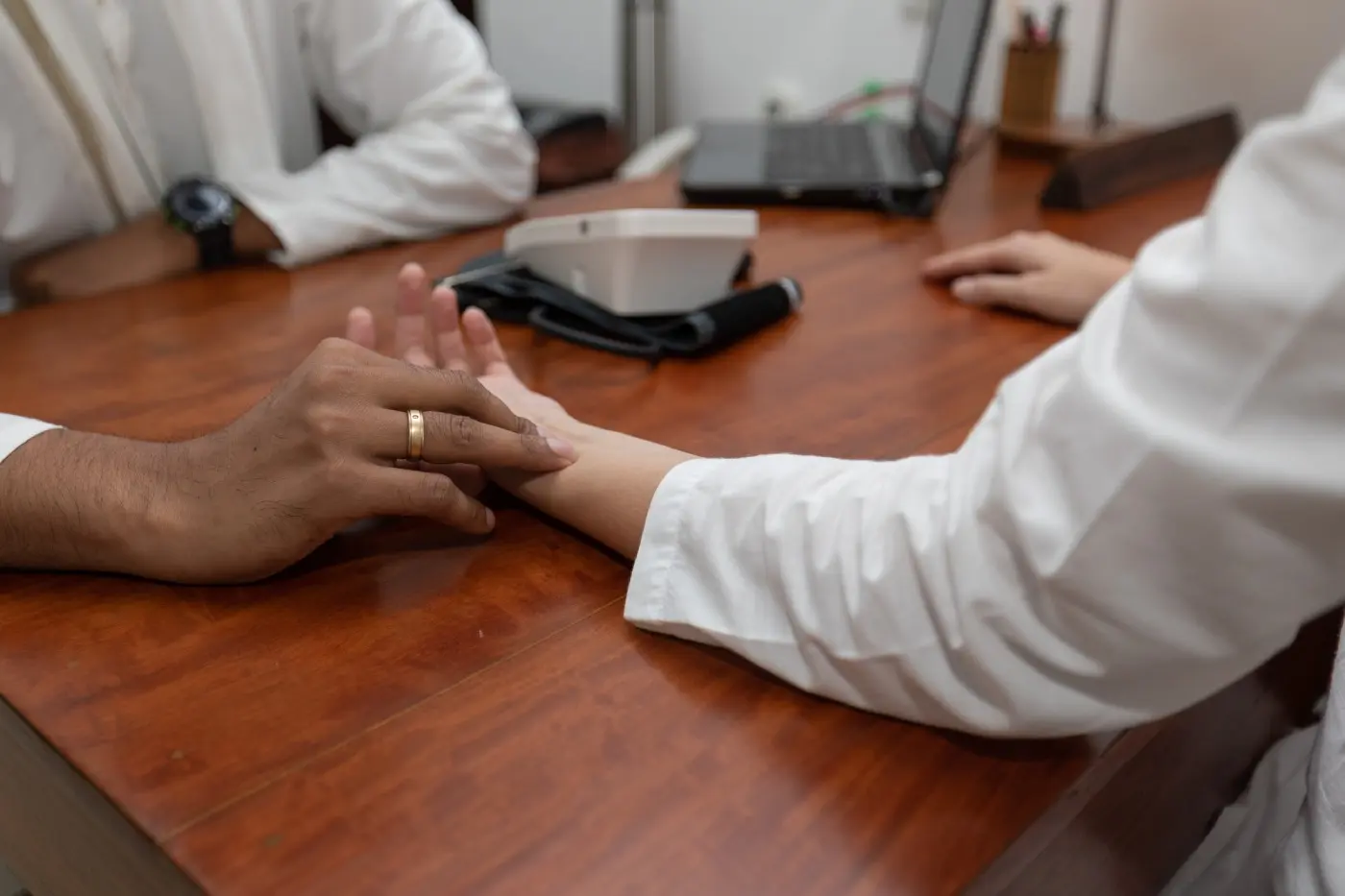

Physician reviewing hormonal lab reports during consultation at Pranavam Ayurveda Hospital Image 2 — Physician Reviewing Reports During Consultation

Common Signs of Hormonal Imbalance

Hormonal imbalance can affect multiple body systems. Common symptoms include irregular menstrual cycles, heavy or light periods, acne, increased facial or body hair, hair thinning, weight gain or difficulty losing weight, fatigue, mood changes, difficulty sleeping, reduced energy, and fertility concerns.

These symptoms do not always indicate the same condition. Similar complaints may occur with PCOS, thyroid disorders, menopause, nutritional deficiencies, or other medical conditions, which is why professional evaluation is important.

Symptoms to Watch For

Irregular menstrual cycles
Heavy or light periods
Acne
Increased facial or body hair
Hair thinning
Weight gain or difficulty losing weight
Fatigue
Mood changes
Difficulty sleeping
Fertility concerns
Ayurvedic dosha assessment for women's hormonal health Image 3 — Dosha Balance Assessment for Women's Hormonal Health

The Ayurvedic Understanding of Hormonal Health

Ayurveda does not describe hormones in the same way as modern medicine. Instead, it evaluates how different body systems work together, considering digestive health, metabolism, menstrual history, reproductive health, emotional wellbeing, daily routine, and body constitution.

Many women with hormonal concerns show patterns involving imbalance of Kapha, Vata, or Pitta, depending on their symptoms. The goal is to restore overall balance rather than addressing only one laboratory value.

Why Agni Matters

One of Ayurveda's central concepts is Agni, often described as the body's digestive and metabolic capacity. According to Ayurvedic principles, healthy digestion supports the proper nourishment of tissues and helps maintain overall wellbeing.

When digestion becomes sluggish or irregular, it may contribute to broader health concerns. For this reason, improving digestion is often considered an important part of managing hormonal health.

Physician Assessment Before Treatment

At Pranavam Ayurvedam, treatment begins with a detailed consultation. The physician may evaluate menstrual history, weight changes, pregnancy history, fertility goals, digestive health, sleep quality, stress levels, current medications, and previous laboratory investigations or ultrasound reports if available.

Patient bringing thyroid and hormonal reports to Ayurvedic consultation Image 4 — Reviewing Reports During Hormonal Health Consultation

Reports Patients Are Encouraged to Bring

Supports integrated care
  • Thyroid function tests
  • Blood sugar investigations
  • Hormonal blood tests
  • Pelvic ultrasound reports
  • Previous prescriptions

Dietary Correction for Hormonal Health

Diet is an important part of Ayurvedic care. Rather than recommending one universal meal plan, dietary advice is tailored according to the individual's constitution, digestion, and underlying condition. Dietary recommendations vary between individuals, particularly for women with diabetes, thyroid disease, or other medical conditions.

Freshly Prepared Meals

Fresh home-cooked meals are generally preferred over highly processed foods.

Regular Meal Timing

Eating at consistent times may support healthy digestion and metabolic balance.

Plenty of Vegetables

Seasonal vegetables provide fibre and nutritional variety that support overall health.

Adequate Protein

Balanced protein intake supports muscle mass and general wellbeing.

Healthy Fats

Physician-guided advice may include appropriate sources of healthy fats.

Hydration

Maintaining adequate fluid intake supports overall health and normal function.

Balanced Ayurvedic meal with fresh vegetables and whole grains Image 5 — Balanced Ayurvedic Meal Supporting Hormonal Health

Individualised Herbal Support

Ayurvedic medicines are prescribed according to the individual's symptoms rather than the diagnosis alone. Depending on physician assessment, herbal formulations may be selected to support digestive health, menstrual regularity, metabolic balance, and overall wellbeing.

Because every woman's condition is different, self-prescribing herbal supplements is not recommended. Some herbs may interact with prescription medicines or may not be appropriate during pregnancy or breastfeeding.

Lifestyle Correction

Daily habits often have a significant influence on hormonal health.

Yoga and breathing exercises for stress management and hormonal balance Image 6 — Yoga and Stress Management for Hormonal Balance

1. Prioritise Sleep

Daily rhythm

Consistent sleep schedules support overall health and may help maintain healthy daily rhythms.

2. Manage Stress

Mind-body balance

Chronic stress can affect multiple body systems. Depending on the individual's needs, physicians may recommend yoga, breathing exercises, meditation, or relaxation techniques.

3. Exercise & Weight Management

Individualised guidance

Exercise recommendations should match the individual's health, age, and medical condition. Where appropriate, gradual, sustainable weight management may support metabolic health.

Integrated, Responsible Care

Working Alongside Gynaecologists & Endocrinologists

Responsible hormonal healthcare often requires collaboration between different healthcare professionals. Ayurveda can complement modern medical care, particularly for women receiving treatment for the following conditions. Prescription medicines should never be stopped without discussing the decision with the treating doctor.

PCOS

Thyroid disorders

Menstrual irregularities

Fertility concerns

Perimenopause

Patients Should Continue

Hormonal blood tests
Ultrasound examinations
Thyroid monitoring
Diabetes screening where indicated
Routine follow-up appointments

Setting Realistic Expectations

Hormonal imbalance usually develops gradually, and improvement often takes time. Many women notice changes in stages, such as better digestion, improved energy, more consistent sleep, gradual improvement in menstrual regularity, and better overall wellbeing.

The timeline varies depending on the underlying diagnosis, body weight, lifestyle, stress levels, medical treatment, and adherence to dietary recommendations. Long-term success usually depends on consistency rather than short-term interventions.

Pranavam Ayurveda Hospital exterior, Kozhikode, Kerala Image 7 — Pranavam Ayurveda Hospital, Kozhikode

Why Choose Pranavam Ayurveda Hospital?

At Pranavam Ayurvedam, physician-guided care may include dietary correction, personalised herbal medicines, lifestyle modification, and selected Ayurvedic therapies where appropriate. Combined with regular follow-up from a gynaecologist or endocrinologist, this integrated approach supports informed and responsible long-term care.

Whether you are exploring support for PCOS treatment in Kerala or looking for a holistic approach to women's hormonal health, personalised assessment remains the first step toward effective treatment. Patients choose Pranavam for:

  • Experienced Ayurvedic physicians, including Dr. Diana
  • Individualised treatment plans
  • Physician-guided herbal medicines rather than generic supplements
  • Dietary and lifestyle correction tailored to each woman's needs
  • Integrated care alongside gynaecological and endocrine follow-up
  • Realistic expectations and honest guidance

Frequently Asked Questions

Can Ayurveda balance hormones without medication?
The answer depends on the underlying condition. Some women may benefit from lifestyle changes and physician-guided Ayurvedic treatment, while others require prescription medicines for conditions such as thyroid disease or significant hormonal disorders. Treatment should always be individualised.
How long does dietary correction take to show results?
Digestive improvements may be noticed within a few weeks by some individuals, but hormonal conditions often require several months of consistent dietary and lifestyle changes before meaningful improvements become apparent.
Is this approach different for PCOS and thyroid-related hormonal imbalance?
Yes. Although both conditions involve hormonal changes, their causes and treatment goals differ. Ayurvedic treatment is tailored according to the individual's diagnosis, symptoms, and overall health rather than using the same plan for every patient.
Are herbal supplements safe for long-term use?
The safety of long-term herbal treatment depends on the specific formulation, dosage, medical history, and other medicines being taken. Herbal medicines should only be used under the supervision of a qualified Ayurvedic physician.

Begin Your Hormonal Health Journey

Hormonal imbalance is not a single disease but a group of symptoms that may arise from different underlying conditions. Ayurveda approaches these concerns by evaluating digestion, metabolism, lifestyle, and reproductive health alongside the individual's overall constitution, always in coordination with your gynaecologist or endocrinologist.

Ready for a Personalised Approach to Hormonal Health?

Receive a detailed assessment from our physicians and begin a treatment plan combining diet, herbal support, and lifestyle correction designed around your unique hormonal health needs.

This article is for general educational purposes and does not constitute individual medical advice. Hormonal imbalance treatment should only be undertaken following a full consultation and ongoing supervision by a qualified Ayurvedic physician, in coordination with a gynaecologist or endocrinologist where appropriate. Treatment outcomes vary by individual.