Insomnia and Ayurveda: Why You’re Not Sleeping, and How Shirodhara Helps

Anidra · Shirodhara · Authentic Kerala Ayurveda

Insomnia and Ayurveda: Why You’re Not Sleeping, and How Shirodhara Helps

Trouble sleeping? Ayurveda links insomnia (Anidra) to Vata and Pitta imbalance. See how Shirodhara and simple routine changes support better sleep.

P
Pranavam Ayurveda
• Kozhikode, Kerala
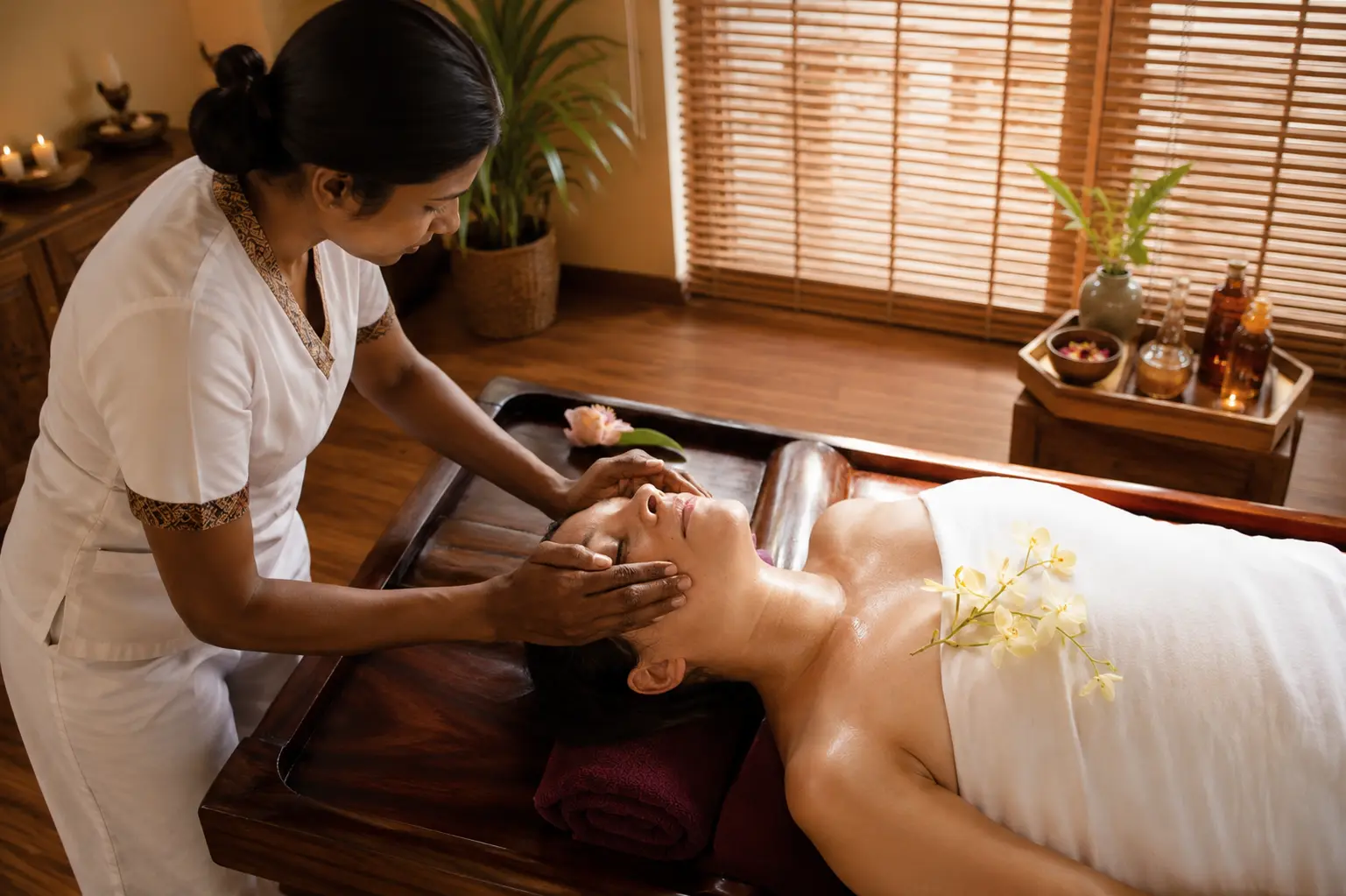
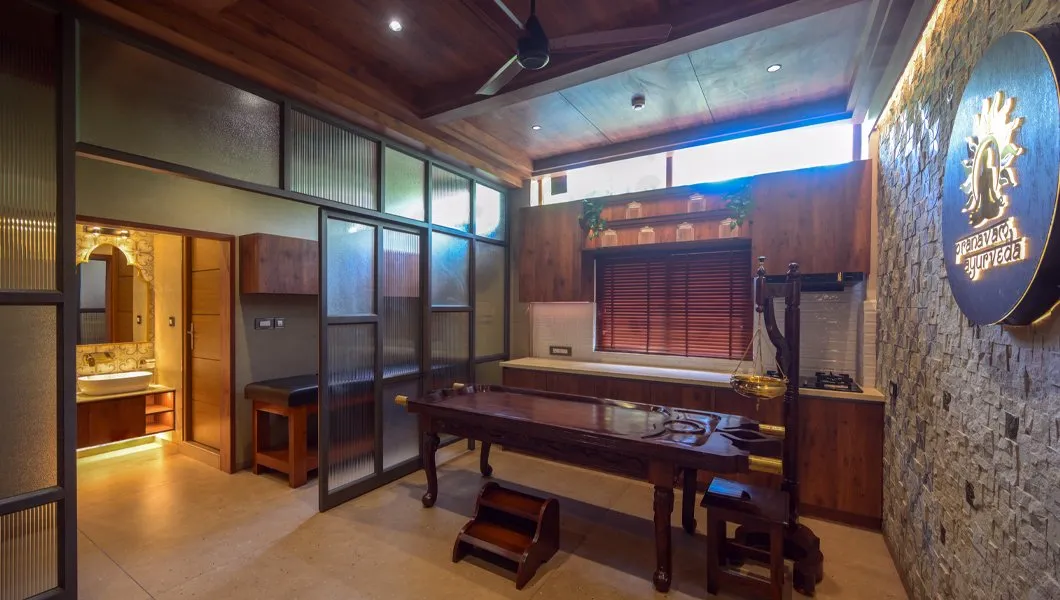
Ayurvedic head and body therapy room at Pranavam Ayurveda Hospital, Kozhikode Image 1 — Ayurvedic Therapy for Sleep at Pranavam Ayurveda Hospital
Quick Answer

In Ayurveda, chronic sleeplessness is called Anidra and is mainly linked to an imbalance of Vata and Pitta Dosha, often triggered by stress, late nights, screen use and irregular meals. Ayurvedic treatment for insomnia combines Shirodhara — a continuous, gentle stream of warm medicated liquid over the forehead — with supporting therapies such as Abhyanga, Nasya and Padabhyanga, plus an evening routine and diet that calm the nervous system. Persistent insomnia should always be evaluated by a qualified physician.

You are exhausted by evening, yet the moment your head touches the pillow your mind starts replaying the day. Or you fall asleep easily and wake at 2 or 3 a.m., unable to settle again. Almost everyone has a bad night now and then, but when poor sleep becomes a pattern it affects mood, digestion, concentration and overall health.

Ayurveda does not treat sleeplessness as a minor inconvenience. It is considered a condition that deserves proper attention, and the ayurvedic treatment for insomnia focuses on understanding why the body and mind have stopped winding down rather than simply trying to force sleep.

At Pranavam Ayurveda Hospital in Kozhikode, sleep problems are assessed individually by our physicians. This guide explains how Ayurveda understands insomnia, how Shirodhara for sleep works, what supporting therapies and daily habits can help, and when it is time to seek medical evaluation.
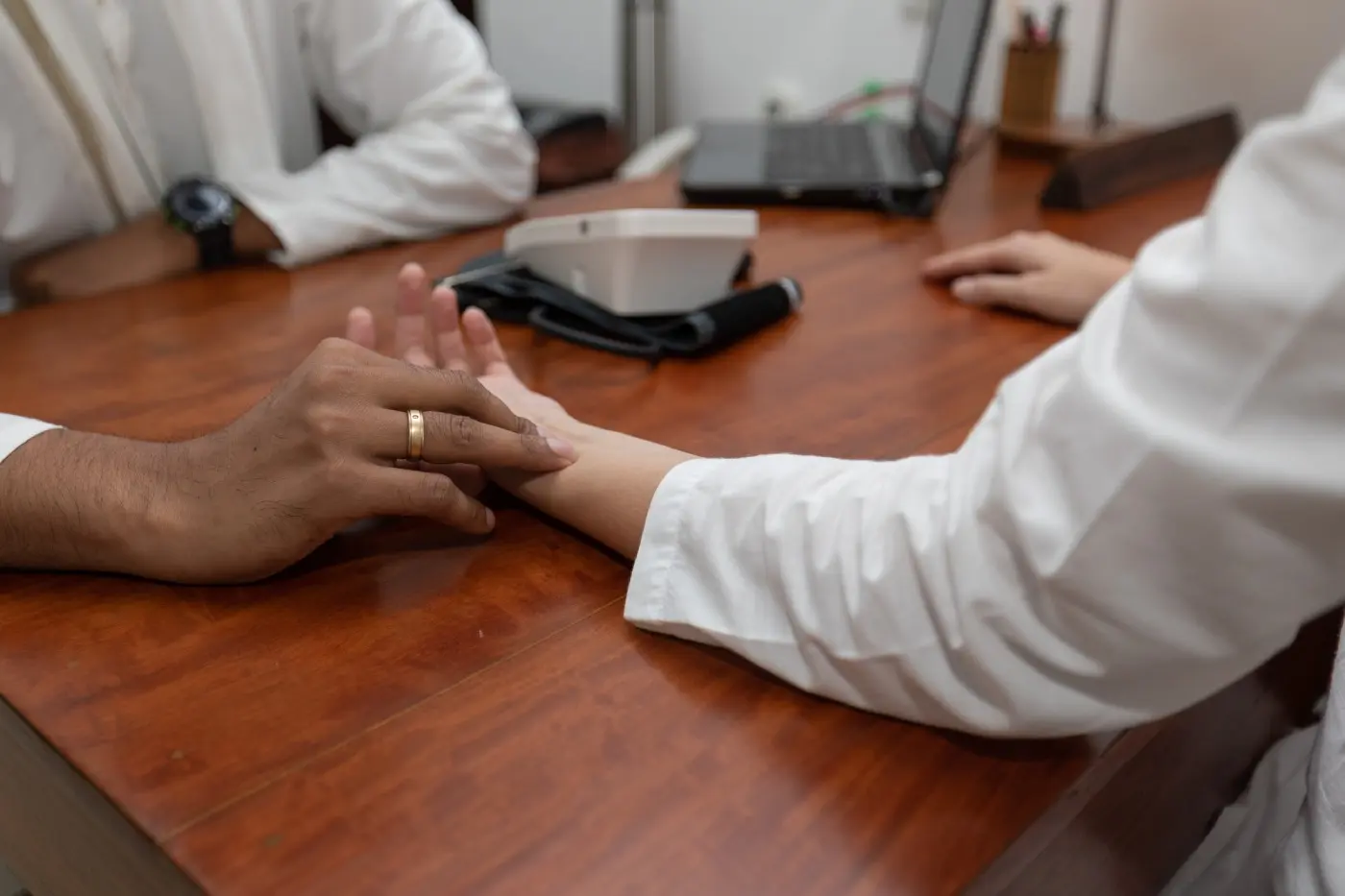

Ayurvedic physician consultation for sleep problems at Pranavam Ayurveda Hospital Image 2 — Physician Consultation for Sleep Problems

Anidra: Insomnia in Classical Ayurveda

Classical Ayurvedic texts describe sleep, or Nidra, as one of the three pillars that support life, alongside food and the regulation of energy. When sleep is disturbed, the texts say, health and happiness suffer with it. Sleeplessness is called Anidra.

Ayurveda sees Anidra as a sign that the doshas are out of balance, mainly Vata, which governs the nervous system and the movement of thoughts, and Pitta, which governs heat, intensity and metabolism. The treatment goal is to calm these influences and restore a natural sleep rhythm.

Why You’re Not Sleeping: Vata and Pitta Causes

According to Ayurveda, sleep problems tend to follow recognisable patterns depending on which dosha is disturbed.

Vata-type sleeplessness

Vata is light, mobile and easily aggravated. When it is high, sleep tends to be light and broken. People often describe a racing or anxious mind, restlessness, difficulty falling asleep, vivid dreams, and waking in the early hours without being able to return to sleep.

Pitta-type sleeplessness

Pitta is hot and sharp. When it is high, the mind stays intense and overactive. Common signs include irritability, overthinking work or responsibilities, feeling warm at night, and waking in the late-night hours feeling alert or frustrated.

Everyday habits that commonly aggravate Vata and Pitta include:

Ongoing stress and worry
Late nights and irregular sleep timings
Late-evening screen use
Irregular or skipped meals
Excess tea, coffee or spicy food
Overwork and mental exhaustion

Shirodhara: How It Works

The word Shirodhara comes from Shiro (head) and Dhara (stream). In this therapy, warm medicated oil or another prescribed liquid is poured in a steady, unbroken stream over the forehead for a set period, typically while the person lies comfortably on a treatment table.

Ayurvedic treatment centre in Kerala where Shirodhara is performed with medicated oil or buttermilk Image 3 — Medicated Oil and Buttermilk Used in Shirodhara

The Liquid Is Chosen for You

Medicated oilButtermilk

The physician selects the liquid according to your constitution and symptoms. Medicated oils are commonly used for Vata-type sleeplessness, while cooling preparations such as medicated buttermilk may be chosen when Pitta features dominate.

Why It Is Used for Sleep

Calming the nervous system

Traditionally, the slow, rhythmic flow over the forehead is valued for its calming effect on the mind and nervous system. Many people describe it as deeply relaxing, and Ayurveda uses it to quieten the racing thoughts that keep people awake.

Always Physician-Guided

Individual plan

Shirodhara is not a one-size-fits-all procedure. The liquid, duration and number of sessions are decided after assessment, and it may not be suitable if you have conditions such as fever, a head cold or sinus congestion, or a scalp infection.

What a Shirodhara Session Feels Like

A session usually lasts around 30 to 45 minutes of treatment time. Here is what most people can expect:

Preparation

You change into comfortable clothing, and the head and body may be gently massaged beforehand.

Settling in

You lie down comfortably and the eyes are covered with a soft pad for protection.

The stream begins

Warm liquid flows steadily over the forehead, moved slowly from side to side by the therapist.

Deep relaxation

Many people feel the mind slow down, and some drift into sleep during the session.

Rest afterwards

The head is wiped and you rest quietly for a while before getting up.

After-care

You are advised to avoid cold exposure and heavy activity, and when to wash your hair.

Shirodhara is usually given as a course of consecutive days rather than a single session, with the length of the course decided by your physician based on how you respond.

Supporting Therapies for Sleep

Shirodhara is often combined with other therapies that work on the same imbalance from different angles.

Abhyanga oil massage therapy supporting sleep at Pranavam Ayurveda Hospital Image 4 — Abhyanga Oil Massage Therapy

Abhyanga

Full-body oil massage

A warm, rhythmic oil massage using oils chosen for your constitution. It is valued for easing physical tension and settling Vata, helping the body relax before sleep.

Nasya

Nasal administration

Medicated oil drops are administered through the nostrils under physician supervision. Ayurveda regards the nose as the gateway to the head, and Nasya is used to support the head region where stress and sleeplessness are felt.

Padabhyanga

Foot massage

A slow massage of the feet with warm oil, traditionally used to ground restless Vata. It is also one of the easiest practices to continue at home as part of a bedtime routine.

Small Habits, Better Nights

Evening Routine for Better Sleep

Therapies work best when the daily routine supports them. Ayurveda places great importance on regular timings, because the body sleeps best when it can predict when sleep is coming. These simple habits can be started tonight.

Calm evening routine for better sleep, guided by Ayurvedic principles Image 5 — Evening Routine for Better Sleep

Think of the evening as a gradual lowering of the volume. The aim is to move the body and mind from activity towards stillness over two to three hours, rather than going straight from work or screens to bed.

Early, light dinner

Eat at a consistent time, ideally a few hours before bed, so digestion is not working at midnight.

Screens off

Put phones, TV and laptops away about an hour before bed.

Foot massage

Massage the soles with warm oil for a few minutes, then wipe off any excess.

Warm wash

A warm (not hot) bath or a wash of face, hands and feet helps the body unwind.

Quiet wind-down

Read, sit quietly or practise slow breathing. Avoid stressful conversations and news.

Regular bedtime

Go to bed at the same time each night, ideally before the late-night hours when Pitta becomes active.

Diet for Sleep in Ayurveda

What and when you eat strongly influences how you sleep. Ayurveda generally recommends warm, freshly cooked, easily digestible food in the evening. Individual advice varies, so the points below are general guidance rather than a prescription.

Foods and habits that commonly support sleep:

Warm, freshly cooked dinner
Soft rice and easily digestible lentils
Cooked vegetables with a little ghee
A cup of warm milk before bed, if it suits you
Regular meal timings through the day

Things that commonly disturb sleep and are best limited, especially after midday or at night:

Tea and coffee late in the day
Heavy, fried or very spicy dinners
Cold, raw or leftover food at night
Skipping meals, then eating late
Alcohol as a “sleep aid”
Calm consultation and recovery room at Pranavam Ayurveda Hospital Image 6 — Medical Evaluation at Pranavam Ayurveda Hospital

When Insomnia Needs Medical Evaluation

Occasional poor sleep is common, but insomnia can also be a symptom of an underlying condition. Please seek prompt medical evaluation if you notice any of the following:

  • Sleep problems lasting more than a few weeks
  • Loud snoring, gasping or breathing pauses during sleep
  • Heavy daytime sleepiness that affects driving or work
  • Persistent low mood, severe anxiety or loss of interest in life
  • Unexplained weight change, palpitations or other new symptoms

Thoughts of self-harm need immediate help from a qualified mental health professional or emergency services. Ayurveda can complement appropriate medical care but should never delay it.

Frequently Asked Questions

How many Shirodhara sessions help with insomnia?
There is no fixed number. Shirodhara is usually given as a course of consecutive days, and the length is decided by your physician based on your constitution, how long you have had sleep problems and how you respond. Some people notice a calmer mind within the first few sessions, but lasting improvement also depends on routine, diet and addressing the underlying causes.
Is Shirodhara safe daily?
When prescribed and supervised by an Ayurvedic physician, Shirodhara is commonly given on consecutive days as part of a planned course. It should not be done daily on your own, and it may not be suitable if you have fever, a head cold or sinus congestion, a scalp infection or certain other conditions. Your physician will assess this before starting.
Can Ayurveda help if I take sleeping pills?
Many people who use sleeping pills also seek Ayurvedic support. Please do not stop or reduce your medication on your own, as sudden changes can worsen sleep and cause other effects. Tell your Ayurvedic physician about every medicine you take, and any change to your prescription should be made only with the doctor who prescribed it.
What foods help sleep in Ayurveda?
Ayurveda generally favours warm, freshly cooked and easily digestible evening meals such as soft rice, light lentils and cooked vegetables with a little ghee, and a cup of warm milk before bed if it suits you. Heavy, fried or very spicy food, cold or leftover food, and tea, coffee or alcohol late in the day are best limited. Advice is personalised, so check with your physician.

Begin Your Journey to Better Sleep

Ayurveda treats insomnia by looking at the whole picture: stress, daily rhythm, digestion and the state of the nervous system. Shirodhara, supporting therapies, a calming evening routine and the right diet work together to help the body remember how to sleep. Always consult a qualified Ayurvedic physician for an individual plan, and seek medical evaluation if sleep problems persist.

Ready to Sleep Better?

Consult Dr. Sreejith and Dr. Diana Sreejith for a personalised assessment and a physician-guided plan for restful sleep.

This article is for general educational purposes and does not constitute individual medical advice. Ayurvedic treatment for insomnia, including Shirodhara, should only be undertaken following a full consultation and ongoing supervision by a qualified Ayurvedic physician. Do not stop or change any prescribed medication without consulting your prescribing doctor. Persistent insomnia, severe anxiety, low mood or thoughts of self-harm require prompt assessment by a qualified medical or mental health professional; Ayurveda can complement but should never delay such care. Treatment outcomes vary by individual.