
Kizhi Treatment Side Effects: What's Normal and When to Call Your Physician
Kizhi Therapy · Authentic Kerala Ayurveda

Kizhi Treatment Side Effects: What's Normal and When to Call Your Physician

A physician-led guide from Pranavam Ayurveda Hospital on what to expect after Kizhi therapy, how to tell normal warmth or redness apart from a reaction that needs attention, and who may need to avoid or modify treatment.

P
Pranavam Ayurveda
• Kozhikode, Kerala
Kizhi herbal bolus therapy at Pranavam Ayurveda Hospital Image 1 — Kizhi Herbal Bolus Therapy at Pranavam Ayurveda Hospital
Quick Answer

Mild warmth, temporary skin redness and light tiredness after Kizhi are generally considered normal, since the therapy applies controlled heat and herbal ingredients to the body. What is not normal is significant burning, blistering, worsening or persistent redness, a spreading rash, dizziness, or any sign of breathing difficulty or facial swelling. At Pranavam Ayurveda Hospital, Kizhi is selected and supervised by physicians so that ingredients, temperature and technique are matched to each patient, and any unusual reaction can be identified and addressed quickly.

Kizhi is a traditional Ayurvedic therapy in which a warm cloth bolus containing herbs, herbal powders, rice or other prescribed ingredients is applied rhythmically to the body.

Because the treatment combines heat, pressure, herbal ingredients and, in many cases, medicated oils, patients sometimes wonder what they should expect afterwards. Can the skin become red? Is feeling tired afterwards normal? What happens if an ingredient irritates your skin? Most importantly, how do you know when a reaction needs medical attention?

Although Kizhi is generally intended to provide comfortable therapeutic warmth, individual responses can vary. Proper temperature control, suitable ingredients and physician assessment are therefore important parts of treatment.

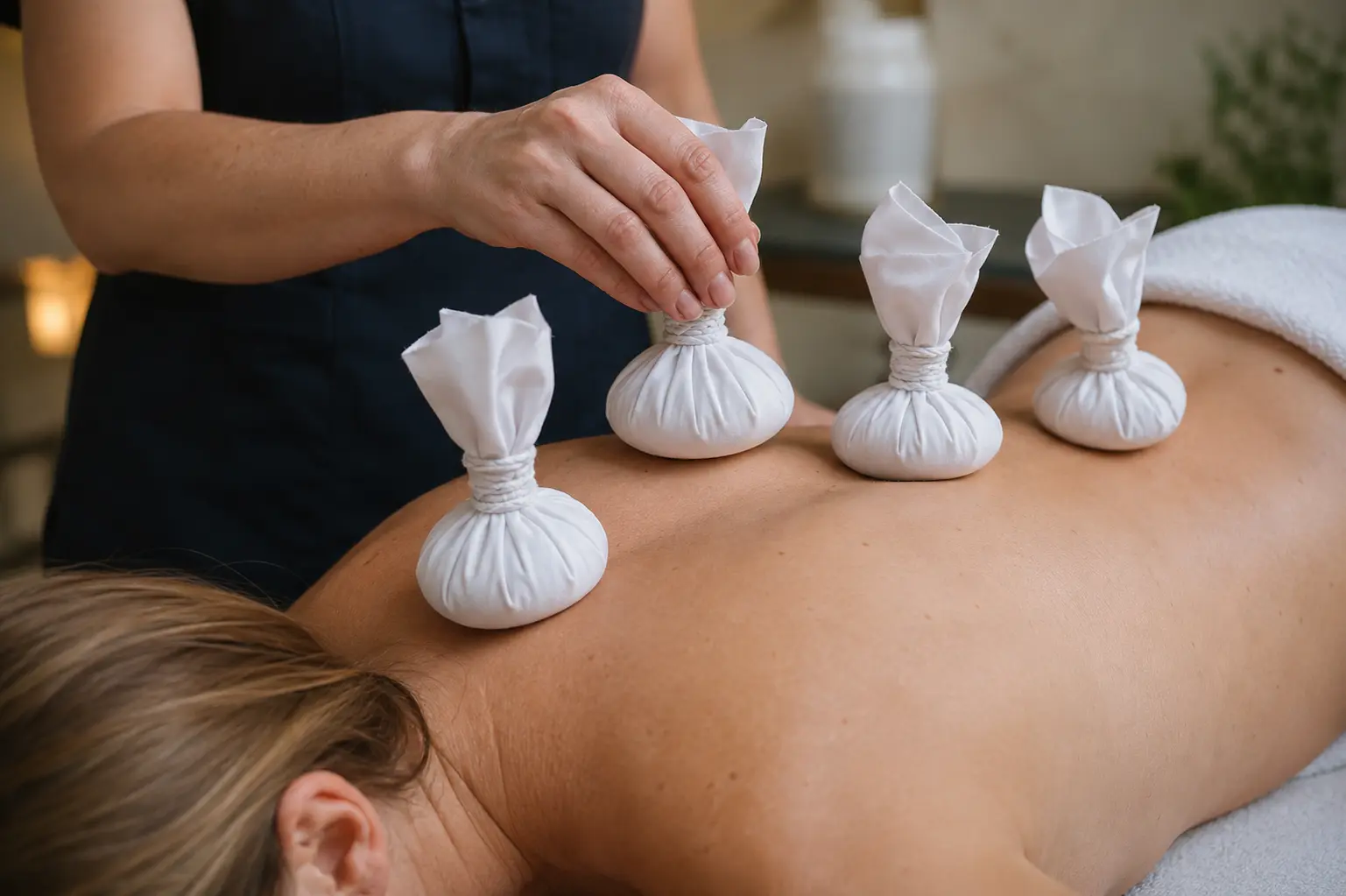
Warm herbal bolus prepared for Kizhi therapy at Pranavam Ayurveda Hospital Image 2 — Warm Herbal Bolus Prepared for Kizhi Therapy at Pranavam Ayurveda Hospital

What Can You Feel After Kizhi Treatment?

Your experience depends on the type of Kizhi, ingredients used, temperature, duration and your individual sensitivity. Some people may notice temporary sensations immediately after a session.

Generally Considered Normal

What You May Notice After a Session

Warmth in the treated area, which should not feel like burning

Mild, temporary redness where heat has been applied

A feeling of relaxation or light tiredness afterwards

Rest recommended, especially within a longer programme

When Is a Reaction Not Normal?

Significant or worsening symptoms deserve attention. Stop the treatment and tell your therapist or physician promptly if you experience any of the following. Breathing difficulty, facial or throat swelling, fainting or other signs of a potentially severe allergic reaction require urgent medical attention.

Significant burning or severe pain
Blistering or signs of a burn
Rapidly worsening redness or swelling
A widespread or persistent rash
Significant itching or skin irritation
Dizziness, faintness or unusual weakness
Breathing difficulty or facial/throat swelling
Herbal poultice Kizhi therapy in progress at Pranavam Ayurveda Hospital Image 3 — Herbal Poultice Kizhi Therapy in Progress at Pranavam Ayurveda Hospital

Can Kizhi Cause Skin Irritation?

Potentially. Kizhi can involve several substances coming into contact with the skin, including medicinal plants, herbal powders and medicated oils. An individual may be sensitive to one of these ingredients.

Possible signs of a skin reaction can include persistent redness, itching, rash, swelling or unusual discomfort. This is why your treatment team should know about any previous reactions to oils, herbs, cosmetics or topical medicines. If irritation develops during a session, tell the therapist immediately, do not assume that discomfort means the herbs are "working." Pain or irritation is information the treatment team needs to know.

Common Sensations, Explained

The general principle is simple: you should not have to endure significant discomfort because you believe it is part of Kizhi treatment.

Warmth

Expected

Feeling warm in the treated area is expected because Kizhi is a form of therapeutic fomentation. The warmth may remain for a short period after the session, but it should not feel like burning. If the bolus feels excessively hot at any point during treatment, tell your therapist immediately rather than trying to tolerate it.

Mild, Temporary Redness

Usually normal

Some people may develop mild temporary redness where heat and repeated application have been used. This should not be confused with significant skin irritation or a burn. Redness that is intense, painful, worsening, blistering or persistent should be reported rather than assumed to be a normal part of Kizhi.

Temporary Tiredness

Rest may be advised

Some patients report feeling relaxed or tired following warm Ayurvedic therapies. Rest may therefore be recommended after a session, particularly when Kizhi is one component of a larger treatment programme. Unusual weakness, dizziness or feeling significantly unwell should not simply be attributed to the therapy, tell the treatment team if this occurs.

Skin Reaction to Ingredients

Report immediately

Herbs, herbal powders or medicated oils used during Kizhi may irritate sensitive skin or trigger a reaction in someone sensitive to a particular ingredient. Persistent redness, itching, rash, swelling or unusual discomfort should be reported to your physician rather than tolerated.

Physician reviewing patient response during Kizhi therapy at Pranavam Ayurveda Hospital Image 4 — Physician Reviewing Patient Response During Kizhi Therapy at Pranavam Ayurveda Hospital

Who May Need to Avoid or Modify Kizhi?

Kizhi is not automatically appropriate for everyone. Because heat, pressure and herbal preparations are involved, treatment may need to be avoided, postponed or modified in certain situations. Tell the physician about your health history before treatment rather than deciding suitability yourself.

Skin conditions, open wounds, burns, active infections or significant irritation need assessment before treatment
Reduced sensation, may require particular caution, as excessive heat may not be recognised normally
Pregnancy, requires individual assessment based on stage, treatment area and reason for therapy
Acute illness, or other significant medical conditions may change whether Kizhi is appropriate

Why Physician Supervision Matters

Kizhi can look deceptively simple, heat a herbal bundle and apply it to the painful area. But safe clinical use involves more decisions than that.

At Pranavam, these decisions begin with physician assessment rather than simply selecting a therapy from a menu. The treatment can then be performed according to the prescribed protocol and adjusted if the patient responds unexpectedly. This is particularly important for people receiving Kizhi as part of a longer Ayurvedic or Panchakarma programme.

Which type of Kizhi

Is appropriate for the patient's condition and treatment goals.

Which ingredients

Should be used, based on sensitivities and the reason for therapy.

How warm

The bolus should be, and how that temperature is monitored throughout.

Where and how much

Pressure to apply during the session.

Whether heat suits

The patient's current condition on the day of treatment.

Kizhi Should Feel Therapeutic, Not Painful

Kizhi uses controlled warmth and rhythmic application as part of traditional Ayurvedic therapy. Warmth, relaxation and occasionally mild temporary redness may occur following treatment. Significant burning, persistent skin irritation, blistering, worsening swelling or feeling seriously unwell should not be dismissed as a normal "healing reaction."

At Pranavam, Kizhi treatment is selected and supervised according to the individual patient's condition. If something feels unusual during or after your treatment, tell your therapist or Ayurvedic physician, it is better to have a reaction assessed than to assume it is expected.

Pranavam Ayurveda Hospital exterior, Kozhikode, Kerala Image 5 — Pranavam Ayurveda Hospital, Kozhikode

Why Choose Pranavam Ayurveda Hospital?

For nearly two decades, Pranavam Ayurveda Hospital has been dedicated to delivering authentic Kerala Ayurveda through personalised, physician-led care. Located in the peaceful surroundings of Kozhikode, Kerala, the hospital combines classical Ayurvedic principles with carefully designed treatment programmes tailored to each patient's unique health needs.

Every Kizhi session is selected, prepared and supervised according to the individual's condition, sensitivities and treatment goals, not applied as a fixed, one-size-fits-all routine.

Patients choose Pranavam for:

  • Experienced Ayurvedic physicians and trained therapists
  • Individualised treatment plans and ingredient selection
  • Authentic Kerala Kizhi and Panchakarma therapies
  • Comfortable inpatient facilities
  • Close monitoring throughout every session
  • Compassionate care rooted in traditional Ayurvedic wisdom

Frequently Asked Questions

Is it normal to feel tired after a Kizhi session?
Feeling relaxed or mildly tired after treatment is generally normal, especially within a longer programme, and rest may be advised. Unusual weakness, dizziness or feeling significantly unwell should not simply be attributed to the therapy — tell your treatment team if this occurs.
Can Kizhi cause skin irritation?
Potentially. Herbs, herbal powders and medicated oils used in Kizhi may irritate sensitive skin or trigger a reaction in someone sensitive to a particular ingredient. Persistent redness, itching, rash, swelling or unusual discomfort should be reported rather than tolerated.
How soon should Kizhi side effects resolve?
Mild warmth and temporary redness are generally expected to settle down shortly after a session. Symptoms that are severe, worsening, or that do not settle as expected should be reported to your physician promptly rather than waited out.
Should I tell my therapist about allergies beforehand?
Yes. Because Kizhi may involve herbs, herbal powders and medicated oils, your treatment team should know about any previous reactions to oils, herbs, cosmetics or topical medicines so that ingredients and technique can be selected appropriately.

Have a Question About a Reaction You've Noticed?

If something felt unusual during or after a Kizhi session, don't wait to find out whether it matters, contact Pranavam Ayurveda Hospital and speak with your treatment team directly. Or book a physician-supervised Kizhi session and speak with our Ayurvedic physicians about your health history, sensitivities and treatment goals before your therapy begins.

Ready to Speak With an Ayurvedic Physician?

Get a personalised assessment before your Kizhi session, or discuss a reaction you've noticed with Dr. Sreejith or Dr. Diana Sreejith.

This article is for general educational purposes and does not constitute individual medical advice. If you experience significant burning, blistering, worsening irritation, dizziness, breathing difficulty or facial/throat swelling during or after Kizhi treatment, seek medical attention promptly and inform your treatment team. Individual responses to therapy vary.