Nasya Therapy: Ayurvedic Nasal Treatment for Sinus Issues, Migraine and Mental Clarity
Nasal Therapy · Panchakarma Procedure · Authentic Kerala Ayurveda

Nasya Therapy: Ayurvedic Nasal Treatment for Sinus Issues, Migraine and Mental Clarity

A physician-led guide from Pranavam Ayurveda Hospital covering what Nasya therapy is, how it is performed, the oils used, its benefits, who should avoid it, and how it fits within a complete Panchakarma programme.

P
Pranavam Ayurveda
• Kozhikode, Kerala
Nasya nasal therapy at Pranavam Ayurveda Hospital, Kozhikode Image 1 — Nasya Nasal Therapy at Pranavam Ayurveda Hospital
Quick Answer

Nasya is one of the five principal Panchakarma procedures in which specially selected medicated oils or herbal preparations are administered through the nasal passages under the guidance of an experienced Ayurvedic physician. Ayurveda describes the nose as the gateway to the head, so Nasya is traditionally used to support the sinuses, respiratory passages, senses and mind. At Pranavam Ayurvedam, every Nasya session is planned after a detailed consultation matching the treatment to the individual's condition, constitution and overall health.

Blocked sinuses, frequent headaches and a feeling of mental heaviness can affect everyday life. Many people rely on temporary relief through sprays or painkillers, but recurring symptoms often need a more comprehensive approach. Ayurveda looks beyond the symptoms and focuses on restoring balance within the body.

One of the most recognised therapies for conditions affecting the head and neck is Nasya treatment. It is a traditional Ayurvedic procedure in which specially selected medicated oils or herbal preparations are administered through the nasal passages under the guidance of an experienced Ayurvedic physician.

Ayurveda describes the nose as the gateway to the head. Because of this, therapies delivered through the nasal passages are believed to support the healthy functioning of the sinuses, respiratory passages, senses and mind. At Pranavam Ayurvedam, Nasya Therapy is always planned after a detailed consultation, ensuring that the treatment matches the individual's condition, constitution and overall health.

Whether someone experiences chronic sinus congestion, migraine headaches, mental fatigue or recurring allergies, Nasya may form part of a personalised Ayurvedic treatment plan.


Physician consultation before Nasya therapy at Pranavam Ayurveda Hospital Image 2 — Physician Consultation Before Nasya Therapy

What is Nasya Therapy?

Nasya is one of the five principal cleansing procedures of Panchakarma. The treatment involves gently administering medicated herbal oil, herbal juice or other prescribed formulations into the nostrils after preparing the face and head with massage and mild steam.

According to Ayurveda, excess Kapha and accumulated impurities may obstruct the channels in the head region. Nasya aims to loosen these accumulations and support their natural elimination while nourishing the tissues around the nose, sinuses and head.

Medicated herbal oil preparation for Nasya therapy Image 3 — Medicated Herbal Oil Preparation for Nasya

A Carefully Structured Procedure

Unlike ordinary nasal drops, Nasya is never simply about placing oil inside the nose. It is a carefully structured procedure that includes preparation, administration and post-treatment care. The choice of oil, dosage and duration varies from person to person, and an experienced Ayurvedic doctor decides the most appropriate formulation after understanding the individual's symptoms and constitution.

Conditions That May Benefit from Nasya Treatment

Nasya is commonly recommended for conditions affecting the head, neck and upper respiratory tract. While the treatment may not replace emergency or conventional medical care where required, it can often complement a broader healthcare plan.

Chronic Sinus Congestion

People who constantly experience blocked nasal passages, facial pressure or difficulty breathing through the nose may benefit from Nasya as part of a personalised Ayurvedic programme. The therapy aims to support healthy sinus drainage, reduce excess mucus and improve nasal comfort.

Migraine and Recurrent Headaches

Many individuals seek nasya treatment for recurring headaches and migraine episodes. Depending on the underlying Ayurvedic assessment, Nasya may help reduce heaviness in the head while promoting relaxation.

Mental Fog and Poor Concentration

Feeling mentally tired despite adequate sleep is becoming increasingly common. Ayurveda associates mental clarity with balanced bodily functions and healthy circulation within the head region. Nasya is traditionally used to support alertness, concentration and overall mental wellbeing when prescribed appropriately.

Allergic Rhinitis and Seasonal Discomfort

Certain forms of Nasya may be recommended during periods of seasonal changes to help maintain healthy nasal passages. Individuals experiencing recurrent sneezing or sensitivity during specific seasons should undergo proper evaluation before starting treatment.

Respiratory Support

Nasya may also be included within broader Ayurvedic management plans for selected upper respiratory concerns where appropriate. The treatment is always customised rather than following a one-size-fits-all approach.

Chronic sinus congestion
Migraine & recurrent headaches
Mental fog & poor concentration
Allergic rhinitis
Seasonal discomfort
Respiratory support

How is Nasya Therapy Performed?

A properly conducted Nasya session usually takes around 30 to 45 minutes.

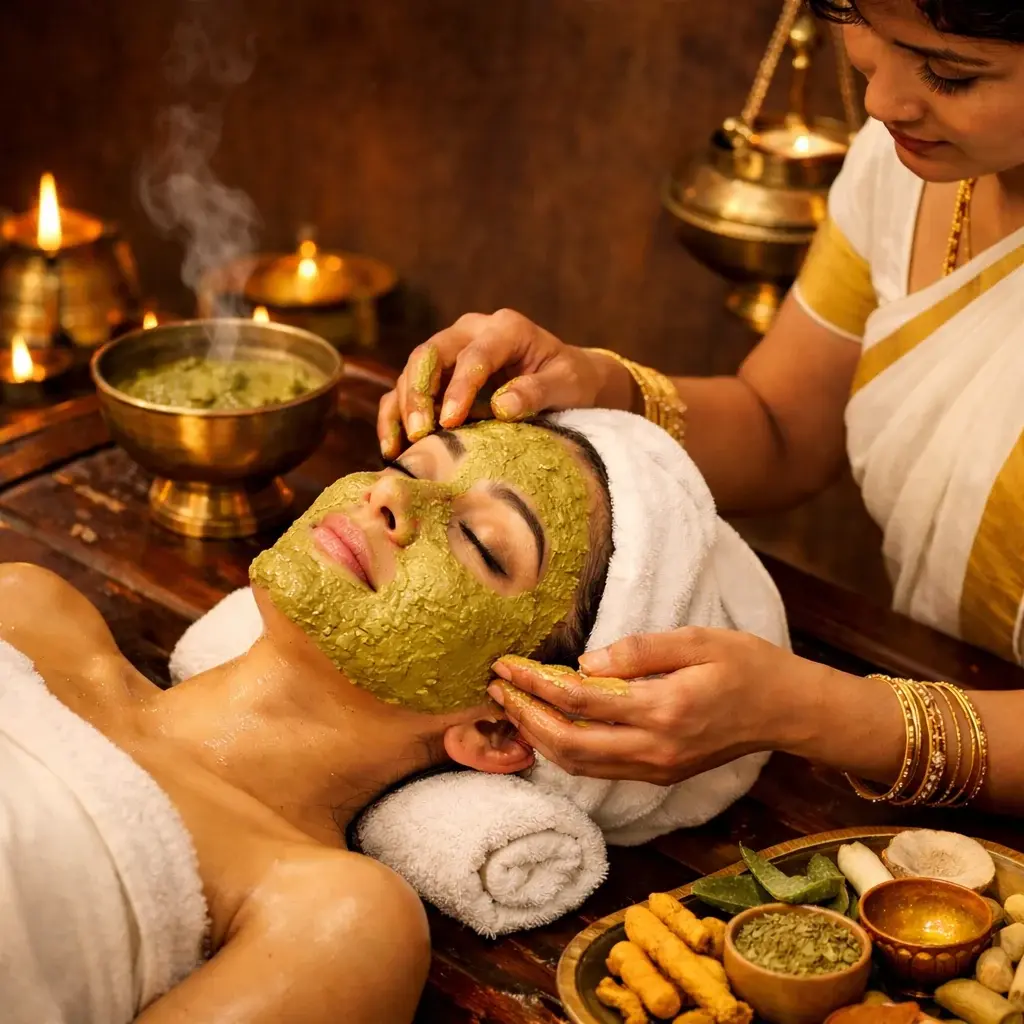
Facial massage and herbal steam preparation before Nasya therapy Image 4 — Facial Massage and Herbal Steam Preparation

Step 1: Consultation

Assessment

Every session begins with an Ayurvedic consultation. The physician evaluates symptoms, medical history, digestive health, body constitution and current condition before recommending the therapy.

Step 2: Gentle Facial Massage

Preparation

The forehead, cheeks, shoulders and neck are massaged using warm herbal oil. This preparation helps relax the muscles and encourages circulation around the head and face.

Step 3: Mild Herbal Steam

Preparation

Warm steam is gently applied to the face. This helps soften accumulated mucus and prepares the nasal passages for the medicated oil.

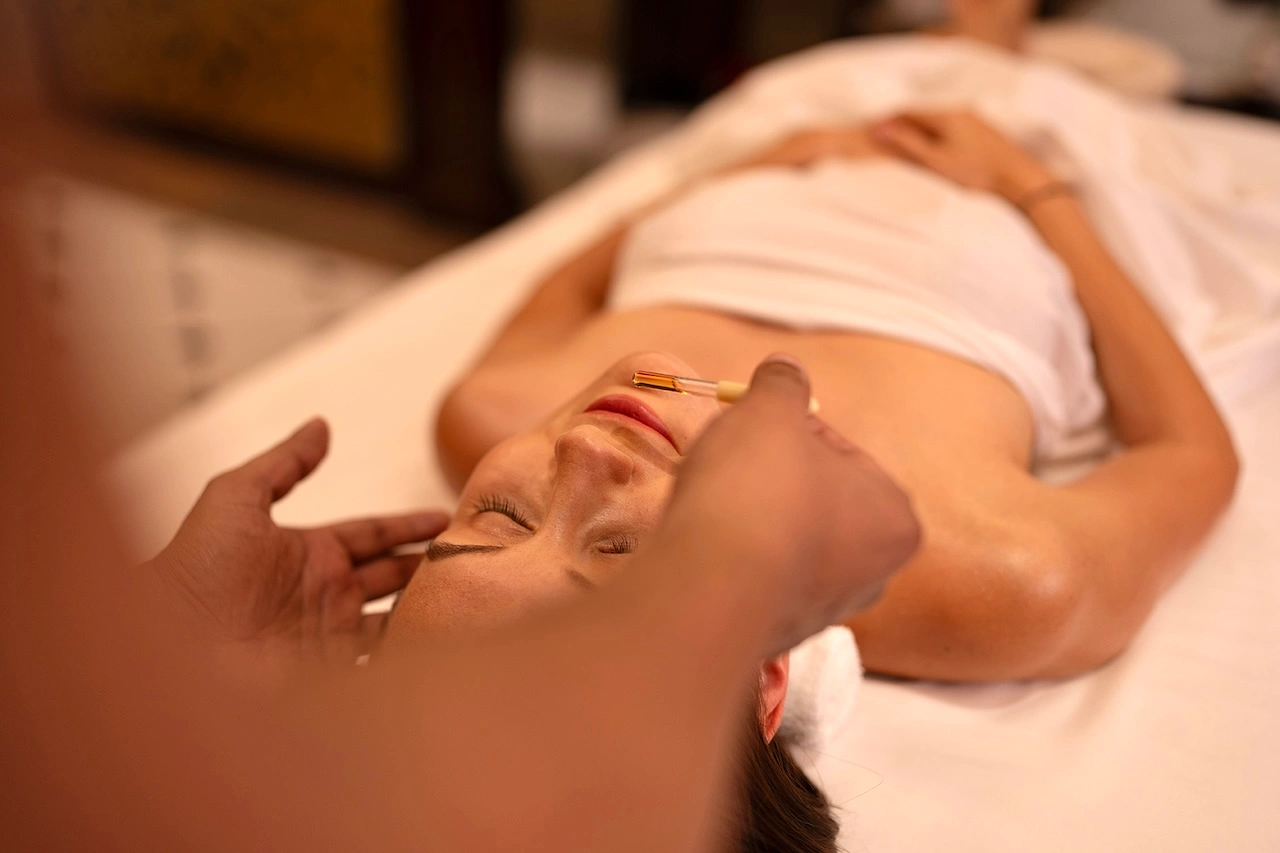
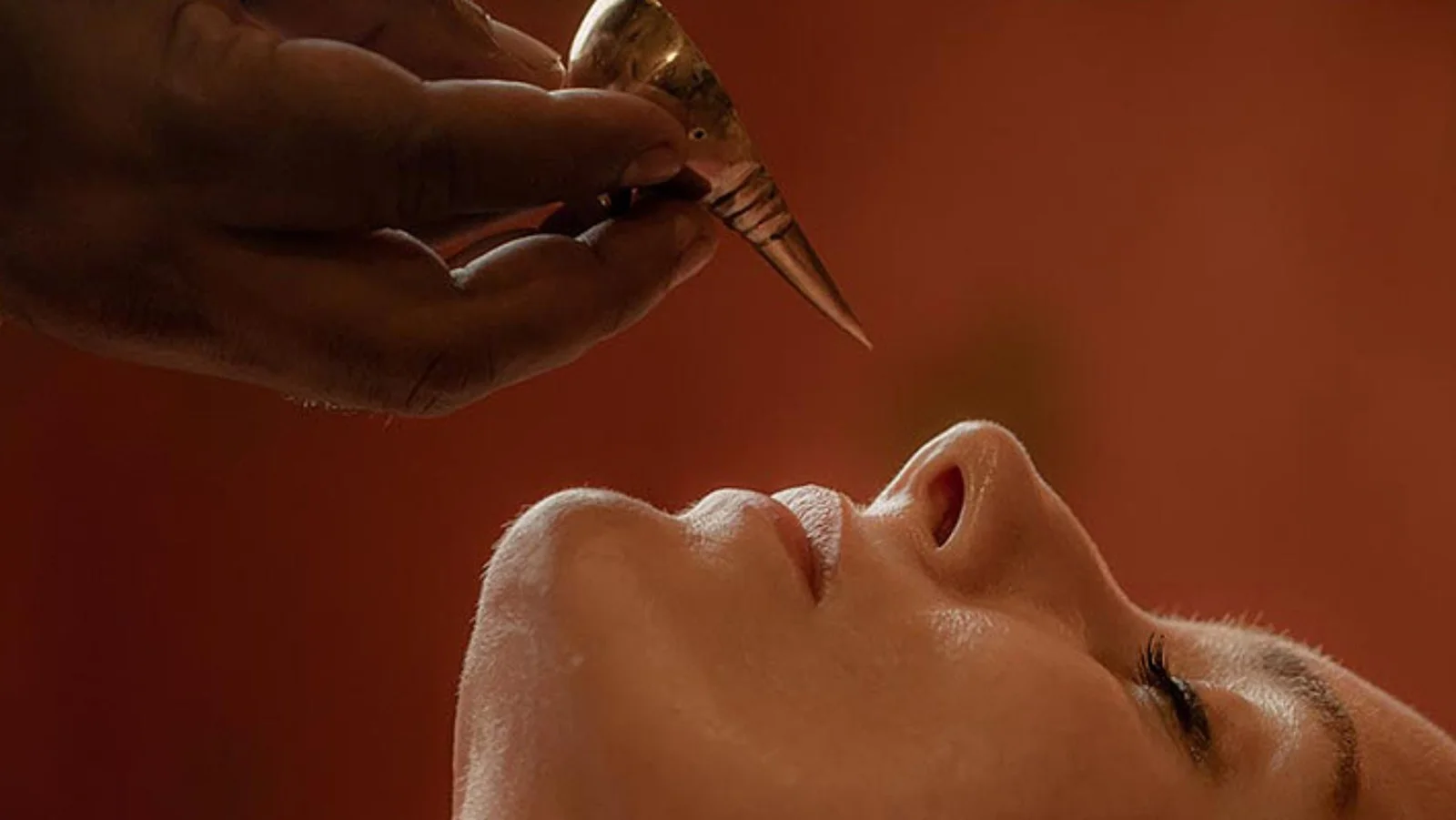
Administration of medicated Nasya oil at Pranavam Ayurveda Hospital Image 5 — Administration of Medicated Nasya Oil

Step 4: Administration of Nasya Oil

Core procedure

The individual lies comfortably with the head slightly tilted backwards. The physician carefully places the prescribed number of medicated oil drops into each nostril. The patient is then guided to inhale gently without force.

Step 5: Post-Therapy Care

Recovery

After the oil has been administered, gentle massage around the nose and forehead may continue. The patient may be asked to spit out loosened mucus instead of swallowing it. Resting quietly for a short period allows the therapy to work effectively.

Types of Oils Used in Nasya

Ayurveda uses different formulations depending on the individual's diagnosis.

Anu Tailam

One of the most widely used classical oils, often prescribed to support sinus health and maintain healthy nasal passages.

Shadbindu Tailam

May be recommended for individuals experiencing chronic sinus discomfort or long-standing nasal congestion.

Medicated Ghee Preparations

In selected situations, herbal ghee preparations may be preferred where nourishment of tissues is considered important.

Individualised Herbal Oils

At Pranavam Ayurvedam, physicians may prescribe customised herbal oils based on age, body constitution and health condition.

Who Should Avoid Nasya?

Although Nasya is generally well tolerated when performed correctly, it is not suitable for everyone. The treatment may need to be postponed or avoided in certain situations. Self-administering medicated oils without proper guidance is not recommended.

High fever
Acute cold with heavy infection
Active nasal bleeding
Immediately after eating
Severe indigestion
Certain stages of pregnancy unless advised
Very young infants without supervision

Nasya as Part of Panchakarma

Many people undergo Nasya as an independent therapy for sinus or headache concerns. However, it is also an important component of Panchakarma.

Within a complete Panchakarma programme, Nasya may be performed after preparatory therapies such as Abhyanga and Swedana. This sequence allows the body to prepare before cleansing therapies are introduced.

When combined with appropriate diet, herbal medicines and lifestyle guidance, Nasya often becomes part of a comprehensive Ayurvedic healing plan rather than an isolated procedure.

What Nasya Supports

Benefits of Nasya Therapy

Easier nasal breathing

Better sinus comfort

Reduced heaviness in the head

Improved mental clarity

Relaxation during migraine-prone periods

Better sleep quality

Comfortable breathing during seasonal changes

Enhanced overall wellbeing

Pranavam Ayurveda Hospital exterior, Kozhikode, Kerala Image 6 — Pranavam Ayurveda Hospital, Kozhikode

Why Choose Pranavam Ayurveda Hospital?

At Pranavam Ayurvedam, every Nasya session is guided by experienced Ayurvedic physicians who carefully evaluate each person before recommending treatment. Results depend on proper diagnosis, consistency and following the physician's recommendations.

Frequently Asked Questions

Is Nasya safe to do regularly?
Regular Nasya should only be performed after consultation with a qualified Ayurvedic physician. The frequency depends on the individual's constitution and health needs.
Does Nasya help with seasonal allergies?
Nasya may be included within Ayurvedic management plans for seasonal allergies in suitable individuals. A personalised assessment is essential before beginning treatment.
What does the oil feel like?
Most people notice a warm, soothing sensation. Some may briefly experience the taste of herbal oil at the back of the throat, which is considered normal during the procedure.
How long is a typical course?
The duration varies according to the condition being treated. Some individuals benefit from short courses of several days, while others may require longer treatment plans as advised by their physician.
What is the nasya treatment price?
The nasya treatment price depends on factors such as the duration of therapy, the herbal formulations used and whether it forms part of a complete Panchakarma programme. A consultation at Pranavam Ayurvedam helps determine the most appropriate treatment plan and its cost.
Is there a difference between Nasya and nasyam treatment malayalam?
No. Nasyam treatment malayalam simply refers to the same Ayurvedic nasal therapy, using the Malayalam term commonly spoken in Kerala. The treatment principles remain the same.

Final Thoughts

Headaches, sinus congestion and mental fatigue often have multiple contributing factors. Rather than offering temporary symptom relief alone, Ayurveda seeks to understand the underlying imbalance and restore harmony through personalised care.

Nasya treatment remains one of Ayurveda's most valued therapies for supporting the health of the head, nose and mind. When performed under professional supervision, it may become an important part of a broader wellness plan designed around the individual's needs.

Ready to Experience Nasya Therapy?

If you have persistent sinus discomfort, recurring migraines or feel mentally exhausted despite adequate rest, a personalised consultation with our Ayurvedic physicians can help determine whether Nasya Therapy is suitable for you.

This article is for general educational purposes and does not constitute individual medical advice. Nasya therapy should only be undertaken following a full consultation and ongoing supervision by a qualified Ayurvedic physician. Treatment outcomes vary by individual.