Osteoarthritis Ayurvedic Treatment — Knee & Joint Pain Care
Knee & Joint Care · Authentic Kerala Ayurveda

Osteoarthritis Ayurvedic Treatment: Managing Knee and Joint Pain Naturally

A physician-led guide from Pranavam Ayurveda Hospital covering how osteoarthritis develops, how it differs from rheumatoid arthritis, the Ayurvedic therapies used to manage it, and what results you can realistically expect.

P
Pranavam Ayurveda
• Kozhikode, Kerala
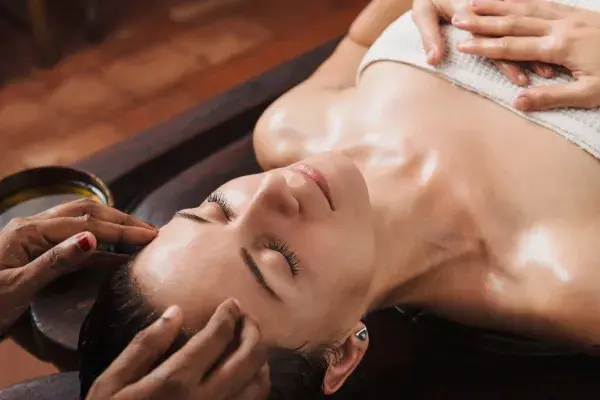
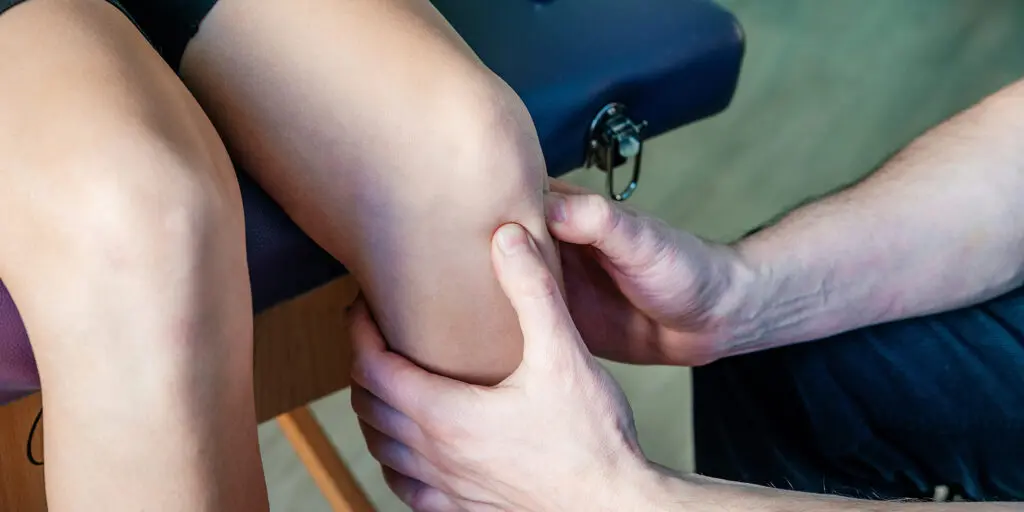
Patient receiving Ayurvedic knee joint therapy at Pranavam Ayurveda Hospital Image 1 — Ayurvedic Knee Joint Therapy at Pranavam Ayurveda Hospital
Quick Answer

Osteoarthritis is a condition in which joint cartilage gradually wears down, most often affecting the knees, hips, spine, and hands. In Ayurveda, it is understood as an aggravated Vata Dosha condition that makes joints dry, stiff, and painful. At Pranavam Ayurveda Hospital, treatment is personalised after a detailed physician consultation and may combine Abhyanga, Kizhi therapy, Basti, and long-term lifestyle guidance to support pain relief and mobility.

Knee pain is one of the most common reasons people seek Ayurvedic care, especially after the age of 45. Climbing stairs becomes uncomfortable, getting up from a chair feels difficult, and even a short walk may leave the joints feeling stiff.

For many people, these symptoms are caused by osteoarthritis, a condition in which the protective cartilage within a joint gradually wears down over time. Unlike rheumatoid arthritis, which is an autoimmune disease driven by inflammation, osteoarthritis is primarily associated with age-related joint degeneration, previous injuries, repetitive stress, and excess load on the joints.

In Ayurveda, osteoarthritis is commonly understood as a condition involving an aggravated Vata Dosha, particularly in the later stages of life. As Vata increases, joints may become dry, stiff, painful, and less flexible.

At Pranavam Ayurvedam, treatment is always planned after a detailed physician consultation. Rather than following a standard therapy package, the approach is individualized according to the person's symptoms, mobility, age, medical history, and stage of joint degeneration.

This guide explains how Ayurvedic treatment for osteoarthritis in Kerala is planned, the therapies that may be recommended, and what results patients can realistically expect.
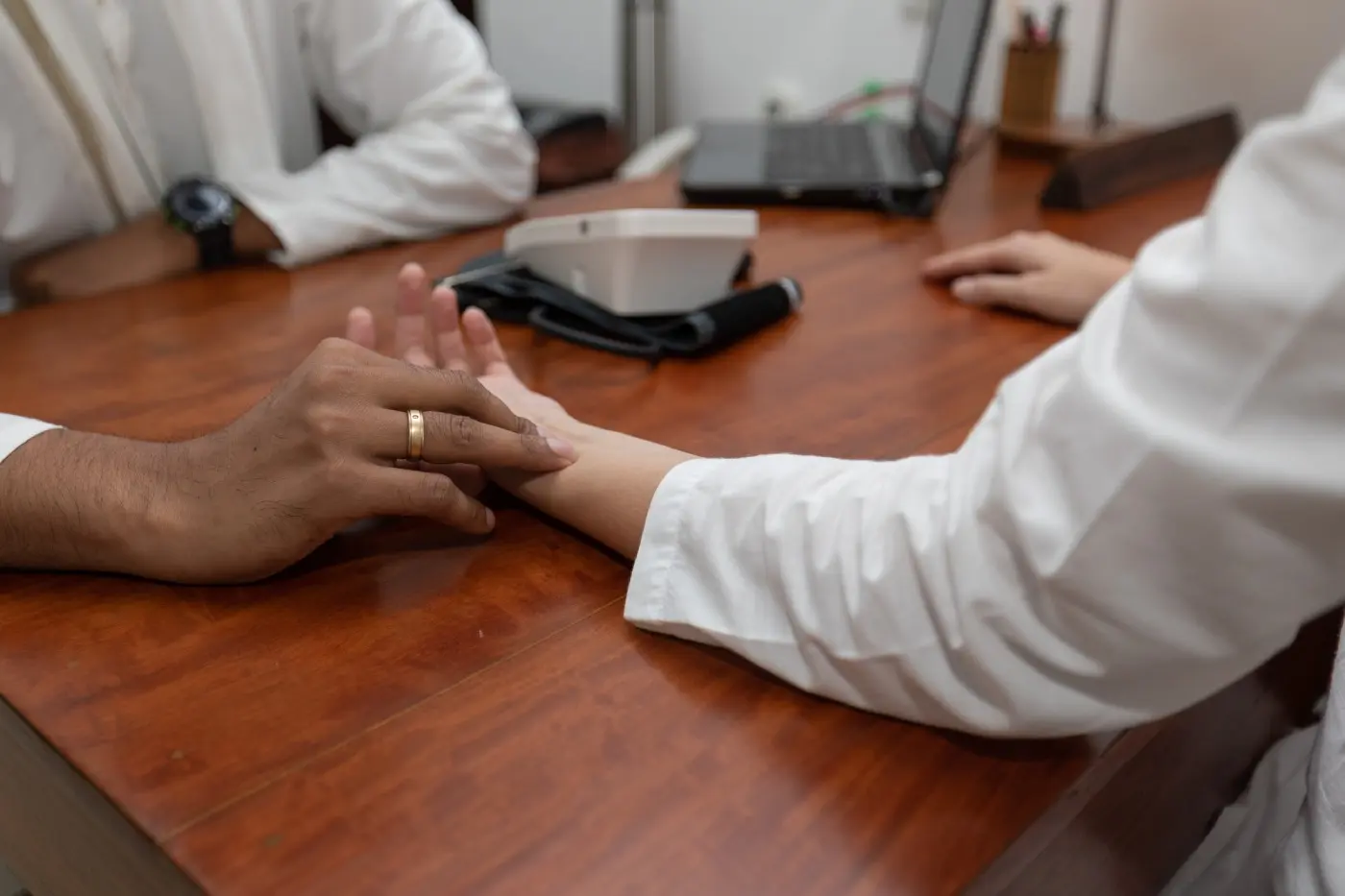
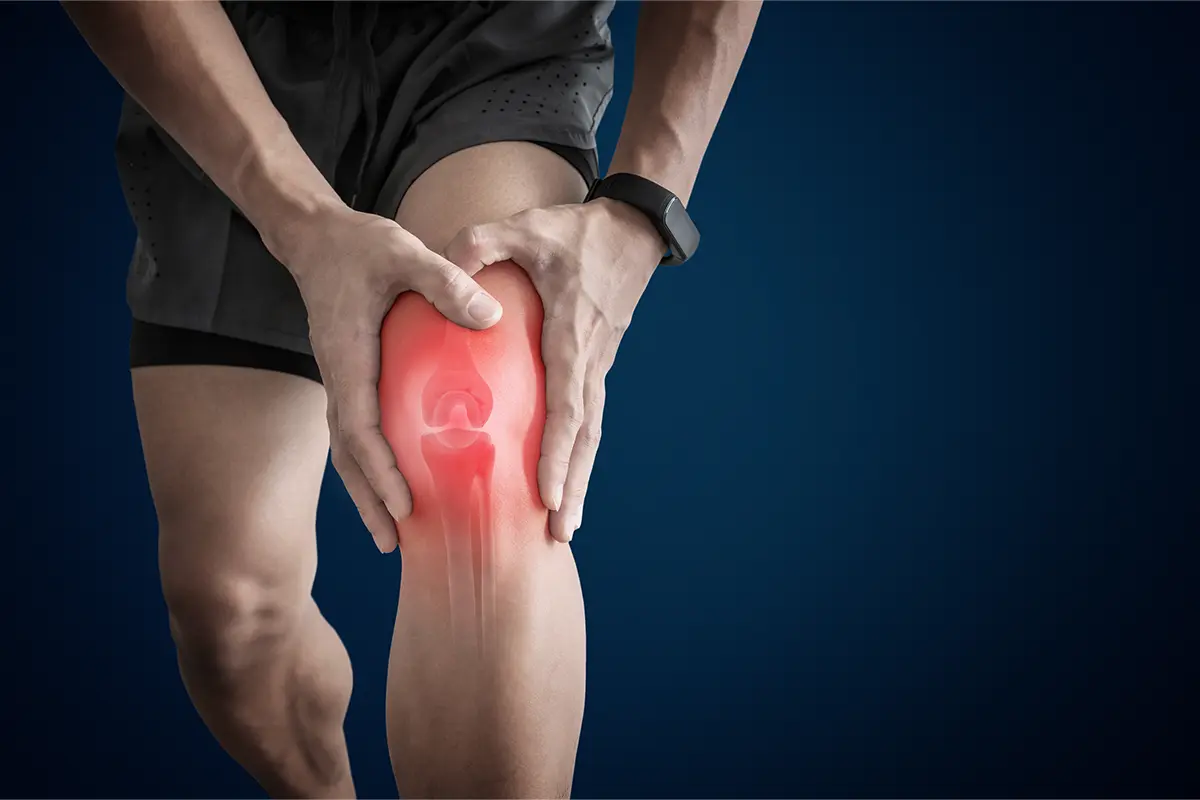
Physician assessing knee joint mobility before Ayurvedic osteoarthritis treatment Image 2 — Physician Assessment Before Osteoarthritis Treatment

Understanding Osteoarthritis

Osteoarthritis is the most common form of arthritis. Healthy joints contain smooth cartilage that allows bones to move freely with minimal friction. As cartilage gradually wears away, movement becomes less comfortable and the surrounding tissues may also be affected.

The condition usually develops slowly over many years. Although ageing increases the likelihood of osteoarthritis, it is not an inevitable part of getting older. Previous injuries, obesity, repetitive strain, and genetics can also contribute to joint degeneration.

Osteoarthritis vs Rheumatoid Arthritis

People often confuse osteoarthritis with rheumatoid arthritis, but they are different conditions. Because the causes differ, the Ayurvedic treatment strategy also differs.

Osteoarthritis Rheumatoid Arthritis
Primarily caused by gradual wear and tear of joints Autoimmune disease affecting joint lining
Usually develops gradually with age Can occur at younger ages
Often affects weight-bearing joints Frequently affects smaller joints first
Pain increases with activity Morning stiffness is often more prolonged
Joint degeneration is the main feature Inflammation is the main feature

Symptoms & Commonly Affected Joints

Symptoms usually develop gradually. Patients commonly report knee pain while walking, stiffness after resting, difficulty climbing stairs, reduced joint flexibility, grinding or cracking sensations, mild swelling, and pain that worsens after prolonged activity. Severity varies from person to person.

Knee pain while walking
Stiffness after resting
Difficulty climbing stairs
Reduced joint flexibility
Grinding or cracking sensations
Mild swelling around joints

Although osteoarthritis can affect almost any joint, the most frequently involved areas are the knees (which carry much of the body's weight), the hips (causing pain during walking or standing), the spine (contributing to stiffness and reduced mobility), and the hands (where small finger joints may gradually stiffen and enlarge).

Ayurvedic consultation discussing Vata Dosha and joint stiffness Image 3 — Vata Dosha Consultation for Joint Health

How Ayurveda Understands Osteoarthritis

In Ayurveda, many features of osteoarthritis are associated with aggravated Vata Dosha. Vata governs movement throughout the body, including joint function. As ageing naturally increases Vata, joints may become dry, stiff, less lubricated, and painful during movement. The physician evaluates each individual before deciding which therapies are most appropriate, based on medical history, duration of symptoms, joint mobility, walking pattern, previous injuries, body weight, daily activities, available scans, current medications, and Ayurvedic body constitution.

Ayurvedic Treatment Approach

Treatment depends on the severity of symptoms and the individual's overall health. Several therapies may be combined as part of a comprehensive, physician-guided treatment programme.

Njavara Kizhi therapy performed on the knee joints at Pranavam Ayurveda Hospital Image 4 — Njavara Kizhi Therapy on the Knee Joints

1. Therapeutic Abhyanga

Physician-guided oil massage

Performed according to Ayurvedic principles using medicated herbal oils to relax surrounding muscles, support circulation, improve joint flexibility, and prepare the body for further therapies.

2. Kizhi Therapy

Warm herbal fomentation

Njavara Kizhi, prepared using Njavara rice, herbal decoctions, and medicated milk, is often recommended to nourish tissues and support joint comfort and mobility, especially where muscle weakness accompanies osteoarthritis. Other forms of Kizhi may be selected based on individual symptoms.

3. Basti Therapy

Vata-focused core therapy

One of Ayurveda's principal therapies for conditions involving aggravated Vata. When clinically appropriate, physician-supervised Basti may be included to support long-term management rather than simply provide temporary symptom relief.

Rasayana and Joint Support

After active therapies, the physician may recommend Rasayana measures, rejuvenative approaches aimed at maintaining tissue health and overall wellbeing. Depending on individual needs, physician-prescribed herbal formulations may include traditional ingredients such as Shallaki, Guggulu, Ashwagandha, and Guduchi. These herbs should only be taken under professional supervision, particularly if the patient has other medical conditions or is taking prescription medicines.

What Treatment Aims to Support

Benefits of Ayurvedic Osteoarthritis Care

Reduced joint pain

Improved mobility

Better flexibility

Increased walking tolerance

Improved daily function

Better quality of life

Reduced joint stiffness

Muscle strength support

Patient walking comfortably in a garden after osteoarthritis treatment Image 5 — Improved Mobility After Osteoarthritis Treatment

Exercise & Lifestyle Guidance

Clinical therapies work best when combined with healthy daily habits, including gentle regular movement, weight management, and posture-conscious routines suited to the individual's condition.

Gentle Movement

Walking, joint mobility exercises, stretching, and strengthening as advised by the physician.

Weight Management

Even modest weight reduction can ease stress on weight-bearing joints like the knees.

Diet

Individualized dietary advice based on digestion, constitution, and activity level.

Posture & Footwear

Use supportive footwear, maintain good posture, and climb stairs carefully.

Avoid Prolonged Sitting

Regular position changes help reduce joint stiffness through the day.

Sleep & Home Exercise

Continue prescribed home exercises and prioritise adequate rest.

Realistic Expectations

One of the most important discussions during consultation involves setting realistic expectations. Ayurveda does not claim to regenerate severely worn cartilage or completely reverse osteoarthritis. Instead, treatment aims to support reduced pain, improved mobility, flexibility, walking tolerance, and quality of life.

Some individuals experience noticeable improvement after one course of treatment, while others with advanced degeneration may require repeated therapy, long-term lifestyle changes, or combined care with orthopedic specialists.

When Orthopedic Evaluation Is Important

Ayurveda can complement conservative management, but certain situations require orthopedic assessment. In some advanced cases, joint replacement surgery may still be the most appropriate treatment, and Ayurvedic care may continue before or after surgery under medical guidance where appropriate.

Pain becomes severe and persistent
Walking becomes increasingly difficult
Joint deformity progresses
Sudden inability to bear weight
Significant injury has occurred
Pranavam Ayurveda Hospital exterior, Kozhikode, Kerala Image 6 — Pranavam Ayurveda Hospital, Kozhikode

Why Choose Pranavam Ayurveda Hospital?

At Pranavam Ayurvedam, treatment focuses on individualized care through physician assessment, therapies such as Abhyanga, Njavara Kizhi, and Basti, along with dietary guidance and long-term lifestyle support. Located in the peaceful surroundings of Kozhikode, Kerala, the hospital combines classical Ayurvedic principles with carefully designed treatment programmes tailored to each patient's unique joint health needs.

Patients choose Pranavam for:

  • Experienced Ayurvedic physicians
  • Individualised treatment plans
  • Authentic Kerala therapies for joint and mobility care
  • Comfortable inpatient facilities
  • Realistic expectations and honest guidance
  • Integrated care alongside orthopedic evaluation when needed

Frequently Asked Questions

Can Ayurveda help avoid knee replacement surgery?
For some individuals with mild to moderate osteoarthritis, conservative Ayurvedic treatment may help improve symptoms and delay the need for surgery. However, advanced joint degeneration may still require orthopedic evaluation and, in some cases, knee replacement.
Is walking recommended during treatment?
In most cases, gentle walking is encouraged because it helps maintain joint mobility. The amount of walking should be based on the physician's advice and the severity of the condition.
How is osteoarthritis treatment different from rheumatoid arthritis treatment?
Osteoarthritis treatment primarily focuses on managing age-related joint degeneration and Vata imbalance, while rheumatoid arthritis treatment also addresses ongoing inflammatory disease activity and is coordinated closely with rheumatology care.
What results are realistic after one course of treatment?
Many patients experience improvements in pain, mobility, and daily function after one treatment course. The degree of improvement varies depending on the severity of joint degeneration, overall health, and adherence to home care recommendations.

Begin Your Joint Care Journey

Osteoarthritis develops gradually, but early management can often help maintain mobility and reduce discomfort. If you are looking for osteoarthritis treatment in Kerala, choosing a centre that emphasizes realistic expectations, personalized treatment plans, and integrated medical care can help you make informed decisions about your joint health.

Ready to Manage Your Joint Pain with Ayurveda?

Receive a personalised assessment from our physicians and begin a treatment programme designed to support your knee and joint health, mobility, and long-term wellbeing.

This article is for general educational purposes and does not constitute individual medical advice. Osteoarthritis treatment should only be undertaken following a full consultation and ongoing supervision by a qualified Ayurvedic physician, in coordination with orthopedic care where appropriate. Treatment outcomes vary by individual.