
Panchakarma Diet: What to Eat Before, During and After Treatment

Panchakarma Care · Physician-Led Ayurveda

Panchakarma Diet: What to Eat Before, During and After Treatment

What to eat and avoid before, during and after Panchakarma — a physician-guided diet plan, including kitchari, spices and the post-detox phase.

P
Pranavam Ayurveda
• Kozhikode, Kerala
A bowl of warm kitchari, the rice and moong dal staple of the Panchakarma diet Image 1 — Kitchari, the Staple Panchakarma Meal
Quick Answer

The Panchakarma diet has three phases. Before treatment (Purvakarma), eat light, warm, easily digested food and cut back on heavy, cold and processed items. During the programme, meals are simple: kitchari, rice gruel (peya and vilepi), warm water and, in the Snehana phase, medicated ghee. After treatment (Paschat-karma), normal food is reintroduced gradually through Samsarjana Krama. Your physician sets the exact plan.

Why Diet Is Half of the Treatment

Many people arrive for Panchakarma thinking of the therapies alone: the oil treatments, the medicated steam, the cleansing procedures. In Ayurveda, however, food is treated as medicine in its own right. The diet you follow before, during and after the programme is considered to be as important as the therapies themselves.

The reasoning is practical. Panchakarma asks the body to release accumulated imbalance, and that works best when digestion (Agni) is not being overloaded. Heavy, cold or processed meals during this period work against the treatment, while simple, warm, well-cooked food supports it.

The plan below follows the three classical phases: Purvakarma (preparation), the Panchakarma programme itself, and Paschat-karma (after-care). At Pranavam Ayurveda Hospital, the physician adjusts every step according to your constitution, digestion and the therapies prescribed, so treat this guide as an overview rather than a substitute for your own plan.
Phase 1: Purvakarma

Light, warm, easily digested food while the body is prepared for treatment.

Phase 2: The Programme

Kitchari, rice gruel and warm water, with medicated ghee in the Snehana phase.

Phase 3: Paschat-karma

Gradual return to normal food through Samsarjana Krama, step by step.

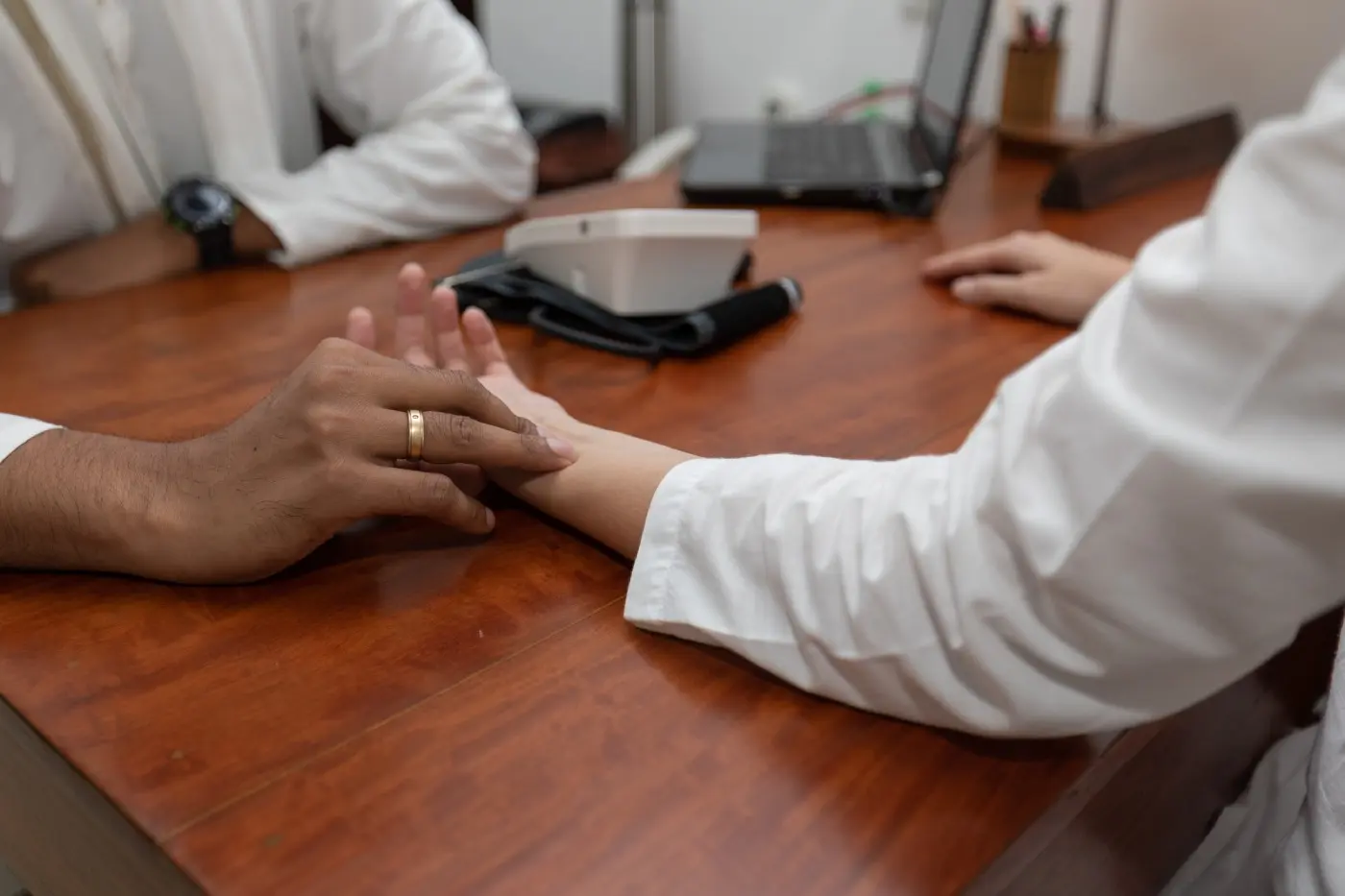
Ayurvedic physician consulting a patient to plan a personalised Panchakarma diet Image 2 — Physician Planning a Personalised Diet

Diet Before Panchakarma (Purvakarma)

The preparation phase is about easing the digestive system into treatment. Meals should be light, warm and easily digested. Freshly cooked food is preferred over leftovers, and portions should be moderate so that you finish each meal feeling comfortable rather than full.

This is also the time to reduce heavy, cold and processed foods: fried snacks, refrigerated leftovers, packaged foods, sweets and very rich dishes. Cutting these back gradually in the days before you begin is easier on the body than changing everything overnight.

Diet During the Programme

Once treatment begins, meals become deliberately simple. The aim is to give digestion a rest while keeping the body nourished. These are the staples you can expect.

Kitchari served in a traditional leaf bowl, a simple warm meal for the Panchakarma programme Image 3 — Kitchari Served in a Traditional Bowl

Kitchari

Staple meal

A soft, warm preparation of rice and moong dal, gently spiced and easy on digestion. Kitchari is the classic Panchakarma meal because it is nourishing without being heavy.

Rice Gruel (Peya and Vilepi)

Light & soothing

Peya is a thin, watery rice gruel, and Vilepi is a thicker one. Both are very light and are often used when digestion needs extra support.

Warm Water

Throughout the day

Sipping warm water through the day is part of the routine. Cold water is avoided.

Ghee in the Snehana Phase

Physician-prescribed only

During Snehana (oleation), medicated ghee is given internally in a dose and schedule set by the physician. It should never be self-administered.

Foods to Avoid

Some foods work directly against the treatment and are best avoided for the whole programme, and ideally in the days around it.

Raw salads
Cold drinks and iced water
Fermented foods
Heavy, oily or fried food
Caffeine
Alcohol

Raw salads and cold drinks are hard on a digestive system that is already being rested. Fermented and heavy foods are slow to digest, and caffeine and alcohol interfere with the body's ability to settle during treatment. If you have a long-standing habit such as a daily coffee, tell your physician at the first consultation so that it can be managed sensibly rather than stopped abruptly.

Diet After Panchakarma: The Gradual Re-introduction (Samsarjana Krama)

The days after the cleansing therapies are among the most important. Digestion is sensitive at this point, and returning straight to your usual food can undo the benefit of the treatment. Ayurveda prescribes a gradual schedule called Samsarjana Krama, in which food is reintroduced in stages, from the lightest preparations to the normal diet.

Liquid Rice Gruel

The thinnest, lightest preparation comes first, taken warm.

Thicker Gruel

As digestion strengthens, thicker rice gruel is introduced.

Soft Rice and Dal

Soft, well-cooked rice with simple moong preparations.

Normal Diet

Regular meals resume gradually, without sudden heavy or cold foods.

Soft, well-cooked rice and dal, typical of the later stages of Samsarjana Krama Image 4 — Soft Rice and Dal

The length and exact order of this schedule depend on how strongly the body responded to treatment, so your physician will decide it for you. The schedule typically runs for several days. Following it carefully matters even when you feel completely well.

Soft, well-cooked rice and simple moong preparations, like the one pictured, sit in the middle of the schedule, after the gruels and before regular meals return.

Kerala-Specific Food Guidance

One advantage of undergoing Panchakarma in Kerala is that many everyday local ingredients suit the diet naturally. Home cooking here already leans on foods that are warm, simple and digestive.

Rice, the base of most meals
Moong dal (green gram)
Coconut, used in moderation
Ginger, to support digestion
Cumin, gently warming
Curry leaf, for flavour

Cooked together with a little ghee, these ingredients produce the mildly spiced, soft meals that suit each phase. Spices are used to aid digestion, not to make food hot or pungent, so keep seasoning gentle.

After You Go Home

Common Mistakes After Leaving the Hospital

Many people follow the diet carefully during treatment and then slip once they return home. These are the mistakes we see most often.

Returning to heavy, fried or spicy food on the first day

Restarting coffee, alcohol or cold drinks immediately

Skipping Samsarjana Krama because you feel well

Eating late at night or at irregular times

Frequently Asked Questions

Can I eat normally during Panchakarma?
No. Normal meals are not advised during the programme. Food is kept simple, warm and light, usually kitchari, rice gruel and warm water, so that digestion can rest and the therapies can work properly.
Is coffee allowed?
Caffeine is generally avoided during Panchakarma. If you drink coffee daily, tell your physician at the start so that any withdrawal can be managed sensibly. Whether and when you can return to it afterwards is decided as part of your post-treatment plan.
Can vegetarians and non-vegetarians follow the same plan?
Yes. The core Panchakarma diet of kitchari, rice gruel and warm water is vegetarian, so both groups follow the same plan during treatment. Any later reintroduction of other foods is guided by the physician.
How long should I follow the post-treatment diet?
The gradual re-introduction schedule typically runs for several days, and your physician will set the exact length based on how you responded to treatment. Many people also benefit from continuing simple, regular eating habits well beyond that period.

Make Your Diet Support Your Treatment

The Panchakarma diet is not about eating less for its own sake. It is about eating the right food, at the right time, in the right order, so that the benefit of treatment is supported and then maintained. Preparing well, keeping meals simple during the programme and returning to normal food gradually afterwards are what make the difference.

At Pranavam Ayurveda Hospital, your physician plans every phase of your diet alongside your therapies and explains what to follow once you return home.

Planning Panchakarma? Get a Diet Plan Built for You

Receive a personalised assessment from our physicians, including guidance on what to eat before, during and after your programme.

This article is for general educational purposes and does not constitute individual medical advice. Dietary guidance during Panchakarma should be given by a qualified Ayurvedic physician, as it varies with your constitution, health conditions and the therapies prescribed. If you have diabetes, are pregnant or have any other medical condition, consult your physician before changing your diet.