What Is Accommodation Like During Residential Panchakarma?
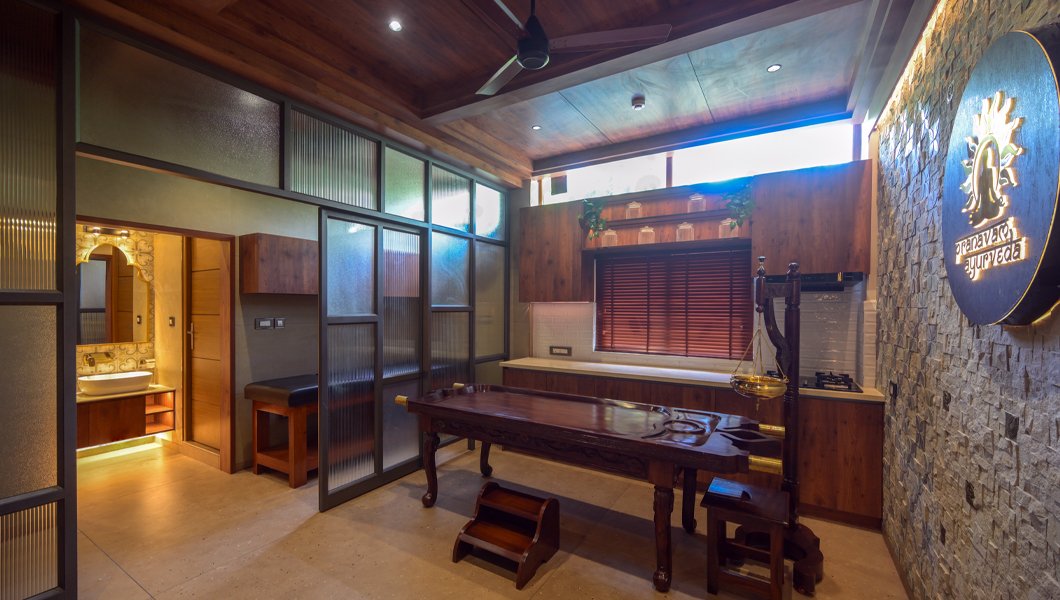
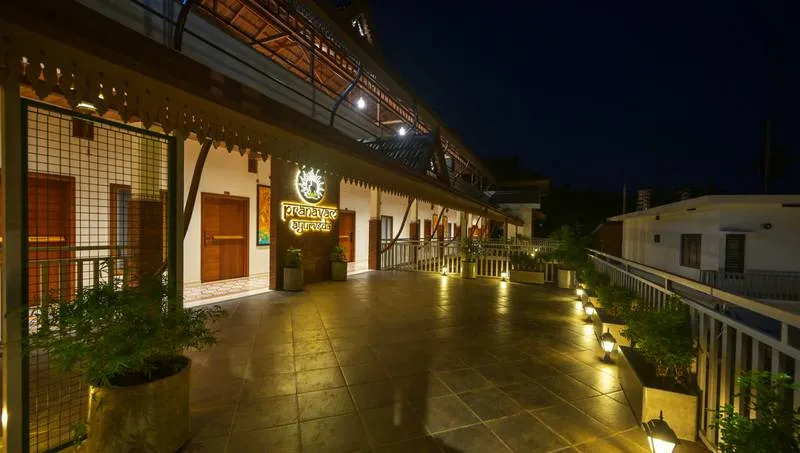
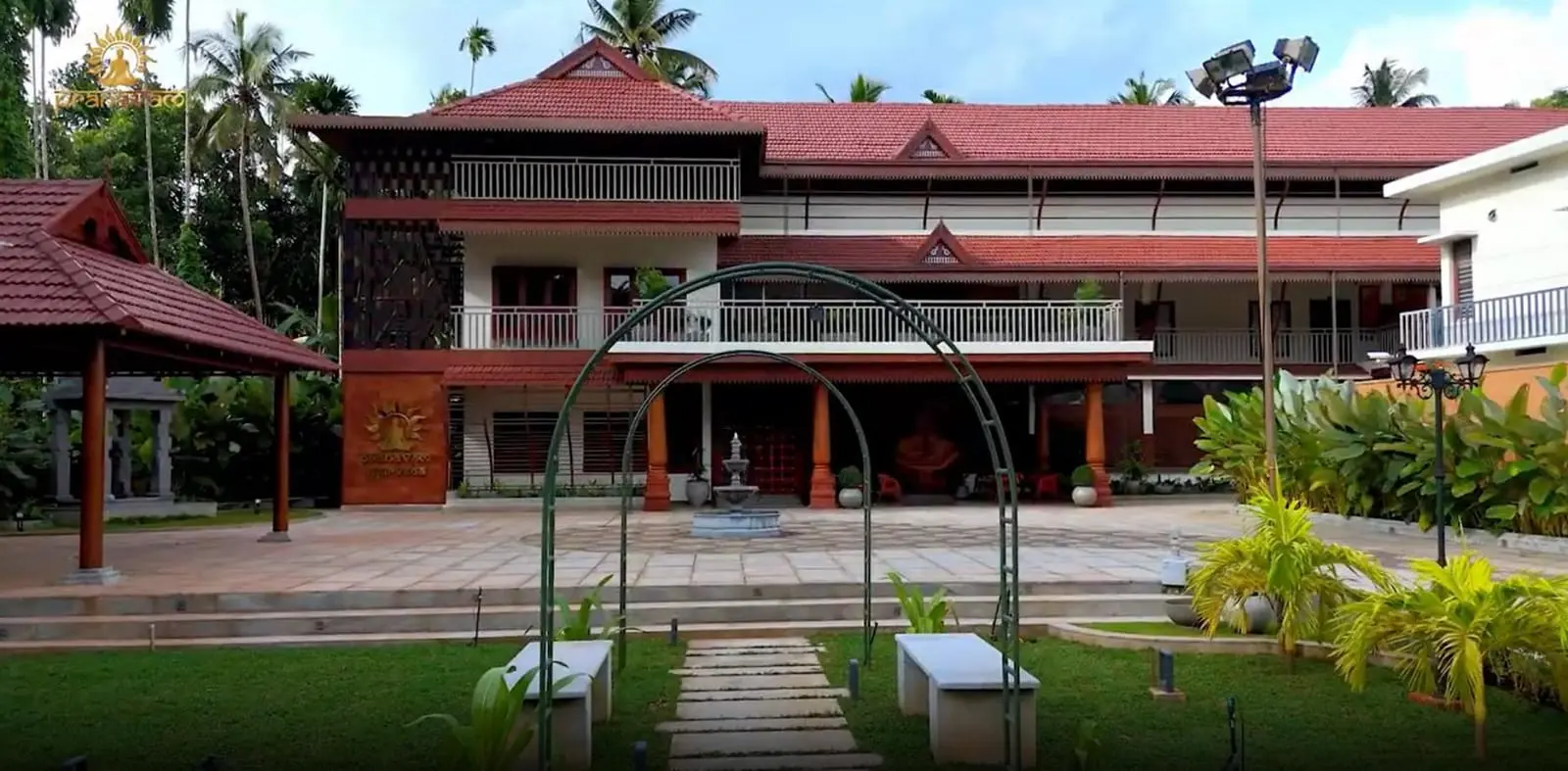
For international patients undergoing a longer Panchakarma programme, the treatment centre effectively becomes home for several weeks. Comfort therefore matters. A residential hospital stay is designed differently from a conventional hotel holiday, the purpose of the room and surrounding environment is to give you somewhere comfortable to rest between treatments.
Before travelling, ask about your room category, private or shared occupancy, facilities and whether a companion can stay with you. You should also confirm what is included in the accommodation price so that expectations are clear before arrival. For someone considering a 14 or 21-day programme, these practical details can make a significant difference.
What Will You Eat During Panchakarma?
Food is part of the treatment programme rather than simply an additional hospitality service. During Panchakarma, the physician may recommend a relatively simple diet based on your condition and stage of treatment, and meals may change during different phases of the programme. After certain procedures, for example, food may be introduced progressively while digestion returns to its usual routine.
International patients should tell the hospital in advance about genuine dietary requirements and food allergies, do not assume that a treatment centre can accommodate every preference without notice. It is also worth preparing yourself for the fact that your usual diet may temporarily change; Panchakarma is not the ideal time to search for familiar restaurant food every evening. Following the prescribed diet is part of following the programme.
Avoid bringing only expensive or delicate clothing, as Ayurvedic oil therapies can occasionally leave marks on fabrics. It is also sensible to avoid heavily scented perfumes, body lotions and cosmetic products during treatment unless the physician or treatment team says they are suitable.