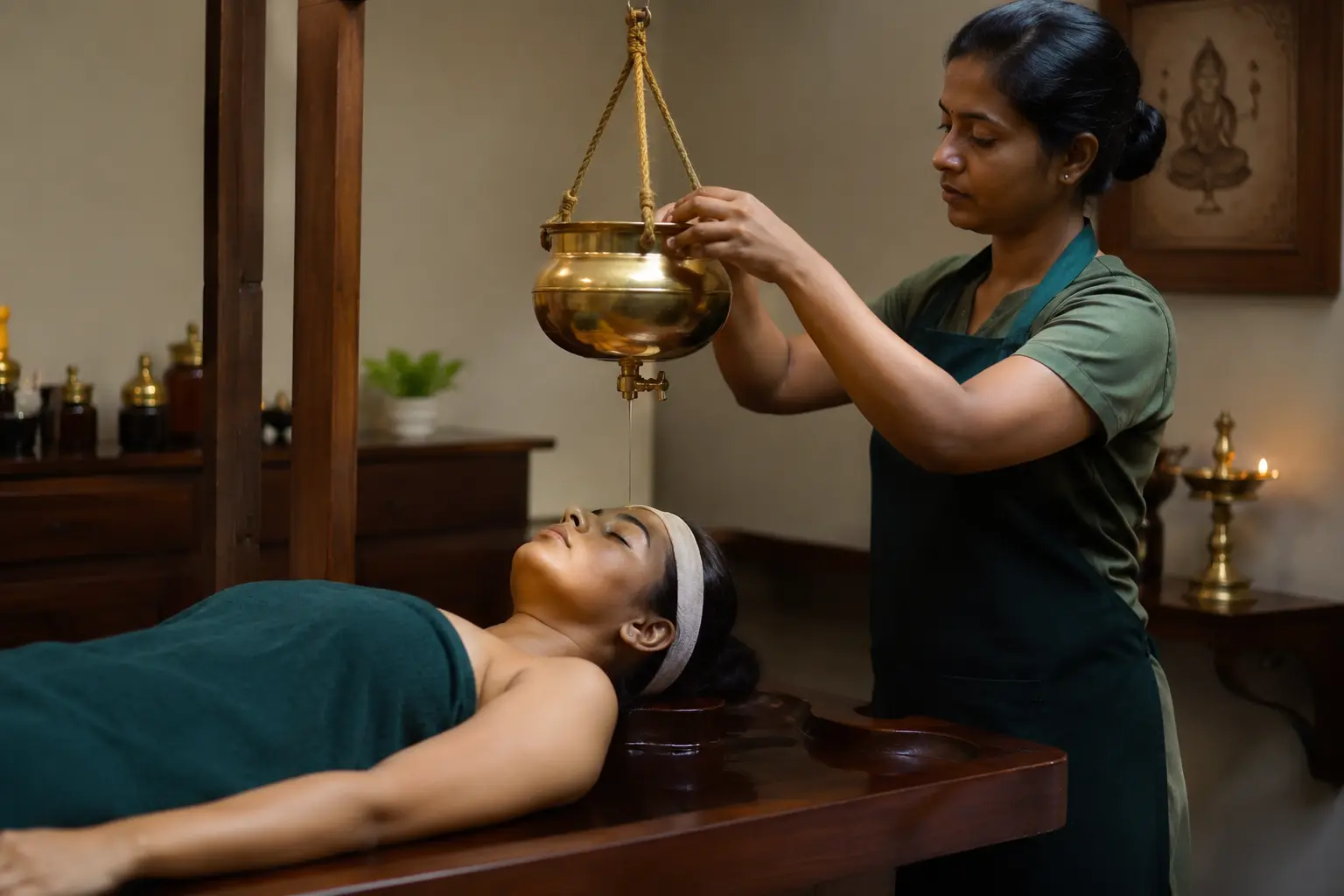
PCOD vs PCOS: The Ayurvedic Understanding and How Treatment Differs
Women's Health & Reproductive Wellbeing · Authentic Kerala Ayurveda

PCOD vs PCOS: The Ayurvedic Understanding and How Treatment Differs

Understand the difference between PCOD and PCOS, how Ayurveda views these conditions, and how physician-guided treatment, diet and lifestyle support long-term reproductive health.

P
Pranavam Ayurveda
• Kozhikode, Kerala
Physician discussing PCOD and PCOS treatment with a patient at Pranavam Ayurveda Hospital Image 1 — Women's Health Consultation at Pranavam Ayurveda Hospital
Quick Answer

PCOD (Polycystic Ovarian Disease) is generally an ovarian disorder involving enlarged ovaries with multiple immature follicles, while PCOS (Polycystic Ovary Syndrome) is a broader hormonal and metabolic condition that can affect multiple body systems. Ayurveda looks beyond the ovaries to evaluate digestion, metabolism, body constitution, Dosha balance and reproductive health as a whole, with physician-guided treatment that complements, rather than replaces, regular gynaecological care.

Many women hear the terms PCOD and PCOS used interchangeably. Although they share several symptoms and may overlap in clinical practice, they are not exactly the same condition. Understanding the difference is important because it influences diagnosis, treatment planning and long-term health monitoring.

Both conditions may affect menstrual cycles, ovulation, weight, skin and fertility. However, Polycystic Ovarian Disease (PCOD) is generally considered an ovarian disorder, while Polycystic Ovary Syndrome (PCOS) is a broader hormonal and metabolic condition that can affect multiple body systems.

From an Ayurvedic perspective, the focus extends beyond the ovaries. Instead of treating only irregular periods or hormone levels, Ayurveda evaluates digestion, metabolism, body constitution, lifestyle, stress and reproductive health as interconnected aspects of overall wellbeing.

At Pranavam Ayurvedam, every treatment programme begins with a detailed physician consultation. The goal is to understand each woman's symptoms, medical history, reproductive goals and existing medical care before creating an individualised treatment plan.
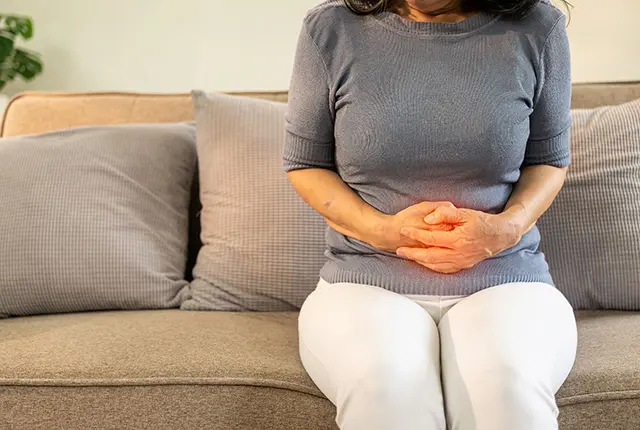
PCOD vs PCOS comparison infographic showing differences in ovarian involvement, hormones and symptoms Image 2 — PCOD vs PCOS Comparison Infographic

PCOD and PCOS: What Is the Difference?

PCOD is generally characterised by enlarged ovaries containing multiple immature follicles. Ovulation may become irregular, leading to delayed or missed periods. Many women with PCOD respond well to lifestyle changes and weight management, although treatment varies between individuals.

PCOS is a hormonal and metabolic syndrome rather than only an ovarian condition. In addition to irregular ovulation, women with PCOS may experience insulin resistance, weight gain, increased androgen levels, acne, excess facial or body hair, difficulty conceiving and increased long-term metabolic risks. Because PCOS affects multiple body systems, long-term monitoring is often recommended.

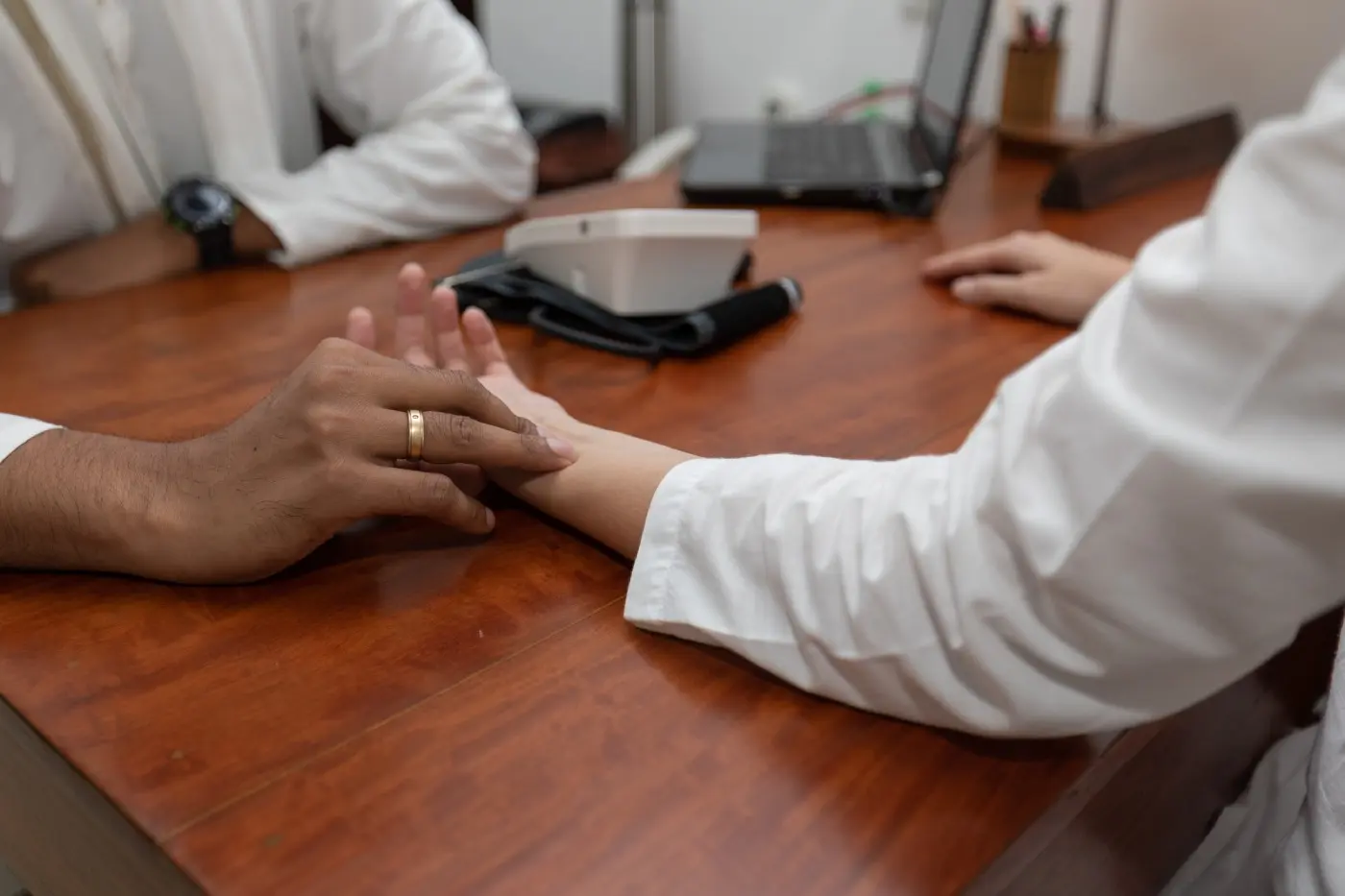
Consultation with Dr. Diana discussing menstrual history, ultrasound reports and personalised treatment planning Image 3 — Consultation With Dr. Diana on PCOD/PCOS Treatment Planning

How Ayurveda Understands PCOD and PCOS

Ayurveda does not describe PCOD or PCOS by these modern medical names. Instead, physicians assess the individual's symptoms and identify patterns of Dosha imbalance. Many women with PCOD or PCOS show features of Kapha and Vata imbalance, along with disturbance of the Artava Vaha Srotas, the reproductive channels responsible for normal menstrual and reproductive function.

Dosha Patterns Behind PCOD and PCOS

Ayurvedic physician assessing Dosha balance as part of PCOD and PCOS evaluation Image 4 — Dosha Balance Assessment for PCOD and PCOS

Kapha

Structure, nourishment, stability

When aggravated, Kapha may contribute to sluggish metabolism, weight gain, reduced movement of bodily channels and ovarian dysfunction.

Vata

Movement, including the menstrual cycle

Disturbed Vata may contribute to irregular menstrual cycles, delayed ovulation and menstrual irregularity. Treatment focuses on restoring balance rather than addressing a single symptom.

Assessed During Consultation

Common Symptoms Ayurveda Addresses

Irregular periods

Weight changes, especially abdominal

Persistent acne

Increased facial or body hair growth

Scalp hair thinning

Difficulty conceiving

Fatigue

Digestive concerns

Physician Assessment Before Treatment

At Pranavam Ayurvedam, treatment begins with understanding the complete clinical picture. The physician may assess menstrual history, weight changes, previous pregnancies, fertility goals, ultrasound reports, blood investigations, current medications, diet, sleep, stress levels and Ayurvedic body constitution.

Patients are encouraged to bring previous investigations, including pelvic ultrasound reports, hormonal blood tests, blood sugar investigations if available, and previous prescriptions from their gynaecologist. This information helps personalise treatment while ensuring Ayurvedic care complements ongoing medical management.

Menstrual history
Ultrasound reports
Blood investigations
Current medications
Diet & sleep
Stress levels
Fertility goals
Body constitution
Physician-guided Panchakarma procedures including Virechana and Basti for PCOD and PCOS Image 5 — Physician-Guided Panchakarma for PCOD and PCOS

Ayurvedic Treatment Approach

Treatment is individualised according to the patient's symptoms, reproductive goals and overall health.

Virechana

Panchakarma

For some individuals, physician-guided Virechana may be included as part of a structured treatment programme, particularly when metabolic imbalance is an important consideration.

Basti

Panchakarma

Basti may be recommended in selected cases involving significant Vata imbalance affecting menstrual regularity. The physician determines the timing and suitability of these therapies based on the individual's condition.

Individualised Herbal Support & Diet

Ongoing management

Herbal formulations are selected based on menstrual pattern, digestive health, body constitution, fertility plans and associated metabolic concerns. Diet advice, including freshly prepared meals and regular meal timings, is always personalised. Self-medication is not recommended.

Personalised Ayurvedic diet planning session for PCOD and PCOS management Image 6 — Personalised Diet Planning for PCOD and PCOS

The Role of Weight and Metabolism

Weight management often plays an important role in both PCOD and PCOS, particularly when insulin resistance is present. Even modest improvements in body weight may support more regular menstrual cycles, better metabolic health, improved ovulation in some women, and overall wellbeing. Ayurvedic treatment usually combines dietary guidance, lifestyle modification and physician-supervised therapies rather than relying on medicines alone.

More regular menstrual cycles
Better metabolic health
Improved ovulation in some women
Overall wellbeing

Lifestyle Measures That Support Treatment

In addition to clinical therapies, physicians commonly recommend the following lifestyle measures to support both hormonal balance and general health.

Physical Activity

Regular physical activity suited to the individual's condition.

Sleep Routine

Consistent sleep routines support hormonal balance.

Stress Management

Managing stress is an important part of overall care.

Mindful Eating

Eating with awareness supports healthy digestion.

Healthy Body Weight

Working towards a healthy body weight where advised.

Reduced Inactivity

Avoiding prolonged periods of inactivity.

Realistic Expectations

PCOD and PCOS are long-term conditions that usually require ongoing management rather than short-term treatment. Many women experience gradual improvements in menstrual regularity, energy levels, weight management and overall wellbeing. The timeline varies depending on severity of symptoms, body weight, insulin resistance, age, fertility goals and adherence to treatment. Regular follow-up with both the Ayurvedic physician and gynaecologist helps monitor progress and adjust treatment when needed.

Severity of symptoms
Body weight
Insulin resistance
Age
Fertility goals
Adherence to treatment

Working Alongside Your Gynaecologist

Responsible women's healthcare often involves collaboration. Ayurveda should complement, not replace, regular gynaecological care. Patients should continue pelvic ultrasound when advised, hormonal investigations, blood sugar monitoring where indicated, fertility assessment if required, and routine follow-up appointments. Any changes to prescribed hormonal medication should only be made after discussion with the treating gynaecologist.

Why Choose Pranavam Ayurvedam?

At Pranavam Ayurvedam, physician-guided care may include Panchakarma procedures such as Virechana or Basti where appropriate, individualised herbal medicines, dietary correction and long-term lifestyle guidance. Combined with regular gynaecological monitoring, this integrated approach supports informed and personalised care for women considering ayurvedic treatment for PCOS in Kerala.

Frequently Asked Questions

Can Ayurveda regulate periods without hormonal medication?
Some women experience improved menstrual regularity with physician-guided Ayurvedic treatment and lifestyle changes. However, treatment varies between individuals, and prescribed hormonal medicines should never be stopped without consulting your gynaecologist.
How long does PCOD or PCOS treatment usually take?
The timeline depends on the severity of symptoms, body weight, metabolic health and treatment goals. Because these are long-term conditions, meaningful improvement often requires several months of consistent treatment and follow-up.
Does diet alone make a difference?
Diet is an important part of managing both PCOD and PCOS, particularly when weight management or insulin resistance is involved. However, most women benefit from a broader treatment plan that may include lifestyle changes, physician-guided therapies and regular medical monitoring.
Is Ayurvedic treatment safe alongside fertility treatment?
In many cases, Ayurveda can be used alongside fertility treatment, provided all healthcare providers are aware of the complete treatment plan. Coordinated care helps ensure safety and appropriate decision-making.

Begin Your PCOD or PCOS Care Journey

Although PCOD and PCOS share several symptoms, they differ in important ways. Ayurveda approaches both conditions by looking beyond the ovaries to understand digestion, metabolism, Dosha balance and reproductive health as a whole. If you are considering ayurvedic treatment for PCOS in Kerala, choose a centre that combines traditional Ayurvedic principles with responsible medical assessment and realistic expectations.

Ready to Begin Personalised PCOD/PCOS Care?

Receive a physician-led consultation with Dr. Sreejith and Dr. Diana Sreejith at Pranavam Ayurvedam, combining traditional Ayurvedic principles with responsible, individualised assessment for your reproductive health.

This article is for general educational purposes and does not constitute individual medical advice. PCOD and PCOS require proper clinical diagnosis and ongoing gynaecological monitoring. Ayurvedic treatment should only be undertaken following a full consultation with a qualified Ayurvedic physician, alongside continued care from your gynaecologist. Treatment outcomes vary by individual.