
Raktamokshana: The Classical Ayurvedic Detox Therapy for Skin Disorders

Raktamokshana: The Classical Ayurvedic Detox Therapy for Skin Disorders
Raktamokshana is Ayurveda's classical blood-purification therapy, including leech therapy. Learn when it is used for skin disorders and how safe it is.
Raktamokshana is the most misunderstood of the five Panchakarma procedures. It is not the bloodletting of medieval Europe. It is a selective, small-volume, physician-led therapy used for specific conditions, and it is used far less often than the other four.
Of the five classical Panchakarma procedures, Raktamokshana is the one people most often misread. The word translates roughly as "release of blood," and that is enough for many people to picture something crude or dangerous. The reality is quite different.
In Ayurveda, Raktamokshana is a blood-purification therapy meant for conditions where the Rakta dhatu (blood tissue) is considered to be vitiated, most often by aggravated Pitta. It is used selectively, in small and controlled amounts, and only after a physician has assessed whether it is appropriate. Many patients who come to a Panchakarma programme never need it. For a smaller group, particularly those with chronic skin disorders or localised inflammation, it can be an important part of the treatment plan.
This guide explains the classical methods, the conditions it is used for, what a session involves, who should avoid it, and why it belongs only in trained hands. It also covers leech therapy (Jalaukavacharana), which is the method most people have heard of.
The Classical Methods of Raktamokshana
Classical Ayurvedic texts describe several ways of performing Raktamokshana, broadly grouped into those that use instruments and those that do not. Three methods are the most commonly discussed, and the choice between them depends on the condition, how localised it is, and the individual patient.
01
Jalaukavacharana (Leech Therapy)
Medicinal leeches are applied to the affected area to draw a small amount of blood. It is considered gentle and is often preferred for sensitive, localised or Pitta-dominant conditions.
02
Pracchanna
Shallow, superficial incisions or pricks are made on the skin over the affected area, followed by controlled drawing of blood. It is used for localised patches or swellings.
03
Siravedha
A vein is punctured to remove a measured quantity of blood. It is the most involved of the three and is reserved for conditions where a wider systemic effect is intended.
Method selection is always the physician's decision, based on assessment. The use of leeches, in particular, is a prescribed clinical procedure and not a home or spa treatment.
Conditions Raktamokshana Is Used For
Raktamokshana is not a general detox for everyone. It is considered where the physician finds signs of vitiated blood and Pitta, and where the condition is chronic, localised or resistant to gentler measures. Commonly described uses include:
Chronic Skin Disorders
Long-standing conditions such as eczema-type rashes, psoriasis-pattern patches and recurring itchy or inflamed skin, where the Rakta and Pitta involvement is judged to be significant.
Localised Inflammation
Isolated areas of swelling, redness, heat or discolouration, where treating the specific site is more appropriate than a whole-body procedure.
Certain Joint Conditions
Selected inflammatory joint complaints with heat, redness and swelling, usually as part of a wider programme rather than as the only treatment.
It is rarely used alone. In practice, Raktamokshana is most often one part of a larger plan that may include internal medicines, diet and lifestyle changes, and other Panchakarma procedures. For skin conditions in particular, our skin and dermatological conditions care pages explain how the overall approach is built around the individual.
What a Raktamokshana Session Involves
Because this is a procedure involving blood, the process is structured and unhurried. Most sessions follow a sequence like this:
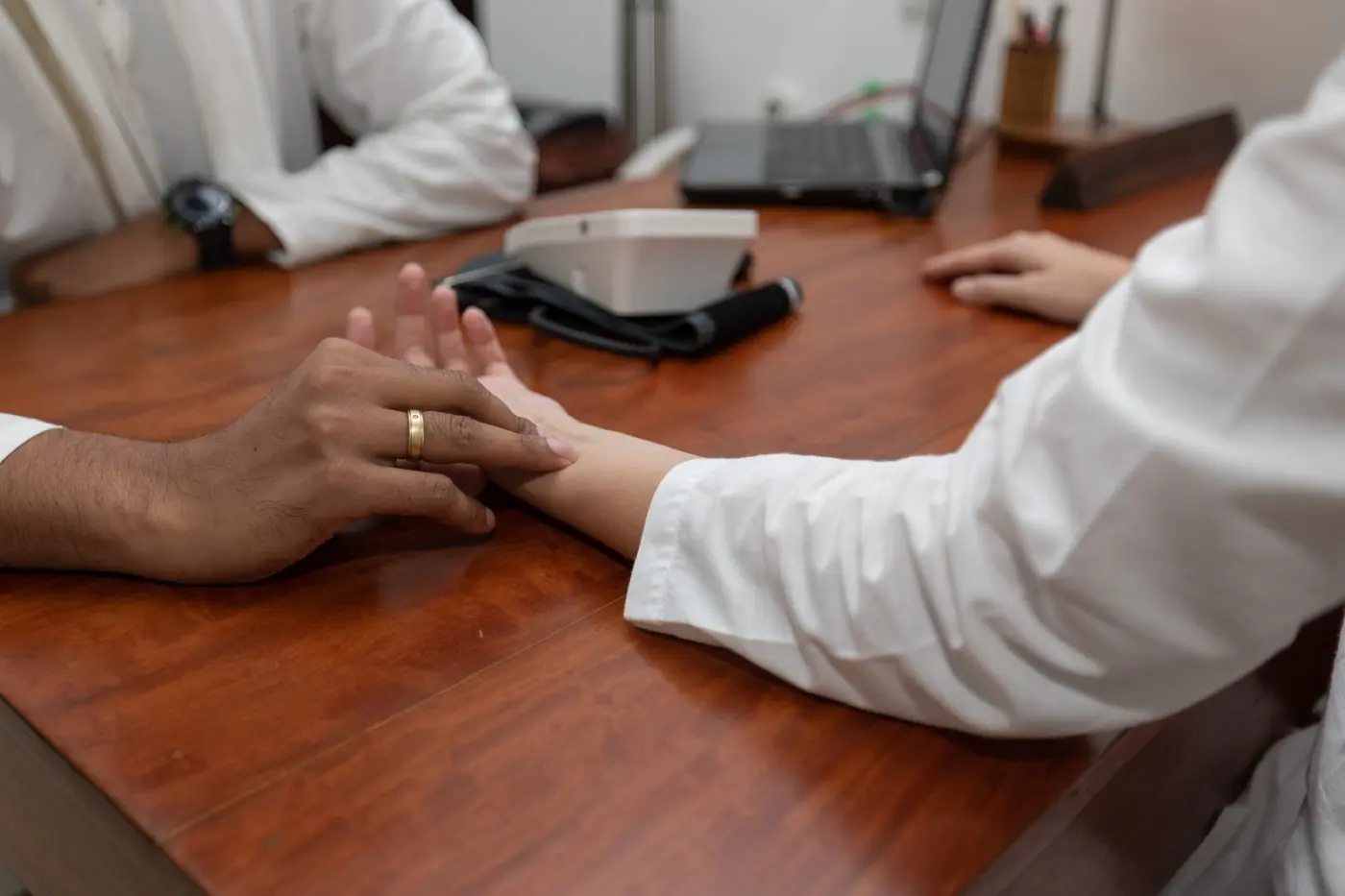
The physician examines the skin or affected area, reviews medical history, current medicines and relevant reports, and confirms that the procedure is suitable.
The area is cleaned and prepared. Where appropriate, preparatory therapies are advised so the procedure is better tolerated.
The chosen method is carried out under supervision, with a small, controlled quantity of blood drawn. Patients are observed throughout.
The site is cleaned and dressed, the patient rests, and guidance on diet and care of the area is given before they leave.
The number of sessions varies with the condition and the response to treatment, and the physician reviews progress between sessions rather than fixing a number in advance.
Hygiene and Safety Standards
Hygiene is not a side issue in Raktamokshana. It is central to whether the therapy is safe, so a properly run clinical setting should meet the following standards:
- A clean, dedicated treatment area with sterile or single-use instruments for any method that breaks the skin.
- Leeches that are medicinal-grade, used on one patient only, and never reused on another person.
- Thorough cleaning of the treatment site before the procedure and proper dressing afterwards.
- Safe disposal of all used materials, in line with clinical waste practice.
- Continuous observation by trained staff, with a clear plan for managing prolonged bleeding or any reaction.
If a centre cannot explain how its instruments are sterilised or how its leeches are sourced and handled, that is a reason to walk away.
Who Should Avoid Raktamokshana
Because the procedure involves drawing blood, it is not suitable for everyone. It is generally avoided, or considered only with great caution after a physician's review, in people who have:
- Bleeding disorders or a tendency to bleed or bruise easily.
- Anaemia or low haemoglobin.
- Blood-thinning medication, such as anticoagulants or antiplatelet drugs.
- General weakness, or a recent illness or surgery that has left the body depleted.
Anyone who is pregnant, very elderly, or very young should also be assessed with extra care. It is essential to tell the physician about every medicine and supplement you take, including over-the-counter ones, before any decision is made.
The takeaway: Raktamokshana is a precise tool for specific conditions, not a general detox. Whether it is right for you is a clinical judgement, and "no" is a perfectly common answer.
Why Only Trained Physicians Should Perform It
Raktamokshana looks simple on paper and is not. Deciding who needs it, which method to use, how much blood to draw and when to stop all depend on clinical judgement. Done wrongly, it can cause infection, excessive bleeding, weakness or worsening of the condition.
That is why it should only be done by a qualified Ayurvedic physician, in a proper clinical setting, as part of a supervised plan. At Pranavam Ayurveda Hospital's Panchakarma Treatment Centre, every patient is assessed first, and the decision to use or not use Raktamokshana is made by the physician after that assessment. It is part of the same sequence of preparation, main procedure and recovery that we describe in our guide to what happens during Panchakarma. For another look at how the same logic applies to a common skin concern, see our article on acne and Pitta dosha.
Frequently Asked Questions
Is leech therapy safe?
Does Raktamokshana hurt?
How many sessions are usual?
Is it the same as bloodletting in Western history?
Living With a Chronic Skin Condition?
Every programme at Pranavam begins with a physician assessment, not a fixed package. Find out whether Raktamokshana, or a different approach, suits your condition.
Book a ConsultationRelated Reading