Sciatica Treatment in Kerala — Ayurvedic Causes & Care Plan
Nerve Pain Relief · Authentic Kerala Ayurveda

Sciatica Treatment in Kerala: Understanding the Cause Before Starting Treatment

Learn how Ayurvedic sciatica treatment in Kerala addresses the root cause through physician assessment, Basti, Kizhi and personalized care for lasting relief.

P
Pranavam Ayurveda
• Kozhikode, Kerala
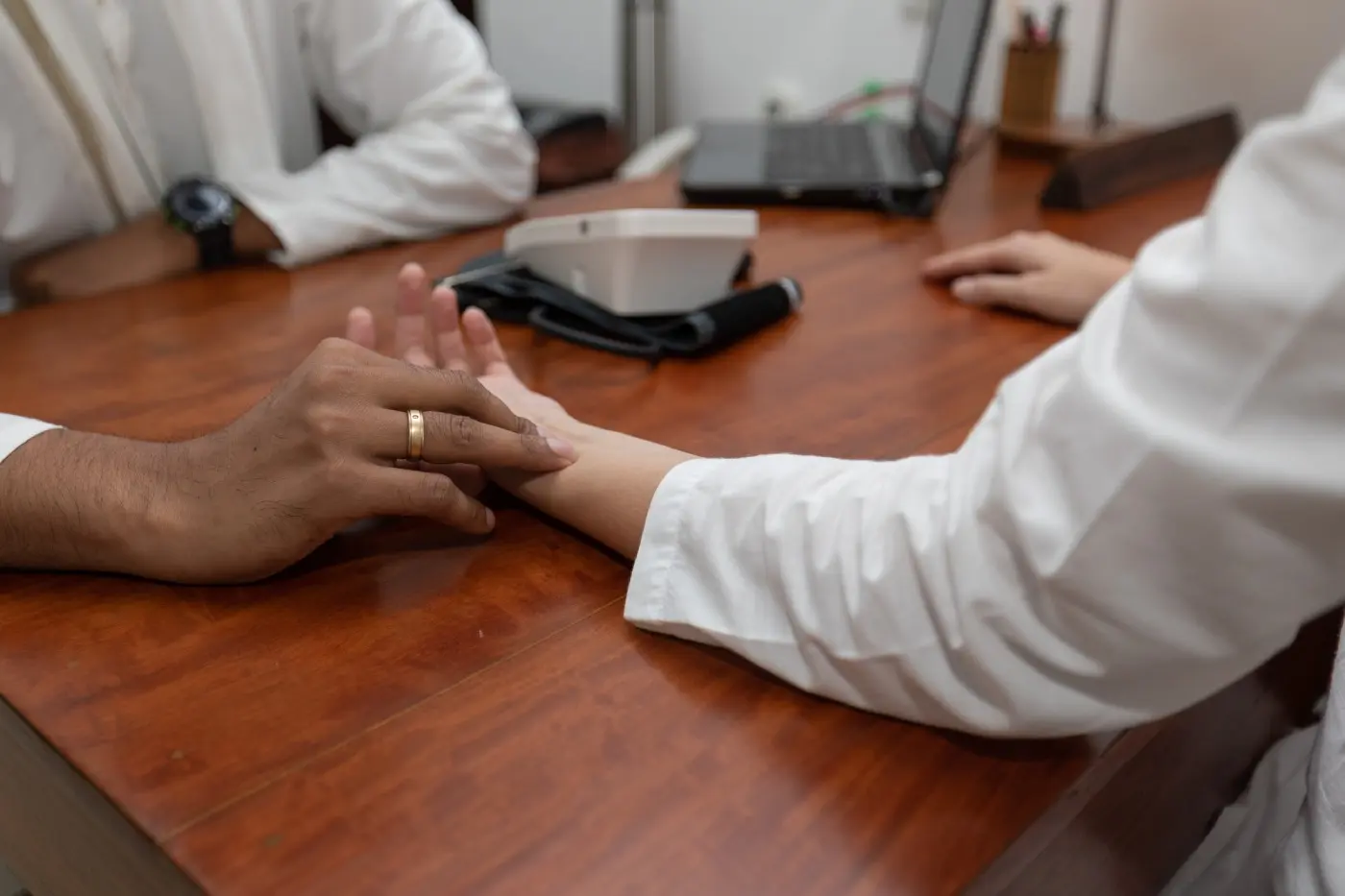
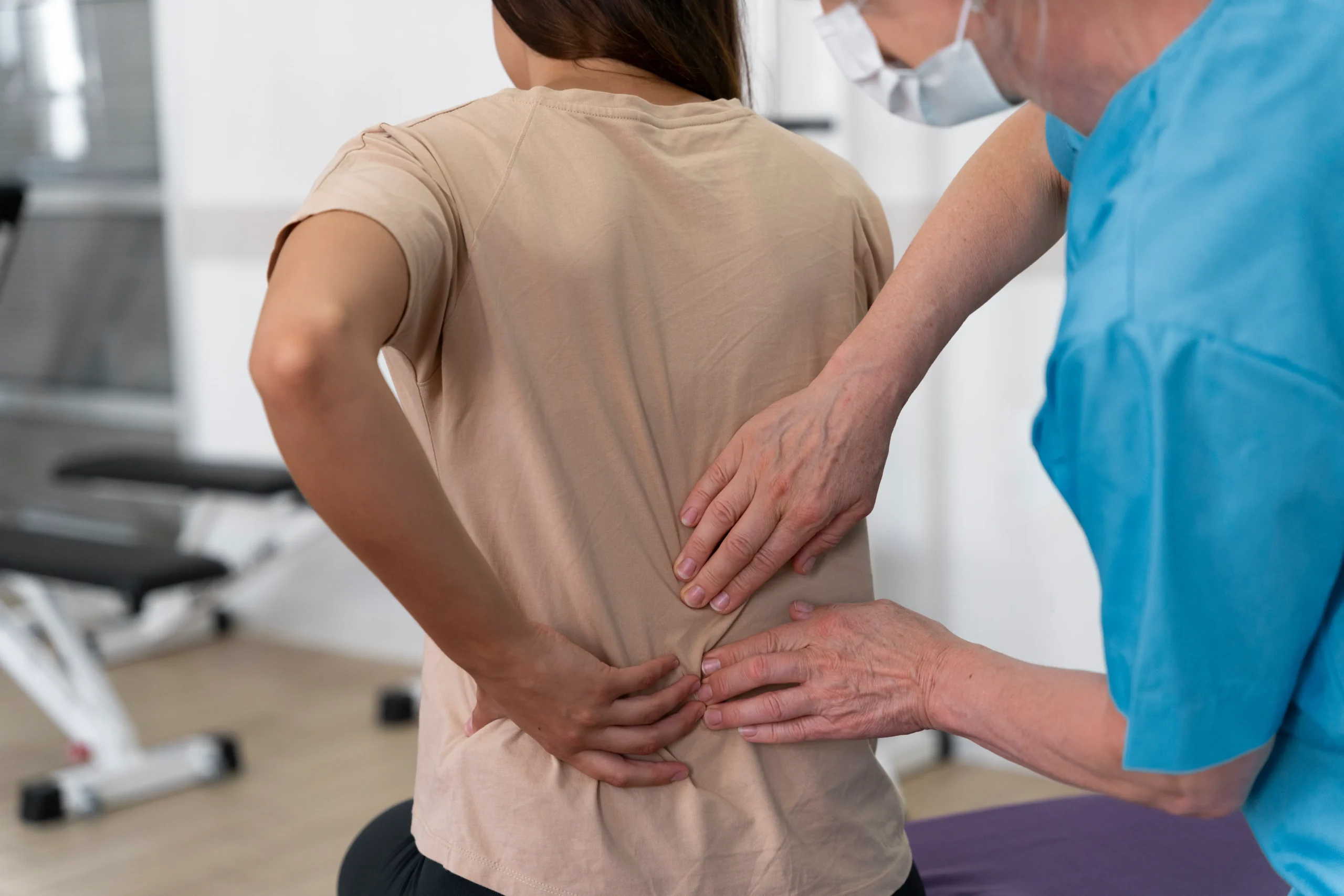
Patient consulting an Ayurvedic physician for sciatica treatment at Pranavam Ayurvedam Image 1 — Patient Consulting an Ayurvedic Physician for Sciatica
Quick Answer

Sciatica is a group of symptoms caused by irritation or compression of the sciatic nerve, producing pain that travels from the lower back into the leg. Ayurveda commonly links this to Gridhrasi, a condition rooted in aggravated Vata Dosha. At Pranavam Ayurvedam, every treatment plan begins with a detailed physician consultation, and therapies such as Abhyanga, Kizhi and Basti are selected only after understanding the individual's symptoms, lifestyle and medical history.

Pain that begins in the lower back and travels through the buttock into the leg is often described as sciatica. For some people, it starts as occasional discomfort after long hours of sitting. For others, it becomes a persistent problem that affects walking, sleeping and even simple daily activities.

Many people assume that every pain running down the leg is sciatica. In reality, several conditions can produce similar symptoms, which is why a proper diagnosis is essential before beginning any treatment.

Ayurveda approaches sciatica differently from treatments that focus only on relieving pain. Instead of treating everyone with the same therapies, an Ayurvedic physician first determines why the nerve is being irritated and what factors are contributing to the condition.

At Pranavam Ayurvedam, every treatment plan begins with a detailed consultation. Therapies are selected only after understanding the individual's symptoms, lifestyle, medical history and overall health. This guide explains how Ayurveda understands sciatica, how diagnosis is performed and what a typical step by step treatment plan may involve.
Sciatic nerve pain pathway from lower spine through buttock to leg Image 2 — Sciatic Nerve Pain Pathway

What is Sciatica?

Sciatica is not a disease by itself. It is a group of symptoms caused by irritation or compression of the sciatic nerve, the longest nerve in the human body. The sciatic nerve begins in the lower spine, passes through the buttocks and continues down each leg to the feet. Symptoms usually affect one side of the body, although the intensity varies from person to person.

Ayurvedic physician assessing Vata Dosha imbalance linked to Gridhrasi Image 3 — Assessing Vata Dosha Imbalance Linked to Gridhrasi

How Ayurveda Understands Sciatica

In Ayurveda, sciatica is commonly associated with Gridhrasi, a condition primarily linked to an aggravated Vata Dosha, which governs movement, nerve function and communication throughout the body. Ayurveda does not assume every individual has the same imbalance, some may have additional involvement of Kapha, resulting in heaviness and stiffness, while others present mainly with severe pain due to dominant Vata aggravation. This distinction influences the choice of therapies and medicines.

Signs to Watch For

Symptoms of Sciatica

Pain travelling from the lower back into the leg

Burning or sharp shooting pain

Tingling sensations

Numbness

Weakness in one leg

Difficulty standing or walking for long periods

Common Causes That May Trigger Sciatica

Several conditions can irritate the sciatic nerve.

Lumbar Disc Bulge or Herniation

A bulging or herniated disc may press against nearby nerve roots, leading to pain that travels into the leg. This is one of the most common reasons people seek sciatica treatment in Kerala.

Prolonged Sitting

Office work, driving long distances and sedentary lifestyles may increase stress on the lower spine. Remaining in one position for extended periods can contribute to muscle tightness and increased pressure around the lower back.

Muscle Compression

Tight muscles around the hip and buttock, particularly the piriformis muscle, can occasionally compress the sciatic nerve and produce symptoms similar to disc related sciatica.

Degenerative Spine Changes

Age related changes in spinal joints and discs may gradually narrow the spaces through which nerves travel.

Previous Injury

Falls, lifting heavy objects or sports injuries may also contribute to nerve irritation.

Disc herniation
Prolonged sitting
Muscle compression
Degenerative changes
Previous injury
Physician performing physical examination for sciatica diagnosis Image 4 — Physical Examination for Sciatica Diagnosis

How Sciatica Is Diagnosed at Pranavam Ayurvedam

Assessment

Successful treatment depends on understanding the cause of symptoms rather than simply treating pain. Diagnosis combines a detailed medical history, physical examination, Nadi Pariksha (pulse assessment) for Dosha balance, and review of any existing MRI or X-ray reports, helping create an individualized treatment plan.

Medical history

Onset, radiation pattern, aggravating activities, prior reports and previous treatments.

Physical examination

Walking pattern, spine mobility, muscle tightness, tenderness, leg strength and reflexes.

Nadi Pariksha

Pulse assessment provides additional information on Dosha balance and constitution.

Review of reports

Existing MRI or X-ray scans are reviewed alongside the clinical examination.

A Step by Step Ayurvedic Treatment Plan

There is no universal treatment package for sciatica. Depending on the physician's findings, treatment may include one or more of the following therapies.

Step 1: Reducing Pain and Muscle Tightness

Initial focus

The initial focus is often on reducing muscle spasm and improving mobility. External therapies may help prepare the body for deeper treatment while making movement more comfortable.

Step 2: Therapeutic Abhyanga

Medicated oil massage

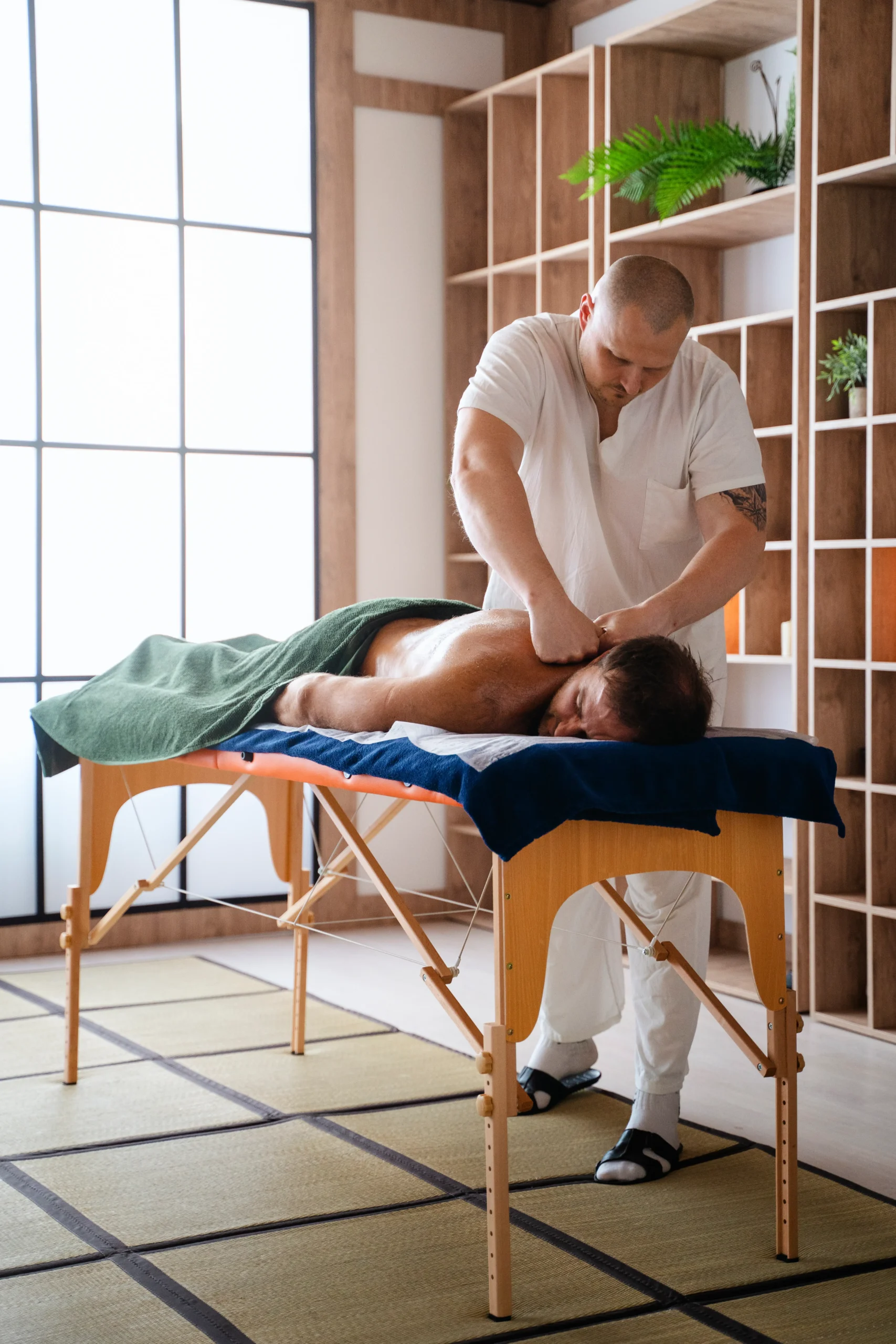
Performed using physician selected medicated oils, Abhyanga follows therapeutic techniques based on the individual's condition, aiming to relax muscles, improve circulation, support joint mobility, and prepare the body for further therapies.

Step 3: Kizhi Therapy

Herbal poultice

Kizhi involves applying warm herbal poultices over affected muscles. The warmth, combined with herbal preparations, may help reduce stiffness and improve flexibility for those with muscle tightness alongside nerve irritation.

Step 4: Basti Therapy

Vata-focused therapy

Basti is one of Ayurveda's important therapies for disorders involving aggravated Vata, involving physician supervised administration of medicated herbal preparations. It is not prescribed for every patient, suitability depends on age, overall health, digestive capacity, stage of illness and individual constitution.

Step 5: Rehabilitation and Lifestyle Guidance

Long-term recovery

Patients receive individualized advice on sitting posture, sleeping positions, walking, stretching, daily activities and a gradual return to work, to reduce repeated stress on the lower spine while supporting long term recovery.

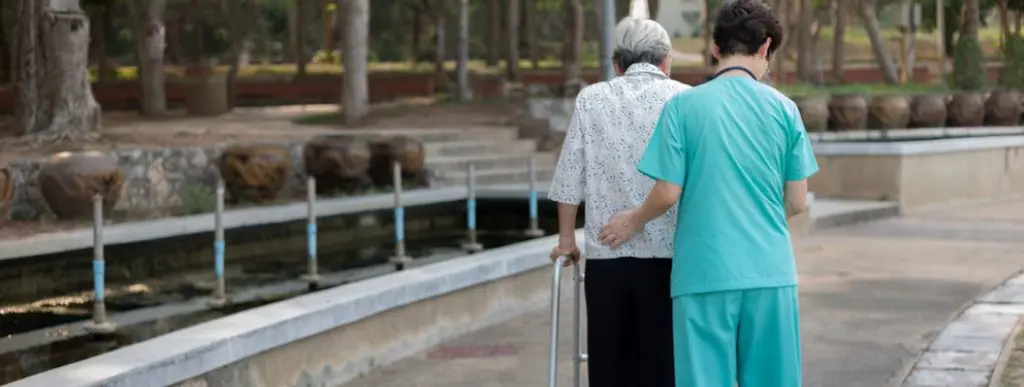
Patient walking comfortably outdoors after sciatica treatment, representing improved mobility Image 5 — Patient Walking Comfortably After Treatment

What Results Can You Realistically Expect?

Every person's recovery is different, and the duration of symptoms before treatment often influences recovery time. Individuals who begin treatment soon after symptoms develop may experience improvement more quickly, while people with long standing symptoms usually require a longer treatment programme along with consistent lifestyle changes. Recovery is usually gradual, most patients notice changes in stages rather than overnight, including reduced pain intensity, better walking ability, less numbness, improved flexibility, better sleep and increased confidence during daily activities. The physician reviews progress regularly and modifies treatment whenever necessary.

Home Care Between Treatment Sessions

Daily habits play an important role in recovery. These simple measures help support the benefits of clinical treatment.

Avoid prolonged sitting

Take regular breaks and avoid sitting for long, uninterrupted periods.

Change posture

Shift positions regularly throughout the day.

Walk short distances

Move gently and frequently rather than staying still for long stretches.

Proper lifting

Use correct lifting techniques to protect the lower spine.

Sleep positions

Sleep in positions recommended by your physician.

Stretches & weight

Perform prescribed stretches only after medical advice, and maintain a healthy body weight where appropriate.

When Should You See a Neurologist First?

Although Ayurveda offers valuable support for many individuals with sciatica, certain symptoms require immediate conventional medical evaluation. Seek urgent medical attention if you experience any of the following.

Sudden loss of bladder or bowel control
Rapidly increasing leg weakness
Severe numbness around the groin
Major spinal injury
High fever with severe back pain
Suspected fracture

These situations require prompt medical investigation before considering Ayurvedic treatment.

Choosing the Best Sciatica Treatment in Kerala

Selecting the right centre is just as important as choosing the therapy itself. Look for a centre that offers consultation with an experienced Ayurvedic physician, individualized treatment plans, qualified therapy staff, authentic Ayurvedic medicines, integration with modern diagnostic reports when needed, and regular follow up evaluations. Avoid centres that recommend identical therapy packages for every patient without proper assessment.

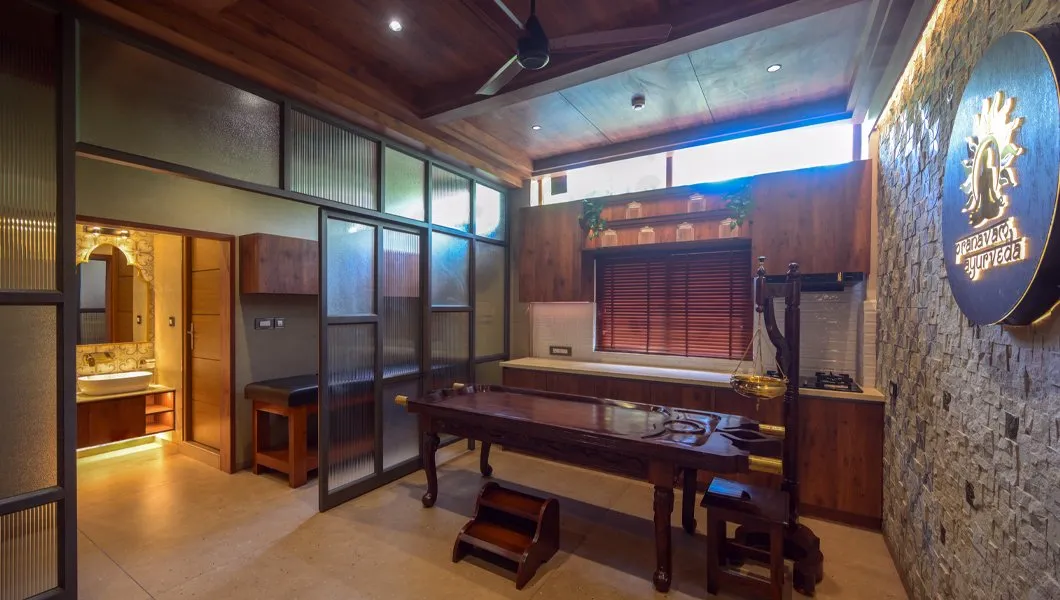
Authentic Basti therapy administered by trained therapists at Pranavam Ayurvedam Image 6 — Basti Therapy Administered by Trained Therapists

Why Choose Pranavam Ayurvedam?

At Pranavam Ayurvedam, every treatment plan begins with a detailed consultation. Therapies are selected only after understanding the individual's symptoms, lifestyle, medical history and overall health, combining Ayurvedic assessment with modern diagnostic information to create a genuinely individualized care plan.

Patients choose Pranavam for:

  • Experienced Ayurvedic physicians
  • Individualised treatment plans
  • Authentic Kerala Ayurvedic therapies
  • Comfortable inpatient facilities
  • A holistic approach focused on long-term wellbeing
  • Compassionate care rooted in traditional Ayurvedic wisdom

Frequently Asked Questions

Can Ayurveda cure sciatica permanently?
The outcome depends on the underlying cause, severity of nerve involvement, duration of symptoms and the individual's overall health. Many people experience significant improvement with physician guided Ayurvedic treatment, but long term results also depend on posture, exercise, weight management and following medical advice.
How is sciatica different from general back pain?
General back pain may remain localized to the lower back. Sciatica typically involves irritation of the sciatic nerve, causing pain, tingling or numbness that travels into the buttock and leg. Treatment is planned according to the underlying cause rather than symptoms alone.
Is bed rest recommended for sciatica?
Complete bed rest is generally not recommended for most people. After medical evaluation, gentle movement and gradual activity are often encouraged unless the physician advises otherwise based on the individual's condition.
When should sciatica be evaluated by a neurologist before Ayurveda?
Immediate neurological evaluation is recommended if symptoms include sudden leg weakness, loss of bladder or bowel control, numbness around the groin, severe trauma or rapidly worsening neurological deficits.

Begin Your Sciatica Recovery Journey

Sciatica can significantly affect daily life, but successful treatment begins with understanding why the pain developed in the first place. Ayurvedic management focuses on physician guided diagnosis, individualized therapies and long term lifestyle correction rather than temporary symptom relief alone. If you have persistent pain radiating into the leg, early evaluation by an experienced sciatica doctor can help identify the cause and determine the most appropriate course of treatment.

Ready to Find Lasting Relief from Sciatica?

Experience physician-led Ayurvedic sciatica treatment under the guidance of Dr. Sreejith and Dr. Diana Sreejith. Receive a personalised assessment and begin a treatment plan designed to address the root cause of your pain.

This article is for general educational purposes and does not constitute individual medical advice. Sciatica treatment should only be undertaken following a full consultation and ongoing supervision by a qualified Ayurvedic physician, with prompt conventional medical evaluation for any urgent neurological symptoms. Treatment outcomes vary by individual.