
Thyroid Imbalance and Ayurveda: Causes and Natural Correction Approaches
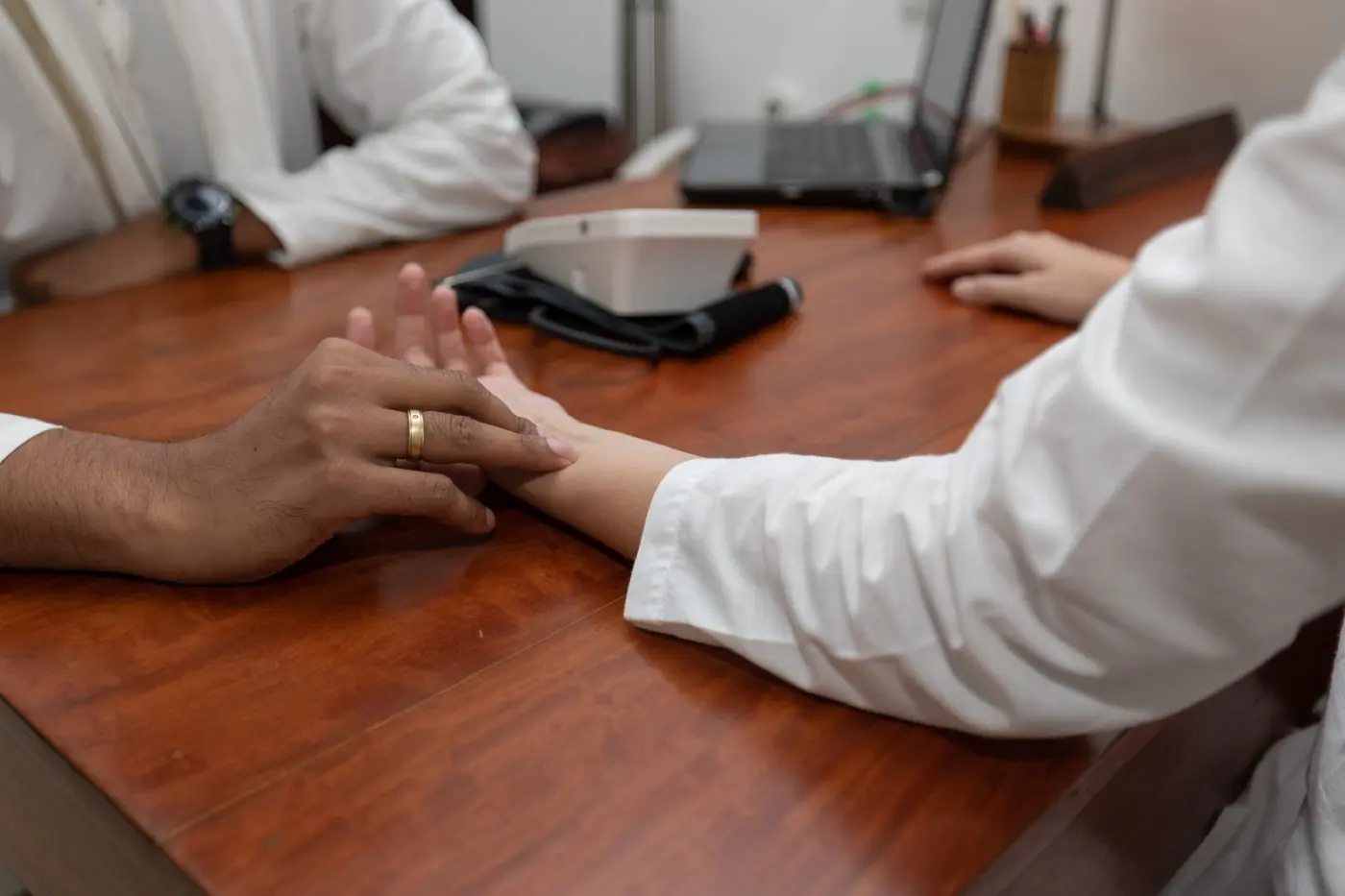
Thyroid Imbalance and Ayurveda: Causes and Natural Correction Approaches
How Ayurveda views thyroid imbalance through Agni, Kapha and metabolism, and how diet, herbs and Panchakarma may support conventional care.
Ayurveda doesn't treat the thyroid as an isolated gland. It looks at the metabolic fire (Agni) behind it, which is why supportive care focuses on digestion, routine and stress, alongside your endocrinologist's treatment and never in place of it.
Why Thyroid Problems Are So Common
Thyroid disorders are now among the most common hormonal conditions seen in clinics across Kerala, and women are affected far more often than men. Tiredness, weight changes, hair fall, low mood and irregular cycles are easy to dismiss one by one, which is why thyroid imbalance is so often picked up late.
Several factors are commonly linked with it: autoimmune tendencies, iodine and selenium status, pregnancy and the postnatal period, perimenopause, chronic stress, irregular sleep and long-standing digestive trouble. Modern medicine measures the hormones (TSH, T3, T4) and replaces or regulates them as needed. Ayurveda asks a complementary question: why did the body's metabolism drift off balance in the first place? This guide explains that view and where supportive Ayurvedic care fits in.

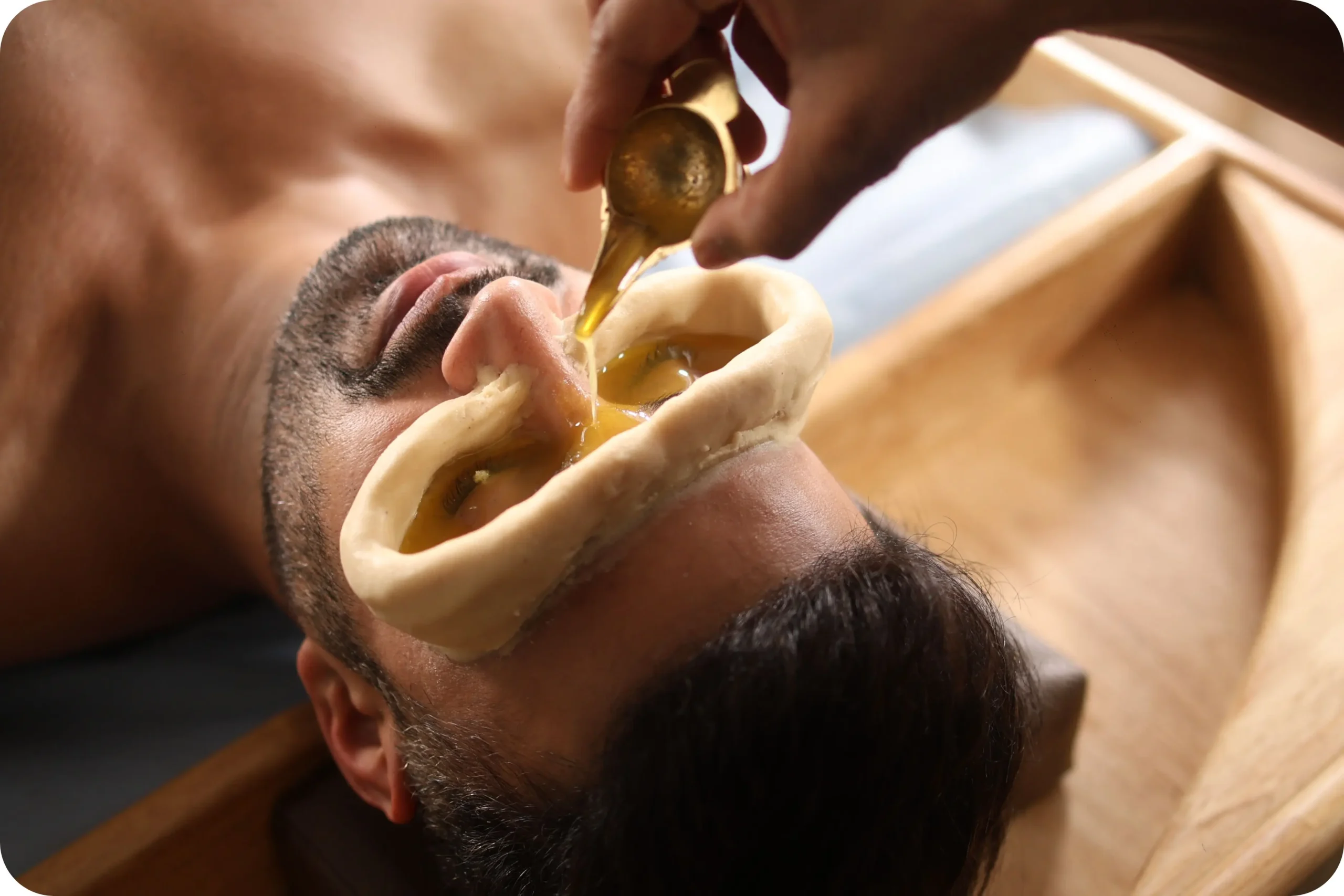
Hypo vs Hyper in Ayurvedic Terms
Classical texts don't describe "hypothyroidism" by name, but they do describe the patterns involved: swelling in the front of the neck (Galaganda), changes in weight, appetite and body temperature, and disturbed energy. Physicians map today's diagnoses onto the doshas in broad terms:
01
Hypothyroidism
Usually read as a Kapha–Vata pattern: slow metabolism, heaviness, weight gain, sluggish digestion, feeling cold, dry skin, constipation and fatigue.
02
Hyperthyroidism
Usually read as a Pitta pattern, often with Vata aggravation: heat intolerance, sweating, rapid heartbeat, weight loss despite appetite, irritability and disturbed sleep.
03
Goitre and Nodules
Neck swellings fall under Galaganda, where Kapha and Meda (fat tissue) accumulate in the throat region. Whether the gland is over- or under-active still decides the approach.
These are interpretive frameworks, not diagnoses. A thyroid blood test and an endocrinologist's assessment come first; the Ayurvedic pattern is then assessed on top of that.
Agni, Ama and Metabolic Slowing
In Ayurveda, metabolism is governed by Agni, the digestive and transformative fire. The thyroid is often described as the body's pace-setter, so a weakened Agni and a sluggish thyroid tend to travel together. The classical sequence looks like this:
Step 1 · Agni
Digestive Fire Weakens
Irregular meals, heavy or cold foods, daytime sleep, a sedentary routine and chronic stress dull Agni. Food is no longer fully transformed into healthy tissue.
Step 2 · Ama
Ama Accumulates
Incompletely digested material (Ama) builds up and clogs the body's fine channels (Srotas), including those serving the endocrine system. Typical signs are heaviness, coated tongue, brain fog and constant tiredness.
Step 3 · Kapha and Meda
Metabolism Slows Further
With channels obstructed, Kapha and Meda accumulate, metabolism slows further, and weight, swelling and lethargy follow. This is the loop Ayurvedic care tries to interrupt, starting with Agni.
Supportive Diet, Lifestyle and Stress Management
This is the foundation of Ayurvedic thyroid support, and the part you control every day. These measures support Agni and reduce the load on the system. They do not replace medication.
Diet
Warm, freshly cooked, easily digested meals at regular times. Favour moong, vegetables, millets, ginger, cumin and black pepper; keep heavy, cold, fried and processed foods low.
Sleep and Routine
Sleep and wake at consistent times, avoid daytime sleep when Kapha-heavy, and keep the last meal light and early. Routine steadies both Agni and hormones.
Movement
Daily brisk walking or yoga suited to your stamina. Gentle asanas such as Sarvangasana and Matsyasana are traditionally used for the neck, but should be learned under guidance.
Stress
Pranayama, meditation and unhurried evenings help calm Vata and the stress response, which strongly influences both over- and under-active thyroid states.
Foods thyroid patients are often advised to limit
- Raw cruciferous vegetables in large amounts (cabbage, cauliflower, broccoli), which are better cooked.
- Soy products in large quantities, especially close to the time thyroxine is taken.
- Highly processed, packaged and deep-fried foods, and excess sugar.
- Cold, heavy dairy and desserts when the pattern is Kapha-dominant.
Individual needs differ, particularly with iodine status and autoimmune thyroiditis, so food advice should be personalised by your physician and dietitian.
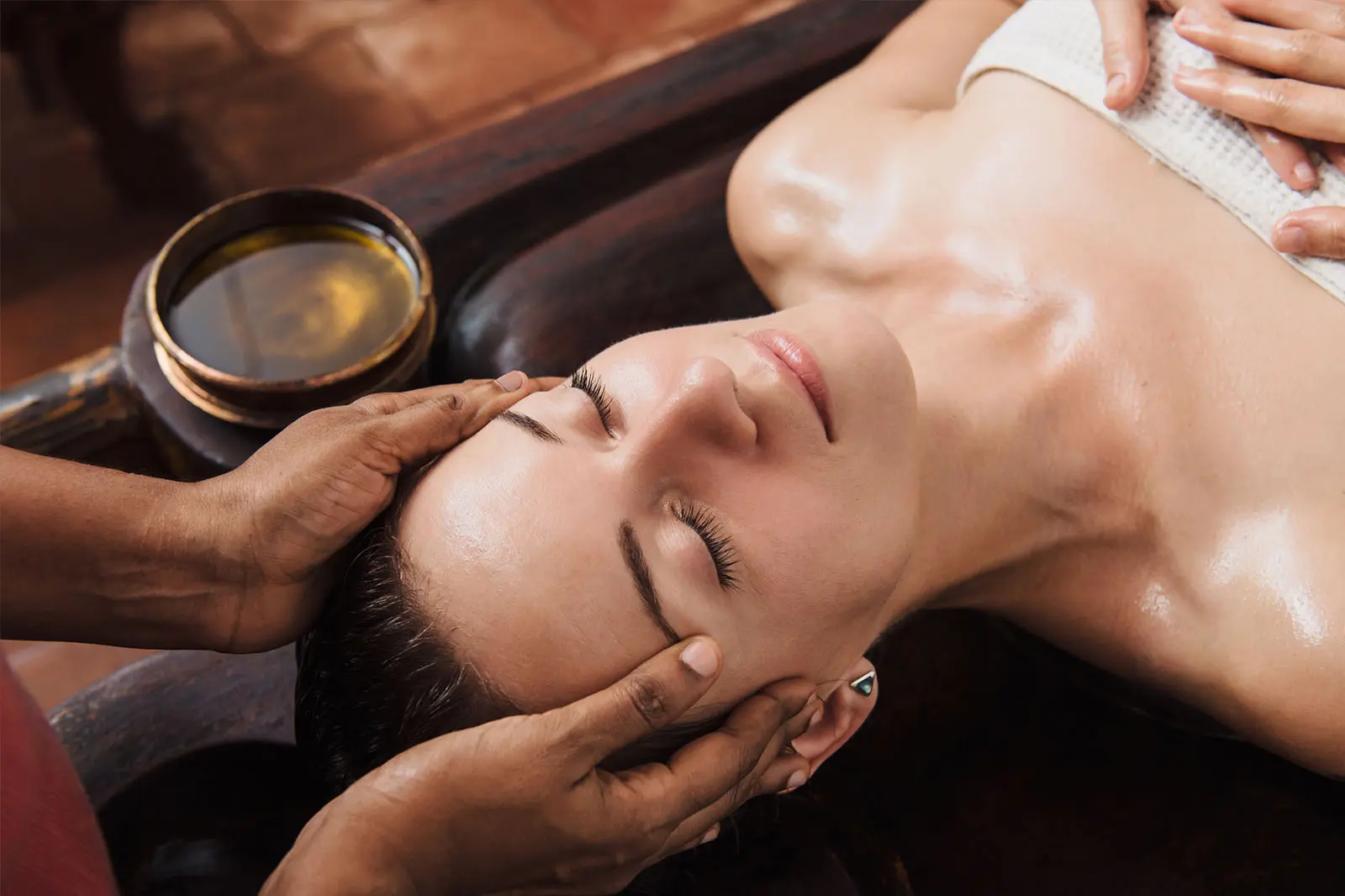

Panchakarma and Herbal Support (Physician-Selected)
Where lifestyle changes alone aren't enough, a physician may add Ayurvedic therapies and medicines. None of these are one-size-fits-all; they are chosen after assessing your dosha pattern, digestion, current thyroid status and medications.
Panchakarma
- Udvartana (dry herbal powder massage): traditionally used for Kapha and Meda, and commonly included in programmes for thyroid-related weight gain.
- Virechana (therapeutic purgation): considered when a Pitta or combined pattern is present and the patient is strong enough to undergo it.
- Basti (medicated enema): the main therapy for Vata, used when constipation, dryness and low energy dominate.
- Nasya: sometimes used for the head and neck region as part of a wider plan.
As with any Panchakarma, preparation (Snehana and Swedana) and a graded recovery diet are part of the treatment, not optional extras.
Herbal support
- Guggulu: a resin used in classical formulations for Kapha, Meda and metabolic sluggishness. Kanchanara Guggulu is the formulation traditionally associated with glandular swellings.
- Ashwagandha: an adaptogen used for stress and fatigue. It can influence thyroid hormone levels, so it must be used only under physician guidance and with monitoring, and is usually avoided in hyperthyroid states.
Herbs are pharmacologically active. They should never be self-prescribed from the internet, even when "natural".
Do Not Stop Your Thyroid Medication
Important: Never stop, reduce or change thyroxine or antithyroid medication on your own, and never do so because an Ayurvedic programme has started. Any change in dose must be decided by your endocrinologist based on repeat blood tests. Tell both your endocrinologist and your Ayurvedic physician about every medicine and herb you take, so the two can work together.
This is also why Pranavam works alongside conventional care. Ayurvedic treatment aims to support digestion, metabolism, weight, sleep and energy, while hormone levels continue to be monitored through regular blood tests.
At Pranavam Ayurveda Hospital's metabolic and lifestyle disorders programme, every patient is assessed by an Ayurvedic physician who reviews thyroid reports, current medication, dosha pattern and digestion before any therapy is planned. Related reading: Post #42, Post #46 and, on hormonal balance, Post #35.
A Thyroid-Supportive Day
A sample rhythm that supports Agni and steady energy. Your physician will adapt it to your constitution, medication timing and work schedule.
Wake early, warm water, light movement or yoga, and thyroxine as prescribed on an empty stomach, with breakfast kept apart as your doctor advises.
The main meal of the day: warm, freshly cooked and unhurried, with spices such as ginger and cumin.
A short walk, no daytime sleep if Kapha-heavy, and a light snack if needed rather than processed foods.
A light early dinner, pranayama or meditation, and a fixed bedtime for restorative sleep.
Frequently Asked Questions
Can Ayurveda cure hypothyroidism?
Can I take Ayurvedic herbs with thyroxine?
Which foods should thyroid patients limit?
Does Panchakarma help with thyroid-related weight gain?

Looking for Supportive Thyroid Care?
Every programme at Pranavam begins with a physician assessment of your reports, medication and dosha pattern, planned to work alongside your endocrinologist.
Book a ConsultationRelated Reading