

What Happens to the Body During Panchakarma? A Stage-by-Stage Guide
A physician's walkthrough of what happens in the body at each stage of Panchakarma: preparation, main procedures, and the recovery phase.
Panchakarma isn't a single treatment. It's three distinct phases, each preparing the body for the next, and skipping or rushing any one of them is the most common reason people don't get the results they expected.
Ask most people what Panchakarma "is" and they'll describe a single event: a week of oil massages and steam. In practice, Panchakarma is three phases, not one event, and each phase does a different job in the body.
The first phase loosens toxins from deep tissue and moves them toward the digestive tract. The second phase removes them from the body through one of five specific procedures, chosen for the individual. The third phase rebuilds digestive strength so the body doesn't simply reabsorb what was just cleared. Understanding what happens at each stage, and why the order can't be shuffled, is the best way to know what you're actually signing up for before you begin.

Stage 1 · Preparation
Purvakarma
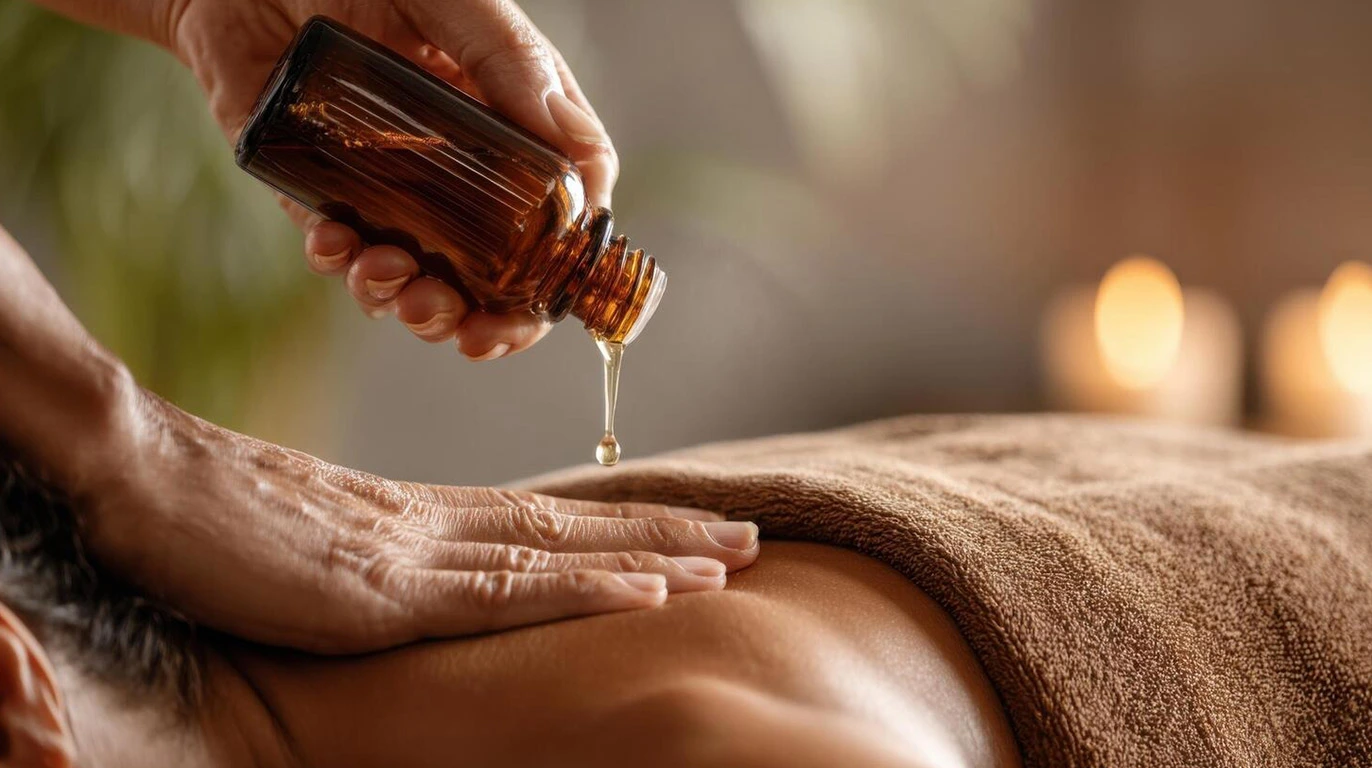
Before any toxin can be removed from the body, it first has to be loosened from the tissues it's lodged in and brought back toward the digestive tract, where it can actually be eliminated. That's the entire purpose of Purvakarma, and it happens through two procedures working together.
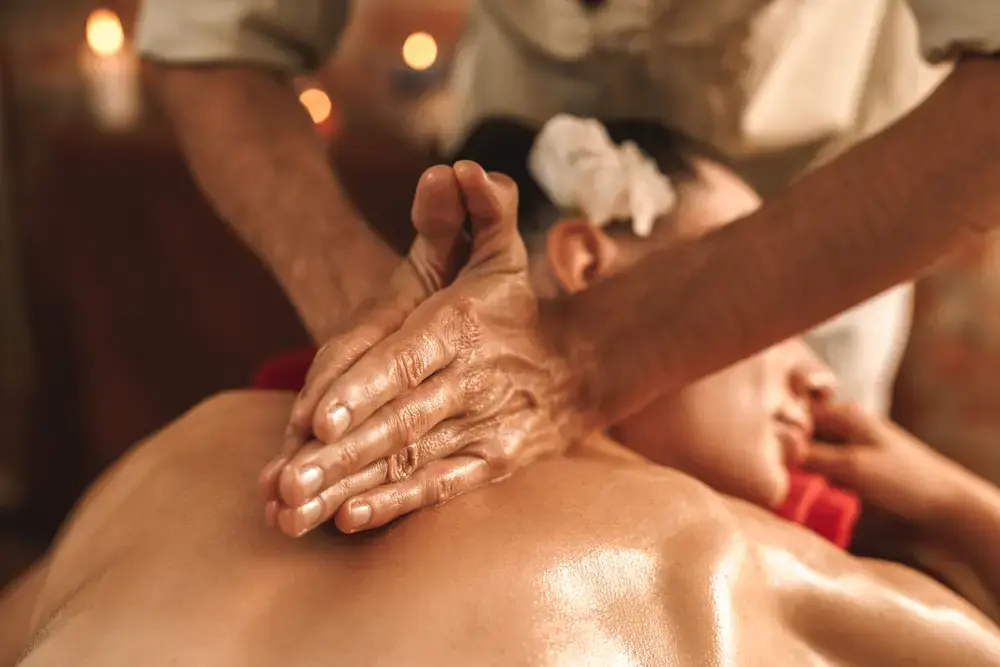
Snehana (oleation): medicated oils are given internally (as ghee, taken orally over several days) and applied externally through daily Abhyanga massage. The oil's job is to penetrate tissue layers and soften accumulated toxins so they can move.
Swedana (sudation): herbal steam is applied to open channels in the body and help the loosened toxins travel toward the gut. Swedana typically follows each day's oil application.
This stage is not a warm-up act. Attempting Vamana or Virechana without adequate Snehana and Swedana first is one of the most common reasons a Panchakarma procedure underperforms or causes unnecessary discomfort.
Stage 2 · Main Procedures
Pradhanakarma
Once the body has been prepared, one or more of five classical procedures is used to actually eliminate the loosened toxins. Which procedure, or combination of procedures, is used depends entirely on the individual's constitution, the dosha involved, and their current health status, decided by the physician after assessment.
01
Vamana
A therapeutic emesis procedure aimed primarily at excess Kapha, commonly used for respiratory and certain skin-related conditions where Kapha accumulation is a factor.
02
Virechana
A controlled purgation procedure targeting excess Pitta, typically used for digestive, skin, and liver-related concerns where Pitta imbalance is the underlying pattern.
03
Basti
Medicated enemas, considered central to balancing Vata. Widely used for joint, spine, and nerve-related conditions, and often given as a series rather than a single session.
04
Nasya
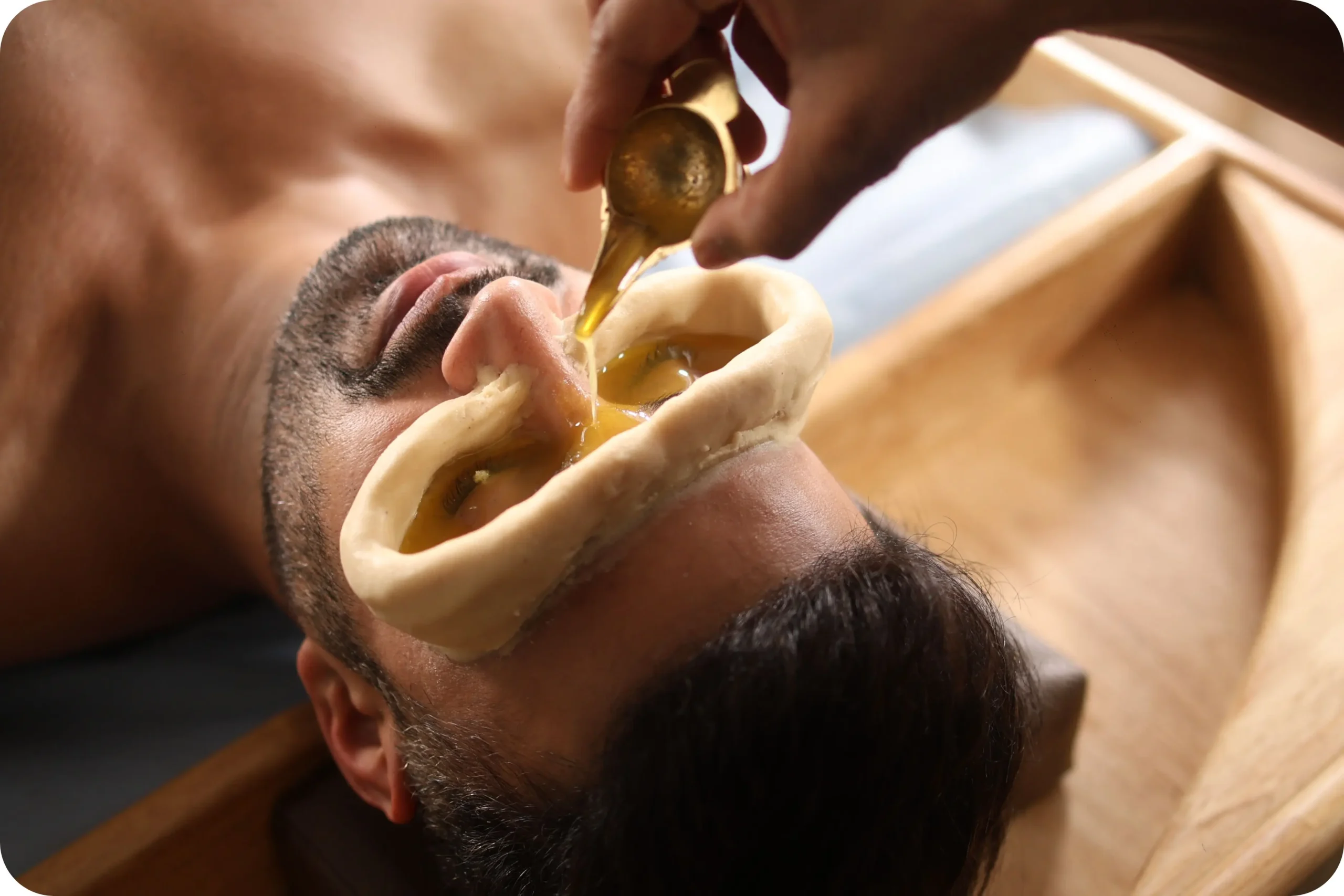
Administration of medicated oils or herbal preparations through the nasal passage, used for conditions affecting the head, sinuses, and upper respiratory tract.
05
Raktamokshana
A blood-purification procedure, used selectively and far less frequently than the other four, typically reserved for specific skin and localised inflammatory conditions.
Stage 3 · Post-Care
Paschatkarma
The main procedure is not where Panchakarma ends. After Pradhanakarma, digestive fire (Agni) is deliberately weak, and returning straight to a normal diet at this point is one of the fastest ways to undo the benefit of the treatment.
Samsarjana Krama is the graded, structured return to normal food. It usually begins with thin rice gruel, progresses gradually through thicker preparations, and only later reintroduces regular meals over a period the physician defines based on how the individual responds. This stage is what allows the digestive system to rebuild strength rather than simply resume old patterns.
What Patients Commonly Notice, Week by Week
Every Panchakarma programme is individualised, so no two experiences are identical, but certain patterns are commonly reported across the three stages. These are general observations, not a guarantee of how any one person will respond.
Week 1
During Purvakarma, mild fatigue or a temporary dip in energy is commonly reported as the body works through daily oleation and steam. Appetite is often steady or slightly reduced.
Week 2
Around the main procedure, sleep patterns can shift for a few days, and some people describe feeling more tired before noticing any lift in energy. Appetite is usually intentionally kept light around this time.
Week 3
As Samsarjana Krama progresses and normal food is gradually reintroduced, most people report steadier energy, improved appetite, and better sleep compared to where they started.
Beyond
Effects on digestion, sleep, and general wellbeing are typically assessed over the following weeks, with physicians recommending specific dietary and lifestyle adjustments to sustain them.
These are commonly reported patterns, not a fixed timeline. Individual response varies with constitution, the procedure used, and overall health, which is why ongoing physician supervision matters throughout.
Why the Sequence Matters
The single most common mistake seen at non-clinical or unsupervised centres is treating Panchakarma's stages as optional add-ons rather than a fixed sequence. Two shortcuts come up repeatedly:
- Skipping or shortening Purvakarma to save time: moving straight to Vamana, Virechana, or Basti before tissues have been adequately oiled and steamed, which can make the main procedure less effective and more uncomfortable than it needs to be.
- Skipping Paschatkarma entirely: resuming a normal diet immediately after the main procedure, before digestive fire has had a chance to rebuild, which frequently undoes much of the benefit gained.
Because each stage is preparing the body for the one that follows, doing procedures out of order, or without proper preparation and recovery around them, is not a minor variation. It's the difference between a treatment that works as intended and one that doesn't.
The takeaway: Panchakarma's benefit comes from the sequence, not any single procedure in isolation. A physician who skips assessment or compresses the stages to fit a fixed number of days is skipping the part of the treatment that makes the rest of it work.
How Pranavam Sequences It
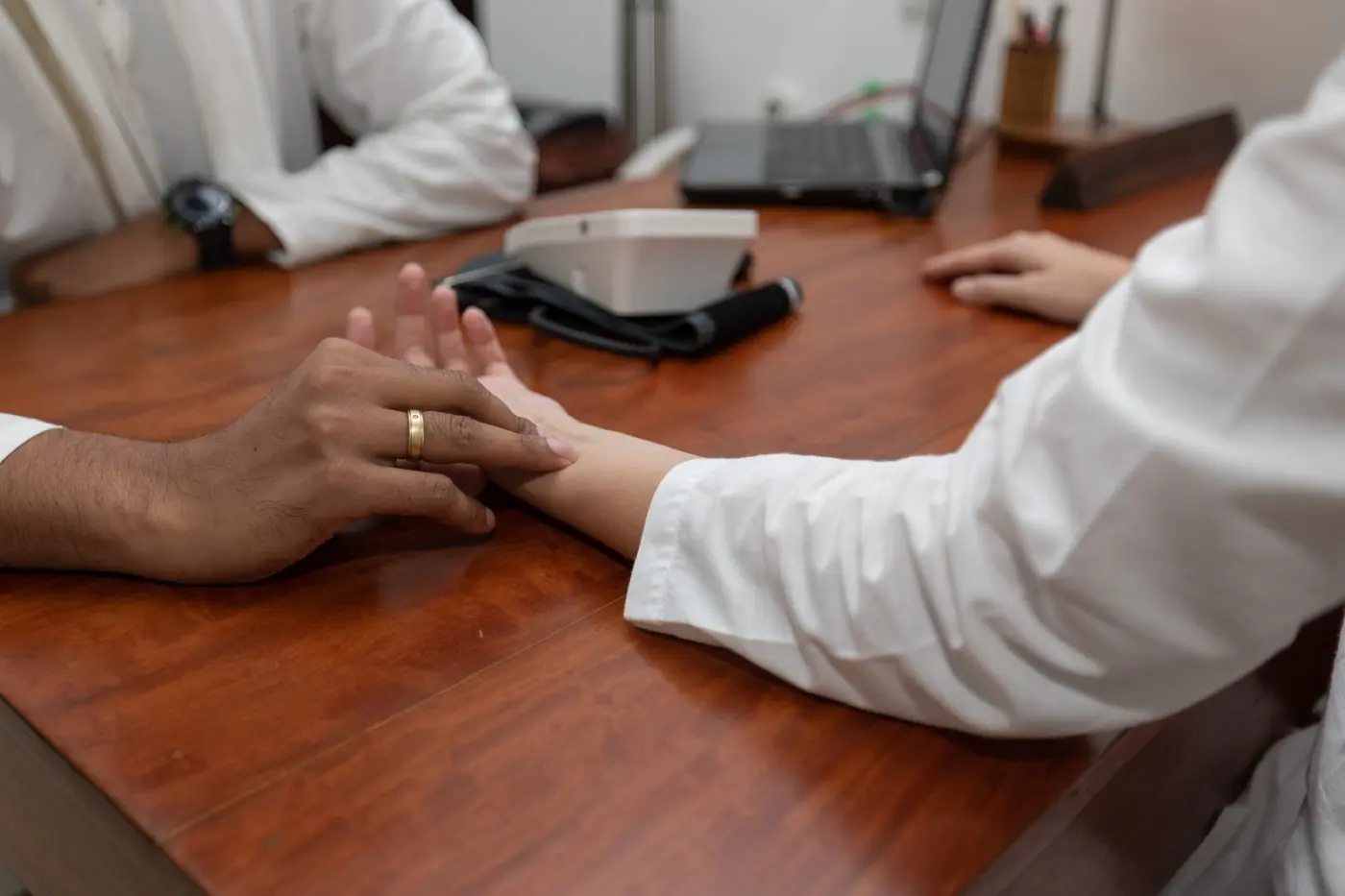
At Pranavam Ayurveda Hospital's Panchakarma Treatment Centre, no programme begins with a fixed package. Every patient is first assessed by an Ayurvedic physician, who determines dosha imbalance, current health status, and which of the five Pradhanakarma procedures, if any, are appropriate, before Purvakarma is even scheduled.
The duration and intensity of oleation and steam, the choice between Vamana, Virechana, Basti, Nasya, or Raktamokshana, and the pace of Samsarjana Krama afterward are all built around that individual assessment rather than a standard number of days. This is also why the same "Panchakarma" label can mean a meaningfully different protocol from one patient to the next, even within the same hospital.
What a Typical Day in the Hospital Looks Like
While the exact schedule depends on which stage a patient is in, a typical day during an inpatient Panchakarma programme generally follows a rhythm like this:
Physician review, followed by the day's Snehana/Abhyanga and Swedana session, or the scheduled main procedure if it's that day.
Light, physician-approved meal appropriate to the current stage: thin gruel during recovery, regular light food during preparation.
Rest period; some days include a secondary therapy session depending on the individual protocol.
Second meal, herbal medicines as prescribed, and a physician check-in on how the day's procedure was tolerated.
Frequently Asked Questions
How long does each Panchakarma stage last?
Is Panchakarma painful?
Will I feel worse before I feel better?
Can all five procedures be done in one programme?
Can I work during Panchakarma?
Curious Whether Panchakarma Is Right for You?
Every programme at Pranavam begins with a physician assessment, not a fixed package. Get a personalised read on which stage, which procedures, and how long, before you commit to anything.
Book a ConsultationRelated Reading