

What to Expect After Panchakarma: Recovery, Diet and Daily Routine
A physician's guide to Paschatkarma: the gradual diet, rest, routine and follow-up care that shape recovery after Panchakarma.
Completing Panchakarma does not necessarily mean your Ayurvedic care is finished. What you do afterward, diet, rest, routine, is what determines whether the benefit of treatment actually lasts.
In Ayurveda, the period following Panchakarma is considered an important part of the treatment process. Known as Paschatkarma, this phase gives the body time to gradually return to its usual diet, activity and daily routine.
This is why what you do after Panchakarma matters. Returning immediately to heavy food, strenuous exercise, late nights or an irregular routine may not give your body the gradual transition recommended by your physician. Post-treatment care is individual: the exact diet, duration of recovery and timing for returning to normal activities depend on the therapies you received, your health condition and your physician's assessment. Understanding the general principles can help you plan the weeks following your Panchakarma treatment.
What Is Paschatkarma?
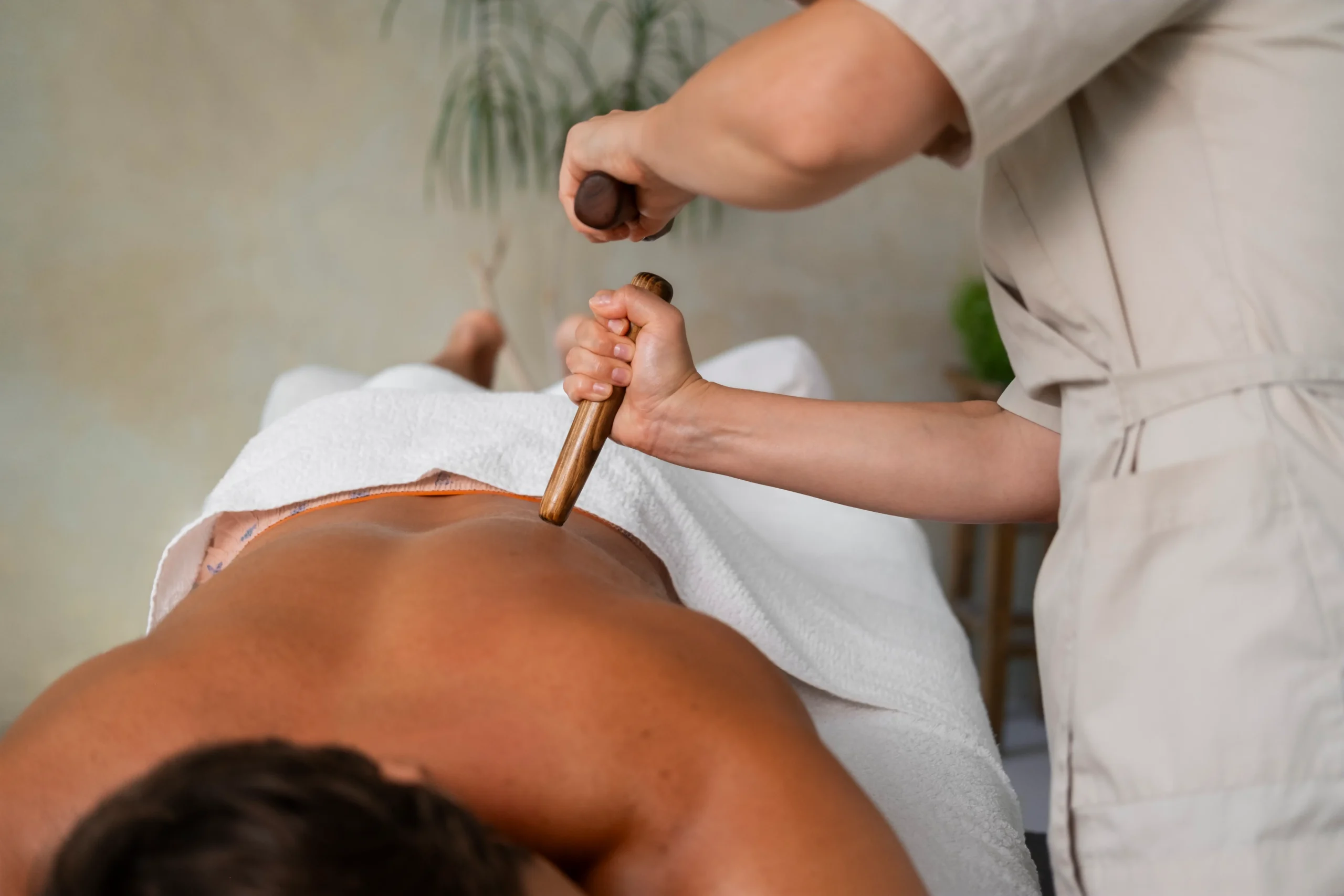
Paschatkarma refers to the post-treatment phase following Panchakarma. The idea is simple: after completing the prescribed therapies, the body is not necessarily expected to return immediately to its previous routine. Instead, food and activities may be reintroduced gradually.
One of the most important components of this phase is Samsarjana Krama, a graded dietary approach traditionally used to gradually restore digestive capacity. Rather than moving directly from a restricted therapeutic diet to a regular diet, the transition happens step by step.
This phase is not a formality — it is considered part of the treatment itself. Your physician uses this window to observe how your body is responding, adjust recommendations if needed, and prepare you for a smoother return to your everyday diet, work and activity.
Samsarjana Krama: Why the Diet Is Gradual
During Panchakarma, your diet may be intentionally simplified according to your treatment plan. Afterwards, the digestive system is given time to adapt again. Samsarjana Krama involves progressively increasing the quantity, variety and complexity of food.
The exact schedule is not identical for everyone. It depends on factors such as the Panchakarma procedures performed, the person's strength and digestive condition, and the physician's assessment. A typical progression may move from lighter preparations toward more substantial meals.
A Simplified View of the Diet Ladder
Stage 1
Very Light Foods
The initial meals may be thin, easily digestible preparations that place relatively little demand on digestion.
Stage 2
Slightly Thicker Preparations
As digestion becomes more comfortable, the consistency and quantity of food can gradually increase.
Stage 3
More Nourishing Meals
The diet may then progress towards foods with greater nutritional density and variety.
Stage 4
Regular Meals
Normal food is reintroduced progressively according to individual tolerance and the physician's instructions.
The important principle is gradual progression rather than sudden dietary change. Do not independently copy a Samsarjana Krama schedule from the internet — your physician should determine the appropriate duration and progression for you.
The Weeks After Discharge
Recovery unfolds in phases, each building on the one before. The first week is about maintaining the transition that began during treatment; the following weeks are about a gradual, not sudden, return to normal life.
Days 1–7
The First Week After Discharge
What to eat: Follow the dietary plan given by your Ayurvedic physician. Depending on your individual programme, meals may continue to emphasise freshly prepared, warm and relatively easy to digest foods. Avoid experimenting with large meals, restaurant food or unfamiliar foods simply because you have returned home.
What to avoid: Your physician may ask you to temporarily avoid foods and habits that are difficult to digest or that may interfere with recovery — very heavy meals, excessive fried food, highly processed foods and excessive stimulants. Alcohol and smoking may also be inappropriate during recovery and should be discussed with your physician.
Rest and sleep: Do not treat discharge day as a signal to immediately return to your previous pace of life. Keep your schedule manageable, avoid unnecessarily strenuous activity, and try to maintain consistent sleeping and waking times. A calm evening routine can make the transition back to normal life easier.
Weeks 2–4
Returning to Normal Life
Recovery does not necessarily mean staying inactive for a month. Instead, activity and diet can generally be increased gradually according to your physician's advice.
Food: As the post-Panchakarma diet progresses, more familiar foods may be introduced. This is not permission to immediately return to every food you were eating before treatment — pay attention to how your body responds, and discuss any discomfort with your physician rather than repeatedly testing it yourself.
Work: The appropriate time to return to work depends on your treatment, occupation and health condition. A desk-based job may have different requirements from physically demanding work. Where possible, avoid filling your first few days back with unnecessary commitments.
Exercise: Exercise should be reintroduced progressively. Walking and gentle movement may be appropriate for some patients, while strenuous workouts may need to wait longer. Discuss the timing for running, weight training or intensive yoga with your physician — the goal is not to test how quickly you can return to your previous performance level.
Rebuilding Your Daily Routine With Dinacharya
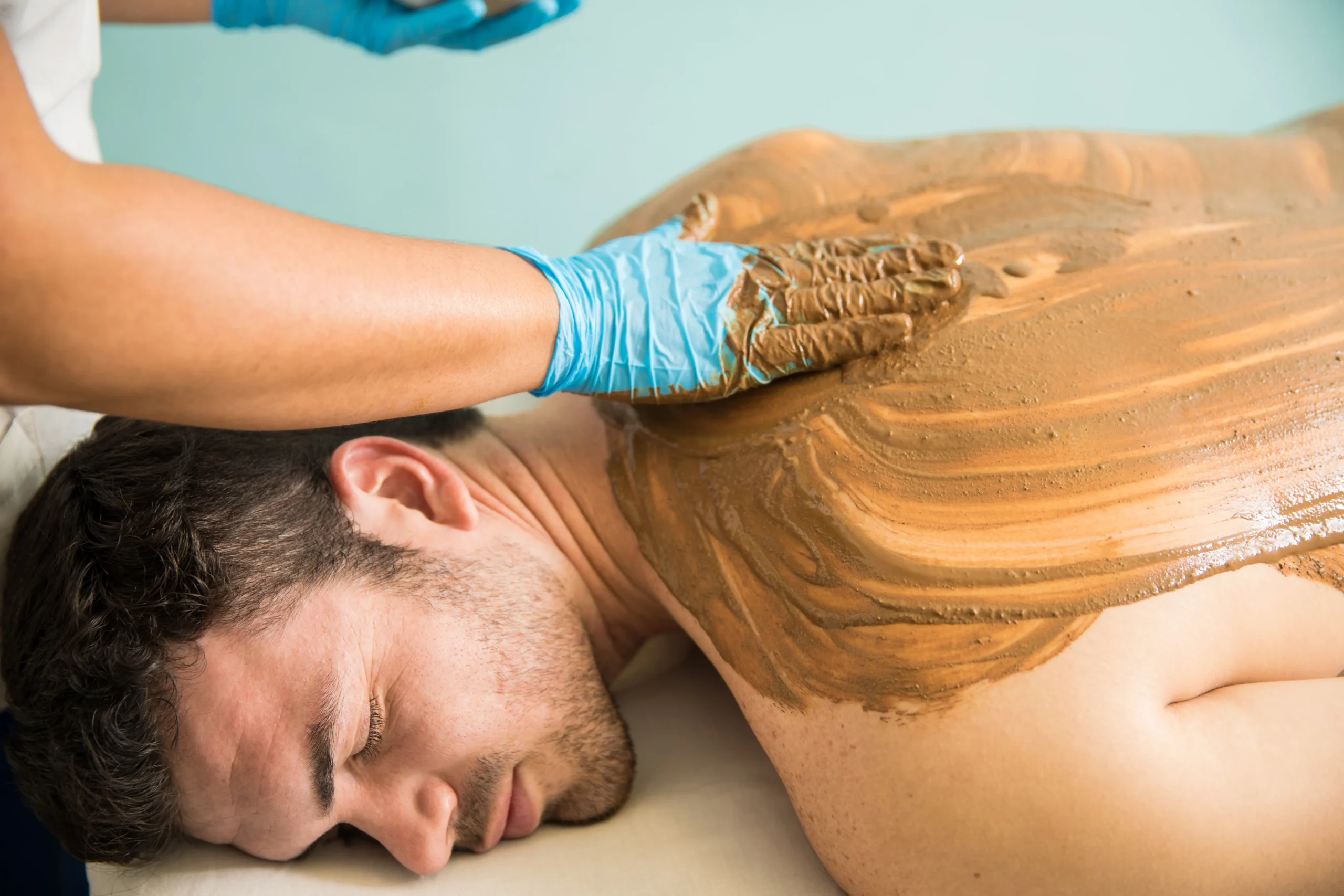
Panchakarma can also provide an opportunity to reassess your everyday habits. In Ayurveda, Dinacharya refers to principles of daily routine designed to support regularity and wellbeing. You do not need to completely redesign your life overnight — a few consistent habits can be more practical than an unrealistic routine.
Rather than trying to change everything at once, most patients find it easier to anchor their day around two or three consistent habits, such as a fixed wake time and regular meals, and let the rest of the routine settle around them gradually.
Wake Time
Try to wake and sleep at approximately consistent times each day. Regularity can make it easier to maintain meal timing, work and rest without constantly shifting your schedule.
Meal Timing
Avoid repeatedly skipping meals and then compensating with large meals later. Regular meal timing can help establish a predictable routine after treatment.
Oil Application
Depending on your constitution and treatment plan, your physician may recommend an oil application practice such as Abhyanga, based on individual advice rather than a generic routine.
Evening Wind-Down
Reduce stimulating activities in the evening, have dinner at a reasonable time and maintain a consistent bedtime to help preserve the routine developed during recovery.
What Might You Notice During the First Month?
Every person responds differently after Panchakarma. Some patients may describe changes in appetite, bowel habits, energy levels, sleep or their general sense of wellbeing during the transition back to their usual routine. These experiences can vary considerably and should not automatically be interpreted as evidence that treatment has or has not "worked." If you develop persistent or concerning symptoms, do not assume they are simply part of detoxification or recovery.
When Should You Contact Your Physician?
Contact your treating physician or healthcare provider if you experience symptoms that are severe, persistent, worsening or unexpected. You should also seek appropriate medical care for symptoms such as high fever, severe pain, persistent vomiting, significant dehydration, breathing difficulty, fainting or other acute concerns. Post-treatment guidance should always take priority over general information found online.
The takeaway: Panchakarma's benefit doesn't end on discharge day. It depends on the gradual, individualised transition that follows — in diet, activity and daily routine.
How Do You Maintain the Benefits Long Term?
One common challenge after Panchakarma is returning completely to the lifestyle that contributed to the original problem. For example, someone may follow a structured routine during treatment and then gradually return to irregular meals, inadequate sleep, prolonged stress and physical inactivity, which can make it difficult to maintain changes over time.
Long-term care is therefore less about repeating Panchakarma whenever symptoms appear and more about maintaining appropriate daily habits. Your physician may recommend seasonal adjustments, dietary changes, home practices or follow-up consultations depending on your condition.
Ayurvedic care may include follow-up around seasonal changes or at intervals recommended by your physician, allowing them to assess your current condition and modify your routine when necessary.
Some patients may be given simple practices to continue at home, such as specific dietary recommendations or oil application. Do not assume a practice recommended to another patient is suitable for you.
The long-term value of treatment is closely connected to what happens afterwards. The objective should be a routine you can realistically maintain, not an extremely restrictive schedule for a few weeks.
Pranavam's Follow-Up After Panchakarma
At Pranavam Ayurveda, post-treatment care is considered an important part of the overall Panchakarma programme. After discharge, patients can receive guidance regarding diet, daily routine, medicines and other recommended practices based on their individual treatment plan.
Follow-up allows the physician to understand how the patient is progressing and address questions that may arise after returning home. For patients travelling from outside Kerala, discussing the follow-up process before discharge can be particularly useful.
If you are considering Panchakarma treatment, you can learn more about the treatment approach through our Panchakarma Treatment Centre in Kerala. Your physician can also explain what follow-up may be appropriate for your particular condition and treatment.
Frequently Asked Questions
How long does it take to feel normal after Panchakarma?
When can I return to work?
When can I resume exercise or yoga?
Can I eat non-vegetarian food after Panchakarma?
How often should Panchakarma be repeated?
Have Questions About Your Recovery?
Post-treatment guidance should always take priority over general information found online. Speak with your treating physician about your diet, medication, exercise or symptoms after Panchakarma.
Contact Your PhysicianRelated Reading