Yoga and Ayurveda Together: A Daily Routine for Vata, Pitta and Kapha

Yoga · Dinacharya · Authentic Kerala Ayurveda

Yoga and Ayurveda Together: A Daily Routine for Vata, Pitta and Kapha

A practical Dinacharya for Vata, Pitta and Kapha types — with yoga poses, breathing and timing guidance from an Ayurvedic physician.

P
Pranavam Ayurveda
• Kozhikode, Kerala
Yoga practice in the garden at Pranavam Ayurveda Hospital, Kozhikode Yoga Session at Pranavam Ayurveda Hospital
Quick Answer

Yoga and Ayurveda are sister sciences: yoga trains the body and breath, while Ayurveda guides diet, daily rhythm and treatment. A good daily routine (Dinacharya) matches your dosha — grounding, slow practice for Vata; cooling, moderate practice for Pitta; and energising, stimulating practice for Kapha — with shared foundations of a regular wake time, tongue scraping, oil massage (Abhyanga) and well-timed meals.

Yoga and Ayurveda: Sister Sciences

Yoga and Ayurveda grew from the same Vedic roots and share one goal: a body, mind and spirit in balance. Ayurveda describes what to eat, when to rest and how to treat imbalance. Yoga offers the practices — posture (asana), breath (pranayama) and meditation — that keep the system steady in daily life.

Practised together, they work as one routine. Ayurveda tells you which kind of yoga suits your constitution and the season of your life; yoga helps you carry out the Ayurvedic lifestyle with awareness. This guide sets out a practical ayurvedic daily routine (Dinacharya) for each dosha, with yoga poses, breathing and timing.

For a wider view of the practice, see our Yoga and Meditation guide.
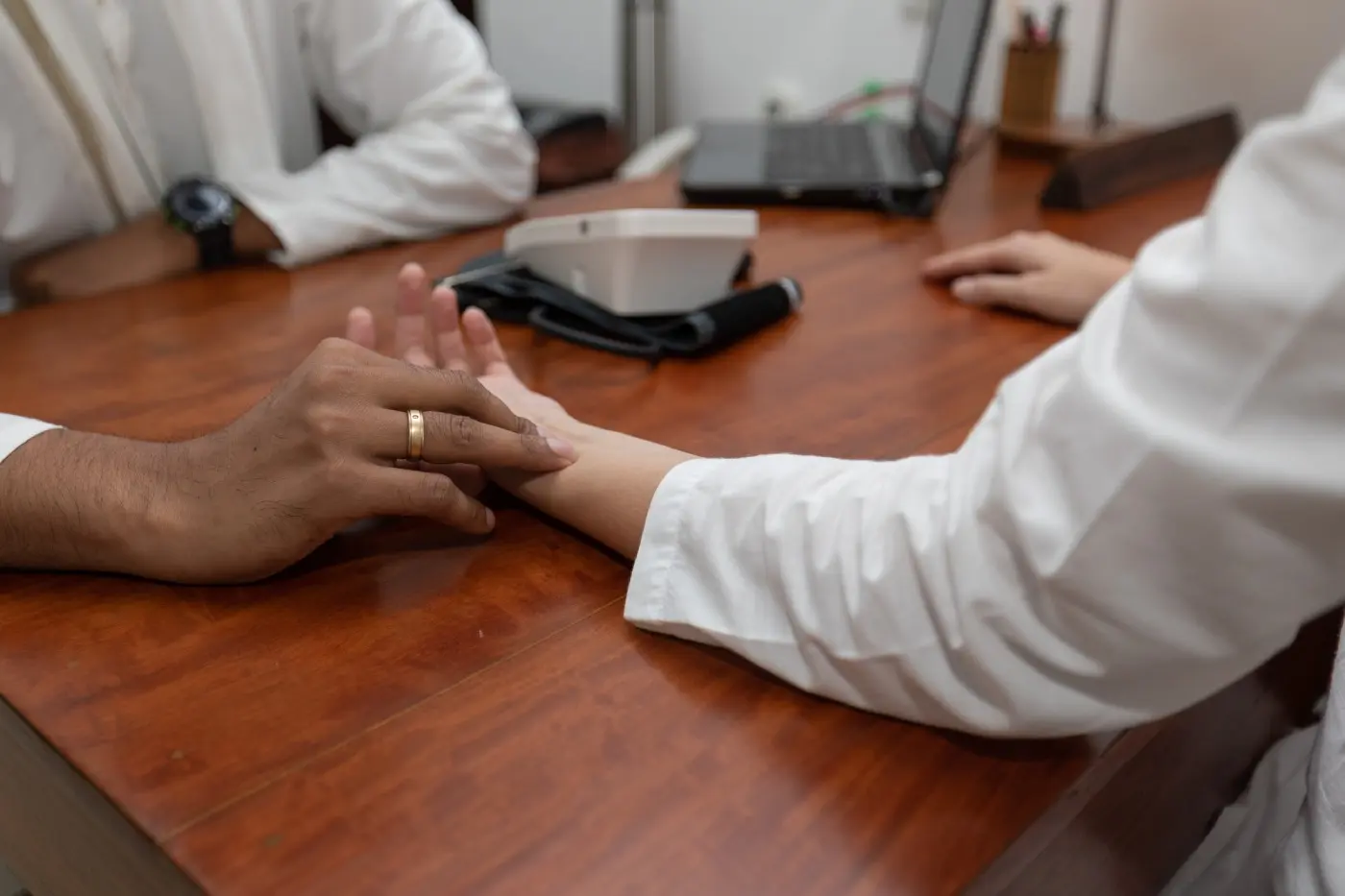
Ayurvedic physician assessing a patient's dosha at Pranavam Ayurveda Hospital Physician Dosha Assessment at Pranavam

A Quick Dosha Primer

Vata (air and space) governs movement: breath, circulation, nerve impulses. Pitta (fire and water) governs transformation: digestion, metabolism, body heat. Kapha (earth and water) governs structure: stability, lubrication, endurance.

Everyone carries all three in a unique proportion, and daily habits can push one out of balance. Yoga is most effective when it calms the dosha that is aggravated rather than feeding it.

A note on assessment: online dosha quizzes are a starting point only. Your true constitution (Prakriti) and current imbalance (Vikriti) are best identified by an Ayurvedic physician through pulse, tongue and history. If your routine is not helping, an in-person assessment beats guesswork.

At a Glance

Dinacharya by Dosha

A summary of the three routines explained below. Use it as a quick reference once you know your dominant dosha.

Vata

Grounding & warm
Yoga
Slow, steady, held postures
Breath
Gentle, even Pranayama
Oil
Warm sesame oil Abhyanga
Best time
Morning, consistent hour

Pitta

Cooling & moderate
Yoga
Moderate pace, no overheating
Breath
Sheetali, Chandra Bhedana
Oil
Cooling oils such as coconut
Best time
Early morning or evening

Kapha

Energising & stimulating
Yoga
Dynamic flow, Surya Namaskar
Breath
Kapalabhati, Bhastrika (guided)
Oil
Light oil, dry brushing
Best time
Early morning

Vata Routine: Grounding and Warmth

Vata types tend toward restlessness, dry skin, light sleep and irregular digestion. The aim is to slow down, warm up and create steadiness.

Slow pranayama breathing practice in a calm Ayurvedic setting Pranayama in a Calm Setting

Grounding Asanas

Slow & steady

Choose stable, supported poses held for several calm breaths: Tadasana (Mountain), Vrikshasana (Tree), Virabhadrasana II (Warrior II), Balasana (Child’s Pose) and Apanasana (Knees-to-Chest). Seated forward folds and a restful Shavasana finish the session. Avoid fast, jerky or very long sessions.

Slow Pranayama

Nadi ShodhanaDeergha breathing

Alternate-nostril breathing (Nadi Shodhana) with a smooth, unforced rhythm, or simple three-part breathing, calms the nervous system. Keep the breath gentle and never strain.

Warm Oil

Abhyanga

A warm sesame-oil self-massage before bathing nourishes dry skin and settles Vata. Keep the room warm and follow with a warm bath.

Pitta Routine: Cooling and Moderate

Pitta types are driven and intense, with a strong appetite and a tendency to overheat. The aim is to cool down, soften effort and avoid competition, even with yourself.

Calm, cool Ayurvedic treatment space suited to Pitta balancing Calm, Cooling Environment

Moderate-Intensity Yoga

CoolingNon-competitive

Favour moderate flows with side bends, gentle twists and forward folds: Ardha Chandrasana (Half Moon), Paschimottanasana (Seated Forward Fold), Bhujangasana (Cobra) and Setu Bandhasana (Bridge). Practise in a cool, airy space and avoid hot rooms or pushing to exhaustion.

Sheetali Breath

Cooling Pranayama

In Sheetali, you inhale through a curled tongue (or Sitkari through the teeth) and exhale through the nose. It is traditionally used to cool the body and settle irritability. Chandra Bhedana (left-nostril breathing) is another cooling option.

Timing

Early or evening

Practise in the cooler early morning or at dusk, not at midday. Avoid exercising on an empty, irritable stomach or straight after a heavy meal.

Kapha Routine: Energising and Stimulating

Kapha types are steady and strong but can feel heavy, sluggish or congested. The aim is to create warmth, movement and lightness.

Stimulating Ayurvedic therapy supporting Kapha balance Stimulating Therapy for Kapha

Energising Surya Namaskar

Sun SalutationDynamic

A brisk Surya Namaskar sequence builds heat and breaks inertia. Add standing poses and backbends such as Utkatasana (Chair), Virabhadrasana I (Warrior I), Ustrasana (Camel) and Dhanurasana (Bow), as comfortable.

Stimulating Breath

KapalabhatiBhastrika

Energising techniques like Kapalabhati and Bhastrika clear congestion and raise alertness. Learn them from a qualified teacher first, as they are not suitable for everyone (see the FAQs).

Rise Early

Before sunrise

Kapha is heaviest in the early morning, so waking before 6 am and moving promptly helps counter lethargy. Use light oil or dry brushing instead of heavy oiling.

Shared Foundations

Common Elements of Dinacharya

Whatever your dosha, a few habits form the base of a healthy Ayurvedic day. Adjust the details to your constitution, but keep the rhythm.

Consistent wake time

Rising at a regular hour, ideally before sunrise, steadies the body clock.

Tongue scraping

A gentle morning scrape clears the coating that builds overnight.

Abhyanga

Self-massage with an oil chosen for your dosha, before bathing.

Yoga and Pranayama

Practised on an empty stomach, tailored to your constitution.

Meal timing

Main meal around midday when digestion (Agni) is strongest; a lighter, earlier dinner.

Early bedtime

Winding down before 10 pm supports sleep and recovery.

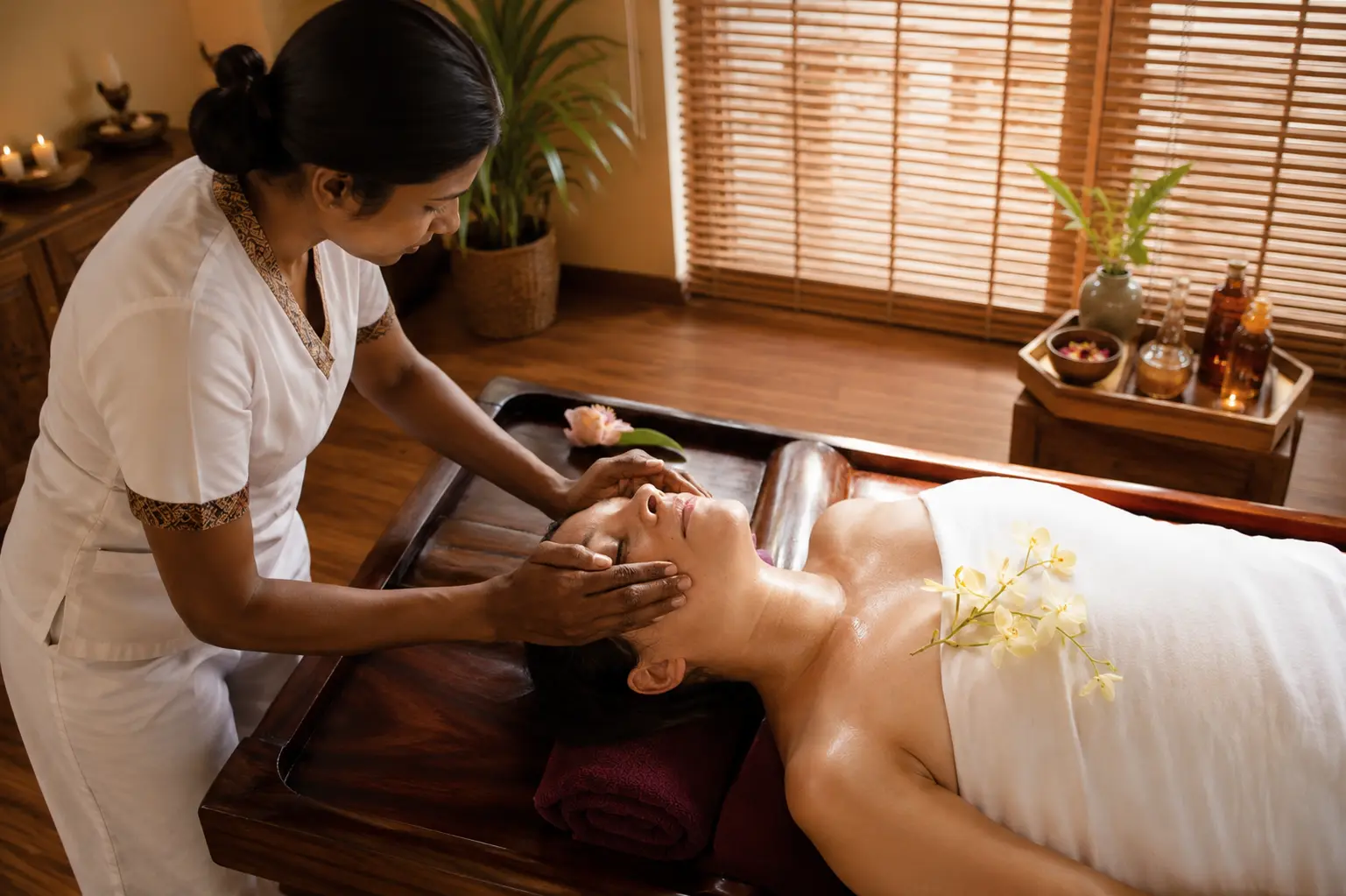
Abhyanga therapy at Pranavam Ayurveda Hospital as part of an integrated programme Integrated Treatment at Pranavam

How Pranavam Integrates Yoga into Treatment Programmes

At Pranavam Ayurveda Hospital in Kozhikode, yoga is not an add-on. After a physician assessment of your dosha and condition, we plan yoga and breathing practices alongside therapies, diet and medicines, so each part supports the others.

Sessions are adapted to your strength, health conditions and stage of treatment, and our team guides you on continuing a suitable Dinacharya at home after discharge.

Frequently Asked Questions

How do I know my dosha?
Online quizzes can give a rough idea, but they cannot replace clinical assessment. An Ayurvedic physician identifies your constitution and current imbalance through pulse and tongue examination and a detailed history. This matters because the dosha that is out of balance now may differ from your natural type.
Can I do yoga during Panchakarma?
Often yes, but in a modified form. During Panchakarma the body is undergoing deep cleansing, so practice is usually gentle and guided by your physician, with intense or strenuous sessions avoided. Always follow the advice given for your specific programme.
What time of day is best?
Early morning, on an empty stomach, is traditionally best for most people. Vata types benefit from a consistent hour, Pitta types from the cooler early or evening hours, and Kapha types from rising before 6 am. Leave a gap after meals before practising.
Is Pranayama safe for everyone?
Not always. Gentle techniques are suitable for most people, but vigorous methods such as Kapalabhati and Bhastrika may not be suitable in pregnancy, high blood pressure, heart or lung conditions, hernia or recent surgery. Learn pranayama from a qualified teacher and check with your physician first if you have a medical condition.

Begin Your Daily Routine with Expert Guidance

Yoga and Ayurveda work best together when the routine fits the person. Start with a few steady habits — a regular wake time, tongue scraping, oil massage and well-timed meals — then add the yoga and breathing that suit your dosha.

Ready for a Routine Built Around You?

Consult our Ayurvedic physicians at Pranavam for a personalised dosha assessment and a yoga and Dinacharya plan suited to your health.

This article is for general educational purposes and does not constitute individual medical advice. Yoga and pranayama should be adapted to your health condition; consult a qualified Ayurvedic physician, and your treating doctor where relevant, before starting or changing a routine. Outcomes vary by individual.