
Nerve Health and Early Neuropathy: An Ayurvedic Perspective on Prevention

Nerve Health and Early Neuropathy: An Ayurvedic Perspective on Prevention
Tingling, numbness, burning feet? How Ayurveda views early nerve damage as Vata imbalance, and the supportive care that may slow progression.
Nerve damage rarely begins with pain. It usually begins with a whisper: a tingle, a patch of numbness, feet that burn at night. Acting at that stage, with a proper diagnosis first, gives the best chance of slowing what follows.
Most people ignore the first signs of nerve trouble. A foot "falls asleep" more often than it used to. Fingertips feel slightly numb on waking. The soles burn at night, or walking on a cool floor feels oddly dull. Because these symptoms come and go, they are easy to dismiss, and that is exactly the window in which care is most useful.
Early neuropathy commonly shows up as:
- Tingling, "pins and needles" or crawling sensations in the feet or hands.
- Numbness or reduced sensation, especially in the toes, soles and fingertips.
- Burning or electric-shock-like pain, often worse at night.
- Weakness, clumsiness, dropping objects or tripping more often.
- Sensitivity to touch, or difficulty feeling temperature.
Ayurveda looks at these symptoms as an early sign of imbalance in the body's nervous function, and treats them as a reason to act early rather than to wait and watch. This guide explains that perspective, where it fits alongside conventional care, and what supportive treatment can realistically offer.

Vata and Majja Dhatu: The Classical View of Nerve Tissue
The Governing Dosha
Vata
In classical Ayurveda, Vata governs movement and sensation, including nerve impulses, circulation and the sense of touch. Dryness, cold, depletion and excessive strain are all said to aggravate Vata. When it is out of balance, the typical result is tingling, numbness, tremor, pain that shifts location, and weakness.
The Tissue Involved
Majja Dhatu
Majja Dhatu is the tissue Ayurveda associates with the nervous system, including nerves, marrow and the brain. Nourishment passes through the tissues in sequence, so when the tissues before it are poorly nourished, Majja can be left undernourished. Vata then settles into this weakened tissue, which is how classical texts explain nerve symptoms: not as a single event, but as a gradual loss of nourishment and stability.
This is a classical framework for understanding symptoms. It does not replace a medical diagnosis of the underlying cause.
Common Triggers: Conventional Diagnosis Comes First
Neuropathy is a symptom with many possible causes, and some are serious and treatable. Before any Ayurvedic programme begins, the cause should be identified through conventional tests. The most common triggers include:
01
Diabetes
Persistently high blood sugar can damage small nerves over time, usually beginning in the feet. It is one of the leading causes of neuropathy.
02
Vitamin B12 Deficiency
Low B12 can cause numbness, tingling and balance problems, and may be linked to diet or long-term use of certain medicines. It is simple to test for.
03
Spinal Compression
A pinched nerve from a disc problem or spinal narrowing can cause tingling, numbness or weakness in the arms or legs.
04
Alcohol
Long-term heavy drinking can injure nerves directly and also lead to nutritional deficiencies that make nerve damage worse.
05
Chemotherapy
Some chemotherapy drugs cause nerve damage in the hands and feet. Any supportive care should be coordinated with the oncology team.
Diagnosis first: Persistent tingling or numbness should be evaluated by a doctor, with blood sugar, B12 and, where relevant, spinal or nerve studies. Ayurvedic care works best as a supportive layer alongside this, never as a substitute for finding the cause. Sudden weakness, loss of bladder or bowel control, or rapidly spreading numbness needs urgent medical attention.
Supportive Ayurvedic Therapies for Nerve Health
Ayurvedic care for early nerve trouble aims to pacify Vata and nourish the tissues. After assessment, the physician may choose from therapies such as these, depending on the individual's constitution, the underlying condition and overall strength.
01
Abhyanga
Warm medicated oil massage over the body and limbs. It is used to soothe Vata, support circulation and ease stiffness and dryness.
02
Njavarakizhi
Warm boluses of medicated rice cooked in herbal milk decoction are applied to the body. It is classically used to nourish tissues and is often chosen where weakness or wasting of muscles and nerves is a concern.
03
Basti
Medicated enemas, considered central to balancing Vata. Often given as a series, and commonly used for spine, joint and nerve-related conditions.
04
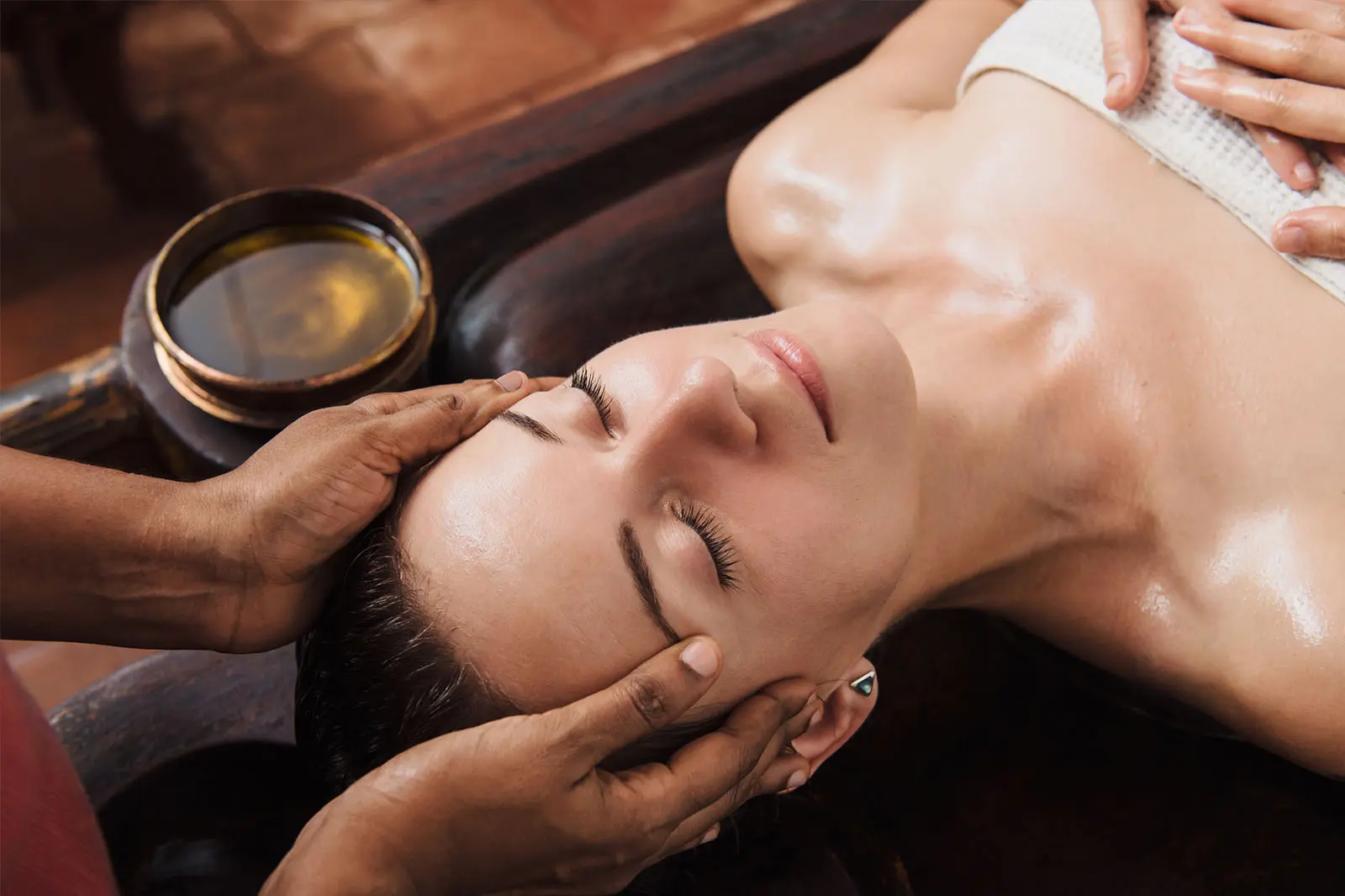
Shirodhara
A steady stream of warm medicated oil over the forehead. It is used to calm an overactive nervous system and may help with the sleep disturbance and anxiety that often accompany chronic nerve symptoms.
These therapies are supportive. Which ones are suitable, in what order, and for how long is decided by the physician after assessment, and some are not appropriate for everyone.
Diet and Lifestyle for Nerve Health
What you do between treatments matters as much as the treatments themselves. Ayurveda advises Vata-pacifying habits that also align with sound nutritional principles:
- Eat warm, freshly cooked, moist meals at regular times, rather than cold, dry or irregular food.
- Include healthy fats such as ghee in moderation, and foods rich in B vitamins, such as pulses, leafy greens, dairy and eggs where suitable.
- Limit alcohol, smoking and excess fried or processed food, which strain nerves and digestion.
- Keep blood sugar well controlled if you have diabetes, since this is the single most important protection for the nerves.
- Do regular gentle exercise such as walking and yoga to maintain circulation. Avoid overexertion and long periods of fasting.
- Follow a consistent sleep routine, and manage stress through breathing practices and rest.
- Check your feet daily for cuts or blisters you may not feel, wear well-fitting footwear, and avoid walking barefoot on hot surfaces.
Realistic Goals: Slowing Progression and Easing Symptoms
It is important to be honest about what treatment can do. For many people, supportive Ayurvedic care may help ease symptoms such as tingling, burning and stiffness, improve comfort, sleep and mobility, and support the body in slowing further progression, especially when started early. It is not a guaranteed reversal of established nerve damage.
The earlier nerve changes are addressed, and the better the underlying cause is controlled, the better the outlook generally is. Nerves heal slowly, so progress is usually measured over weeks and months, not days.
Frequently Asked Questions
Can Ayurveda cure neuropathy?
Is Njavarakizhi good for nerve weakness?
Can diabetic neuropathy be managed with Ayurveda alongside medicines?
How early should treatment begin?

Noticing Tingling or Numbness?
Every programme at Pranavam begins with a physician assessment, reviewing your reports and symptoms before any treatment is planned. Get a personalised view of what supportive care may offer you.
Book a ConsultationRelated Reading